
Here’s Why the Demand for HR Training Courses is Increasing
The demand for HR training courses is rapidly increasing due to evolving workplace dynamics, remote work challenges, and the critical need for skilled people management in today’s competitive business environment.
Human resource management has become one of Australia’s most sought-after career paths as organisations recognise the vital role HR professionals play in driving business success. With workplace structures constantly evolving and employee expectations shifting, the need for qualified HR practitioners has never been greater. Modern HR professionals must navigate complex employment legislation, manage diverse teams, and implement strategic initiatives that align workforce capabilities with business objectives.
What is Human Resource Management?
Human Resource Management (HRM) is the strategic approach to effectively managing people within an organisation to achieve business objectives. This comprehensive discipline encompasses recruitment and selection, employee development, performance management, compensation and benefits administration, workplace health and safety compliance, and industrial relations. HR professionals serve as the bridge between management and employees, ensuring organisational policies align with legislative requirements while fostering a positive workplace culture. In Australia’s VET sector, HR qualifications are delivered through registered training organisations (RTOs) under the Australian Qualifications Framework (AQF), ranging from Certificate III in Human Resources through to Graduate Diploma level. The field requires both technical knowledge of employment law and soft skills in communication, conflict resolution, and strategic thinking. Modern HR management also incorporates data analytics, digital transformation, and change management as organisations adapt to evolving workforce needs.
Why are HR Training Courses So Vital in Today’s Market?
Human resource management is one of the fields where there is significantly more than meets the eye. HR professionals must know the science behind people management and specific business operations knowledge. The complexity of modern HR requires practitioners to understand employment law, organisational psychology, strategic planning, and technology integration.
An HR diploma will give you more hands-on experience in the field and allow you to learn more technical approaches to recruitment, employee engagement, and performance management. These qualifications provide structured learning pathways that cover essential competencies required by Australian employers.
The increasing demand stems from several critical factors. Firstly, organisations recognise that effective people management directly impacts productivity, retention, and profitability. Secondly, compliance requirements have become more stringent, requiring specialised knowledge of workplace legislation. Finally, the shift towards remote and hybrid work models has created new challenges that require innovative HR solutions.
Discover your HR qualification pathway today and advance your career in this growing field.
What Career Opportunities Exist with HR Qualifications?
At 3CIR, we offer different levels of certifications for HR professionals. Our program covers certifications from Certificate II to Graduate Diploma level. Completing an Advanced Diploma of Human Resource Management or going all out for the Graduate Diploma opens doors to new perspectives.
With the recent changes in organisational structures, you can get up-to-date knowledge about the latest changes through HR training courses. Enrolling in a class makes you more attractive to potential employers and adds new information to your knowledge bank, allowing you to improve company processes.
Additionally, you might be eligible for a promotion or a pay increase within your current organisation. HR qualifications open pathways to roles such as HR Coordinator, Recruitment Specialist, Training and Development Officer, Industrial Relations Advisor, and HR Manager positions across various industries.
How Has Digital Transformation Changed HR Requirements?
The digital revolution has fundamentally transformed HR practices, creating unprecedented demand for professionals who understand both traditional people management and modern technology integration. Today’s HR practitioners must be proficient in applicant tracking systems, human resource information systems (HRIS), learning management systems, and data analytics platforms.
Remote work technologies have necessitated new approaches to employee engagement, performance monitoring, and team collaboration. HR professionals now require skills in virtual onboarding, digital communication strategies, and online training delivery methods. These technological competencies are increasingly becoming mandatory requirements for HR roles across all industries.
Furthermore, data-driven decision making has become central to effective HR management. Professionals must understand workforce analytics, turnover metrics, engagement surveys, and predictive modelling to provide strategic insights to executive leadership. This analytical capability distinguishes qualified HR professionals from those without formal training.
What Industry Changes Are Driving HR Training Demand?
Several significant industry shifts are contributing to the increased demand for qualified HR professionals. Generational diversity in the workplace requires nuanced understanding of different employee expectations, communication preferences, and career aspirations. Baby Boomers, Generation X, Millennials, and Generation Z each bring unique perspectives that skilled HR practitioners must manage effectively. Find out more about how to how to get started with RPL.
The gig economy has introduced new employment models that require specialised knowledge of contractor management, flexible work arrangements, and non-traditional benefits packages. HR professionals must understand the legal implications of different employment classifications while creating inclusive policies that accommodate diverse workforce structures.
Workplace mental health has gained significant prominence, particularly following the COVID-19 pandemic. HR practitioners now require knowledge of psychological safety, stress management, wellness programs, and crisis intervention strategies. This expanded scope of responsibility demands comprehensive training and ongoing professional development.
Diversity, equity, and inclusion (DEI) initiatives have become business imperatives rather than optional considerations. HR professionals must possess cultural competency, unconscious bias awareness, and practical skills in creating inclusive recruitment processes and workplace policies.
Why Should You Choose Vocational Education for HR Training?
Australia’s Vocational Education and Training (VET) sector provides industry-relevant HR qualifications designed by employers for immediate workplace application. Unlike theoretical academic programs, VET qualifications focus on practical skills and real-world competencies that employers actively seek.
The training.gov.au website details nationally recognised HR qualifications that meet Australian industry standards. These qualifications are developed through extensive consultation with industry experts, ensuring graduates possess current, relevant skills that match employer expectations.
RTOs like 3CIR deliver flexible learning options including online study, recognition of prior learning (RPL), and workplace-based assessment. This flexibility allows working professionals to upgrade their qualifications without career interruption, making HR training accessible to a broader range of candidates.
The Australian Qualifications Framework (AQF) ensures HR qualifications maintain consistent standards across all providers while allowing credit transfer between institutions. This standardisation gives employers confidence in graduate capabilities regardless of which RTO delivered the training.
Ready to start your HR qualification journey? Complete your RPL assessment today and fast-track your career advancement.
Recognition of Prior Learning (RPL) for HR Professionals
Recognition of Prior Learning offers experienced HR practitioners an efficient pathway to formal qualifications without repeating training they’ve already mastered through workplace experience. RPL assessment recognises the skills and knowledge you’ve gained through employment, volunteer work, and professional development activities.
Many HR professionals have accumulated significant expertise through years of practical experience but lack formal credentials. RPL bridges this gap by converting real-world experience into nationally recognised qualifications. The process involves comprehensive assessment of your current competencies against AQF standards for specific HR qualifications.
At 3CIR, our RPL assessors are industry professionals who understand the complexities of HR work environments. They evaluate your experience against qualification requirements using various assessment methods including portfolio reviews, professional interviews, and workplace observations.
Common RPL evidence for HR qualifications includes employment records, position descriptions, performance reviews, professional development certificates, project documentation, and supervisor testimonials. The more comprehensive your evidence portfolio, the stronger your RPL application becomes.
RPL significantly reduces study time and costs while providing immediate recognition of your existing expertise. This makes it particularly attractive for experienced professionals seeking career advancement or job security through formal qualifications.
Special Benefits for Veterans and Emergency Services Personnel
3CIR proudly supports Australia’s current and former defence and emergency services personnel with a 25% discount on all qualifications. This initiative recognises the valuable leadership, teamwork, and crisis management skills that military and emergency services professionals bring to civilian HR roles. For more information, learn how RPL works.
Veterans possess unique competencies highly valued in HR environments including personnel management experience, conflict resolution skills, training delivery capabilities, and understanding of complex organisational structures. These transferable skills often exceed civilian workplace requirements, making veterans excellent candidates for HR positions.
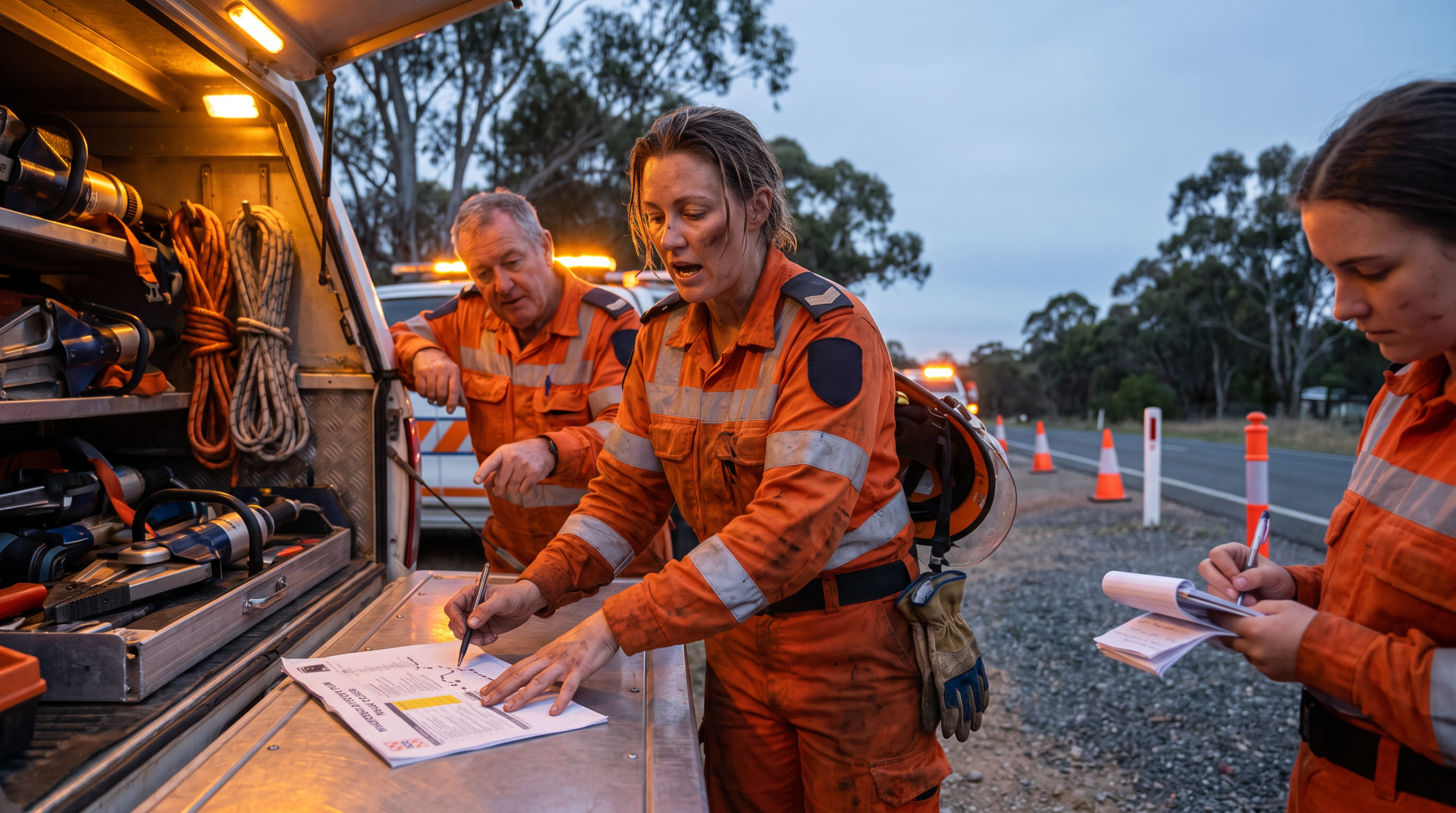
Emergency services personnel similarly demonstrate critical HR-relevant abilities through their professional roles. Police officers, firefighters, paramedics, and other emergency responders regularly engage in team leadership, performance management, training coordination, and high-pressure decision making that directly applies to HR responsibilities.
The RPL process is particularly beneficial for veterans and emergency services personnel as their structured training records and documented competencies often align well with civilian qualification requirements. Many find they can achieve significant credit towards HR qualifications through RPL assessment.
Our veteran-owned RTO understands the unique challenges faced by transitioning service members and emergency services personnel. We provide specialised support throughout the qualification process, ensuring your military or emergency services experience receives appropriate recognition in civilian credentials.
Frequently Asked Questions About HR Training
What qualifications do I need to work in HR?
Entry-level HR roles typically require Certificate III or IV in Human Resources, while management positions usually demand diploma or advanced diploma qualifications. Graduate diplomas are preferred for senior strategic roles.
How long does it take to complete HR training?
Duration varies by qualification level and study mode. Certificate courses take 6-12 months, diplomas require 12-18 months, while RPL can significantly reduce timeframes for experienced professionals.
Can I study HR qualifications online?
Yes, 3CIR offers flexible online delivery for all HR qualifications with comprehensive support materials, virtual classrooms, and experienced trainers available throughout your studies.
What career opportunities exist for HR graduates?
HR qualifications open pathways to recruitment consultant, training coordinator, workplace relations officer, HR advisor, and people and culture manager roles across all industry sectors.
How does RPL work for HR qualifications?
RPL assesses your existing skills and knowledge against qualification standards through portfolio review, professional interviews, and workplace assessment, potentially reducing study requirements significantly.
What discount is available for defence personnel?
Current and former Australian Defence Force members receive a 25% discount on all 3CIR qualifications, recognising their valuable leadership and people management experience.
Are emergency services personnel eligible for discounts?
Yes, all current and former emergency services personnel including police, fire, ambulance, and SES volunteers qualify for the 25% discount on HR training courses.
What employment legislation must HR professionals understand?
HR practitioners must be familiar with Fair Work Act, workplace health and safety legislation, anti-discrimination laws, privacy acts, and relevant industrial awards and enterprise agreements.
Do HR qualifications include workplace health and safety training?
Yes, HR qualifications incorporate WHS compliance, risk assessment, incident management, and safety consultation responsibilities as these are integral to modern HR roles.
What ongoing professional development is required for HR professionals?
HR professionals should engage in continuous learning through industry associations, compliance updates, technology training, and advanced qualifications to maintain current knowledge and skills. You can check your RPL eligibility to find out what qualifications match your experience.
The demand for qualified HR professionals continues growing as organisations recognise people management as a critical success factor. Whether you’re starting your HR career or seeking advancement, formal qualifications provide the knowledge, credibility, and competitive advantage needed in today’s market.
3CIR’s comprehensive HR training programs, combined with flexible delivery options and RPL pathways, make it easier than ever to achieve your professional goals. Our experienced trainers, industry-current curriculum, and ongoing support ensure you receive quality education that translates directly into workplace success.
Don’t let this opportunity pass by. The HR industry needs qualified professionals who understand modern workplace challenges and possess the skills to address them effectively. Your experience combined with formal qualifications creates a powerful combination that employers actively seek.
Start your HR qualification journey today and position yourself for success in Australia’s growing human resources sector.
Additional Resources
Leadership Training: https://youtu.be/7k57ygLXncA
HR Management: https://youtu.be/jLUKTpqOOfU
WHS Training: https://youtu.be/6QHTzXlE5C0
Security Management: https://youtu.be/d20nwpEot8Q
Business Qualifications: https://youtu.be/8P_VySE0zjQ
Marketing Training: https://youtu.be/VdQxJKmgZfs
Government Services: https://youtu.be/PV_knsJnb5E
Project Management: https://youtu.be/kz7CyEsRNyg