
Experience + Education: Why It’s Better To Have Both
AI Summary: Combining practical experience with formal education creates the most powerful career advantage in today’s competitive job market. Having both experience and education gives you credibility on paper to secure interviews while providing the practical skills needed to excel in role performance and salary negotiations.
Understanding Experience and Education in VET
In vocational education and training (VET), experience and education represent two fundamental pathways to career advancement. Experience encompasses practical, hands-on knowledge gained through workplace activities, volunteer work, and real-world application of skills. Education refers to formal learning through structured programs delivered by Registered Training Organisations (RTOs), resulting in nationally recognised qualifications aligned with the Australian Qualifications Framework (AQF). The VET sector recognises both pathways through Recognition of Prior Learning (RPL) processes, allowing experienced professionals to gain formal credentials. This dual approach ensures Australian workers can leverage their existing knowledge while obtaining the qualifications needed for career progression and regulatory compliance.
Why Experience and Education Work Better Together
For many years in the world of employment, the battle has always been about which would land you a better job. Your experience or your education?
What do employers look at in potential candidates before giving them a job offer? What do I need to get promoted, education or experience?
To make things simpler, having both it’s better. Why settle for having one when you can have them both?
The two can help you advance your career or land you that dream job you’ve always wanted.
To expound on the matter, here’s a rundown of how having both would work in your favour rather than having either.
What’s on Paper Gets You in the Door, But Experience Gets You the Offer
Employers, when considering hiring new employees, first look at your credentials. i.e. your education.
Where do you think they’ll look first?
It’s the first thing employers tend to check out when sorting applications. Whether it be work experience or real-life knowledge of a particular field, many companies prefer applicants who need the least supervision and have some relevant background in that area—even if the applicant doesn’t have formal training for a job title!
Your formal qualifications serve as a filtering mechanism in the initial recruitment phase. Human resources departments often use educational requirements as screening criteria, ensuring candidates meet minimum qualification standards before progressing to interview stages. However, once you’re face-to-face with hiring managers, your practical experience becomes the determining factor in their final decision.
This is where Recognition of Prior Learning (RPL) becomes invaluable, allowing you to transform your workplace experience into formal qualifications that satisfy both requirements simultaneously.
How Do You Gain the Ability to Demand Your Salary?
Your school’s reputation could very well already give you an initial price tag but having the work experience and sets of skills and training on the job you are trying to land. Find out more about how to what is RPL.
This may give you some leverage in salary negotiations. When you possess both theoretical knowledge and practical application skills, you become a more valuable asset to employers. Your education demonstrates your commitment to professional development and provides the foundational knowledge required for complex decision-making. Meanwhile, your experience proves you can apply this knowledge effectively in real-world situations.
Salary negotiations become more favourable when you can demonstrate both academic achievements and measurable workplace outcomes. Employers recognise that candidates with dual credentials require less training investment and can contribute immediately to organisational objectives.
What Are the Career Advancement Opportunities?
Career progression opportunities expand significantly when you combine formal qualifications with practical experience. Many senior positions require both elements as prerequisites, particularly in regulated industries where compliance and competency standards are mandated by government bodies like ASQA.
Leadership roles often demand the theoretical understanding that comes from structured education alongside the practical wisdom gained through hands-on experience. This combination enables you to mentor junior staff effectively while making informed strategic decisions based on both academic principles and real-world insights.
Professional development pathways become clearer when you possess both credentials, as employers are more likely to invest in candidates who have already demonstrated commitment to continuous learning through both formal and informal channels.
How Does Industry Recognition Improve With Both?
Industry recognition increases substantially when professionals demonstrate competency through multiple channels. Trade associations, professional bodies, and industry groups often value members who can contribute both theoretical expertise and practical insights to their communities.
Your credibility within professional networks strengthens when colleagues recognise your dual capabilities. This recognition often translates into speaking opportunities, consulting roles, and leadership positions within industry organisations.
The Australian VET system specifically acknowledges this dual value through its competency-based training packages, which combine theoretical learning with practical application to ensure graduates are genuinely work-ready.
Why Is Adaptability Enhanced Through Combined Learning?
Workplace adaptability improves dramatically when you possess both educational foundations and practical experience. The modern Australian workforce faces constant technological changes and evolving industry practices that require both theoretical understanding and practical application skills.
Your educational background provides you with research skills, critical thinking abilities, and foundational knowledge that enable you to understand new concepts quickly. Meanwhile, your practical experience gives you the confidence and problem-solving abilities needed to implement new approaches effectively.
This combination proves particularly valuable during organisational restructuring, technology upgrades, or industry disruptions where both analytical thinking and practical implementation skills are essential for successful adaptation.
Recognition of Prior Learning: Converting Experience into Qualifications
Recognition of Prior Learning (RPL) represents a revolutionary approach to crediting your existing skills and knowledge. Through RPL assessment processes, you can obtain nationally recognised qualifications based on your workplace experience, volunteer activities, and informal learning. For more information, RPL qualifications available.
The RPL process involves comprehensive evaluation of your skills against specific training package requirements. Qualified assessors review your work samples, conduct practical demonstrations, and verify your competencies to ensure they meet Australian industry standards.
This pathway is particularly beneficial for experienced workers who have developed expertise through practical application but lack formal credentials. RPL enables you to gain recognised qualifications without completing full training programs, saving time and costs while acknowledging your existing capabilities.
3CIR specialises in RPL assessments across multiple industry sectors, providing expert guidance throughout the process. Our experienced assessors understand both industry requirements and training.gov.au standards, ensuring your assessment meets all regulatory requirements.
Ready to convert your experience into recognised qualifications? Start your RPL assessment today and discover how your existing skills can become formal credentials.
Veterans and Emergency Services Personnel: Special Recognition
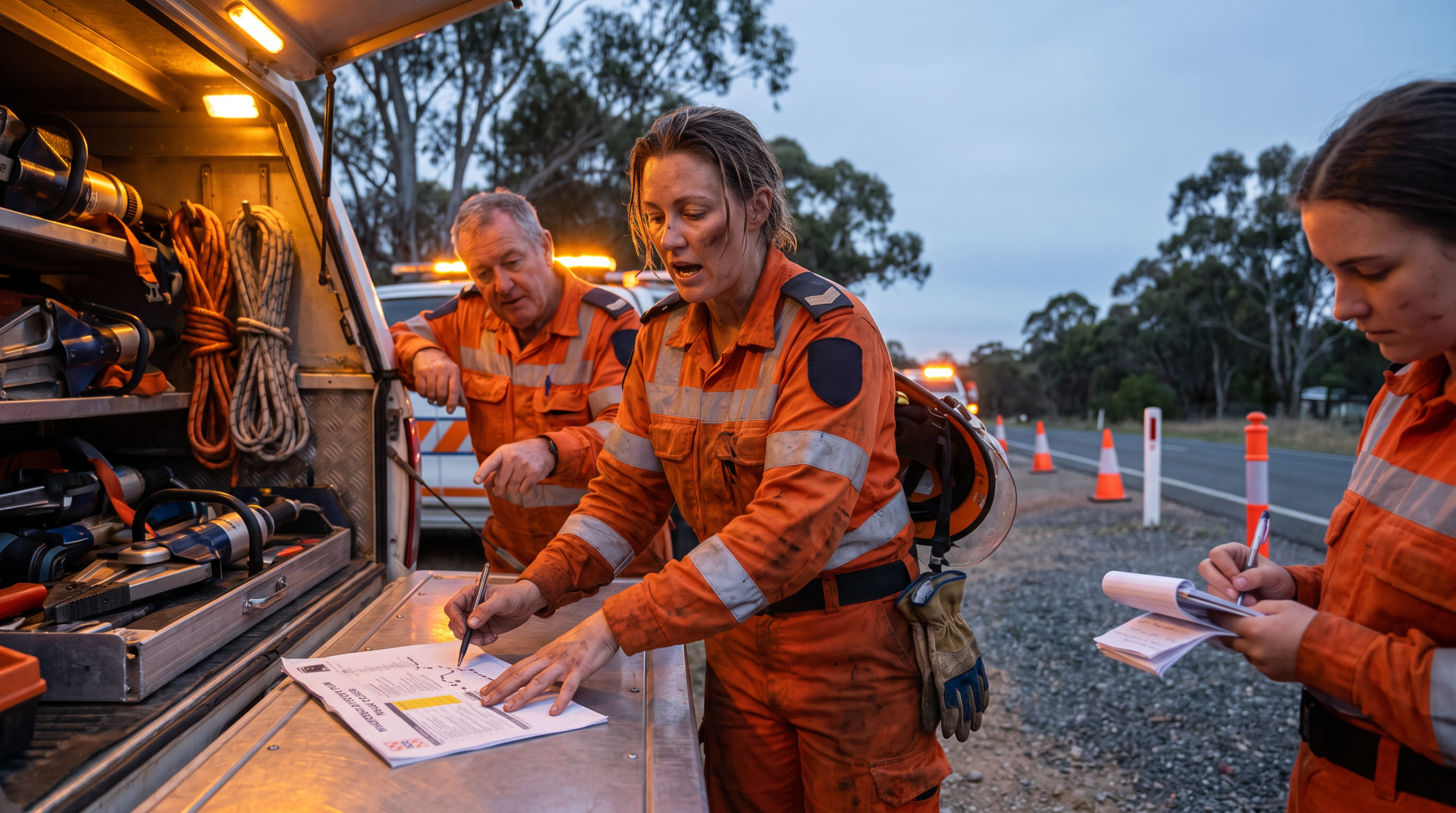
Australian Defence Force (ADF) members and emergency services personnel possess exceptional skills developed through rigorous training and real-world application. These professionals often have extensive experience in leadership, crisis management, logistics, security, and specialised technical areas that directly translate to civilian career opportunities.
3CIR recognises the unique value of military and emergency services experience through specialised RPL pathways designed specifically for these professions. Our assessors understand the complexity of defence and emergency services roles and can effectively map these competencies to civilian qualifications.
Current and former defence and emergency services personnel receive a 25% discount on all 3CIR courses and RPL assessments. This recognition acknowledges your service to Australia while making quality education more accessible as you transition to civilian careers or advance within your current roles.
The combination of your practical defence or emergency services experience with formal civilian qualifications creates powerful career opportunities across multiple industries including government, security, project management, leadership, and business operations.
Many ADF and emergency services personnel find that their practical experience exceeds the requirements for civilian qualifications, making RPL an ideal pathway for rapid career advancement without lengthy study periods.
Frequently Asked Questions
What combination of experience and education works best for career advancement?
The most effective combination includes relevant workplace experience paired with nationally recognised qualifications from registered training organisations. This combination demonstrates both practical competency and theoretical understanding to employers.
How can I balance gaining experience while pursuing formal education?
Consider RPL assessment to convert existing experience into qualifications, part-time study options, or workplace-based learning programs that allow simultaneous experience and education development. Many RTOs offer flexible delivery methods to accommodate working professionals.
Why do employers prefer candidates with both experience and qualifications?
Employers value candidates who require minimal training investment while possessing proven competency. The combination reduces recruitment risks and ensures new employees can contribute immediately while maintaining professional standards required by industry regulations. You can check your RPL eligibility to find out what qualifications match your experience.
How does RPL benefit experienced workers without formal qualifications?
RPL allows experienced workers to obtain nationally recognised credentials based on existing skills and knowledge. This process saves time and costs while providing formal recognition that opens career advancement opportunities previously restricted to qualified candidates.
What industries value the combination of experience and education most highly?
Regulated industries such as healthcare, construction, finance, government, and education particularly value this combination due to compliance requirements. However, most professional sectors recognise the enhanced capability that comes from dual credentials.
How can ADF personnel transition their military experience to civilian qualifications?
ADF personnel can utilise RPL processes specifically designed for military experience. Defence skills in leadership, logistics, security, and technical areas often exceed civilian qualification requirements, making RPL an efficient pathway for career transition.
What advantages do emergency services personnel have in RPL assessments?
Emergency services personnel possess highly developed crisis management, leadership, communication, and technical skills that directly align with civilian qualification requirements. Their practical experience often demonstrates competency levels that exceed standard training program outcomes.
Can workplace experience substitute for formal education in career advancement?
While experience is valuable, many senior positions and regulated roles require formal qualifications as mandatory prerequisites. Combining experience with education through RPL provides the optimal pathway for unrestricted career advancement opportunities.
How do I demonstrate the value of both experience and education to employers?
Create comprehensive portfolios showcasing practical achievements alongside formal credentials. Use specific examples demonstrating how your education enhanced your practical performance and how experience validated your theoretical learning.
What role does continuous professional development play in maintaining competitive advantage?
Continuous professional development ensures your skills remain current with industry changes while demonstrating commitment to excellence. Regular upskilling through both formal learning and practical application maintains your competitive edge throughout your career.
Transform Your Career Today
The synergy between practical experience and formal education creates unparalleled career advantages in today’s competitive employment market. Rather than choosing one over the other, you can leverage both through strategic planning and Recognition of Prior Learning opportunities.
Your experience provides the practical foundation, while formal qualifications offer the credibility and theoretical framework needed for senior positions. This powerful combination positions you for immediate impact in new roles while opening doors to advanced career opportunities.
Don’t let valuable experience go unrecognised. Begin your RPL assessment today and discover how your existing skills can become nationally recognised qualifications that accelerate your career advancement.
Additional Resources
Explore these helpful videos covering various aspects of professional development and career advancement: