
Study and Training Benefits for Employees and Employers in Australia
Study and training provide significant advantages for both employees and employers, enhancing career prospects, workplace productivity, and business success. In today’s competitive job market, formal education and vocational training have become essential for securing employment and advancing careers across all industries.
Understanding Vocational Education and Training in Australia
Vocational Education and Training (VET) represents a comprehensive education system designed to provide practical skills and knowledge directly applicable to specific industries and occupations. The Australian VET system operates under the Australian Qualifications Framework (AQF) and is regulated by the Australian Skills Quality Authority (ASQA). This system encompasses qualifications from Certificate I through to Advanced Diploma levels, delivered by Registered Training Organisations (RTOs) including TAFE institutes and private providers. VET programs focus on competency-based training that aligns with industry standards, ensuring graduates possess the practical skills employers demand. The training.gov.au website serves as the official repository for all nationally recognised training packages, qualifications, and skill sets within the Australian VET sector.
Why Is Professional Training Essential for Career Success?
It has always been very difficult to find work, especially in the corporate world, without having prior training and education in the field one is applying for. That fact is even more so true nowadays. Even jobs wherein individuals are to complete the most menial tasks require persons with at least high school experience. Even then, managers would much rather hire those with post-secondary education.
Of course, for employers to have such prerequisites aren’t just for nothing. Employers are more likely to hire those with training for good reason. In truth, study and training give individuals quite a large amount of benefits, whether said individuals aspire to be or already are employees or employers.
The modern workplace demands increasingly sophisticated skills, and employers seek candidates who demonstrate commitment to professional development. Formal qualifications serve as tangible proof of your competencies, setting you apart in competitive job markets. Start your professional development journey today to unlock these career-enhancing benefits.
How Does Training Benefit Employees in Their Careers?
For employees, it wouldn’t hurt to finish a Vocational Education Training (VET) course and get a formal certificate or diploma. When an employer sees that you have a certificate, they’re far more likely to hire you than an individual who hasn’t taken the time to engage in further education. This is because the employer knows that you’ll perform better.
While the job market in Australia can be competitive, it’s best to stand out on your resume by showing an employer one’s prior studies. Training provides employees with enhanced job security, as skilled workers are less likely to face redundancy during economic downturns. Additionally, formal qualifications often lead to higher starting salaries and faster promotion opportunities. Continuous learning through professional development keeps your skills current with industry trends and technological advances.
Employees who invest in training also experience increased job satisfaction, as they feel more confident and capable in their roles. This confidence translates into better performance, which employers recognise and reward. Furthermore, many organisations offer internal training programs and career development pathways for qualified staff members.
What Advantages Do Employers Gain from Trained Staff?
This doesn’t mean just for employees; even business owners would benefit from including a formal qualification like a diploma or degree to succeed and grow their companies further! Australia has a large economy that frequently requires skilled professionals across various sectors.
Employers who hire trained staff benefit from reduced recruitment costs, as skilled employees require less initial training and can contribute productively sooner. Trained employees make fewer mistakes, leading to improved quality control and customer satisfaction. They also demonstrate higher levels of initiative and problem-solving capabilities, reducing the need for constant supervision. Find out more about how to getting started with RPL.
Moreover, having qualified staff enhances a company’s reputation and credibility within the industry. Clients and customers have greater confidence in businesses that employ certified professionals. This trust can lead to increased business opportunities and stronger client relationships. Employers also find that trained staff are more adaptable to change and can help implement new technologies and processes more effectively.
Training investments often result in improved employee retention rates, as staff feel valued and see clear career progression paths within the organisation. This reduces turnover costs and maintains institutional knowledge within the company.
How Does VET Training Align with Industry Needs?
The VET sector works closely with industry bodies to ensure qualifications remain relevant and meet current workplace requirements. Training packages are regularly reviewed and updated to reflect technological advances, regulatory changes, and evolving job roles. This close industry alignment means that VET graduates possess the exact skills that employers need, making them immediately valuable to potential employers.
Industry consultation processes involve employers, unions, and professional associations in determining the competencies required for specific roles. This collaborative approach ensures that training outcomes match real-world job requirements. The training.gov.au website provides comprehensive information about current training packages and their industry alignment.
Workplace learning opportunities, including apprenticeships and traineeships, further strengthen the connection between education and employment. These programs allow learners to gain practical experience while completing their formal qualifications, ensuring they understand both theoretical concepts and practical applications.
Recognition of Prior Learning: Fast-Track Your Qualifications
Recognition of Prior Learning (RPL) offers an efficient pathway for experienced workers to gain formal qualifications based on their existing skills and knowledge. This process acknowledges that valuable learning occurs through work experience, informal training, and life experiences, not just formal education.
RPL assessment involves demonstrating your current competencies against the requirements of specific qualifications. This can include providing work samples, undergoing practical assessments, or completing written assignments that showcase your knowledge. The process significantly reduces the time and cost required to achieve formal qualifications.
For professionals with extensive experience but without formal credentials, RPL provides recognition for their expertise while meeting industry certification requirements. This is particularly valuable for supervisors, managers, and technical specialists who have developed skills through practical application rather than classroom learning.
RTOs like 3CIR specialise in RPL assessments, providing guidance and support throughout the process. Our experienced assessors understand various industry contexts and can help identify the most appropriate qualification pathway for your experience level. Submit your RPL application to explore your qualification options.
Supporting Our Veterans: Specialised Training Pathways
Veterans and emergency services personnel possess unique skills and experiences that translate exceptionally well into civilian careers. However, the challenge often lies in converting military training and experience into recognised civilian qualifications that employers understand and value. For more information, understanding RPL.
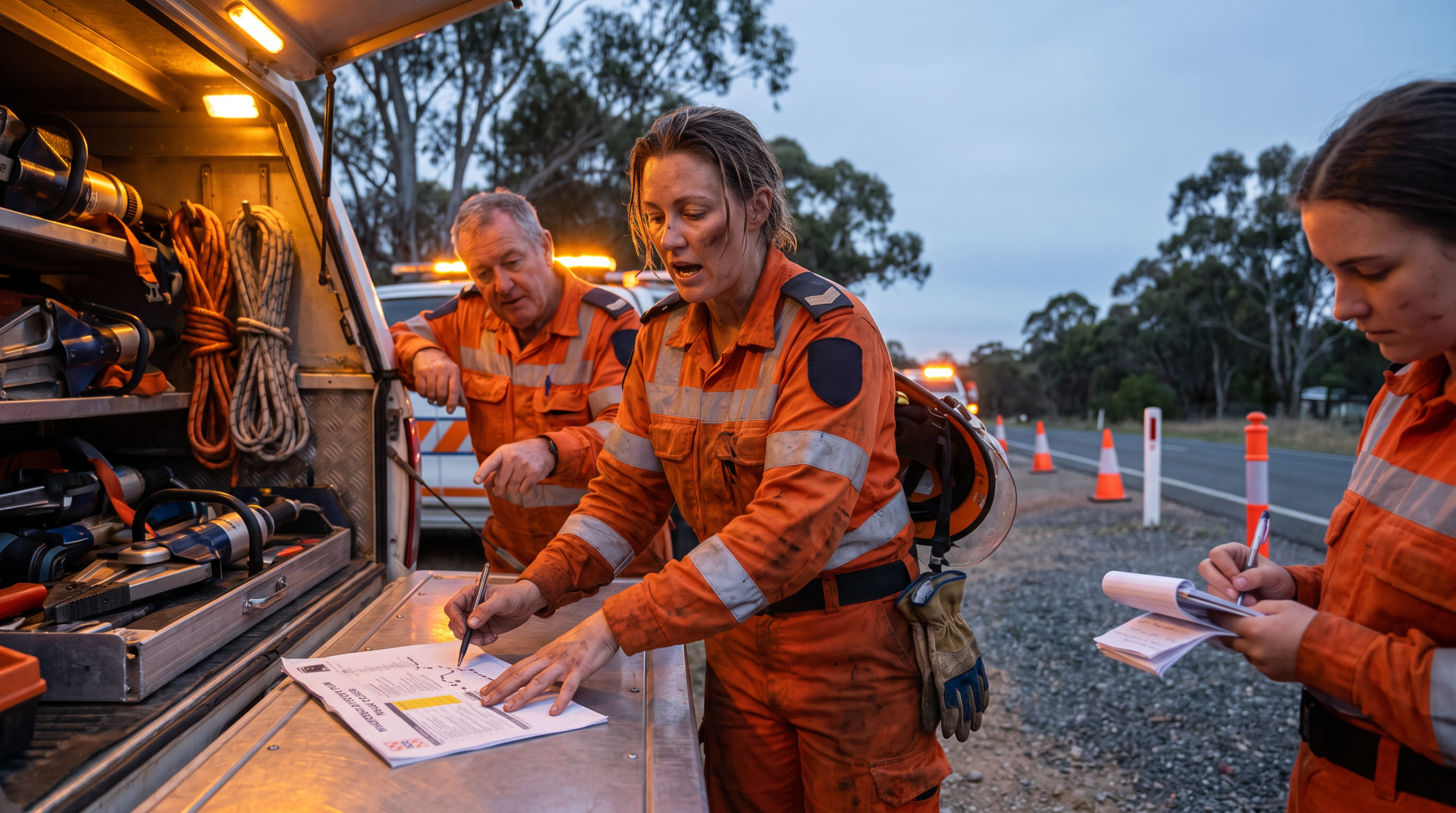
3CIR recognises the invaluable service provided by our defence personnel and emergency services workers. As a veteran-owned RTO, we understand the transition challenges faced by service members entering civilian employment. Our specialised RPL programs are designed specifically for ADF personnel, police, firefighters, paramedics, and other emergency services professionals.
Military experience often encompasses leadership, project management, logistics, security, and technical skills that align with various civilian qualifications. Our assessment process recognises the depth and quality of military training, providing pathways to formal certifications in business, leadership, security, and other relevant fields.
We proudly offer a 25% discount on all our services for current and former defence and emergency services personnel. This discount acknowledges your service while making quality education more accessible during your career transition. Our team includes veterans who understand the unique challenges of translating military experience into civilian credentials.
The transition from military to civilian careers can be challenging, but formal qualifications help bridge this gap by providing employers with familiar credentials that represent your capabilities. Contact us today to discuss how we can help recognise your valuable service experience.
Frequently Asked Questions About Training Benefits
What types of training provide the most career benefits?
Nationally recognised VET qualifications provide the most career benefits as they’re standardised across Australia and recognised by all employers. Industry-specific certifications, leadership training, and digital skills development are particularly valuable in today’s job market.
How long does it typically take to complete VET training?
VET training duration varies depending on the qualification level and delivery mode. Certificate courses can take 6-12 months, while diploma programs typically require 12-24 months. RPL can significantly reduce this timeframe for experienced professionals.
Can I study while working full-time?
Yes, many VET programs offer flexible delivery options including online learning, evening classes, and part-time schedules. This flexibility allows working professionals to upskill without interrupting their current employment.
What financial support is available for VET training?
Various funding options exist including government subsidies, employer sponsorship, and payment plans. Veterans and emergency services personnel may be eligible for additional support and our 25% service discount.
How do employers view online qualifications versus face-to-face training?
Employers view nationally recognised qualifications equally regardless of delivery mode, as long as they meet ASQA standards. The focus is on competency achievement rather than how the skills were acquired.
What qualifications are most valuable for ADF personnel transitioning to civilian careers?
Business, leadership, project management, and security qualifications are highly valuable for ADF personnel. These align well with military experience while providing credentials that civilian employers readily understand and value. You can start your free assessment to find out what qualifications match your experience.
How does RPL work for emergency services personnel?
Emergency services personnel can use their operational experience, training records, and practical skills as evidence for RPL assessment. This includes incident management, leadership roles, technical expertise, and training delivery experience.
Are there specific industries that particularly value VET qualifications?
Construction, healthcare, automotive, hospitality, and business services highly value VET qualifications. These industries often prefer practical, competency-based training over theoretical academic education.
How often should professionals update their training and qualifications?
Professionals should review their qualifications every 3-5 years or when changing roles significantly. Rapid technological change means some fields require more frequent upskilling to remain current and competitive.
What’s the difference between training and education in career development?
Training focuses on specific job-related skills and competencies, while education provides broader theoretical knowledge. VET combines both approaches, offering practical skills within an educational framework that supports career progression.
Investing in study and training represents one of the most valuable decisions you can make for your career. Whether you’re an employee seeking advancement or an employer building a skilled workforce, the benefits of formal qualifications extend far beyond the classroom. The Australian VET system provides numerous pathways to achieve your professional goals, with flexible options that accommodate different learning styles and career stages.
For more information about how Australian qualifications can enhance your career prospects, explore the comprehensive resources available through official education channels. Take the next step in your professional development journey and discover how formal training can unlock new opportunities and career growth.
Ready to advance your career through recognised training? Start your qualification assessment today and join thousands of professionals who have enhanced their careers through quality vocational education and training.
Related Training Resources
Explore our comprehensive video library covering essential professional skills:
- Leadership Development: https://youtu.be/7k57ygLXncA
- Human Resources Management: https://youtu.be/jLUKTpqOOfU
- Workplace Health and Safety: https://youtu.be/6QHTzXlE5C0
- Security Operations: https://youtu.be/d20nwpEot8Q
- Business Administration: https://youtu.be/8P_VySE0zjQ
- Marketing Fundamentals: https://youtu.be/VdQxJKmgZfs
- Government Services: https://youtu.be/PV_knsJnb5E
- Project Management: https://youtu.be/kz7CyEsRNyg