
Why Human Resources Are the Future: Enhance Your Career with 3CIR
Human Resources professionals drive organisational success through strategic people management, talent acquisition, and workplace culture development. With businesses prioritising employee engagement and well-being, skilled HR practitioners are essential for modern organisations seeking competitive advantage.
What is Human Resources?
Human Resources (HR) is the strategic business function responsible for managing an organisation’s workforce and optimising human capital to achieve business objectives. HR professionals oversee recruitment, training, performance management, employee relations, compensation, and organisational development. Modern HR has evolved from administrative support to strategic partnership, focusing on talent management, workplace culture, compliance with employment law, and employee engagement initiatives. The field encompasses workforce planning, change management, diversity and inclusion programs, and technological integration to enhance employee experiences. HR professionals serve as intermediaries between management and employees, ensuring organisational goals align with workforce capabilities while maintaining legal compliance and ethical standards. This function is critical across all industries, from small businesses to multinational corporations.
Human Resources (HR) has become indispensable in today’s rapidly evolving workplace environment, shaping businesses and organisations from coast to coast. No longer seen simply as an administrative function for recruiting and payroll processing, HR now plays a strategic role in driving organisational success. With companies prioritising employee well-being, engagement, and development as key goals for organisational success, skilled HR professionals are in high demand – that’s where 3CIR comes in, with cutting-edge training designed to help you excel in this dynamic field.
What Makes Human Resources Essential for Modern Organisations?
Human resources professionals are at the core of modern organisations. Their role involves supporting employees’ needs while upholding the company’s mission and values, from recruiting top talent to cultivating a positive workplace environment; their responsibilities extend far beyond administrative duties. With rapid technological developments constantly shifting workplace expectations, businesses require qualified HR specialists who can navigate changes effectively while confidently leading.
The digital transformation has revolutionised how HR professionals operate, introducing artificial intelligence for recruitment, data analytics for performance management, and cloud-based systems for employee self-service. Business administration skills complement HR expertise, enabling professionals to understand broader organisational context and contribute to strategic decision-making processes.
Ready to advance your HR career? Complete your RPL assessment today to fast-track your qualifications through recognition of your existing experience.
How is Technology Transforming HR Practices?
Technology integration has fundamentally changed HR operations, creating opportunities for data-driven decision making and streamlined processes. Modern HR professionals utilise applicant tracking systems, learning management platforms, and performance analytics tools to enhance efficiency and employee experiences. These technological advances require HR practitioners to develop digital literacy alongside traditional people management skills.
Artificial intelligence and machine learning applications now assist with candidate screening, predictive analytics for employee retention, and personalised learning recommendations. HR professionals who embrace these technologies while maintaining human-centred approaches position themselves as valuable strategic partners within their organisations.
What Career Opportunities Exist in Human Resources?
Are You Exploring Human Resources (HR)?
Aspiring or Experienced Professionals Looking for Growth Opportunities, 3CIR’s Training programs, including its Certificate IV in HR program, are designed to give you the edge needed to meet the challenges and opportunities in this growing industry. Our expert training provides comprehensive online learning options and everything you need to succeed in HR today and tomorrow. Find out more about how to nationally recognised qualifications through RPL.
The HR field offers diverse career pathways, from generalist roles in small organisations to specialised positions in large corporations. Career progression opportunities include HR coordinator, advisor, manager, and director positions. Specialisation areas encompass talent acquisition, learning and development, compensation and benefits, employee relations, and organisational development.
According to the Australian Government Training.gov.au platform, HR qualifications align with national competency standards, ensuring graduates meet industry requirements. The Australian Qualifications Framework provides clear pathways for professional development in HR.
Why Choose Human Resources as Your Career Path?
Human resources offers many rewarding and essential career opportunities that combine business acumen with people-focused impact. HR professionals enjoy job security, competitive salaries, and the satisfaction of positively influencing workplace culture and employee development. The field provides continuous learning opportunities as employment law, technology, and workplace trends evolve.
The versatility of HR skills enables professionals to work across industries, from healthcare and education to manufacturing and technology sectors. This flexibility provides career resilience and opportunities for diverse experiences throughout one’s professional journey.
What Skills Do Successful HR Professionals Need?
Successful HR professionals combine technical knowledge with interpersonal skills to manage complex workplace situations. Essential competencies include understanding employment law, data analysis capabilities, conflict resolution skills, and strategic thinking abilities. Communication skills remain paramount, as HR professionals regularly interact with employees at all organisational levels.
Modern HR roles also require technological proficiency, project management capabilities, and cultural awareness to support diverse workforces. Leadership and management skills complement HR expertise, enabling professionals to influence organisational change and drive strategic initiatives.
How Does 3CIR Prepare You for HR Success?
3CIR’s comprehensive HR training programs combine theoretical knowledge with practical applications, preparing graduates for immediate workplace contribution. Our nationally recognised qualifications meet industry standards while providing flexible learning options for working professionals.
The curriculum covers contemporary HR practices, including digital HR tools, workplace diversity initiatives, and strategic workforce planning. Students benefit from experienced trainers who bring real-world expertise to the learning environment, ensuring relevant and current knowledge transfer.
Recognition of Prior Learning (RPL) for HR Professionals
Recognition of Prior Learning (RPL) enables experienced professionals to gain formal qualifications based on their existing knowledge and skills. This VET pathway recognises workplace experience, informal training, and life experiences that align with qualification requirements. RPL assessments evaluate competency against national training package standards, providing credit for demonstrated abilities.
For HR professionals with substantial experience but lacking formal qualifications, RPL offers an efficient pathway to certification. The process involves portfolio preparation, competency mapping, and skills assessment to demonstrate proficiency in required areas. 3CIR’s RPL specialists guide candidates through this process, ensuring comprehensive documentation and successful outcomes. For more information, learn how RPL works.
The RPL process typically involves workplace evidence collection, third-party verification, and practical demonstrations of competency. This approach recognises that learning occurs in various contexts beyond traditional classroom settings, validating real-world experience within the Australian Qualifications Framework.
Start your RPL journey today by submitting your assessment form to discover how your experience translates to formal qualifications.
Special Recognition for Veterans and Emergency Services Personnel
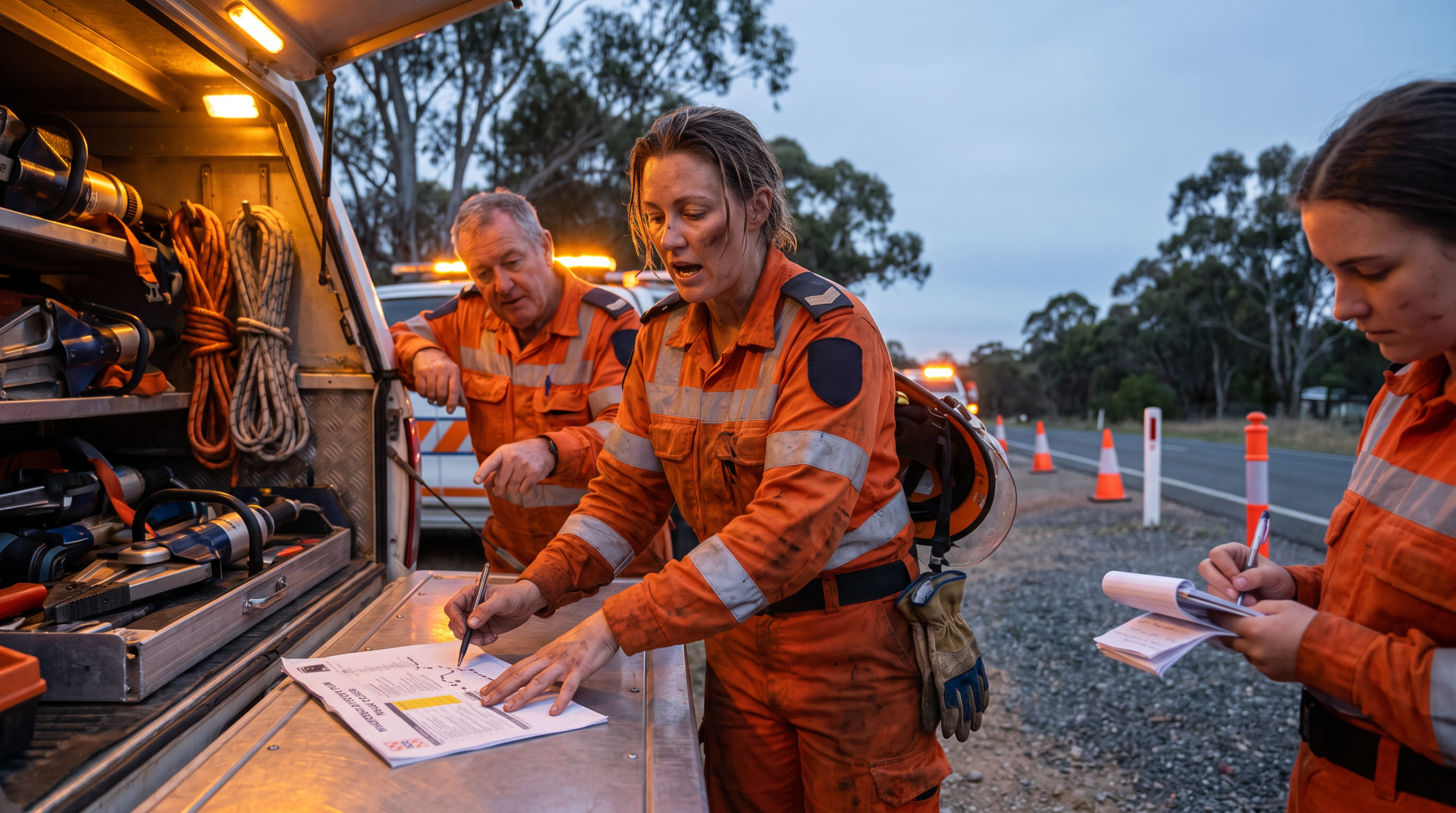
3CIR proudly supports current and former Australian Defence Force (ADF) members and emergency services personnel with a 25% discount on all training programs. This recognition acknowledges the valuable leadership, teamwork, and problem-solving skills developed through military and emergency services experience.
Veterans and emergency services professionals possess transferable skills highly valued in HR roles, including crisis management, personnel coordination, training delivery, and regulatory compliance. These competencies align well with HR responsibilities, making career transition achievable and rewarding.
The structured environment and clear protocols familiar to military and emergency services personnel translate effectively to HR compliance and policy implementation roles. Many veterans find fulfillment in HR careers that utilise their people management experience while contributing to civilian workplace success.
Our veteran-friendly approach includes flexible learning arrangements, recognition of military training, and career transition support. 3CIR understands the unique challenges faced during career transitions and provides dedicated support to ensure successful outcomes.
Frequently Asked Questions About HR Careers
What qualifications do I need to start an HR career?
Entry-level HR positions typically require a Certificate IV in Human Resources or equivalent qualification. Higher-level roles may require diploma or degree-level qualifications, though experience often compensates for formal education requirements.
How long does it take to complete HR training at 3CIR?
Training duration varies by qualification level and study mode. Certificate IV programs typically take 6-12 months, while diploma qualifications may require 12-18 months, depending on prior experience and study intensity.
Can I study HR qualifications online?
Yes, 3CIR offers comprehensive online HR training programs that provide flexibility for working professionals. Online delivery includes interactive content, virtual workshops, and ongoing trainer support throughout your studies. You can check your RPL eligibility to find out what qualifications match your experience.
What career progression opportunities exist in HR?
HR careers offer clear progression pathways from coordinator to advisor, manager, and director levels. Specialisation opportunities include recruitment, training, industrial relations, and strategic HR consulting roles across various industries.
How does ADF experience translate to HR careers?
Military experience provides valuable HR-relevant skills including personnel management, training coordination, policy compliance, and leadership development. These competencies directly align with civilian HR responsibilities, facilitating successful career transitions.
What support does 3CIR provide for emergency services personnel?
Emergency services personnel receive 25% training discounts, recognition of prior learning opportunities, and career transition guidance. Our trainers understand the unique skills emergency services professionals bring to HR roles.
Is there demand for HR professionals in Australia?
Yes, HR professional demand continues growing as organisations recognise the strategic value of effective people management. Skills shortages in specialised HR areas create excellent opportunities for qualified professionals.
What technology skills are important for modern HR roles?
Modern HR professionals need proficiency in HRIS systems, data analytics tools, social media platforms for recruitment, and learning management systems. Digital literacy enhances efficiency and strategic contribution capabilities.
Can I use RPL to fast-track my HR qualifications?
Yes, experienced professionals can utilise Recognition of Prior Learning to gain credit for existing skills and knowledge. RPL assessment evaluates competency against qualification requirements, potentially reducing study time significantly.
What ongoing professional development opportunities exist in HR?
HR professionals can pursue advanced qualifications, attend industry conferences, join professional associations, and complete specialisation courses. Continuous learning ensures currency with evolving workplace practices and legal requirements.
Transform your career prospects today. Apply for RPL assessment and discover how 3CIR can accelerate your journey to HR professional success.