
A Career in Workplace Health and Safety: Your Complete Guide to WHS Qualifications and Opportunities
Workplace Health and Safety (WHS) careers offer excellent opportunities in Australia’s growing safety industry. You can enter this field through Certificate III, IV, Diploma, or Advanced Diploma qualifications, with Recognition of Prior Learning (RPL) available for ADF and emergency services personnel through nationally recognised training.
What is Workplace Health and Safety?
Workplace Health and Safety (WHS) is a multidisciplinary field focused on the safety, health, and welfare of people engaged in work or employment. In Australia, WHS encompasses the legal framework, risk management practices, and systematic approaches designed to prevent work-related injuries, illnesses, and fatalities. The field operates under national harmonised work health and safety laws, establishing consistent standards across Australian jurisdictions. WHS professionals develop, implement, and monitor safety policies, conduct risk assessments, investigate incidents, and ensure regulatory compliance. This critical industry supports all sectors of the Australian economy, from construction and manufacturing to healthcare and office environments, making it an essential component of sustainable business operations and worker protection.
Why Choose a Career in Workplace Health and Safety?
Within Australia, managing the risks to work health and safety (WHS) remains a high priority in many fields of work. As a result, the need for qualified workers in the work health and safety (WHS) field increases yearly. Considered one of the most important industries, its continual growth increases the demand for WHS personnel and workers yearly.
The WHS industry offers exceptional job security and career progression opportunities. You’ll find employment across diverse sectors including construction, mining, manufacturing, healthcare, education, and government. The growing emphasis on workplace safety compliance means organisations actively seek qualified WHS professionals to protect their workforce and maintain regulatory standards.
Your role in workplace health and safety directly impacts people’s lives and wellbeing. You’ll contribute to creating safer work environments, reducing workplace injuries, and potentially saving lives through effective safety management systems. This meaningful work provides professional satisfaction whilst offering competitive salaries and advancement opportunities.
Start your WHS career journey today with our RPL assessment to discover how your existing skills can translate into formal qualifications.
What Qualifications Do You Need for WHS Careers?
To begin working in this industry, you need to get qualified. There are several courses available, each designed to meet different career goals and experience levels. The Australian Qualifications Framework (AQF) provides a structured pathway for WHS education:
- BSB30715 Certificate III in Work Health and Safety
- BSB41415 Certificate IV in Work Health and Safety
- BSB51315 Diploma of Work Health and Safety
- BSB60615 Advanced Diploma of Work Health and Safety
Each qualification builds upon the previous level, providing increasingly sophisticated knowledge and skills. The Certificate III provides foundational WHS knowledge suitable for workers and team leaders. Certificate IV targets supervisory roles and safety representatives. The Diploma prepares you for WHS coordinator and advisor positions, whilst the Advanced Diploma develops expertise for senior management and consultancy roles.
These qualifications are delivered under training.gov.au training packages, ensuring industry relevance and national recognition. The structured approach allows you to progress through qualifications as your career develops.
How Can ADF and Emergency Services Personnel Transition to WHS?
The Recognition of Prior Learning (RPL) process at 3CIR is tailored to current and ex-military personnel. Whether you have had a career in the Army, Navy, Air Force or emergency services, you can utilise the skillsets you already have through your military service. Skills, experience and knowledge can be transferred and acknowledged as part of the RPL process.
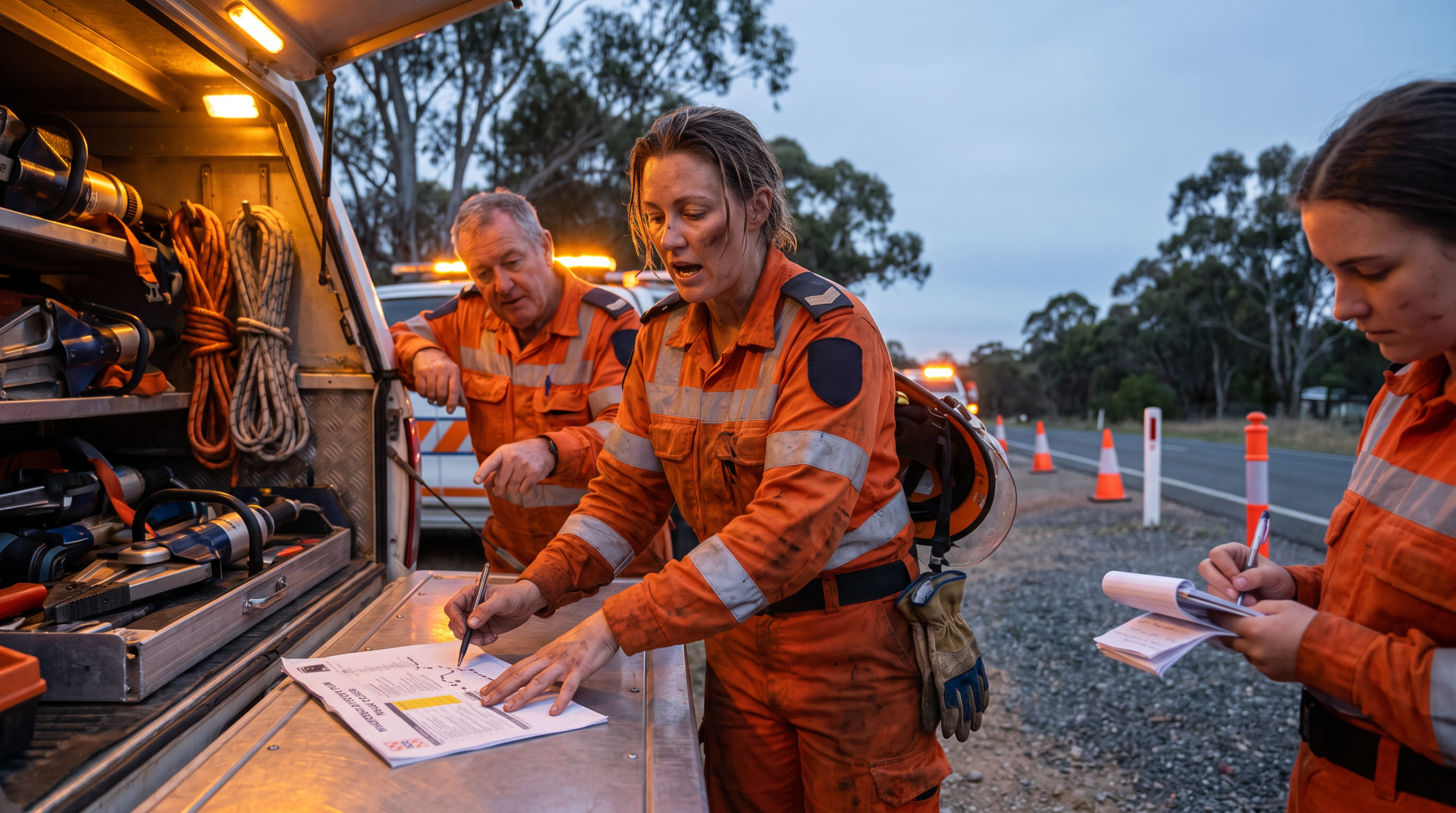
Military and emergency services experience provides excellent foundation skills for WHS careers. Your background in risk assessment, safety protocols, incident management, and leadership directly translates to workplace health and safety requirements. The disciplined approach to procedures, attention to detail, and understanding of safety-critical environments makes veterans highly valued in the WHS industry.
3CIR covers Army RPL, Navy RPL, Air Force RPL and Emergency Services RPL. This specialised approach recognises the unique skills and experience gained through defence and emergency services careers, potentially reducing your study time and fast-tracking your qualification completion.
What Career Pathways Are Available in Workplace Health and Safety?
One of the advantages of qualifying in the Work Health and Safety industry is the variety of fields it can be used in. The career pathways available to you include diverse opportunities across multiple industries and sectors. Find out more about how to WHS qualifications through RPL.
Entry-level positions include WHS Officers, Safety Representatives, and Safety Coordinators. These roles involve implementing safety procedures, conducting workplace inspections, and supporting safety committees. With experience, you can progress to WHS Advisor or Specialist positions, focusing on risk assessment, policy development, and regulatory compliance.
Senior career opportunities include WHS Manager, Safety Consultant, or Regional Safety Manager roles. These positions involve strategic safety planning, managing safety teams, and providing expert advice to executive management. The highest levels include Chief Safety Officer or Director of Safety positions in large organisations.
Industry specialisation opportunities exist in construction safety, mining safety, healthcare safety, chemical safety, and aviation safety. Each sector requires specific knowledge and offers unique challenges and rewards. You can also pursue consultancy work, providing specialist advice to multiple organisations.
Explore your WHS career options with our free RPL assessment to understand which pathway suits your background and goals.
What Skills and Knowledge Will You Develop?
WHS qualifications develop comprehensive skills essential for effective safety management. You’ll master risk management methodologies, learning to identify, assess, and control workplace hazards. Understanding of Australian work health and safety legislation provides the foundation for regulatory compliance and legal responsibilities.
Incident investigation techniques enable you to determine root causes and implement preventive measures. Communication skills development focuses on safety training delivery, stakeholder engagement, and report writing. You’ll learn to design and implement safety management systems that integrate with organisational objectives.
Technical knowledge includes understanding of safety equipment, ergonomics principles, chemical safety, and environmental health factors. Project management skills support safety initiative implementation and continuous improvement processes. Leadership capabilities enable you to influence safety culture and drive organisational change.
Emergency response planning and crisis management skills prepare you for serious incidents and business continuity challenges. Data analysis and reporting capabilities support evidence-based decision making and performance measurement in safety management.
How Do You Choose the Right WHS Qualification Level?
Selecting the appropriate WHS qualification depends on your current experience, career goals, and intended role level. Consider your existing background, time availability, and professional aspirations when making your choice.
Certificate III suits individuals new to WHS or those in worker/team leader roles. This qualification provides essential safety knowledge and practical skills for workplace application. It’s ideal if you’re transitioning from another field or starting your safety career.
Certificate IV targets supervisory positions and safety representative roles. Choose this level if you have some workplace experience and want to take on safety leadership responsibilities. It’s suitable for those seeking promotion within their current organisation.
Diploma level prepares you for professional WHS roles including coordinators, advisors, and specialists. This qualification suits experienced workers ready for significant safety responsibilities or those seeking career change to specialist WHS positions.
Advanced Diploma develops senior-level expertise for management and consultancy roles. Consider this level if you have substantial experience and aspire to strategic safety leadership positions or independent consultancy work.
Understanding Recognition of Prior Learning (RPL) for WHS
Recognition of Prior Learning (RPL) offers an efficient pathway to formal WHS qualifications by acknowledging your existing skills, knowledge, and experience. This VET process evaluates your current capabilities against qualification requirements, potentially reducing study time and assessment requirements.
RPL is particularly valuable for experienced workers who have developed WHS competencies through employment, military service, or volunteer work. The process involves gathering evidence of your current abilities through work samples, references, and practical demonstrations. This evidence is assessed against the qualification standards to determine credit recognition.
The RPL process at 3CIR involves initial consultation to understand your background and goals. You’ll receive guidance on evidence collection and portfolio development. Experienced assessors evaluate your submission against training.gov.au qualification standards to determine appropriate credit recognition.
Benefits of RPL include faster qualification completion, cost savings, and recognition of existing expertise. You’ll receive the same nationally recognised qualification as traditional students, but with a pathway that respects your prior learning and experience.
Submit your RPL assessment form to begin the process of converting your experience into formal qualifications.
Support for Veterans and Emergency Services Personnel
3CIR proudly supports Australia’s veterans and emergency services personnel with specialised recognition programs and significant financial benefits. Understanding the unique challenges of transitioning from military or emergency services to civilian careers, we provide tailored support throughout your qualification journey.
Current and former defence personnel and emergency services workers receive a 25% discount on all qualification programs. This substantial saving recognises your service contribution and reduces financial barriers to career transition. The discount applies to all WHS qualifications and related training programs.
Our veteran support extends beyond financial assistance. Specialist RPL assessors understand military and emergency services experience, ensuring appropriate recognition of your skills and knowledge. We recognise leadership experience, safety protocols knowledge, risk assessment capabilities, and incident management expertise developed through service careers.
The transition support includes career guidance, industry networking opportunities, and ongoing mentorship. Our team understands the unique strengths veterans bring to workplace health and safety roles and helps translate these advantages into civilian career success.
3CIR’s partnership with Asset College (RTO 31718) ensures compliance with ASQA standards whilst maintaining focus on veteran-specific needs. This approach provides quality training with understanding of military and emergency services backgrounds.
Frequently Asked Questions About WHS Careers
What is the average salary for WHS professionals in Australia?
WHS professionals earn competitive salaries ranging from a competitive salary for entry-level positions to a competitive salary+ for senior management roles. Salaries vary by location, industry, experience level, and qualification level. Mining, construction, and manufacturing typically offer higher compensation packages. You can start your free assessment to find out what qualifications match your experience.
How long does it take to complete WHS qualifications?
Qualification timeframes vary by level and study mode. Certificate III typically takes 6-12 months, Certificate IV takes 8-15 months, Diploma takes 12-18 months, and Advanced Diploma takes 18-24 months. RPL can significantly reduce these timeframes for experienced candidates.
Can I study WHS qualifications online?
Yes, 3CIR offers online delivery for all WHS qualifications across Australia, with face-to-face options available in Brisbane. Online study provides flexibility for working professionals whilst maintaining quality educational outcomes through interactive learning platforms and expert support.
What RPL opportunities exist for ADF personnel transitioning to WHS?
ADF personnel have excellent RPL opportunities due to their extensive safety training, risk assessment experience, and leadership background. Military experience in safety protocols, incident investigation, and team management directly aligns with WHS qualification requirements, often enabling significant credit recognition.
Are WHS qualifications recognised across all Australian states?
Yes, WHS qualifications delivered under the national VET system are recognised across all Australian states and territories. The harmonised work health and safety legislation ensures consistent standards and mutual recognition of qualifications for employment and further study purposes.
What ongoing professional development is required in WHS?
WHS professionals benefit from ongoing professional development to maintain current knowledge of legislation changes, emerging technologies, and best practices. Many pursue membership with professional bodies, attend industry conferences, and complete refresher training to maintain competitive advantages.
How does emergency services experience translate to WHS roles?
Emergency services experience provides excellent foundation skills including risk assessment, emergency response, incident management, and public safety knowledge. These competencies directly transfer to workplace health and safety requirements, making emergency services personnel highly valued in WHS careers.
What industries have the highest demand for WHS professionals?
Construction, mining, manufacturing, healthcare, and government sectors show consistently high demand for qualified WHS professionals. These industries face significant safety risks and regulatory requirements, creating ongoing employment opportunities for qualified practitioners at all career levels.
Can I specialise in specific areas of workplace health and safety?
Yes, you can specialise in areas such as construction safety, chemical safety, ergonomics, industrial hygiene, or safety management systems. Specialisation often requires additional training and experience but provides opportunities for higher remuneration and expert status.
What support is available for career changers entering WHS?
3CIR provides comprehensive support for career changers including RPL assessment, flexible study options, career guidance, and industry connections. Our experienced team helps identify transferable skills and develops personalised learning pathways for successful career transition.
Take the first step towards your WHS career today by completing our comprehensive RPL assessment. Our expert team will evaluate your experience and guide you towards the most efficient qualification pathway for your goals.