
Upskill in Your Craft with a Diploma Qualification
A diploma qualification serves as your pathway to advanced career opportunities and higher education in your chosen specialist field. These nationally recognised qualifications equip you with essential knowledge, practical skills, and problem-solving abilities needed for professional success and career advancement.
What is a Diploma Qualification?
A diploma qualification is an Australian Qualifications Framework (AQF) Level 5 or 6 credential that provides comprehensive vocational training in specialist fields. Delivered by registered training organisations (RTOs), diploma courses combine theoretical knowledge with practical application, preparing graduates for skilled employment or further study. These qualifications typically require 12-24 months of full-time study equivalent and are recognised across Australia by employers and educational institutions. Diploma qualifications bridge the gap between certificate-level training and bachelor’s degree programs, offering students advanced technical skills and industry-specific expertise essential for career progression.
Why Choose a Diploma Qualification for Career Advancement?
A diploma qualification serves as a gateway to higher education in the specialist area of your choice. It equips you with the knowledge and problem-solving skills needed to succeed in today’s competitive job market. A diploma course is highly recommended to improve and expand your knowledge in a particular field, helping to take your career to the next level through comprehensive skill development.
As the saying goes, “Education is the passport to success.” Completing a diploma qualification will open up a world full of opportunities for career advancement. You could pursue a profession you did not even think was possible. Hence, a diploma-level certification is just what you need to learn essential skills in your desired field.
The qualification ensures that you have a solid foundation for a new career whilst discovering more about how your selected industry operates. This comprehensive understanding becomes invaluable when navigating complex workplace challenges and making strategic career decisions.
Start Your RPL Assessment Today
How Do Diploma Qualifications Enhance Your Professional Skills?
The practical knowledge and skills you gain through diploma studies allow you to take up entry-level positions and advance your career systematically. These qualifications focus on industry-relevant competencies that employers actively seek in their workforce.
Diploma programs integrate real-world scenarios with academic learning, ensuring graduates can immediately contribute to their chosen field. You’ll develop critical thinking abilities, technical expertise, and leadership capabilities that distinguish you from other candidates in competitive job markets.
Furthermore, diploma qualifications often include workplace learning components, internships, or practical placements that provide direct industry experience. This hands-on approach ensures you graduate with not only theoretical knowledge but also practical application skills that employers value highly.
What Career Pathways Does a Diploma Open?
Diploma qualifications create pathways to diverse career opportunities across multiple industries. From business administration and project management to security and investigations, these credentials provide the specialised knowledge required for professional advancement.
Many diploma graduates successfully transition into supervisory or management roles within their organisations. The advanced problem-solving skills and industry knowledge gained through diploma studies prepare you for increased responsibilities and leadership positions.
Additionally, diploma qualifications often provide direct pathways into university degree programs through credit transfer arrangements. This means you can continue your educational journey without repeating previously studied material, saving both time and money while pursuing higher qualifications. Find out more about how to diploma qualifications through RPL.
Which Industries Benefit Most from Diploma-Qualified Professionals?
Government agencies, security organisations, healthcare facilities, and business enterprises actively recruit diploma-qualified professionals. These industries recognise the value of comprehensive vocational training in developing competent, skilled workers who can contribute immediately to organisational success.
The construction, information technology, and human resources sectors also demonstrate high demand for diploma graduates. Your qualification signals to employers that you possess both theoretical understanding and practical application abilities essential for professional success in these dynamic fields.
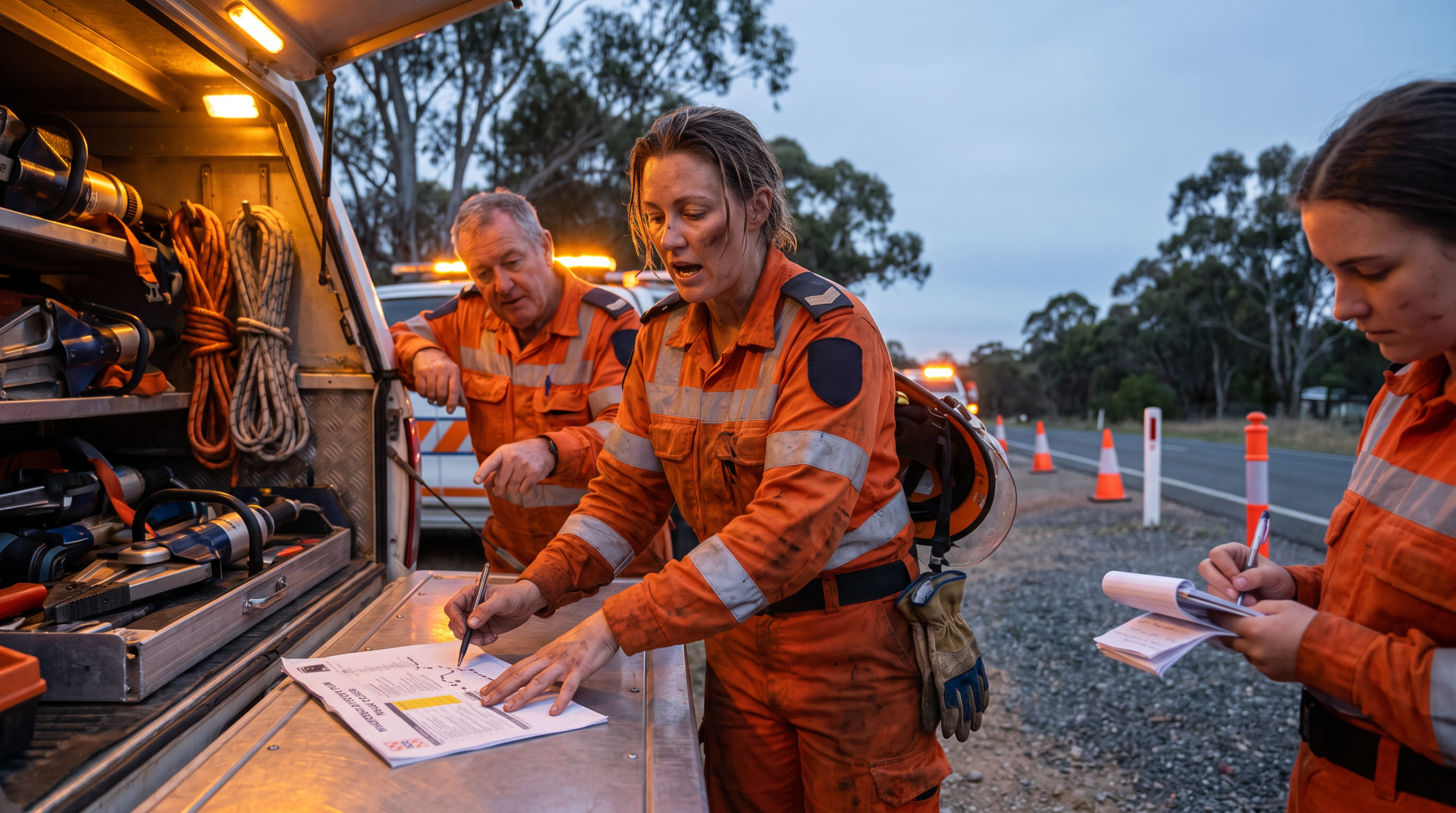
Emergency services organisations particularly value diploma qualifications as they demonstrate commitment to professional development and continuous learning. These credentials often become stepping stones to specialised roles within police, fire, and ambulance services.
How Can You Fast-Track Your Diploma Through Prior Experience?
If you already have experience in your field, you could be eligible for qualification through Recognition of Prior Learning (RPL). This pathway acknowledges your existing skills and knowledge, potentially reducing study time significantly.
The RPL process involves comprehensive assessment of your work experience, previous training, and demonstrated competencies against diploma qualification requirements. This approach recognises that learning occurs in various contexts, not just formal educational settings.
Many experienced professionals discover they already possess significant portions of diploma-level competencies through their work history. RPL assessment can identify these existing skills, allowing you to focus study efforts on areas requiring development rather than repeating known material.
What Makes Online Diploma Study Effective for Working Professionals?
Online diploma delivery provides flexibility for working professionals who cannot attend traditional face-to-face classes. This study mode allows you to balance work commitments with educational goals whilst maintaining professional income during qualification completion.
Digital learning platforms provide 24/7 access to course materials, enabling study scheduling around work shifts, family commitments, and personal circumstances. Interactive online resources, virtual classrooms, and digital assessment tools create engaging learning experiences that rival traditional classroom delivery.
Support services including online tutoring, technical assistance, and career guidance ensure distance learners receive comprehensive educational support throughout their qualification journey.
Understanding Recognition of Prior Learning (RPL) for Diplomas
Recognition of Prior Learning (RPL) represents a streamlined pathway to diploma qualification for experienced professionals. This ASQA-approved assessment process evaluates your existing skills, knowledge, and experience against specific qualification requirements.
The RPL process begins with comprehensive portfolio development, where you document relevant work experience, previous training, and demonstrated competencies. Professional assessors then evaluate this evidence against diploma unit requirements, identifying areas where your experience meets qualification standards. For more information, learn how RPL works.
Successful RPL assessment can result in full qualification attainment or partial credit recognition, significantly reducing study time and costs. This approach particularly benefits experienced professionals seeking formal recognition of their expertise without repeating familiar training content.
The easiest way to determine RPL eligibility is by completing a free RPL assessment. At minimum, this assessment can reduce the number of units you must study to achieve your qualification, saving valuable time and resources.
RPL assessment considers various evidence types including work samples, supervisor testimonials, previous certifications, and demonstrated competencies. This comprehensive approach ensures fair recognition of learning regardless of how or where it occurred.
Special Benefits for ADF and Emergency Services Personnel
Current and former Australian Defence Force (ADF) personnel, police officers, firefighters, and emergency services workers receive a 25% discount on all 3CIR qualifications. This recognition acknowledges the valuable skills and experience gained through military and emergency services careers.
ADF personnel often possess extensive leadership, security, and operational experience that translates directly to civilian diploma qualifications. Many military occupational specialties align closely with civilian career paths, making RPL assessment particularly effective for veterans transitioning to civilian employment.
Emergency services experience in crisis management, public safety, and operational procedures provides excellent foundation knowledge for diploma qualifications in security, government investigations, and risk management fields. Your service experience represents valuable professional development that formal qualifications can recognise and enhance.
The transition from military or emergency services to civilian careers often requires formal credential recognition. Diploma qualifications bridge this gap by providing nationally recognised certification that civilian employers understand and value.
Veterans and emergency services personnel bring unique perspectives, discipline, and problem-solving abilities to their chosen fields. Diploma qualifications help translate these valuable attributes into formal credentials that support successful career transitions.
Frequently Asked Questions About Diploma Qualifications
What is the difference between a diploma and certificate qualification?
Diploma qualifications are AQF Level 5-6 credentials requiring more comprehensive study than certificate qualifications. They provide advanced skills and knowledge for specialised or supervisory roles, whilst certificates typically focus on specific operational competencies.
How long does it take to complete a diploma qualification?
Diploma completion times vary between 12-24 months full-time equivalent study, depending on the specific qualification and your prior experience. RPL assessment can significantly reduce this timeframe by recognising existing skills and knowledge.
Can I use RPL to achieve a full diploma qualification?
Yes, comprehensive work experience and prior learning can potentially satisfy all diploma requirements through RPL assessment. Many experienced professionals achieve full qualifications without additional study through thorough evidence documentation and professional assessment. You can check your RPL eligibility to find out what qualifications match your experience.
Are online diploma qualifications recognised by employers?
Online diplomas from registered training organisations carry identical recognition to face-to-face qualifications. Employers focus on qualification content and RTO credentials rather than delivery method when evaluating candidate qualifications.
What career opportunities are available with diploma qualifications?
Diploma graduates access supervisory, specialist, and management roles across diverse industries. These qualifications provide pathways to leadership positions, specialist technical roles, and further study opportunities including university degree programs.
How does diploma study benefit current ADF personnel?
Active ADF members gain formal recognition for military experience whilst developing civilian career pathways. Diploma qualifications provide credential portability for defence personnel planning transition to civilian employment after military service.
Can emergency services workers use their experience for diploma qualifications?
Emergency services experience in leadership, crisis management, and public safety often translates directly to diploma competencies. Police, firefighters, and paramedics frequently qualify for significant RPL credit recognition through professional experience assessment.
What support is available for online diploma students?
Online students receive comprehensive support including academic tutoring, technical assistance, career guidance, and flexible assessment arrangements. Digital learning platforms provide interactive resources and communication tools connecting students with instructors and peers.
Do diploma qualifications provide pathways to university study?
Most diplomas offer credit transfer arrangements with universities, allowing graduates to enter degree programs with advanced standing. This pathway saves time and money whilst providing alternative entry routes for students without traditional academic prerequisites.
How much does diploma study cost compared to university degrees?
Diploma qualifications typically cost significantly less than university degrees whilst providing immediate employment outcomes. VET Student Loans and various funding options make diploma study accessible and affordable for most students seeking professional development.
Get Your Free RPL Assessment – Start Today!
There are plenty of reasons why a diploma qualification is an excellent investment in your professional future. It will allow you to achieve your dream job and succeed in your chosen field through comprehensive skill development and industry recognition. Take advantage of our specialist nationally recognised qualifications and join thousands of graduates who have advanced their careers through quality vocational education and training.
Explore Our Diploma Programs
Discover how our comprehensive diploma qualifications can transform your career prospects across these key areas:
- Leadership: Watch Leadership Overview
- Human Resources: Watch HR Programs
- Work Health & Safety: Watch WHS Training
- Security: Watch Security Qualifications
- Business: Watch Business Programs
- Marketing: Watch Marketing Courses
- Government: Watch Government Training
- Project Management: Watch PM Qualifications