
Leadership Training Courses: Essential Skills for Modern Management Success
Leadership training courses provide essential skills for motivating teams toward unified goals in today’s dynamic business environment. Effective leadership combines emotional intelligence, strategic thinking, and communication abilities that can be developed through structured vocational education and training programmes.
What is Leadership Training?
Leadership training encompasses structured educational programmes designed to develop essential management competencies including strategic planning, team motivation, communication skills, and decision-making abilities. These vocational qualifications, typically delivered through Registered Training Organisations, focus on practical application of leadership theories in real-world scenarios. Leadership development programmes cover areas such as emotional intelligence, conflict resolution, performance management, and organisational behaviour. The Australian Qualifications Framework recognises various leadership qualifications from Certificate IV through to Advanced Diploma levels, ensuring standardised competency outcomes across different industry sectors.
Why Leadership Training Courses are Vital in Today’s Business Environment
Leadership is motivating a group of people toward a unified goal. In a business setting, this translates to motivating your employees and team to achieve the company’s goals. Nobody is born with leadership and management skills but can be provided through a leadership training course.
In today’s fast-paced world, unexpected challenges can arise at any time. To deal with them efficiently, you need to respond to them and tackle them effectively. This can only be done if you have the skills and direction to lead and drive your team.
Let’s explore the six major benefits of effective leadership training and understand why these programmes have become indispensable for professional development.
How Does Leadership Training Increase Productivity?
Leadership is all about understanding people emotionally. Being perceptive to emotions and employing empathy can help empower your employees, making them more productive when working with you as their leader! Leadership courses should cover this topic because it’s essential for being an effective manager and everything else that comes along the line of leading.
Effective leaders recognise that productivity stems from employee engagement rather than micromanagement. Through comprehensive leadership development programmes, managers learn to identify individual strengths, provide meaningful feedback, and create environments where team members feel valued and motivated. These skills directly correlate with improved workplace performance and organisational outcomes.
Assess your current leadership competencies to identify areas for professional development and career advancement.
What Impact Does Leadership Training Have on Employee Turnover?
When employees are given a vital role in a company, and their voice is heard and not ignored, they are loyal to the company. It is often believed that all an employee cares about is money, but more often than not, they would stay for the culture and the relationships established even if they have a better offer elsewhere.
Working with your existing employees can also save you a ton of money. Building upon current employee skills is much more economical than conducting a recruitment process and training a new person from scratch. A lousy manager with poor leadership skills is one of the main reasons employees leave a company.
Research consistently demonstrates that employees don’t leave companies; they leave managers. Quality leadership training addresses this critical issue by developing managers who can inspire, support, and retain talent. Organisations with effective leadership development programmes typically experience 50% lower turnover rates compared to those without structured leadership initiatives.
How Do Leadership Skills Improve Communication and Collaboration?
Effective communication forms the cornerstone of successful leadership. Leadership training programmes emphasise the development of both verbal and non-verbal communication skills, enabling managers to articulate vision, provide constructive feedback, and facilitate productive discussions.
Modern leadership courses incorporate digital communication strategies, recognising that today’s leaders must navigate virtual teams, remote work arrangements, and multicultural environments. These programmes teach conflict resolution techniques, active listening skills, and the ability to adapt communication styles to different audiences and situations.
Collaborative leadership approaches, emphasised in contemporary training programmes, focus on building consensus, encouraging diverse perspectives, and creating inclusive work environments where all team members contribute to organisational success. Find out more about how to RPL for leadership and management.
What Strategic Planning Skills Do Leadership Courses Develop?
Strategic thinking and planning capabilities distinguish effective leaders from basic supervisors. Leadership development programmes incorporate modules on strategic analysis, goal setting, resource allocation, and performance measurement. These competencies enable leaders to align team activities with organisational objectives and adapt to changing market conditions.
Modern leadership training integrates technology tools and data analytics, ensuring leaders can make informed decisions based on quantitative and qualitative information. Participants learn to develop comprehensive business plans, conduct risk assessments, and implement change management strategies.
The Australian Qualifications Framework ensures leadership qualifications meet industry standards and provide pathways for career progression across various sectors.
How Does Leadership Training Build Emotional Intelligence?
Emotional intelligence represents a critical component of modern leadership effectiveness. Training programmes focus on self-awareness, self-regulation, empathy, and social skills development. Leaders with high emotional intelligence create positive workplace cultures, manage stress effectively, and build strong professional relationships.
Leadership courses teach techniques for managing difficult conversations, providing performance feedback, and supporting team members during challenging periods. These skills contribute significantly to employee satisfaction, engagement, and overall organisational performance.
Emotional intelligence training also addresses personal resilience and stress management, recognising that leaders must maintain their own wellbeing to effectively support their teams.
What Decision-Making Skills Are Developed Through Leadership Training?
Effective decision-making under pressure distinguishes exceptional leaders from their peers. Leadership development programmes incorporate case studies, simulations, and real-world scenarios that challenge participants to analyse complex situations and make informed choices.
Training covers various decision-making models, risk assessment techniques, and stakeholder consultation processes. Leaders learn to balance intuition with analytical thinking, consider multiple perspectives, and communicate decisions clearly to diverse audiences.
Contemporary leadership programmes also address ethical decision-making, corporate social responsibility, and sustainable business practices, reflecting modern expectations of corporate leadership.
Recognition of Prior Learning (RPL) for Leadership Qualifications
Recognition of Prior Learning provides an efficient pathway for experienced professionals to obtain formal leadership qualifications. Through RPL assessment, candidates can demonstrate existing competencies gained through work experience, informal training, or previous education.
The RPL process involves comprehensive portfolio development, competency mapping, and assessment against nationally recognised training package requirements. This approach recognises that many professionals have developed significant leadership skills through practical experience rather than formal education.
RPL candidates typically complete workplace observations, competency conversations, and evidence collection processes that validate their existing capabilities against training.gov.au qualification standards.
Professional industries including project management, human resources, operations management, and team leadership commonly utilise RPL pathways for career advancement and professional recognition.
Begin your RPL assessment to fast-track your leadership qualification through recognition of existing skills and experience. For more information, understanding Recognition of Prior Learning.
Leadership Training Benefits for Veterans and Emergency Services Personnel
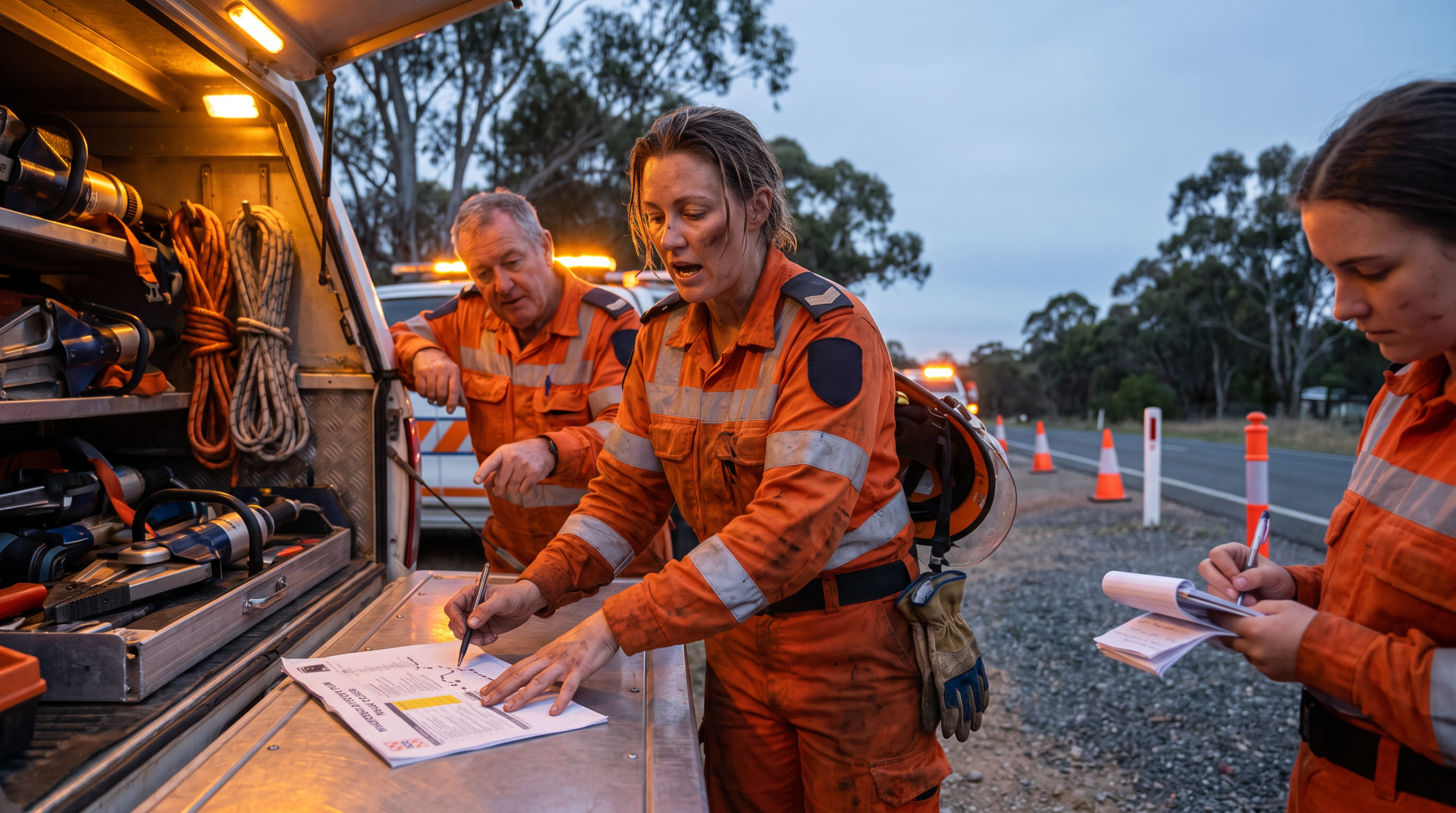
Australian Defence Force personnel and emergency services professionals possess exceptional leadership experience developed through high-pressure operational environments. These professionals often demonstrate advanced competencies in team management, strategic planning, crisis response, and personnel development.
Military leadership experience translates effectively to civilian management roles, encompassing areas such as logistics coordination, training delivery, risk management, and performance evaluation. Emergency services personnel similarly develop strong leadership capabilities through incident command, community engagement, and multi-agency coordination activities.
3CIR recognises the valuable leadership experience of veterans and emergency services personnel, offering a 25% discount on all qualifications for current and former defence and emergency services professionals. This recognition acknowledges their service contribution and supports career transition into civilian leadership roles.
The RPL pathway particularly benefits military and emergency services professionals, as their operational experience often exceeds the competency requirements for civilian leadership qualifications. Professional recognition through formal qualifications enhances employment prospects and career advancement opportunities.
Explore leadership qualification options designed specifically for professionals transitioning from defence and emergency services backgrounds.
Frequently Asked Questions About Leadership Training
What qualifications are available for leadership development?
Australian leadership qualifications range from Certificate IV in Leadership and Management through to Advanced Diploma levels, with specialised pathways in frontline management, team leadership, and executive development available through registered training organisations.
How long does leadership training take to complete?
Leadership qualification duration varies from 6-12 months for certificate levels to 12-18 months for diploma programmes, with RPL pathways potentially reducing timeframes through recognition of existing competencies and experience.
Can ADF personnel fast-track leadership qualifications?
Yes, Australian Defence Force personnel often qualify for RPL assessment due to extensive military leadership experience, potentially completing qualifications in 3-6 months while receiving 25% discount on training costs.
What industries benefit most from leadership training?
All industries benefit from effective leadership development, with particular demand in healthcare, construction, retail, hospitality, manufacturing, and government sectors where team coordination and performance management are critical success factors.
Are leadership qualifications recognised nationally across Australia?
Yes, leadership qualifications delivered by registered training organisations under the Australian Qualifications Framework are recognised nationally and meet industry standards established through ASQA regulation.
How do emergency services personnel benefit from leadership training?
Emergency services professionals leverage incident command experience, crisis management skills, and community liaison capabilities to excel in civilian leadership roles, often qualifying for advanced standing through RPL assessment processes.
What career outcomes result from leadership training?
Leadership qualification graduates typically advance to supervisory, management, and executive positions with improved salary prospects, professional recognition, and enhanced career mobility across industry sectors and geographical locations.
Can leadership training be completed online?
Yes, many leadership qualifications are available through online delivery methods, providing flexibility for working professionals while maintaining rigorous assessment standards and practical application requirements through workplace projects.
What support is available during leadership training programmes?
Comprehensive student support includes academic mentoring, career guidance, technical assistance, library resources, and pastoral care services designed to ensure successful completion and professional development outcomes. You can start your free assessment to find out what qualifications match your experience.
How does leadership training address workplace diversity and inclusion?
Contemporary leadership programmes emphasise inclusive management practices, cultural competency development, unconscious bias awareness, and strategies for creating equitable workplace environments that leverage diverse team capabilities effectively.
Ready to Advance Your Leadership Career?
Leadership training courses provide essential foundations for professional success in today’s competitive business environment. Whether you’re seeking to develop new competencies or gain formal recognition for existing experience, structured leadership development programmes offer pathways to career advancement and organisational impact.
3CIR’s leadership qualifications combine theoretical knowledge with practical application, ensuring graduates possess both conceptual understanding and hands-on capabilities required for effective management roles. Our RPL pathways recognise existing experience while our veteran discount programme supports those who have served our nation.
Start your leadership qualification journey today and transform your career prospects through nationally recognised vocational education and training.
Leadership Training Resources
Leadership Training: https://youtu.be/7k57ygLXncA
HR Management: https://youtu.be/jLUKTpqOOfU
WHS Leadership Training Overview
Security Management: https://youtu.be/d20nwpEot8Q
Business Leadership Training Overview
Marketing Leadership Training Overview
Government Leadership Training Overview