
What is a Graduate Diploma and Why You Should Consider Getting One
A Graduate Diploma (Grad Dip) is a postgraduate qualification that bridges the gap between undergraduate study and advanced master’s degrees, typically completed in 6-12 months. This vocational qualification provides specialised knowledge and skills for career advancement without the extensive commitment of a full master’s program.
Graduate Diploma Definition and Overview
A Graduate Diploma represents a distinct level of postgraduate education within the Australian Qualifications Framework (AQF), specifically positioned at Level 8. Unlike undergraduate diplomas, graduate diplomas are designed for individuals who already possess a bachelor’s degree and seek to enhance their professional capabilities or transition into new career fields. These qualifications are recognised by employers across Australia and internationally, providing graduates with advanced knowledge and specialised skills in their chosen discipline. Graduate diplomas typically require 0.5 to 1.0 year of full-time study equivalent, making them an efficient pathway for professional development. The qualification encompasses both theoretical understanding and practical application, ensuring graduates can immediately apply their learning in workplace contexts. Australian universities, TAFE institutes, and registered training organisations like 3CIR deliver graduate diploma programs across diverse fields including business, education, health sciences, and information technology.
Understanding Graduate Diploma Structure and Requirements
A Graduate Diploma (Grad Dip) is a type of postgraduate diploma awarded after completing an education program at a graduate school. A Grad Dip is typically less advanced and research-oriented than a Master’s degree, making it ideal for those who want to improve their professional qualifications without committing to a lengthy degree program.
Graduate diplomas usually consist of 4-8 subjects, depending on the field of study and institution. You’ll engage with advanced theoretical concepts while developing practical skills directly applicable to your profession. The curriculum often includes case studies, project work, and industry-relevant assessments that mirror real-world challenges.
Most programs require successful completion of undergraduate study or equivalent professional experience. Entry requirements typically include a bachelor’s degree from a recognised institution, though some programs accept significant work experience through Recognition of Prior Learning (RPL) pathways.
Start your RPL assessment today and discover your qualification pathway
How Can Graduate Diplomas Advance Your Career?
If you’re looking to take the next step in your career, a Grad Dip can help you qualify for positions that were previously out of reach. By completing a Grad Dip program, you’ll develop new skills and knowledge that will make you more attractive to potential employers. In some cases, your GDip may even be required for specific roles.
Graduate diplomas provide targeted skill development in high-demand areas such as project management, human resources, cybersecurity, and leadership. Employers increasingly value candidates who demonstrate commitment to continuous learning and professional development. Your graduate diploma signals to potential employers that you possess both foundational knowledge and advanced capabilities.
Many professionals use graduate diplomas as stepping stones to senior management positions, specialist roles, or career transitions. The focused nature of these programs allows you to gain expertise quickly, making you competitive in today’s rapidly evolving job market.
What Makes Graduate Diplomas More Affordable Than Master’s Degrees?
Pursuing a Grad Dip is often cheaper than completing a Master’s degree, as most programs can be completed in one or two years rather than the two to four years required for most Master’s programs. Additionally, many students can continue working while studying for their GDip, which helps offset the cost of tuition.
The shorter duration translates to reduced course fees, lower living expenses, and minimal opportunity cost from time away from employment. Part-time study options allow you to maintain your income while upgrading your qualifications. Government funding options, including VET Student Loans and employer-sponsored training, may be available depending on your circumstances. Find out more about how to diploma qualifications through RPL.
Return on investment typically occurs more quickly with graduate diplomas, as you can apply new skills immediately in your current role or secure promoted positions sooner than with longer qualifications.
Can You Complete a Graduate Diploma While Working?
If you cannot commit to full-time study, many GDip programs offer part-time study options that allow you to continue working while pursuing your qualification. Graduate diploma programs are specifically designed with working professionals in mind, offering flexible scheduling that accommodates busy careers.
Evening classes, weekend intensives, online learning platforms, and blended delivery modes provide multiple pathways to complete your studies. Many programs spread coursework across 18-24 months when studied part-time, allowing you to balance professional responsibilities with academic commitments.
Online graduate diplomas have become increasingly popular, providing access to quality education regardless of your geographic location. This flexibility particularly benefits professionals in remote areas or those with irregular work schedules.
Which Fields Offer the Best Graduate Diploma Opportunities?
Graduate diplomas are available across numerous disciplines, each offering unique career advancement opportunities. Business-related qualifications including management, marketing, and human resources remain highly sought after by employers across all sectors.
Information technology graduate diplomas address skills shortages in cybersecurity, data analytics, and digital transformation. Healthcare and allied health programs support professionals seeking specialisation or regulatory compliance requirements.
Education graduate diplomas enable career transitions into teaching or training roles, while public administration qualifications prepare individuals for government and not-for-profit sector positions. Leadership and management graduate diplomas provide essential skills for supervisory and executive roles across all industries.
Recognition of Prior Learning for Graduate Diplomas
Recognition of Prior Learning (RPL) offers an accelerated pathway to graduate diploma qualifications for experienced professionals. This VET assessment process recognises skills, knowledge, and experience gained through work, volunteer activities, and informal learning, potentially reducing study time and costs significantly.
RPL assessment involves comprehensive evaluation of your professional experience against graduate diploma learning outcomes. Qualified assessors review your work samples, testimonials, and documented achievements to determine competency levels. This process can result in advanced standing or complete qualification recognition.
Industries with strong RPL opportunities include project management, human resources, training and assessment, and business administration. Professional portfolios demonstrating leadership experience, successful project delivery, and specialised expertise form the foundation of strong RPL applications.
3CIR specialises in RPL assessment for graduate diplomas, providing expert guidance throughout the evaluation process. Our experienced assessors understand industry requirements and work collaboratively to identify your strongest competency evidence. For more information, learn how RPL works.
Submit your RPL application today and fast-track your graduate diploma
Graduate Diplomas for Veterans and Emergency Services Personnel
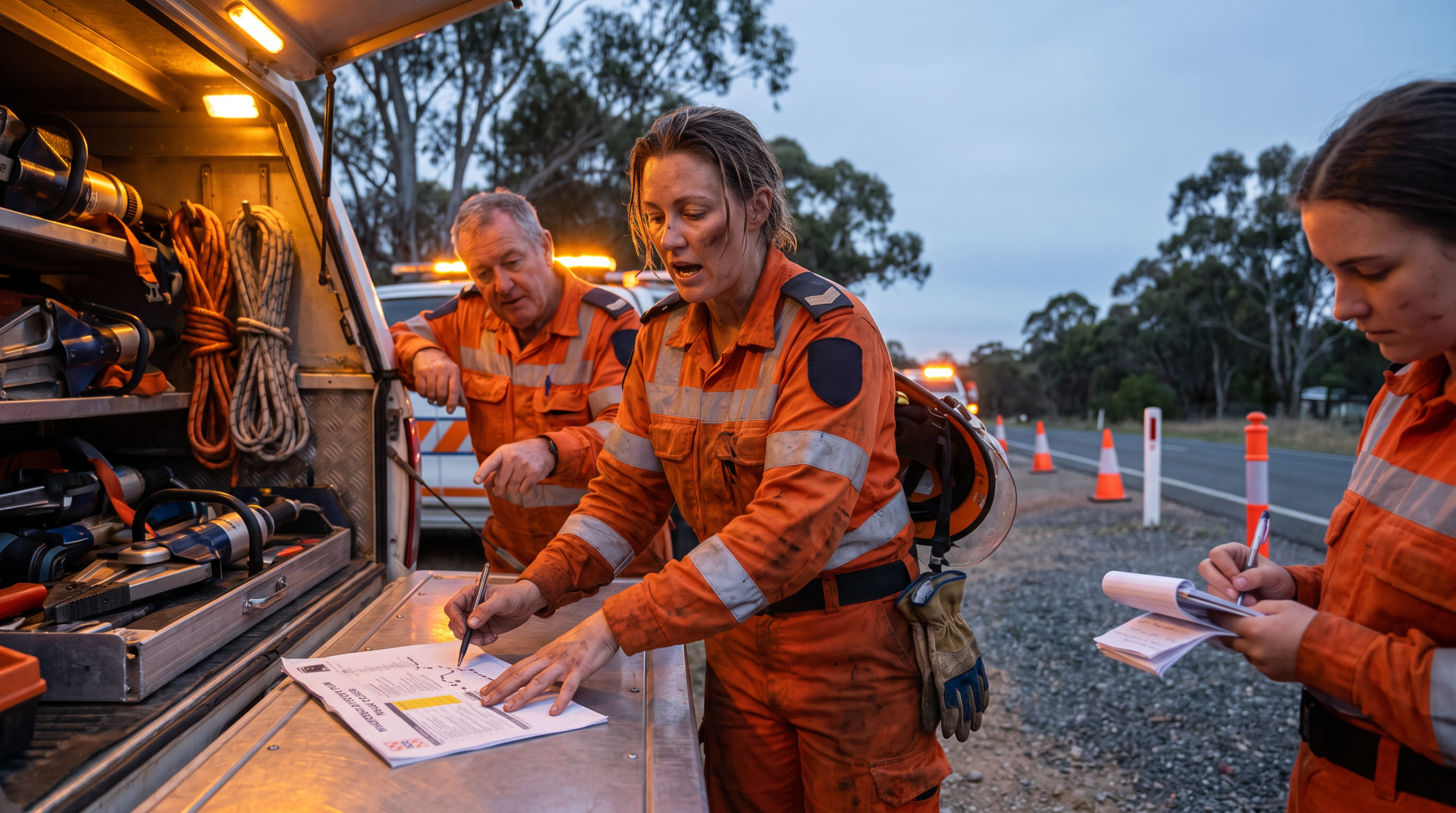
Australian Defence Force (ADF) and emergency services personnel possess extensive leadership, operational, and technical experience that translates effectively to civilian graduate diploma requirements. Military training, operational deployments, and emergency response experience provide strong foundations for advanced qualifications.
3CIR recognises the valuable skills developed through defence and emergency services careers, offering streamlined pathways to graduate diplomas through comprehensive RPL assessment. Our veteran-friendly approach acknowledges the unique challenges faced during career transitions and provides dedicated support throughout the qualification process.
Popular graduate diploma pathways for veterans include business administration, project management, risk management, and public safety. These qualifications leverage existing leadership capabilities while developing civilian industry knowledge and credentials.
Special offer: 3CIR provides a 25% discount for all current and former defence and emergency services personnel on graduate diploma programs. This recognition of service commitment helps veterans access quality education and career advancement opportunities.
Our partnership with Asset College (RTO 31718) ensures nationally recognised qualifications that meet Australian industry standards. Visit training.gov.au to verify qualification currency and industry recognition.
Frequently Asked Questions About Graduate Diplomas
What is the difference between a graduate diploma and master’s degree?
Graduate diplomas typically require 6-12 months of study compared to 1.5-2 years for master’s degrees. They focus on practical skills and professional knowledge rather than research components, making them ideal for career advancement without extensive academic commitment.
How long does it take to complete a graduate diploma?
Most graduate diplomas require 0.5-1.0 year of full-time study equivalent. Part-time study typically extends this to 12-18 months, allowing you to maintain work commitments while pursuing your qualification.
Can I use my graduate diploma to apply for master’s degree programs?
Yes, many graduate diplomas provide advanced standing toward related master’s programs. You may receive credit for completed subjects, reducing the time and cost required to complete a master’s qualification.
Are graduate diplomas recognised by employers in Australia?
Graduate diplomas are AQF Level 8 qualifications recognised nationally by Australian employers and internationally. They demonstrate advanced knowledge and skills valued across industries and government sectors.
What entry requirements apply to graduate diploma programs?
Most programs require a completed bachelor’s degree from a recognised institution. Alternative pathways include significant professional experience assessed through RPL or completion of related diploma qualifications with work experience. You can check your RPL eligibility to find out what qualifications match your experience.
Can ADF veterans use their military experience for graduate diploma entry?
Yes, military experience often provides excellent preparation for graduate diploma study. RPL assessment can recognise leadership, project management, and technical skills developed during defence service, potentially providing advanced standing or complete qualification recognition.
How much does a graduate diploma typically cost in Australia?
Costs vary significantly depending on institution and field of study, ranging from a competitive salary for complete programs. Part-time study and RPL recognition can reduce overall costs substantially.
What support is available for emergency services personnel pursuing graduate diplomas?
Emergency services personnel benefit from RPL pathways recognising operational experience, leadership roles, and specialised training. Many programs offer flexible scheduling to accommodate shift work and operational commitments.
Are online graduate diplomas as valuable as face-to-face programs?
Online graduate diplomas from accredited providers carry the same qualification recognition as face-to-face programs. They offer additional flexibility for working professionals while maintaining rigorous academic standards and assessment requirements.
Which graduate diploma fields have the strongest employment prospects?
High-demand fields include project management, cybersecurity, data analytics, healthcare administration, and digital marketing. These areas address current skills shortages and offer strong career advancement opportunities across multiple industries.
Ready to advance your career with a graduate diploma? 3CIR’s expert team provides comprehensive support from initial consultation through qualification completion. Our RPL specialists understand the unique value of your professional experience and work to maximise recognition opportunities.
For additional information about AQF qualifications and industry standards, visit the Australian Qualifications Framework website and ASQA’s official resources.
Related Video Resources
Explore these relevant training areas:
- Leadership Training
- Human Resources
- Work Health and Safety
- Security Management
- Business Administration
- Marketing
- Government Relations
- Project Management
Start your graduate diploma journey today with our free RPL assessment