
Why Everyone Should Take a Recognition of Prior Learning (RPL) Assessment
AI Summary: Recognition of Prior Learning (RPL) assessment validates your existing skills and experience, saving time and money by reducing course requirements. This formal process converts workplace knowledge into nationally recognised qualifications without attending additional classes.
What is Recognition of Prior Learning (RPL)?
Recognition of Prior Learning (RPL) is a formal assessment process within Australia’s Vocational Education and Training (VET) system that evaluates and recognises the skills, knowledge, and competencies you have gained through work experience, informal learning, or life experiences. Administered by Registered Training Organisations (RTOs) under the Australian Qualifications Framework (AQF), RPL allows individuals to receive credit towards nationally recognised qualifications without completing formal coursework. This assessment method acknowledges that learning occurs in various environments beyond traditional classrooms, including workplaces, volunteer activities, and personal experiences. The process involves comprehensive evaluation against specific unit standards, ensuring that your practical experience meets the same competency requirements as formal training programs.
How RPL Assessment Transforms Your Career Path
RPL assessment can help you save substantial time and money by reducing the credits needed to earn your diploma or certificate. For example, if one credit equals two hours worth of coursework, reducing this amount would allow someone enrolled in their program longer than usual with no formal education before them to complete an entire graduation requirement without ever taking any courses. How well your prior knowledge, skills, or experience match the modules in your course determines whether you can use RPL effectively.
Recognition of earlier learning can be used in various situations, including job changes, promotions, continuing through a specialised learning program, and personal improvement or certification of current skills without the need to progress through traditional pathways. Start your RPL assessment today to discover how your experience translates into formal qualifications.
What Are the Key Benefits of RPL Assessment?
Training Costs are Reduced: Employers profit greatly from the recognition of prior learning process since they save significant money on training expenditures. When it comes to employee training, businesses can spend considerable resources. Recognition of earlier learning will aid workers in advancing their careers by recognising their existing skills and competencies.
Time-Saving: There’s no reason to waste time on something you already know. This procedure will assist you in identifying your skills and abilities. It allows you to use your time better than attempting to fit into classes or groups that cover material you’ve already mastered through experience. The RPL procedure allows you to save both time and money while achieving your career goals.
Recognised Abilities: Rather than wasting your abilities because you didn’t get a certificate, recognising past learning methods will ensure that they are put to good use. Your abilities will not only be recognised but also certified to national standards, providing credibility and recognition in the job market.
Who Should Consider RPL Assessment?
RPL assessment benefits a diverse range of individuals across various industries and career stages. Experienced workers who have developed skills through years of practical application often find RPL particularly valuable. Trade professionals, healthcare workers, business managers, and technical specialists frequently possess competencies that align with formal qualification requirements.
Career changers seeking to formalise their transferable skills, employees pursuing promotions, and professionals requiring specific certifications for regulatory compliance all benefit from RPL assessment. Additionally, individuals returning to the workforce after extended breaks or those seeking to upgrade their qualifications without interrupting their current employment find RPL an ideal solution.
The training.gov.au website provides comprehensive information about nationally recognised training packages and units of competency that can be assessed through RPL processes.
How Does the RPL Assessment Process Work?
The RPL assessment process begins with a comprehensive skills audit where qualified assessors evaluate your experience against specific competency standards. You’ll need to provide evidence of your skills through various means including work samples, references from supervisors, certificates from previous training, and detailed portfolios demonstrating your capabilities. Find out more about how to how RPL works.
Assessment methods may include practical demonstrations, professional conversations, written submissions, and workplace observations. The assessor will map your evidence against the required learning outcomes and performance criteria specified in the relevant training package. This rigorous process ensures that your experience genuinely meets the standards expected of graduates from formal training programs.
Throughout the process, you’ll receive guidance and support from qualified assessors who understand both industry requirements and assessment standards. The timeframe for completion varies depending on the complexity of the qualification and the comprehensiveness of your evidence portfolio.
What Evidence Do You Need for RPL Assessment?
Successful RPL assessment requires comprehensive evidence that demonstrates your competency across all required areas. Primary evidence includes employment records, job descriptions, performance appraisals, and workplace projects that showcase your skills in real-world applications.
Supporting documentation might comprise certificates from short courses, professional development activities, volunteer work records, and testimonials from supervisors or colleagues. Many candidates also benefit from creating detailed portfolios that include photographs of completed work, case studies, and reflective statements explaining their learning journey.
The key is providing authentic, current, and sufficient evidence that clearly demonstrates your ability to perform at the required standard. Quality assessors will guide you through the evidence-gathering process, ensuring you present the strongest possible case for recognition.
Understanding RPL Assessment Methods and Standards
RPL assessment in Australia operates under strict quality assurance frameworks administered by ASQA (Australian Skills Quality Authority). Assessment must be conducted by qualified assessors who hold appropriate industry experience and assessment credentials.
The assessment process adheres to the principles of validity, reliability, flexibility, and fairness. Validity ensures that assessment methods directly relate to the competency standards being evaluated. Reliability guarantees consistent assessment outcomes regardless of the assessor or context. Flexibility allows for various assessment approaches that accommodate individual circumstances, while fairness ensures all candidates have equal opportunity to demonstrate their competencies.
These rigorous standards maintain the integrity and recognition of RPL qualifications across Australia’s education and employment sectors. Employers can have confidence that RPL graduates possess the same competencies as traditional program completers.
Recognition of Prior Learning for Career Advancement
RPL assessment serves as a powerful tool for career advancement, particularly in industries where practical experience often exceeds formal qualifications. Many professionals find themselves in positions where their expertise surpasses their documented credentials, creating barriers to promotion or career progression.
Through RPL, you can bridge this gap by converting your valuable experience into nationally recognised qualifications. This formal recognition opens doors to senior positions, increases earning potential, and provides the credibility needed for professional advancement. Many employers specifically require formal qualifications for certain roles, making RPL an essential pathway for experienced professionals. For more information, RPL FAQs.
The process also enhances professional confidence by validating years of learning and skill development. When your experience receives formal recognition, you gain greater credibility with colleagues, clients, and industry peers. Explore leadership qualifications available through RPL assessment.
RPL Benefits for Veterans and Emergency Services Personnel
Veterans and emergency services personnel possess unique skill sets developed through intensive training and real-world applications that directly translate to civilian qualifications. Military experience often encompasses leadership, project management, logistics, security, and technical competencies that are highly valued in civilian employment markets.
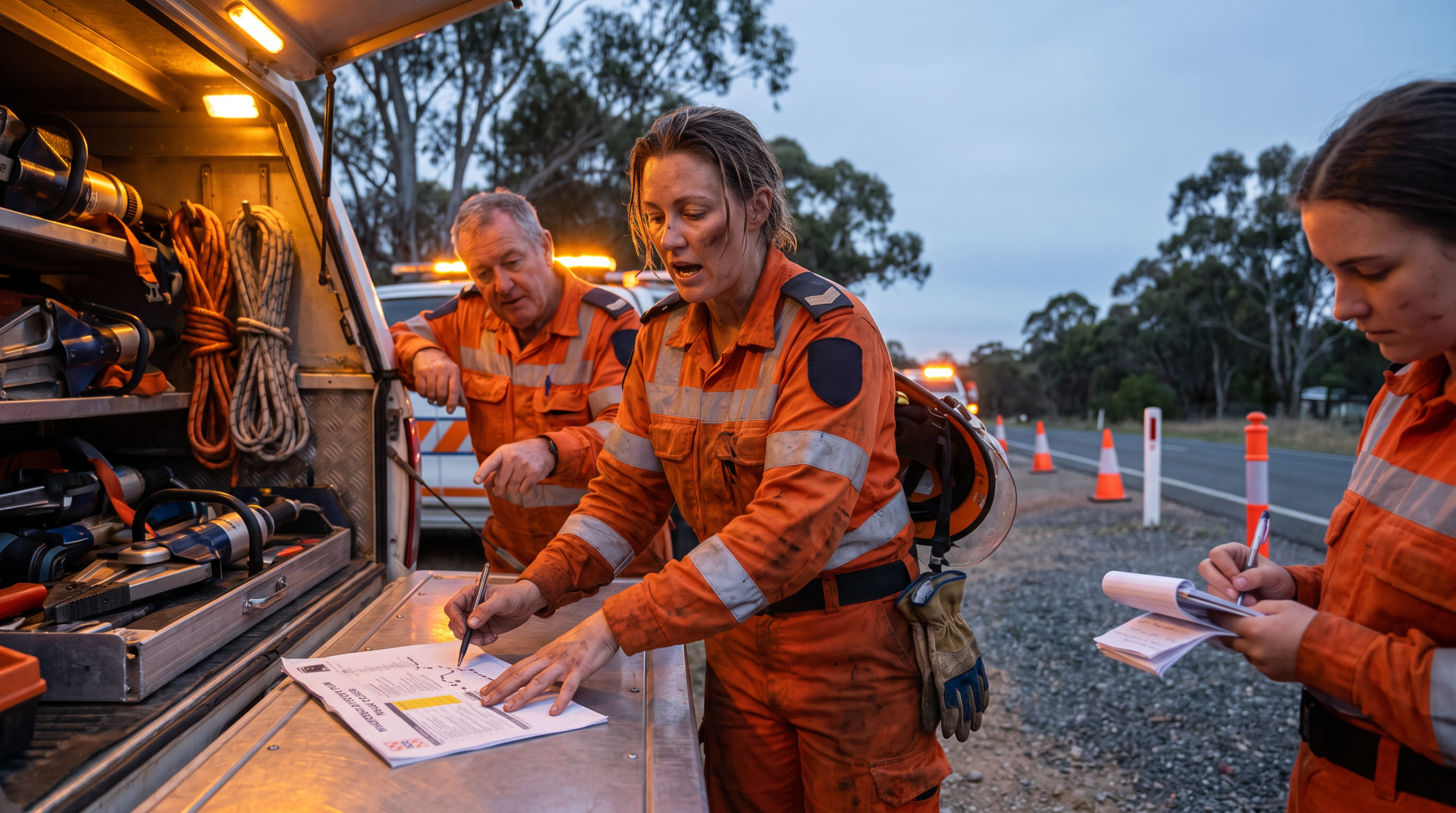
Emergency services personnel similarly develop specialised skills in crisis management, teamwork, communication, and technical operations that align with numerous civilian qualifications. The disciplined approach to training and continuous professional development within these sectors creates ideal candidates for RPL assessment.
3CIR recognises the exceptional value of military and emergency services experience, offering a 25% discount on all RPL assessments for current and former defence and emergency services personnel. This significant saving acknowledges your service while making career transition more affordable.
Common qualifications achieved through RPL by veterans and emergency services personnel include business management, project management, security operations, training and assessment, and leadership qualifications. The structured nature of military and emergency services training often provides comprehensive evidence required for successful RPL outcomes.
Apply for your veterans discount RPL assessment and discover how your service experience translates to civilian qualifications.
Frequently Asked Questions About RPL Assessment
How long does the RPL assessment process take?
The RPL assessment timeline varies depending on qualification complexity and evidence quality, typically ranging from 4-12 weeks. Simple certificates may be completed faster, while diploma-level qualifications require more comprehensive evaluation and evidence gathering.
What qualifications can be achieved through RPL assessment?
RPL assessment can lead to certificates, diplomas, and some degree-level qualifications across numerous industries including business, healthcare, construction, hospitality, and information technology. The Australian Qualifications Framework governs which qualifications are available through RPL pathways.
Is RPL assessment suitable for ADF veterans?
Absolutely. Military experience provides exceptional foundation for RPL assessment, with skills in leadership, logistics, security, and technical operations directly transferable to civilian qualifications. 3CIR specialises in RPL for ADF personnel and offers 25% discount for veterans.
Can emergency services personnel benefit from RPL assessment?
Yes, emergency services personnel possess highly transferable skills including crisis management, teamwork, communication, and technical competencies that align with numerous civilian qualifications. The disciplined training approach creates ideal conditions for successful RPL outcomes. You can start your free assessment to find out what qualifications match your experience.
What evidence is required for successful RPL assessment?
Evidence includes employment records, job descriptions, performance appraisals, work samples, certificates from training courses, and supervisor testimonials. The evidence must demonstrate current competency at the required standard across all qualification requirements.
How much does RPL assessment cost?
RPL assessment costs vary based on qualification level and complexity. 3CIR offers competitive pricing with significant savings compared to completing full training programs, plus 25% discount for current and former defence and emergency services personnel.
What happens if my RPL assessment is unsuccessful?
If gaps are identified, you’ll receive detailed feedback about additional evidence required or specific competencies needing development. Many candidates successfully complete the process after addressing identified gaps through supplementary evidence or targeted training.
Can I complete RPL assessment while working full-time?
Yes, RPL assessment is designed for working professionals. The flexible process accommodates your schedule, with most activities completed independently. Phone consultations and evidence reviews can be scheduled around your work commitments.
Are RPL qualifications recognised by employers?
RPL qualifications hold identical recognition to traditional training program completions. They meet the same national standards and competency requirements, ensuring full employer recognition and industry acceptance.
What support is available during the RPL assessment process?
Qualified assessors provide comprehensive guidance throughout the process, including evidence gathering advice, portfolio development support, and regular progress updates. You’re never alone in navigating the assessment requirements.
Complete your RPL assessment application today and take the first step towards formal recognition of your valuable experience and skills.
Related Training Videos
Explore these comprehensive training videos covering qualifications available through RPL assessment: