
Rising Demand for Human Resource Personnel – Pursue a Diploma to Get Started
Australia’s human resources sector is experiencing unprecedented growth, with qualified HR personnel in high demand across industries. Whether you’re starting fresh or transitioning careers, pursuing a nationally recognised Diploma of Human Resources Management provides the essential qualifications employers seek.
What is Human Resources Management?
Human Resources Management encompasses the strategic approach to managing an organisation’s most valuable asset – its people. This professional discipline involves talent acquisition, employee development, performance management, workplace relations, and organisational culture development. In Australia, HR professionals operate within a framework governed by Fair Work legislation, ensuring compliance with employment standards whilst maximising organisational effectiveness. The field requires expertise in areas including recruitment and selection, training and development, remuneration planning, workplace health and safety, and change management. Modern HR practitioners leverage technology, data analytics, and evidence-based strategies to drive business outcomes whilst maintaining employee engagement and satisfaction. Professional HR qualifications through recognised training organisations ensure practitioners possess the theoretical knowledge and practical skills necessary for success in this dynamic field.
Why is There Rising Demand for HR Professionals?
There is a continuous demand for qualified personnel in the HR industry. If you are looking for a high-paying job and a satisfying career, you should seriously consider entering the field and earning a Diploma in Human Resources to get started.
Several factors contribute to this growing demand. Digital transformation requires organisations to manage workforce transitions effectively. The changing nature of work, including remote and hybrid arrangements, demands sophisticated HR strategies. Additionally, increased focus on employee wellbeing, diversity and inclusion, and workplace mental health creates new specialist roles within HR departments.
Take the first step towards your HR career by completing your RPL assessment today.
What Makes HR Such a Meaningful Career Choice?
The HR department of any company is among the most influential because it helps shape the organisation’s culture. According to an Australian Human Resources Institute (AHRI) survey in 2016, about 85% of respondents in the HR industry claim to be satisfied with their jobs. One reason is that they get to make meaningful contributions to their respective organisations.
HR professionals directly impact employee experiences from recruitment through to retirement. You’ll be involved in creating positive workplace cultures, supporting career development, and ensuring fair treatment across all levels of the organisation. This meaningful work extends beyond administrative tasks to strategic business planning and organisational development initiatives.
The role offers intellectual stimulation through problem-solving, policy development, and stakeholder management. You’ll navigate complex employment legislation whilst balancing organisational needs with employee rights and expectations.
How Does Working in HR Develop Your Professional Skills?
No other department except HR has the opportunity and responsibility to work with everyone in the company—from the applicants to the staff, the managers, to high-level executives. In addition, for many people working in the field, this makes the career attractive and rewarding. By being exposed to different kinds of personalities in an organisation, you can develop interpersonal, communication, management, and many other skills.
HR roles develop essential business acumen through involvement in strategic planning processes. You’ll gain expertise in employment law, industrial relations, and compliance frameworks. The diverse nature of HR work builds competencies in project management, data analysis, negotiation, and change management.
These transferable skills position HR professionals for advancement into senior management roles across various business functions. Many successful executives credit their HR background for providing comprehensive understanding of organisational dynamics and people management. Find out more about how to nationally recognised diplomas via RPL.
What Career Advancement Opportunities Exist in HR?
An HR position can prepare you for the future in many ways, whether you plan to stay or pursue other careers. It helps you lay a strong foundation and hone transferrable skills for success across multiple industries and roles.
Career progression in HR typically follows pathways from generalist roles to specialist positions or senior management. Specialist areas include talent acquisition, learning and development, industrial relations, compensation and benefits, and organisational development. Senior positions include HR Manager, Director of People and Culture, and Chief Human Resources Officer roles.
The skills developed in HR translate effectively to consulting, training, recruitment services, and general management positions. Many HR professionals establish successful consulting practices or transition into executive roles in other business functions.
What Salary Expectations Can HR Professionals Have?
According to recent salary surveys, entry-level HR positions in Australia typically offer competitive starting salaries ranging from a competitive salary. Experienced HR professionals can expect salaries between a competitive salary, whilst senior HR managers and directors command salaries exceeding a competitive salary plus benefits.
Remuneration packages often include additional benefits such as professional development opportunities, flexible working arrangements, and comprehensive insurance coverage. The investment in HR qualifications typically provides strong returns through improved earning potential and career stability.
Regional variations exist, with metropolitan areas generally offering higher salaries to compensate for cost of living differences. Specialist HR roles in areas like industrial relations or talent acquisition often command premium rates due to skill scarcity.
Recognition of Prior Learning for Human Resources
Recognition of Prior Learning (RPL) provides an excellent pathway for experienced professionals to gain formal HR qualifications. Through RPL assessment, your existing skills, knowledge, and work experience can be evaluated against the competency requirements of nationally recognised HR qualifications.
This assessment process considers various forms of evidence including employment history, training certificates, performance reviews, and demonstrated competencies. RPL is particularly valuable for supervisors, team leaders, and managers who have been performing HR functions without formal qualifications.
The Diploma of Human Resources Management BSB50320 available through RPL covers essential competency areas including recruitment processes, employee relations, performance management systems, and HR information management.
3CIR’s experienced assessors work closely with candidates to identify relevant experience and guide the evidence compilation process. Our streamlined RPL process minimises disruption to your work schedule whilst ensuring comprehensive assessment outcomes. For more information, understanding RPL.
Begin your RPL journey by submitting your RPL assessment application today.
Veterans and Emergency Services Personnel – HR Career Transition
Australian Defence Force (ADF) veterans and emergency services personnel possess valuable skills highly transferable to HR careers. Leadership experience, personnel management, training coordination, and regulatory compliance knowledge provide excellent foundations for HR success.
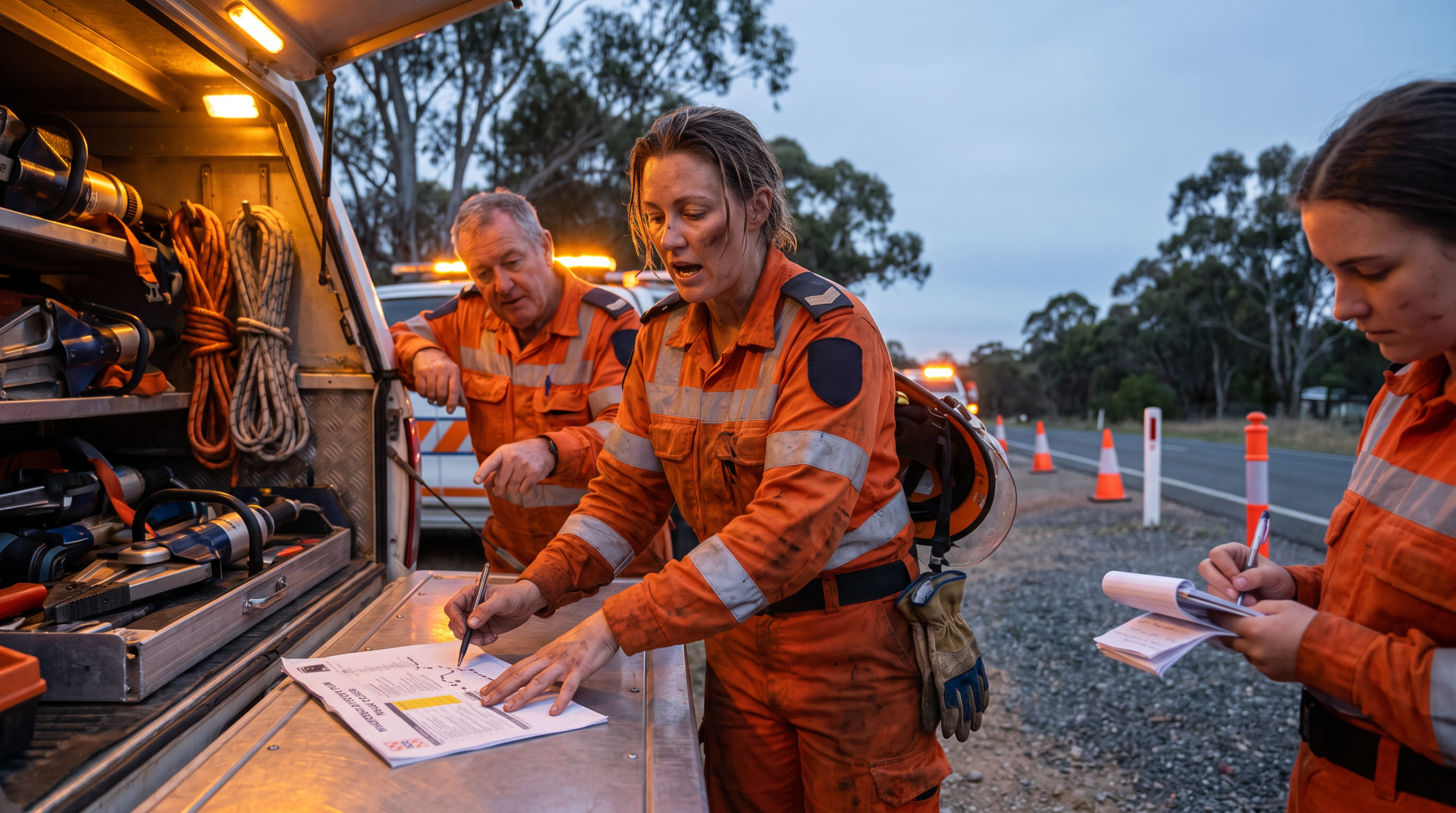
Military and emergency services backgrounds demonstrate the discipline, integrity, and problem-solving abilities essential in HR roles. Experience managing diverse teams, conducting training programmes, and ensuring procedural compliance aligns perfectly with HR competency requirements.
3CIR recognises the value of military and emergency services experience, offering a 25% discount on all qualifications for current and former defence and emergency services personnel. This investment in your professional development acknowledges your service whilst supporting your civilian career transition.
The structured nature of military and emergency services careers often provides extensive evidence for RPL assessment. Performance evaluations, training records, leadership positions, and administrative responsibilities typically map well to HR qualification requirements.
Many veterans successfully transition to HR careers in areas such as recruitment, training and development, and workplace health and safety. The analytical skills, attention to detail, and ethical standards developed in service roles translate effectively to HR practice.
3CIR’s specialist understanding of military competencies ensures comprehensive assessment of your transferable skills. Our assessors recognise the equivalence between military training systems and civilian HR frameworks, maximising your qualification outcomes.
Frequently Asked Questions
What qualifications do you need to work in human resources?
Most HR positions require at least a Certificate IV or Diploma in Human Resources Management. These nationally recognised qualifications provide essential knowledge in employment law, recruitment processes, and employee relations. Higher-level positions often require bachelor’s degrees or professional HR certifications.
How long does it take to complete an HR diploma?
A Diploma of Human Resources Management typically takes 12-18 months through traditional study pathways. However, RPL assessment can significantly reduce this timeframe by recognising existing skills and experience, potentially achieving qualification in 6-8 weeks.
What career opportunities exist for ADF veterans in HR?
ADF veterans bring valuable leadership and people management experience to HR roles. Common career paths include recruitment specialist, training coordinator, workplace health and safety officer, and employee relations advisor positions. Military experience in personnel management translates well to civilian HR requirements. You can start your free assessment to find out what qualifications match your experience.
Can emergency services personnel transition to HR careers?
Emergency services personnel possess excellent transferable skills for HR careers including crisis management, team leadership, training delivery, and regulatory compliance. These competencies align well with HR requirements, making career transition achievable through appropriate qualification pathways.
What is RPL assessment for HR qualifications?
RPL assessment evaluates your existing skills and experience against qualification requirements. For HR diplomas, assessors review your work history, training records, and demonstrated competencies to determine if you meet the required standards without completing traditional coursework.
How much does HR qualification cost through 3CIR?
3CIR offers competitive pricing for HR qualifications with various payment options available. Current and former defence and emergency services personnel receive a 25% discount on all qualifications. Contact 3CIR directly for current pricing and payment plan options.
What support does 3CIR provide during qualification?
3CIR provides comprehensive learner support including dedicated assessors, flexible assessment scheduling, and ongoing guidance throughout the qualification process. Online delivery options ensure accessibility for learners across Australia, with face-to-face support available in Brisbane.
Is the Diploma of Human Resources Management nationally recognised?
Yes, the Diploma of Human Resources Management delivered by 3CIR through Asset College (RTO 31718) is nationally recognised across Australia. This ensures your qualification is accepted by employers and professional bodies throughout the country.
What employment outcomes can you expect after HR qualification?
HR diploma graduates typically find employment in recruitment agencies, corporate HR departments, consulting firms, and government organisations. Entry-level positions include HR assistant, recruitment coordinator, and training administrator roles with clear advancement pathways available.
How does online HR study work through 3CIR?
3CIR’s online delivery combines flexible learning platforms with personalised assessor support. Students access course materials digitally whilst receiving guidance through video conferencing, email, and phone support. This approach accommodates working professionals and geographically dispersed learners effectively.
Ready to advance your HR career? Complete your RPL assessment today and discover how your experience can fast-track your qualifications.
For more information about career development opportunities, explore these helpful resources: