
Graduate Diplomas and Why You Need Them for Career Advancement
AI Summary: Graduate diplomas offer postgraduate qualifications that can be completed in 30 weeks through Recognition of Prior Learning (RPL), providing career advancement opportunities without requiring years off work or completing a dissertation like traditional master’s degrees.
What is a Graduate Diploma?
A graduate diploma is a postgraduate qualification within the Australian Qualifications Framework (AQF) Level 8, positioned between bachelor’s degrees and master’s degrees. These qualifications typically require 120 credit points and are designed to provide advanced knowledge and skills in specialised areas. Graduate diplomas are offered by Registered Training Organisations (RTOs) and universities across Australia, including through Recognition of Prior Learning pathways. They serve professionals seeking career advancement, skill enhancement, or transition into new industries without the time commitment of a full master’s degree. The qualification is recognised nationally and internationally, making it valuable for both domestic and global career opportunities.
Graduating without taking years off work is more attainable than you think! With graduate diplomas, you can still achieve your desired postgraduate qualification and access well-paying positions within approximately two years. This pathway represents an excellent option for professionals struggling to afford traditional university tuition or find time between work obligations due to inflexible study schedules.
Today’s employment market has become increasingly competitive, meaning it’s no longer sufficient to have only a bachelor’s degree under your belt. Employers now seek professionals who are readymade from day one, equipped with advanced skills and industry-relevant knowledge. To meet these demands, our workforce needs qualified professionals who can research new methods and technologies while maintaining strong relationships within industry networks.
Understanding Graduate Diploma Requirements and Structure
A graduate diploma is a postgraduate course that typically requires up to 120 credit points and takes around 30 weeks to complete through intensive study or RPL assessment. It’s often considered equivalent to the coursework component of a master’s degree, except that you’re not required to complete a dissertation or research project, and the required credit hours are significantly less.
Graduate diplomas sit at AQF Level 8, making them ideal for professionals looking to upskill themselves or qualify for higher-level management and specialist roles. These qualifications are recognised by employers across Australia and internationally, providing flexibility for career advancement in various sectors.
The structure of graduate diplomas varies depending on the field of study, but typically includes core units covering foundational knowledge, elective units allowing specialisation, and practical application components that connect learning to real-world scenarios. This balanced approach ensures graduates possess both theoretical understanding and practical skills valued by employers.
How Can Graduate Diplomas Accelerate Your Career Growth?
Graduate diplomas provide immediate career benefits by bridging the gap between undergraduate qualifications and advanced professional roles. They’re particularly valuable for professionals seeking promotion to management positions, transitioning between industries, or establishing credibility in their current field.
The qualification demonstrates commitment to continuous professional development, a quality highly valued by employers in today’s rapidly evolving workplace. Many organisations recognise graduate diplomas as equivalent to master’s degrees for promotion and salary purposes, making them a cost-effective pathway to career advancement.
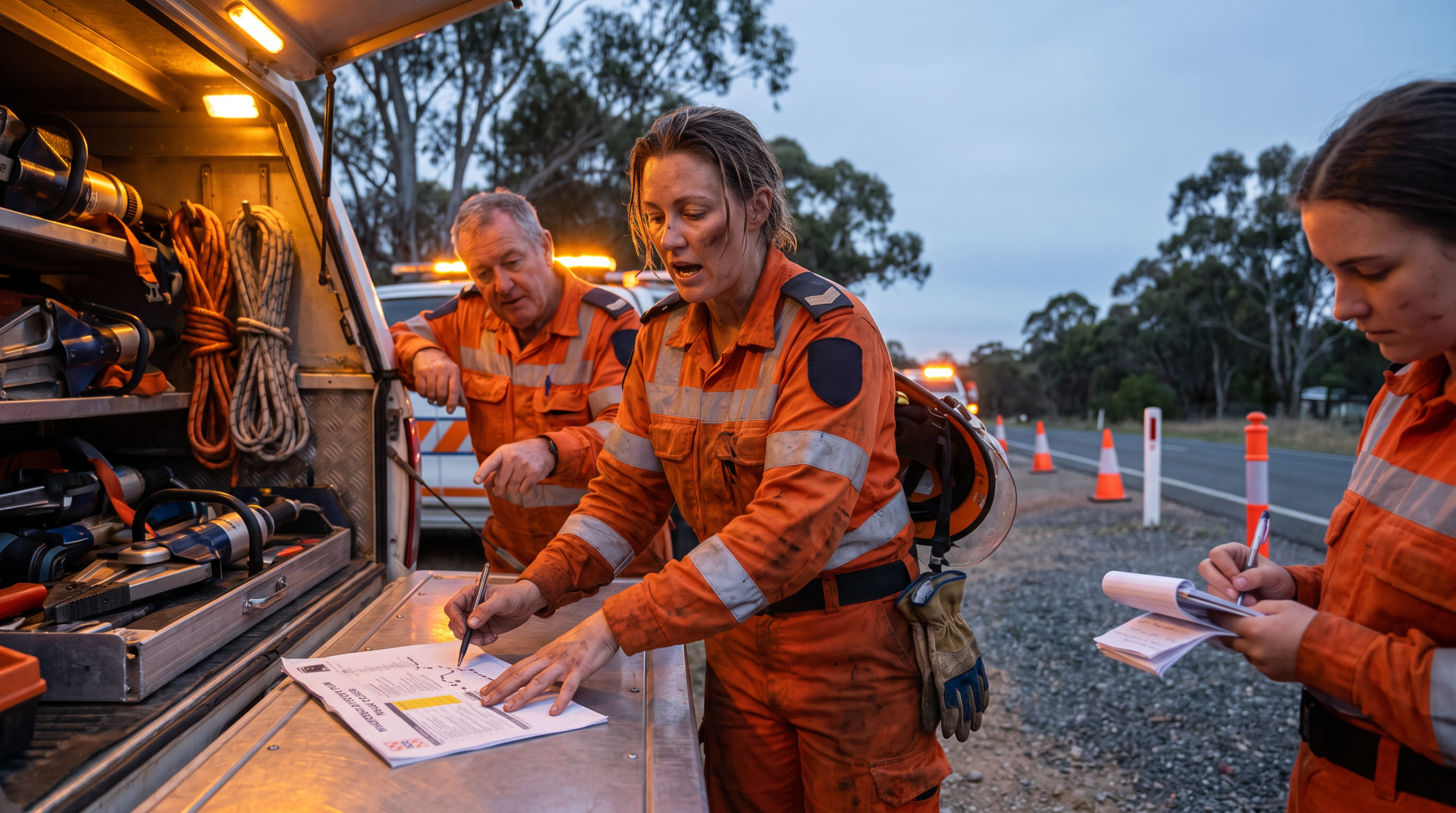
For those in specialised industries such as defence, emergency services, or government sectors, graduate diplomas can provide the formal recognition needed to translate extensive practical experience into recognised qualifications. This is particularly relevant for ADF personnel and emergency services professionals who possess substantial skills but may lack formal credentials.
What Industries Benefit Most from Graduate Diploma Qualifications?
Graduate diplomas are available across numerous industries, with particular strength in business, management, health, education, and technology sectors. Popular specialisations include project management, human resources, marketing, cybersecurity, and public administration.
In the business sector, graduate diplomas in management, leadership, and strategic planning are highly sought after by professionals seeking executive roles. Similarly, technology professionals benefit from graduate diplomas in areas such as information systems, cybersecurity, and data analytics, which provide cutting-edge skills required in digital transformation initiatives.
Healthcare professionals often pursue graduate diplomas to specialise in areas such as health administration, public health, or clinical leadership. These qualifications enable career progression from clinical roles to management and policy positions within healthcare organisations. Find out more about how to nationally recognised diplomas via RPL.
Government and defence sectors particularly value graduate diplomas as they provide formal recognition of skills and knowledge essential for senior roles. The training.gov.au portal lists numerous graduate diploma qualifications relevant to public sector professionals.
Benefits of Graduate Diplomas Through RPL Assessment
Did you know that you can qualify for a graduate diploma through Recognition of Prior Learning? Yes, it’s entirely possible. Even if you don’t possess a formal undergraduate degree, RPL certification can level the playing field by recognising your existing skills, knowledge, and experience gained through work, volunteering, or informal learning.
RPL assessment for graduate diplomas involves demonstrating competency in required learning outcomes through portfolio development, workplace evidence, and skills demonstration. This process recognises that learning occurs in many contexts beyond formal education, making qualifications accessible to experienced professionals who may have entered the workforce directly or through alternative pathways.
The benefits of completing a postgraduate diploma through RPL assessment are substantial. Firstly, it significantly reduces the time required to achieve your qualification, as you’re not required to repeat learning for skills you already possess. This efficiency allows you to focus on genuine skill gaps while gaining formal recognition for existing capabilities.
Secondly, RPL pathways are often more affordable than traditional study methods, as you pay for assessment rather than extended coursework. This makes graduate diplomas accessible to professionals who may not have the financial resources for full-fee university programs.
Ready to explore your options? Complete our RPL assessment form to discover how your experience can translate into formal qualifications.
Why Choose 3CIR for Your Graduate Diploma Journey?
3CIR specialises in delivering graduate diploma qualifications through innovative RPL pathways, recognising the unique needs of working professionals. Our approach combines rigorous assessment standards with practical support, ensuring you achieve meaningful qualifications that genuinely reflect your capabilities.
Our experienced assessors understand various industry contexts, particularly in government, defence, and emergency services sectors. This expertise enables accurate assessment of diverse professional backgrounds and ensures your experience receives appropriate recognition within the Australian Qualifications Framework.
We offer flexible assessment processes that accommodate demanding work schedules, with online and face-to-face options available. Our Brisbane-based team provides personalised support throughout your qualification journey, from initial consultation through to certificate issuance.
Understanding RPL for Graduate Diploma Qualifications
Recognition of Prior Learning represents a fundamental shift in how we view education and qualification attainment. Rather than requiring all learners to follow identical pathways, RPL acknowledges that competence can be developed through various means including workplace experience, professional development, volunteering, and life experiences.
For graduate diploma qualifications, RPL assessment involves demonstrating competence against specific learning outcomes and performance criteria. This process requires comprehensive portfolio development, including evidence such as work samples, supervisor testimonials, professional development certificates, and detailed descriptions of relevant experience.
The RPL pathway is particularly valuable for seasoned professionals who have developed advanced skills through practical application but may lack formal postgraduate credentials. It provides an efficient route to qualification while maintaining rigorous standards expected at AQF Level 8. For more information, understanding RPL.
3CIR’s RPL specialists guide candidates through evidence collection and portfolio development, ensuring submissions meet assessment requirements. Our streamlined process typically takes 8-12 weeks from initial consultation to qualification completion, making it ideal for busy professionals.
Registered Training Organisations like 3CIR must comply with strict ASQA standards when conducting RPL assessments, ensuring qualifications meet national quality benchmarks. This regulatory oversight guarantees your qualification will be recognised by employers and professional bodies across Australia.
Special Considerations for Veterans and Emergency Services Personnel
Veterans and emergency services personnel possess extensive skills and experience that translate directly to graduate diploma competencies. However, military and emergency services training often doesn’t result in formal civilian qualifications, creating barriers to career transition and advancement.
3CIR specialises in working with ADF veterans and emergency services professionals, understanding the unique nature of military and emergency services experience. Our assessors are trained to recognise and evaluate competencies developed in these challenging environments, ensuring appropriate recognition within civilian qualification frameworks.
Common areas where veterans excel include leadership and management, project coordination, risk assessment, strategic planning, and team development. These competencies directly align with graduate diploma learning outcomes in business, management, and public administration qualifications.
Similarly, emergency services personnel often possess advanced skills in crisis management, resource coordination, training delivery, and operational planning. These capabilities form the foundation for graduate diplomas in various fields including public safety, emergency management, and organisational leadership.
As recognition of their service and sacrifice, 3CIR offers a 25% discount on all qualifications for current and former defence and emergency services personnel. This discount applies to RPL assessment fees and any additional training requirements, making advanced qualifications more accessible to those who have served our community.
The transition from military or emergency services to civilian careers can be challenging, but graduate diploma qualifications provide formal recognition that opens doors to leadership roles in corporate, government, and non-profit sectors. Many veterans have successfully leveraged graduate diplomas to launch consultancy practices, secure executive positions, or transition into related fields such as corporate security or risk management.
Take the first step towards recognising your valuable experience by starting your RPL assessment today.
Frequently Asked Questions
How long does it take to complete a graduate diploma through RPL?
RPL assessment for graduate diplomas typically takes 8-12 weeks from initial consultation to qualification completion. The timeframe depends on your experience level and how quickly you can gather required evidence for your portfolio.
Can I pursue a graduate diploma without a bachelor’s degree?
Yes, RPL pathways can lead to graduate diploma qualifications even without formal undergraduate degrees. Your extensive work experience and informal learning can demonstrate competency equivalent to bachelor’s level knowledge and skills.
What evidence do I need for graduate diploma RPL assessment?
You’ll need comprehensive workplace evidence including job descriptions, performance reviews, work samples, project reports, training certificates, and detailed descriptions of your responsibilities and achievements in relevant roles. You can start your free assessment to find out what qualifications match your experience.
Are graduate diplomas recognised by employers across Australia?
Yes, graduate diplomas are nationally recognised AQF Level 8 qualifications. They’re accepted by employers, professional bodies, and government agencies across Australia and internationally as evidence of advanced knowledge and skills.
How does the 25% discount for veterans and emergency services work?
Current and former defence and emergency services personnel receive 25% off all qualification fees at 3CIR. Simply provide proof of service when enquiring, and the discount will be applied to your RPL assessment and any additional training costs.
What career opportunities does a graduate diploma create for ADF veterans?
ADF veterans with graduate diplomas often transition into corporate leadership roles, government positions, project management, consultancy services, training and development, and executive positions in defence contracting organisations.
Can emergency services personnel use their experience for graduate diploma RPL?
Absolutely. Emergency services experience in leadership, crisis management, training delivery, operational planning, and team coordination directly aligns with graduate diploma competencies in business, management, and public administration qualifications.
What’s the difference between a graduate diploma and master’s degree?
Graduate diplomas require fewer credit points (typically 120 vs 180-240 for master’s degrees), don’t require a dissertation or major research project, and can be completed faster. Both are postgraduate qualifications with similar employment recognition.
Which graduate diploma specialisations are most popular?
Popular specialisations include business administration, project management, human resources, marketing, cybersecurity, public administration, health management, and educational leadership, depending on industry demand and career goals.
How do I know if I have enough experience for graduate diploma RPL?
Generally, you need 3-5 years of relevant experience at a supervisory or specialist level. Our initial consultation will assess your background against specific qualification requirements to determine RPL suitability.
Graduate diplomas represent an excellent pathway for career advancement, particularly through RPL recognition of existing skills and experience. Whether you’re seeking promotion, career transition, or formal recognition of your expertise, these qualifications provide the credentials needed to achieve your professional goals.
3CIR’s specialised approach to RPL assessment ensures your valuable experience receives appropriate recognition within nationally recognised qualifications. Our support for veterans and emergency services personnel reflects our commitment to recognising the significant contributions these professionals make to our community.
Don’t let lack of formal qualifications hold back your career advancement. Contact 3CIR today to explore how your experience can translate into a graduate diploma qualification that opens new career opportunities.
Additional Resources and Course Information
Explore these comprehensive video resources to learn more about qualification pathways in key professional areas:
- Leadership: https://youtu.be/7k57ygLXncA
- Human Resources: https://youtu.be/jLUKTpqOOfU
- Workplace Health and Safety: https://youtu.be/6QHTzXlE5C0
- Security Management: https://youtu.be/d20nwpEot8Q
- Business Administration: https://youtu.be/8P_VySE0zjQ
- Marketing: https://youtu.be/VdQxJKmgZfs
- Government Relations: https://youtu.be/PV_knsJnb5E
- Project Management: https://youtu.be/kz7CyEsRNyg