
How a Graduate Diploma Can Take Your Career to the Next Level
A graduate diploma is a postgraduate qualification that can accelerate your career advancement in less time than a traditional master’s degree. These specialised qualifications provide working professionals with advanced skills and knowledge needed for promotions, career changes, or competitive advantage in today’s job market without requiring extended time away from your current role.
What is a Graduate Diploma?
A graduate diploma is a postgraduate academic qualification that sits between a bachelor’s degree and a master’s degree within the Australian Qualifications Framework (AQF). Classified as AQF Level 8, graduate diplomas typically require 12-18 months of study and provide specialised knowledge and skills in a specific field. These qualifications are designed for professionals who already hold a bachelor’s degree and wish to enhance their expertise, change career direction, or meet specific industry requirements. Graduate diplomas often serve as pathways to master’s degrees, with many institutions offering credit transfers. They combine theoretical knowledge with practical application, making them highly valued by employers across various industries. The qualification is recognised nationally through the Australian Skills Quality Authority (ASQA) framework and training.gov.au listings, ensuring consistent standards and industry relevance.
A graduate diploma could be the answer to take your career to the next level. A graduate diploma is a postgraduate qualification that can be completed in less time than a traditional master’s degree. Graduate diplomas are designed for working professionals who want to gain new skills and knowledge without taking a break from their careers. This comprehensive guide will explore how a graduate diploma can help you take your career to the next level.
How Can a Graduate Diploma Give You an Edge in a Competitive Job Market?
In today’s job market, it’s not enough to have a bachelor’s degree. Employers are looking for candidates with advanced skills and knowledge in their field. A graduate diploma can give you an edge over other candidates by demonstrating your commitment to lifelong learning and professional development.
The Australian employment landscape has become increasingly competitive, with employers seeking candidates who possess both foundational knowledge and specialised expertise. Graduate diplomas bridge this gap by providing targeted, industry-relevant skills that directly translate to workplace performance. These qualifications demonstrate to potential employers that you’re serious about your professional development and willing to invest in acquiring cutting-edge competencies.
Furthermore, many industries now require specific certifications or qualifications for advancement. A graduate diploma can fulfil these requirements while positioning you as a thought leader in your field. The focused nature of these programs means you’ll develop deep expertise in areas that matter most to your career trajectory.
Ready to advance your career with a graduate diploma? Start Your RPL Assessment Today
Can a Graduate Diploma Help You Secure a Promotion or Pay Rise?
If you’re looking to secure a promotion or pay rise, a graduate diploma can help you demonstrate to your employer that you have the advanced skills and knowledge needed for the next level of your career. Many organisations recognise graduate diplomas as evidence of enhanced capability and leadership potential.
Research consistently shows that employees with postgraduate qualifications earn higher salaries than their counterparts with only undergraduate degrees. The specialised knowledge gained through a graduate diploma directly correlates with increased earning potential, as employers value the advanced competencies these programs develop.
Additionally, graduate diplomas often include leadership, management, and strategic thinking components that are essential for senior roles. By completing a graduate diploma, you’re not only gaining technical expertise but also developing the soft skills necessary for career advancement. This combination makes you an ideal candidate for promotion within your current organisation or for senior positions elsewhere.
How Does a Graduate Diploma Support Career Change Aspirations?
If you want to make a career change, a graduate diploma can help you acquire the skills and knowledge needed for your new field. It can also be a stepping stone towards further study in your desired area. The focused curriculum of graduate diplomas allows for efficient skill transfer between industries.
Career transitions can be challenging, particularly when moving to fields that require specific expertise or credentials. Graduate diplomas provide an efficient pathway for professionals to gain credibility in new industries without the time and financial investment required for a full master’s degree. Many programs are designed with career changers in mind, offering practical, hands-on experience alongside theoretical knowledge.
The networking opportunities available through graduate diploma programs are invaluable for career changers. You’ll connect with professionals from your target industry, building relationships that can lead to job opportunities and ongoing professional support. These connections often prove as valuable as the qualification itself.
What Are the Key Benefits of Pursuing Graduate Diploma Studies?
Graduate diploma studies offer numerous advantages for working professionals seeking career advancement. The flexible study options available through many registered training organisations (RTOs) allow you to balance work, study, and personal commitments effectively. Many programs offer evening classes, weekend workshops, or online delivery modes that accommodate busy schedules. Find out more about how to RPL qualifications available.
The curriculum design of graduate diplomas focuses on practical application of theoretical concepts. This approach ensures that what you learn can be immediately implemented in your workplace, providing immediate value to both you and your employer. The relevance of the content to current industry practices makes graduate diplomas particularly attractive to employers.
Additionally, the shorter duration of graduate diplomas compared to master’s degrees means you can see career benefits sooner while maintaining momentum in your current role. This makes them an ideal choice for professionals who want to advance their careers without significant disruption to their current responsibilities.
Which Industries Value Graduate Diploma Qualifications Most Highly?
Certain industries particularly value graduate diploma qualifications due to their specific skill requirements and professional standards. The education sector highly regards graduate diplomas in areas such as adult education, educational leadership, and specialised teaching disciplines. Healthcare professionals often pursue graduate diplomas in areas like health administration, mental health, or specific clinical specialisations.
The business and finance sectors value graduate diplomas in management, human resources, project management, and business administration. These qualifications provide the strategic thinking and operational skills necessary for senior business roles. Technology professionals increasingly pursue graduate diplomas in emerging areas such as cybersecurity, data analytics, and digital transformation.
Government and public sector organisations also recognise graduate diplomas as valuable credentials for policy development, public administration, and specialised government services. Training.gov.au provides comprehensive information about nationally recognised graduate diploma programs across all industry sectors.
Explore graduate diploma pathways for your industry. Get Your Free RPL Assessment
How Do Graduate Diplomas Compare to Other Postgraduate Options?
When considering postgraduate study options, it’s important to understand how graduate diplomas compare to other qualifications. Graduate diplomas typically require 12-18 months of study compared to 2-3 years for master’s degrees. This shorter timeframe makes them attractive for professionals seeking quick career advancement without extended time commitments.
Graduate certificates, while shorter in duration (6-12 months), provide less comprehensive coverage than graduate diplomas. Graduate diplomas offer more depth and breadth of knowledge, making them more valuable for significant career advancement. They also provide better preparation for further postgraduate study if you choose to pursue a master’s degree later.
The Australian Qualifications Framework clearly defines the learning outcomes and requirements for each qualification level. Graduate diplomas at AQF Level 8 provide substantial knowledge and skills that can be immediately applied in professional contexts, making them highly practical qualifications for career development.
What Role Does Recognition of Prior Learning Play in Graduate Diplomas?
Recognition of Prior Learning (RPL) plays a crucial role in graduate diploma programs, particularly for experienced professionals. RPL allows you to gain credit for skills and knowledge acquired through work experience, previous training, or life experiences. This can significantly reduce the time and cost required to complete your graduate diploma.
Many working professionals possess substantial expertise gained through years of practical experience. RPL assessments evaluate this experience against the learning outcomes of graduate diploma units, potentially granting advanced standing or exemptions. This process recognises that learning occurs in various contexts, not just formal education settings.
For professionals in specialised fields, RPL can be particularly valuable. Your existing expertise may align closely with graduate diploma requirements, allowing you to focus on areas where you need additional development rather than repeating knowledge you already possess. This targeted approach makes graduate diploma study more efficient and relevant to your career goals.
3CIR specialises in providing comprehensive Recognition of Prior Learning services that help professionals identify and document their existing skills and knowledge. Our expert assessors work with you to map your experience against qualification requirements, maximising your chances of gaining credit for prior learning. For more information, learn how RPL works.
Recognition of Prior Learning for Graduate Diploma Programs
Recognition of Prior Learning (RPL) represents a cornerstone of the Australian VET system, enabling experienced professionals to gain formal qualifications based on their existing skills and knowledge. For graduate diploma candidates, RPL offers an efficient pathway to qualification completion by recognising workplace learning, professional development, and life experiences.
The RPL process involves comprehensive assessment of your current competencies against the specific learning outcomes required for graduate diploma completion. This assessment considers your work history, professional achievements, training records, and practical demonstrations of skill application. Many professionals discover they already possess significant portions of the knowledge and skills required for their target qualification.
RPL assessments are conducted by qualified assessors who understand both industry requirements and educational standards. They work collaboratively with candidates to identify areas where existing expertise aligns with qualification requirements and where additional learning may be needed. This personalised approach ensures that your unique professional background is fully recognised and valued.
The documentation process for RPL involves gathering evidence of your capabilities through various means including work samples, supervisor references, professional portfolios, and practical demonstrations. Our experienced team guides you through this process, ensuring that all relevant experience is captured and presented effectively to maximise your RPL outcomes.
Maximise your prior learning recognition potential. Begin Your RPL Journey Today
Graduate Diplomas for Veterans and Emergency Services Personnel
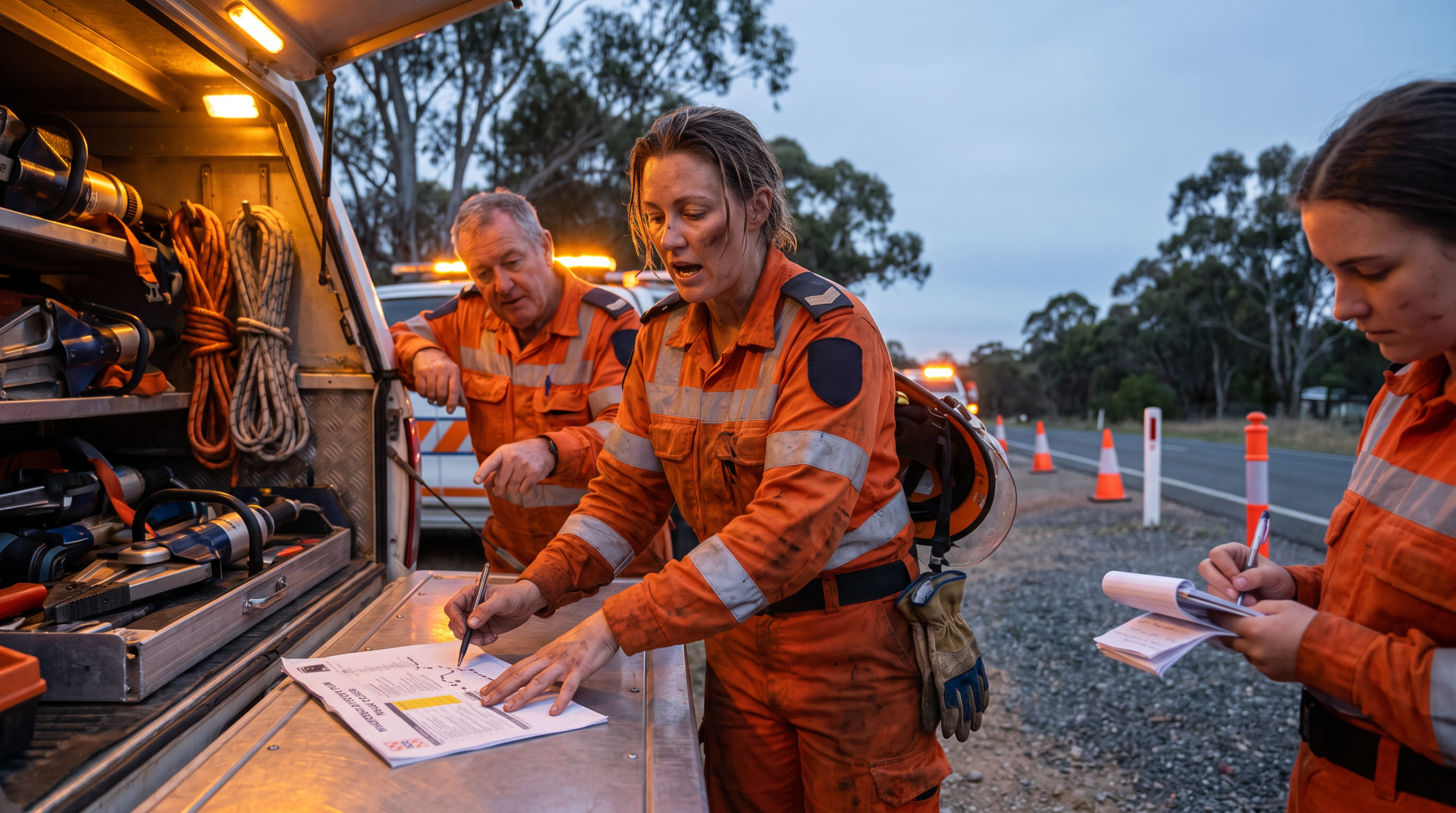
Veterans and emergency services personnel possess unique skills and experiences that translate exceptionally well to civilian careers through graduate diploma programs. Military service members and emergency responders develop leadership, crisis management, strategic planning, and team coordination skills that are highly valued in civilian workplaces.
The transition from military or emergency services to civilian careers can be enhanced significantly through targeted graduate diploma study. These programs provide formal recognition of your existing capabilities while adding civilian-focused knowledge and credentials that employers readily understand and value. Areas such as project management, business administration, human resources, and public safety management are particularly relevant for veterans and emergency services personnel.
3CIR recognises the exceptional value that veterans and emergency services personnel bring to graduate diploma programs. We understand the unique challenges faced during career transitions and provide specialised support to help you leverage your existing expertise while developing new competencies for civilian career success.
Our comprehensive approach includes detailed skills mapping to identify how your military or emergency services experience aligns with graduate diploma requirements. We work closely with you to develop a personalised study plan that maximises recognition of your existing capabilities while addressing any gaps in civilian-specific knowledge or credentials.
Special Recognition for Service: 3CIR proudly offers a 25% discount on all programs for current and former defence and emergency services personnel. This discount recognises your service contribution and supports your successful transition to civilian career advancement. Our veteran-friendly approach ensures you receive the support and recognition you deserve throughout your educational journey.
The skills acquired through military and emergency services experience often exceed those of typical graduate diploma candidates. Leadership under pressure, resource management, strategic planning, and team development are core competencies that translate directly to senior civilian roles. Our RPL process ensures these valuable skills receive appropriate recognition and credit.
Frequently Asked Questions About Graduate Diplomas
What is the difference between a graduate diploma and a master’s degree?
A graduate diploma typically requires 12-18 months of study compared to 2-3 years for a master’s degree. Graduate diplomas focus on practical, industry-specific skills while master’s degrees include more research and theoretical components. Both are postgraduate qualifications but graduate diplomas offer quicker career advancement opportunities.
Can I use a graduate diploma as a pathway to further study?
Yes, graduate diplomas often provide credit towards master’s degree programs. Many institutions offer pathways where graduate diploma graduates can complete a master’s degree with reduced study time. This makes graduate diplomas excellent stepping stones for those considering eventual master’s level study. You can check your RPL eligibility to find out what qualifications match your experience.
How long does it take to complete a graduate diploma through RPL?
RPL can significantly reduce completion time depending on your existing experience and skills. Some candidates complete graduate diplomas in 6-12 months through RPL, while others may need additional study. The timeframe depends on how closely your experience matches qualification requirements.
Are graduate diplomas recognised by employers in Australia?
Yes, graduate diplomas are nationally recognised qualifications under the Australian Qualifications Framework. Employers across all industries value graduate diplomas as evidence of advanced skills and commitment to professional development. They’re particularly valued in education, business, healthcare, and government sectors.
What graduate diploma options are available for ADF personnel transitioning to civilian careers?
ADF personnel have excellent opportunities in graduate diplomas including business administration, project management, human resources, cybersecurity, and leadership programs. Military experience often provides substantial RPL credit, making these programs highly accessible and relevant for career transition.
Can emergency services personnel gain RPL credit for graduate diploma programs?
Emergency services experience provides valuable RPL opportunities, particularly for programs in public safety management, crisis management, leadership, and business administration. Your existing training and operational experience often aligns closely with graduate diploma requirements, potentially reducing study time significantly.
Do I need to stop working to complete a graduate diploma?
No, graduate diplomas are designed for working professionals. Most programs offer flexible delivery including evening classes, weekend workshops, online study, and blended learning options. This flexibility allows you to maintain your career while advancing your qualifications.
What support is available for graduate diploma students at 3CIR?
3CIR provides comprehensive student support including academic guidance, RPL assessment, career counselling, and flexible study arrangements. Our experienced team understands the challenges of balancing work and study, providing personalised support throughout your program.
How much can a graduate diploma increase my salary potential?
Graduate diploma graduates typically see meaningful salary growth within two years of completion. The exact increase depends on your industry, current role, and how you apply your new skills. Many graduates also gain promotions that provide additional salary benefits.
Are online graduate diplomas as valuable as face-to-face programs?
Yes, online graduate diplomas from accredited RTOs provide the same qualification value as face-to-face programs. The learning outcomes and assessment standards are identical regardless of delivery mode. Online programs offer additional flexibility for working professionals while maintaining educational quality and industry recognition.
A graduate diploma is an excellent way to advance your career. Whether you want to change careers, secure a promotion, or stay ahead of the competition, a graduate diploma can help you achieve your goals. The combination of practical skills, industry recognition, and flexible study options makes graduate diplomas ideal for busy professionals seeking career advancement.
The investment in a graduate diploma provides substantial returns through increased earning potential, promotion opportunities, and enhanced professional credibility. For veterans and emergency services personnel, the transition support and recognition of existing skills make graduate diplomas particularly valuable for successful civilian career development.
Take the next step in your career advancement journey. Start Your Graduate Diploma Assessment Now
Explore Our Graduate Diploma Video Resources
Discover how graduate diplomas can enhance your expertise across various fields with our comprehensive video library: