8 Different Interview Types and How to Nail Them | Complete Guide for Job Success
What Are Job Interview Types?
Job interview types refer to the various structured formats and methodologies that employers and recruitment professionals utilise to evaluate potential candidates during the hiring process. These interview formats range from traditional one-on-one conversations to complex panel assessments, each designed to assess different aspects of a candidate’s suitability for a specific role. The choice of interview type typically depends on factors such as company culture, position requirements, available resources, and the specific competencies being evaluated. Modern interview approaches have evolved significantly with technological advancement, incorporating virtual platforms and innovative assessment techniques. Understanding these different formats enables candidates to prepare appropriately and demonstrate their professional capabilities effectively, regardless of the interview structure employed by prospective employers.
Understanding Modern Interview Formats in Today’s Job Market
There is a range of different interview approaches that employers and recruiters use when they’re searching for the right talent. The interview landscape has evolved dramatically in recent years, with organisations adopting diverse methodologies to identify candidates who possess both technical competencies and cultural alignment.
Each different interview style comes with its own nuances and it’s important you’re able to adapt to each specific platform if you want to get the role. Your ability to navigate these various formats demonstrates professional flexibility and preparation, qualities highly valued by employers across all industries.
Here’s eight different interview types and some suggestions on how to nail them, along with comprehensive strategies to maximise your success in each format.
What Makes One-on-One Interviews the Most Common Format?
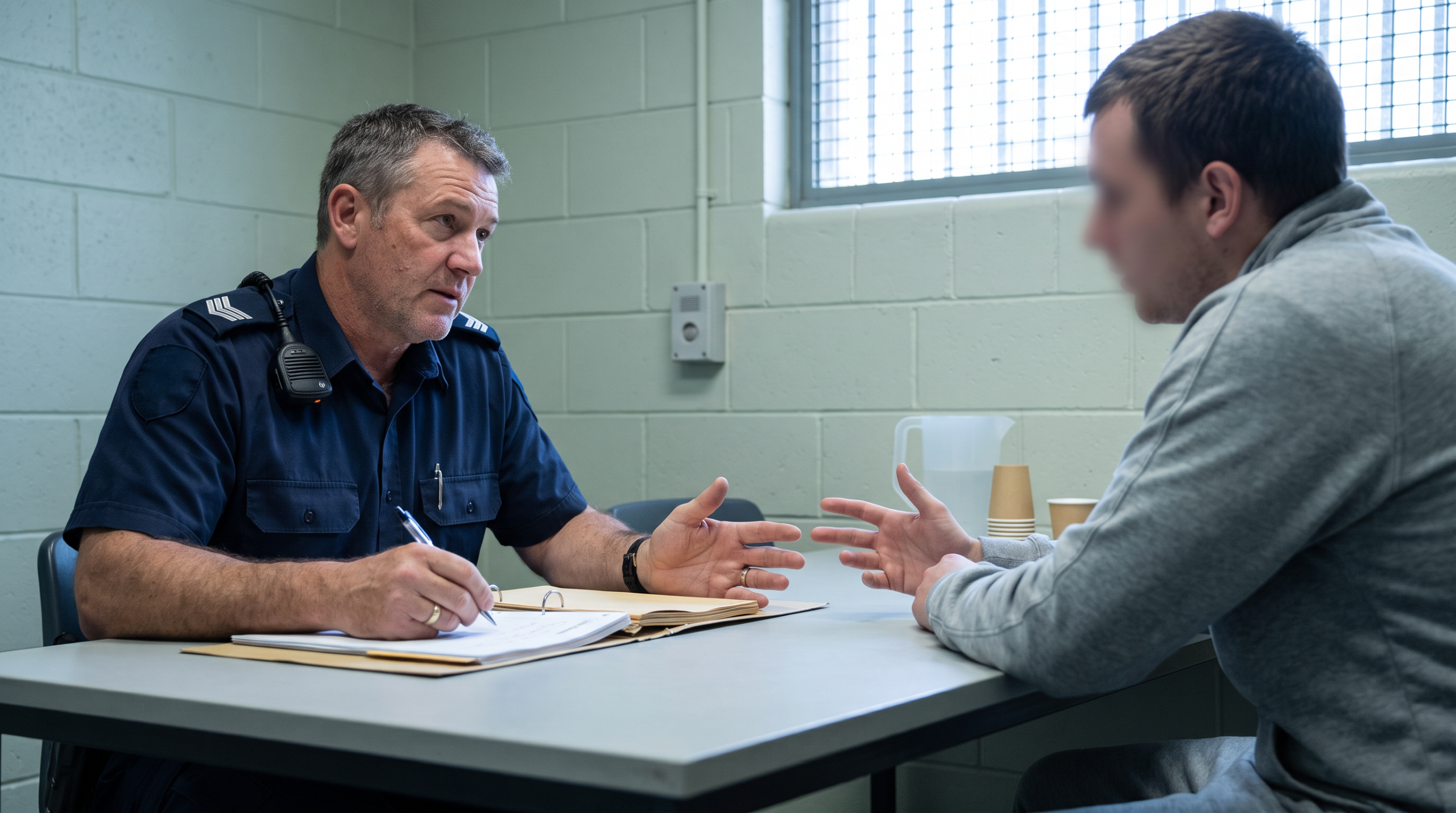
This is one of the most common interview types. In this scenario, it will be you and your interviewer in the room and you will be asked a series of traditionally formal questions that are designed to tease out your skills and personality.
More than any other approach, this interview style will give you the best opportunity to build a strong rapport with the interviewer. The intimate setting allows for deeper conversation and enables you to showcase your communication skills whilst establishing meaningful professional connections.
To excel in one-on-one interviews, maintain consistent eye contact and engage in active listening. Prepare thoughtful questions about the role and organisation, demonstrating your genuine interest and research capabilities. This format provides excellent opportunities to share detailed examples of your professional achievements and career aspirations.
How Should You Approach Informal Coffee Interviews?
A danger with informal interviews is that you let down your guard and treat it like a friendly catch-up. Ordinarily, it will be just you and the interviewer in a relaxed setting, like a café. While the environment is less formal and the tone of these interviews is often more relaxed, it’s important that you remain professional.
It might be helpful to have a notepad in front of you so that you can write down any important points. “Make sure you also have a hard copy of your CV, cover letter and job description,” says Erin Chambers, from Careering Onwards. Having them sitting in front of you can help to keep you focused on the task at hand.
Despite the casual atmosphere, dress professionally and arrive punctually. Use this format to demonstrate your authentic personality while maintaining professional boundaries. The relaxed environment often reveals more about cultural fit and interpersonal skills than traditional office settings.
What Strategies Work Best for Panel Interviews?
With all eyes on you, it’s sometimes hard to know where to look when a panel of people are interviewing you. The interview room will usually be configured so that you’re sitting in front of a row of people who will take turns to ask you questions.
A good rule of thumb is to address your response to the person who asked the question, whilst periodically making eye contact with other panel members. This approach ensures everyone feels included whilst maintaining focus on the questioner.
Prepare for panel interviews by researching each member’s role within the organisation. Bring multiple copies of your resume and portfolio materials. Panel interviews often indicate senior-level positions or roles requiring cross-departmental collaboration, so emphasise your teamwork and leadership capabilities.
Enhance your interview readiness with 3CIR’s professional development qualifications designed to build confidence and communication skills. Find out more about how to learn about Recognition of Prior Learning.
Advanced Interview Formats and Digital Platforms
How Can You Excel in Video Interviews?
Video interviews have become increasingly prevalent, especially following global workplace transformations. These interviews require specific technical preparation alongside traditional interview skills. Ensure your technology functions properly, test your internet connection, and familiarise yourself with the platform being used.
Position your camera at eye level to create natural interaction dynamics. Choose a neutral background and professional lighting that clearly illuminates your face. Dress professionally, even if only the upper portion of your body is visible, as this maintains the appropriate mindset and professional appearance.
During video interviews, speak slightly slower than usual and pause between responses to account for potential audio delays. Maintain eye contact with the camera rather than the screen to create the impression of direct eye contact with interviewers.
What Techniques Help You Manage Behavioural Interviews?
Behavioural interviews focus on past experiences to predict future performance. Interviewers ask questions beginning with phrases like “Tell me about a time when…” or “Describe a situation where…” These questions require specific examples demonstrating your capabilities in real-world scenarios.
Utilise the STAR method (Situation, Task, Action, Result) to structure your responses effectively. Begin by describing the context, explain your specific responsibilities, detail the actions you took, and conclude with measurable results or outcomes.
Prepare multiple examples across different competency areas including leadership, problem-solving, teamwork, and conflict resolution. Leadership and management qualifications can provide you with additional examples and frameworks for these discussions.
How Do You Succeed in Stress Interviews?
Stress interviews intentionally create pressure to observe how candidates respond under challenging circumstances. Interviewers might ask provocative questions, create time pressure, or present hypothetical crisis scenarios requiring immediate responses.
Maintain composure by taking deep breaths and pausing before responding. Remember that your reaction to stress is being evaluated rather than necessarily finding perfect answers. Demonstrate professionalism, logical thinking, and emotional regulation throughout the experience.
These interviews often occur for roles involving high-pressure environments, crisis management, or leadership positions. Research the organisation’s challenges and industry pressures to better understand the context behind these assessment methods.
What Should You Expect from Group Interviews?
Group interviews involve multiple candidates being assessed simultaneously through discussions, activities, or collaborative exercises. These formats evaluate teamwork, leadership potential, communication skills, and competitive behaviour in professional contexts.
Demonstrate collaborative leadership by facilitating inclusive discussions and building upon others’ contributions. Avoid dominating conversations whilst ensuring your voice is heard through meaningful contributions and thoughtful questions.
Listen actively to other candidates and respond respectfully to different perspectives. Employers observe how you interact with peers, manage disagreements, and contribute to collective problem-solving efforts.
How Can You Handle Case Study Interviews?
Case study interviews present business scenarios requiring analytical thinking and problem-solving capabilities. These interviews are common in consulting, finance, management, and strategic roles where analytical skills are paramount.
Approach case studies systematically by clarifying the problem, gathering relevant information, developing frameworks for analysis, and presenting logical recommendations. Think aloud during your analysis so interviewers can follow your reasoning process. For more information, RPL qualifications available.
Practice with various business case types including market entry, profitability analysis, operational improvements, and strategic planning scenarios. Business qualification courses provide excellent foundations for case study analysis and strategic thinking skills.
Recognition of Prior Learning (RPL) and Interview Success
Recognition of Prior Learning (RPL) through registered training organisations like 3CIR can significantly enhance your interview performance by providing formal qualifications that validate your existing skills and experience. RPL assessments evaluate your current competencies against national training package standards, resulting in recognised credentials that strengthen your professional profile.
Your existing work experience, particularly in leadership roles, project management, or specialised technical areas, may already meet the requirements for formal qualifications. RPL enables you to gain these credentials without completing full courses, saving time whilst enhancing your career prospects.
During interviews, formally recognised qualifications demonstrate your commitment to professional development and provide concrete evidence of your capabilities. Start your RPL assessment today to discover which qualifications you may already be eligible to receive based on your experience.
The Australian Qualifications Framework ensures that RPL qualifications are recognised across industries and provide portable credentials that enhance your professional mobility and career advancement opportunities.
Special Considerations for Veterans and Emergency Services Personnel
Australian Defence Force (ADF) personnel and emergency services professionals possess unique skills and experiences that translate effectively into civilian career opportunities. Your military or emergency services background demonstrates discipline, leadership, teamwork, and crisis management capabilities highly valued by employers.
During interviews, translate military or emergency services terminology into civilian language whilst highlighting transferable skills. Emphasise your experience with structured processes, training others, managing resources under pressure, and maintaining high safety standards.
3CIR recognises the exceptional value that veterans and emergency services personnel bring to the workforce. As a veteran-owned organisation, we understand the challenges of career transition and provide 25% discount on all qualifications for current and former defence and emergency services personnel.
Your leadership experience in high-stakes environments, ability to make critical decisions under pressure, and commitment to continuous learning are significant advantages in interview situations. Security and risk management qualifications can further enhance your credentials whilst building upon your existing expertise.
Many civilian employers actively seek candidates with military or emergency services backgrounds for roles requiring reliability, integrity, and strong work ethics. Leverage these strengths whilst demonstrating your adaptability to civilian workplace cultures and practices.
Frequently Asked Questions About Interview Types
What should you wear to different interview types?
Professional attire is essential regardless of interview format. For formal interviews, wear business formal clothing. Casual coffee interviews still require business casual or smart casual attire to maintain professionalism while appearing approachable.
How early should you arrive for various interview formats?
Arrive 10-15 minutes early for in-person interviews to allow time for check-in procedures. For video interviews, log in 5-10 minutes early to test technology and ensure everything functions properly.
What questions should ADF veterans prepare for civilian interviews?
Veterans should prepare to explain military experience in civilian terms, discuss leadership examples, describe team management situations, and explain how defence skills transfer to civilian roles. Prepare specific examples demonstrating adaptability and learning agility. You can start your free assessment to find out what qualifications match your experience.
How do emergency services personnel highlight transferable skills?
Emergency services professionals should emphasise crisis management, decision-making under pressure, community service experience, training and mentoring others, and maintaining high safety standards. These skills directly translate to many civilian leadership roles.
What follow-up actions work best after interviews?
Send personalised thank-you emails within 24 hours, addressing specific discussion points from the interview. Reference particular topics discussed and reiterate your interest in the role and organisation.
How can RPL qualifications enhance your interview performance?
RPL qualifications provide formal validation of your existing skills, demonstrate commitment to professional development, and offer concrete evidence of your competencies. They strengthen your professional credibility during interview discussions.
What technology preparation is essential for video interviews?
Test your internet connection, camera, microphone, and interview platform in advance. Ensure proper lighting, eliminate background noise, and have backup communication methods available. Practice using the technology beforehand.
How should you handle unexpected interview format changes?
Remain flexible and professional when interview formats change unexpectedly. Ask clarifying questions about the new format, adapt your preparation accordingly, and view format changes as opportunities to demonstrate adaptability.
What research strategies work best for panel interviews?
Research each panel member’s role, background, and departmental responsibilities. Understand the organisation’s structure and how different departments collaborate. Prepare questions relevant to each member’s expertise area.
How can you manage interview nerves across different formats?
Practice relaxation techniques, prepare thoroughly for each format type, arrive early to settle in, maintain proper breathing, and remember that nervousness is normal. Focus on having conversations rather than perfect performances.
Maximise Your Interview Success
Understanding and preparing for different interview types significantly increases your chances of career success. Each format provides unique opportunities to demonstrate your professional capabilities, personality, and cultural fit within organisations.
Your ability to adapt to various interview styles showcases professional flexibility and preparation, qualities that employers value highly. Whether facing traditional one-on-one conversations or complex panel assessments, thorough preparation and understanding of format-specific strategies will enhance your performance.
For ADF veterans and emergency services personnel, your unique backgrounds provide significant advantages in interview situations. Combined with formal qualifications through RPL, these experiences create powerful professional profiles that appeal to diverse employers.
Begin your professional development journey with 3CIR today and discover how Recognition of Prior Learning can enhance your career prospects through formally recognised qualifications.
Additional Resources
Explore these professional development videos to enhance your career readiness:
- Leadership: https://youtu.be/7k57ygLXncA
- HR: https://youtu.be/jLUKTpqOOfU
- WHS: https://youtu.be/6QHTzXlE5C0
- Security: https://youtu.be/d20nwpEot8Q
- Business: https://youtu.be/8P_VySE0zjQ
- Marketing: https://youtu.be/VdQxJKmgZfs
- Government: https://youtu.be/PV_knsJnb5E
- Project Management: https://youtu.be/kz7CyEsRNyg