
Continual Learning: Why It’s More Important Than Ever in Professional Development
Continual learning is essential for professional success in today’s rapidly evolving business environment. With technological advancements and changing market demands, ongoing education through formal qualifications, online courses, and skill development helps maintain career relevance and competitiveness in Australia’s dynamic workforce.
What is Continual Learning?
Continual learning, also known as lifelong learning, refers to the ongoing pursuit of knowledge and skills throughout your professional career. This educational approach encompasses formal training, informal learning experiences, professional development courses, and skills enhancement activities that occur beyond traditional educational settings. In the Australian Vocational Education and Training (VET) sector, continual learning is recognised through the Australian Qualifications Framework (AQF), which provides pathways for individuals to progress from Certificate I through to Doctoral degrees. The concept emphasises adaptability and a growth mindset, enabling professionals to remain current with industry trends, technological advancements, and evolving workplace requirements while building upon existing competencies.
The Global Rise of Lifelong Learning in Professional Development
The experiences from teaching and coaching executives in international MBA programs demonstrate a profound shift in how professionals approach their careers. These talented executives worldwide have prioritised learning in their lives, juggling family, work, travel, and school commitments. This dedication isn’t merely an academic pursuit—it’s strategic career development.
All around the world, people are returning to formal education, enrolling in nationally recognised training courses and mastering new competencies. This global trend reflects the reality that traditional career paths no longer guarantee long-term professional success. In Australia’s competitive job market, professionals who embrace continual learning through Registered Training Organisations (RTOs) and TAFE institutions position themselves for greater opportunities and career advancement.
Why is Continual Learning Critical in Today’s Workplace?
The pace of technological change has accelerated exponentially. Artificial intelligence, automation, and digital transformation are reshaping industries across Australia. Skills that were valuable five years ago may become obsolete, whilst new competencies emerge as essential requirements. Professionals who fail to adapt through ongoing education risk career stagnation or redundancy.
Your career longevity depends on your ability to evolve with industry demands. The Australian Qualifications Framework provides structured pathways for professional advancement, ensuring qualifications remain nationally consistent and recognised. This framework supports continual learning by offering clear progression routes from foundational certificates to advanced diplomas and beyond.
Additionally, the COVID-19 pandemic demonstrated how quickly workplace dynamics can shift. Remote work technologies, digital collaboration tools, and virtual training platforms became essential overnight. Professionals who had invested in continual learning were better equipped to adapt to these sudden changes, highlighting the importance of maintaining current skills and knowledge.
What Are the Key Benefits of Lifelong Professional Learning?
Career advancement represents the most tangible benefit of continual learning. Professionals with current qualifications and skills command higher salaries and access better opportunities. Recognition of Prior Learning (RPL) enables experienced workers to convert their practical expertise into formal qualifications, accelerating career progression without lengthy study periods.
Professional confidence increases significantly when you possess relevant, up-to-date knowledge. This confidence translates into better performance, leadership opportunities, and career satisfaction. Employers value team members who demonstrate commitment to professional development and bring fresh perspectives to workplace challenges.
Network expansion occurs naturally through educational pursuits. Whether attending face-to-face training in Brisbane or participating in online learning communities, you connect with like-minded professionals, industry experts, and potential mentors. These relationships often prove invaluable for career opportunities and professional growth.
Adaptability improves through exposure to diverse learning experiences. Continual learners develop resilience and flexibility, enabling them to navigate industry changes and embrace new challenges with confidence. This adaptability becomes increasingly valuable as workplace requirements continue evolving.
How Can You Implement Effective Continual Learning Strategies?
Formal qualification pathways offer structured learning approaches aligned with industry standards. Training packages developed by industry experts ensure your learning outcomes meet current workplace requirements. Certificate, diploma, and advanced diploma qualifications provide recognised credentials that employers value and trust. Find out more about how to learn about Recognition of Prior Learning.
Professional development planning should align with your career goals and industry trends. Identify skill gaps through performance reviews, industry reports, and job market analysis. Create learning objectives that address these gaps whilst building on existing strengths. Regular plan reviews ensure your learning remains relevant and targeted.
Microlearning approaches break complex topics into manageable segments, fitting busy professional schedules. Online modules, webinars, and short courses enable learning during commutes, lunch breaks, or evenings. This flexibility removes traditional barriers to professional education.
Practical application accelerates learning retention and demonstrates competency. Seek opportunities to apply new knowledge in workplace projects, volunteer activities, or professional associations. This hands-on experience reinforces theoretical learning whilst building practical expertise.
How Do Australian Industries Benefit from Continual Learning?
Industry competitiveness improves when organisations invest in employee development. Companies with skilled, knowledgeable workforces adapt more effectively to market changes and technological disruptions. This competitive advantage translates into better business outcomes and industry leadership.
Skills shortages represent significant challenges across Australian industries. Healthcare, construction, information technology, and renewable energy sectors particularly struggle with qualified personnel. Continual learning initiatives help address these shortages by upskilling existing workers and attracting new talent to essential industries.
Innovation flourishes in learning-focused organisations. Employees with diverse knowledge and current skills contribute fresh ideas, improved processes, and creative solutions. This innovation drives productivity improvements and business growth across all sectors.
Regulatory compliance requirements in many industries necessitate ongoing education. Australian Skills Quality Authority (ASQA) standards ensure training quality and relevance. Professionals in regulated industries must maintain current knowledge through continuing professional development to meet licensing and certification requirements.
Recognition of Prior Learning: Accelerating Your Educational Journey
Recognition of Prior Learning (RPL) represents a revolutionary approach to formal qualification attainment. This VET sector innovation acknowledges that valuable learning occurs through work experience, volunteer activities, and informal education. Rather than repeating familiar content, RPL enables you to demonstrate existing competencies and receive appropriate qualifications.
The RPL process involves comprehensive assessment of your skills, knowledge, and experience against nationally recognised training package requirements. Qualified assessors evaluate portfolios, conduct interviews, and observe practical demonstrations to determine competency levels. This thorough approach ensures qualification integrity whilst recognising genuine expertise.
Time and cost efficiencies make RPL particularly attractive for experienced professionals. Instead of completing entire courses, you focus assessment efforts on competency gaps. This targeted approach reduces study time, training costs, and time away from work whilst achieving the same qualification outcomes as traditional students.
Portfolio development requires careful documentation of your experience and achievements. Include employment records, project outcomes, training certificates, performance reviews, and professional references. Quality evidence demonstrates competency clearly and supports successful RPL assessment outcomes. For more information, RPL qualifications available.
Ready to explore RPL opportunities? Complete your RPL assessment form to discover how your experience translates into formal qualifications.
Veterans and Emergency Services: Recognising Your Professional Expertise
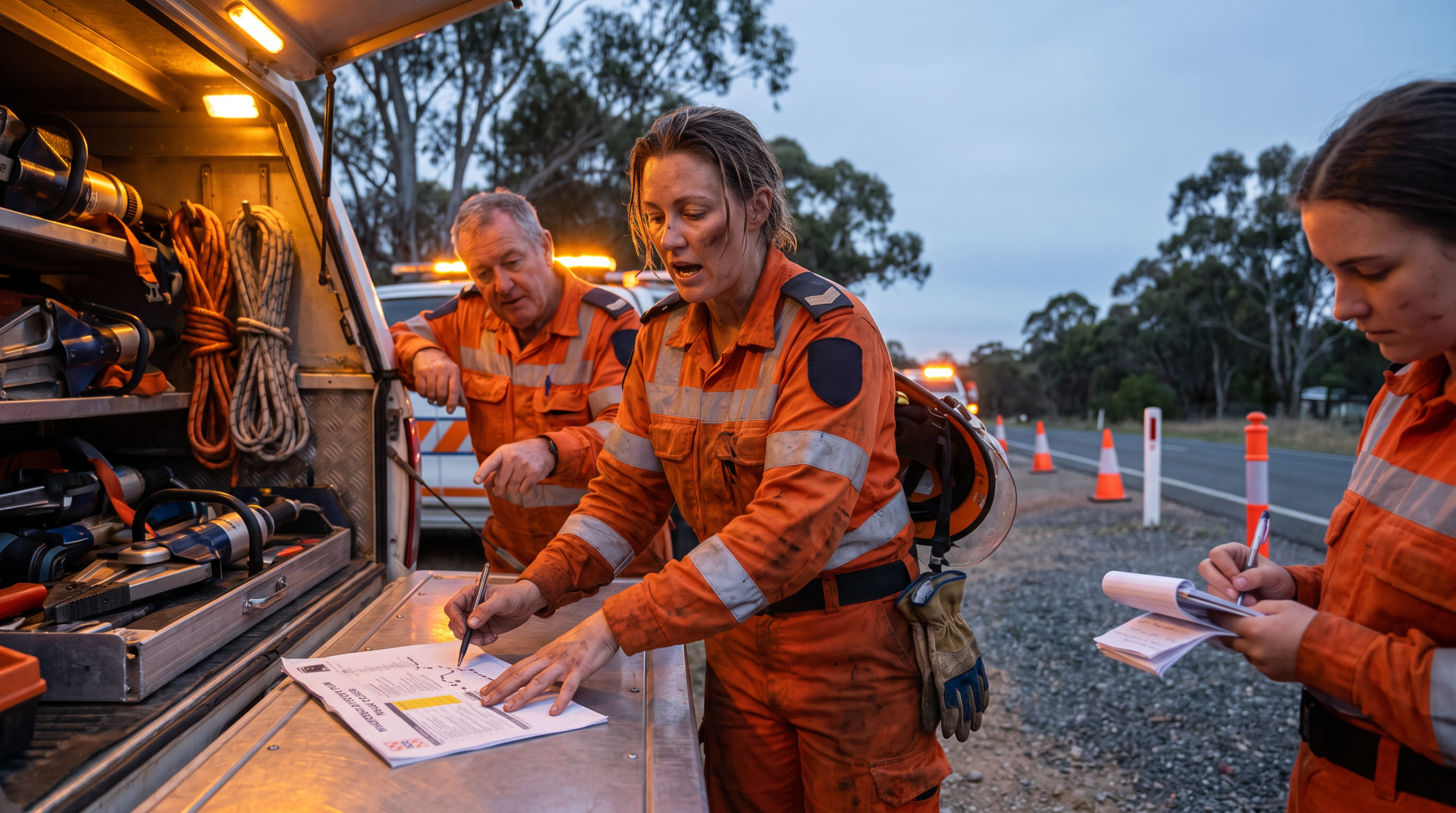
Australian Defence Force (ADF) personnel and emergency services professionals possess exceptional skills and experience through their service careers. Military training develops leadership, problem-solving, teamwork, and technical competencies that translate directly to civilian employment opportunities. Emergency services experience builds crisis management, communication, and operational skills valued across industries.
Career transition challenges often involve translating military or emergency services experience into civilian qualifications. Employers may struggle to understand ADF training equivalencies or emergency services competencies without formal civilian credentials. RPL bridges this gap by converting practical experience into nationally recognised qualifications.
3CIR specialises in supporting veterans and emergency services personnel through their qualification journey. Our experienced assessors understand military and emergency services training, enabling accurate competency recognition and appropriate qualification recommendations. This specialised knowledge ensures fair assessment outcomes and qualification relevance.
Special 25% discount available for all current and former defence and emergency services personnel. This discount recognises your service contribution and supports your civilian career transition. Combined with RPL options, this creates an affordable, efficient pathway to formal qualifications that reflect your professional expertise.
Industry sectors particularly value ADF and emergency services experience include security, project management, logistics, training, human resources, and leadership roles. Your service background provides competitive advantages in these fields when supported by relevant civilian qualifications.
Don’t let your valuable experience go unrecognised. Start your RPL assessment today and discover qualification pathways that honour your service experience.
Frequently Asked Questions
What qualifications can I achieve through continual learning programs?
You can achieve Certificate I through to Advanced Diploma qualifications through VET providers, with pathways continuing to university degrees. The Australian Qualifications Framework ensures all qualifications maintain national recognition and industry relevance across sectors.
How long does RPL assessment take to complete?
RPL assessment timelines vary depending on qualification complexity and evidence quality, typically ranging from 4-12 weeks. Comprehensive portfolios with clear competency evidence accelerate the assessment process significantly.
Can ADF personnel use military training for civilian qualifications?
Yes, military training and experience often align with civilian qualification requirements through RPL assessment. Many ADF competencies in leadership, logistics, communications, and technical fields translate directly to industry training packages.
What evidence do I need for RPL assessment?
Evidence requirements include employment records, training certificates, work samples, project outcomes, performance reviews, and professional references. Quality evidence clearly demonstrates competency against training package requirements and industry standards. You can start your free assessment to find out what qualifications match your experience.
Are online learning options available for busy professionals?
Yes, flexible online learning options accommodate professional schedules with self-paced modules, virtual assessments, and digital portfolio submissions. Many qualifications offer blended delivery combining online theory with practical workplace assessment.
How do emergency services personnel benefit from formal qualifications?
Emergency services experience in crisis management, leadership, communication, and operational procedures aligns with numerous civilian qualifications. Formal credentials support career transitions and advancement opportunities outside emergency services.
What industries value continual learning most highly?
Technology, healthcare, finance, education, and professional services industries particularly value ongoing education due to rapid change and regulatory requirements. However, all industries benefit from skilled, knowledgeable workforces committed to professional development.
Can I study while working full-time?
Yes, flexible study options including online delivery, workplace assessment, and RPL accommodate full-time employment. Many professionals complete qualifications through evening study, weekend workshops, or workplace-based learning arrangements.
What costs are involved in continual learning programs?
Costs vary by qualification level, delivery method, and provider. RPL often reduces costs by recognising existing competencies. Government funding, employer support, and veteran discounts may significantly reduce individual expenses.
How often should I update my professional qualifications?
Industry requirements vary, but reviewing qualifications every 3-5 years ensures currency with technological advances and workplace changes. Some regulated industries require annual continuing professional development to maintain licensing and certification.
Transform Your Career Through Strategic Learning
Continual learning isn’t optional in today’s competitive professional environment—it’s essential for career survival and success. Whether you’re seeking promotion, changing industries, or simply staying current with workplace demands, investing in ongoing education provides tangible returns through better opportunities, higher salaries, and increased job security.
The combination of formal qualifications, practical experience, and professional development creates a powerful foundation for career advancement. RPL opportunities enable experienced professionals to fast-track qualification attainment whilst veterans and emergency services personnel receive recognition for their valuable service experience.
Your professional future depends on the learning decisions you make today. Take the first step toward qualification success and begin your RPL assessment journey with Australia’s trusted education specialists.
Explore Our Professional Development Videos
Enhance your understanding of key professional areas with our comprehensive video resources:
- Leadership Development: https://youtu.be/7k57ygLXncA
- Human Resources Management: https://youtu.be/jLUKTpqOOfU
- Work Health and Safety: https://youtu.be/6QHTzXlE5C0
- Security Operations: https://youtu.be/d20nwpEot8Q
- Business Administration: https://youtu.be/8P_VySE0zjQ
- Marketing Excellence: https://youtu.be/VdQxJKmgZfs
- Government Relations: https://youtu.be/PV_knsJnb5E
- Project Management Qualifications