Biggest Emerging Job Opportunities in Australia: Complete Guide 2024
Australia’s services sector leads job growth with a +15% employment outlook, while digital transformation drives demand for IT talent across industries. The national employment outlook shows steady growth despite cautious hiring practices among Australian employers.
What Are Emerging Job Opportunities?
Emerging job opportunities represent new or rapidly expanding career paths driven by technological advancement, economic shifts, and changing consumer demands. These positions often arise from digital transformation, sustainability initiatives, healthcare advances, and evolving business models. In Australia’s context, emerging opportunities reflect the nation’s transition toward a services-based economy, increased focus on technology integration, and growing emphasis on skilled trades and professional services. Understanding these trends helps job seekers identify high-growth sectors where demand exceeds supply, offering better employment prospects and career advancement potential.
Current State of Australia’s Employment Market
The services sector is now the biggest opportunity for jobs in Australia, representing the strongest growth area across all surveyed industries. According to the latest ManpowerGroup Employment Outlook Survey, the majority (78%) of employers have no plans to hire in the immediate term, reflecting continued caution in the Australian job market.
Only 15% of interviewed employers intend to increase their headcount, demonstrating the competitive nature of the current employment landscape. The national Net Employment Outlook stands at +9%, unchanged from the previous quarter, yet this represents an annual net employment outlook growth of five percentage points.
The Net Employment Outlook is calculated by subtracting the percentage of employers anticipating a decrease in hiring activity from those anticipating an increase in employment. This metric provides valuable insight into employment trends across different sectors and regions.
Why Is the Services Sector Leading Job Growth?
The services sector demonstrates the strongest performance with a net employment outlook of +15%. This sector’s quarterly outlook has jumped seven percentage points over the last 12 months, indicating sustained growth momentum.
Richard Fischer, managing director of ManpowerGroup Australia and New Zealand, identifies digital transformation as a key priority driving renewed focus on sourcing appropriate IT talent in a skills-short market. This shortage creates significant opportunities for qualified professionals.
“The majority of businesses are extremely concerned about whether their organisational workforce has the skills required to keep pace with the skills revolution taking place globally as well as the digital advancement currently dominating the Australian market,” he explains.
“While the Australian labour market is relatively stable, businesses across the board are focused on two key hiring considerations — cost reduction and bolstering IT capabilities.”
Which Digital Transformation Roles Are in Highest Demand?
Digital transformation has created unprecedented demand for technology professionals across various specialisations. Data analysts, cybersecurity specialists, cloud architects, and digital marketing experts represent some of the fastest-growing roles. Software developers, particularly those skilled in artificial intelligence and machine learning, command premium salaries due to scarcity.
Project management professionals who can bridge technology and business requirements are especially valuable. These roles often require formal qualifications that can be obtained through RPL assessment for experienced practitioners seeking recognised credentials. Find out more about how to RPL qualifications available.
Healthcare and Aged Care Opportunities
Australia’s ageing population drives substantial growth in healthcare and aged care sectors. Registered nurses, aged care workers, physiotherapists, and mental health professionals face strong demand. Allied health services, including occupational therapy and speech pathology, show consistent growth patterns.
Telehealth technologies have expanded opportunities for remote healthcare delivery, creating new roles in health technology and digital health platforms. These positions often require specialised training that vocational education providers can deliver through targeted qualification programs.
Green Economy and Sustainability Jobs
Environmental consciousness and government policies supporting renewable energy create emerging opportunities in sustainability sectors. Solar panel installers, wind turbine technicians, and environmental consultants represent rapidly growing fields.
Circular economy principles drive demand for waste management specialists, recycling coordinators, and sustainable design professionals. These roles often suit candidates with practical experience who can leverage RPL pathways to gain formal recognition.
Construction and Infrastructure Development
Major infrastructure projects across Australia generate consistent demand for skilled tradespeople and construction professionals. Electricians, plumbers, carpenters, and heavy machinery operators remain in high demand, particularly in regional areas.
Building information modelling (BIM) specialists and construction project managers represent higher-level opportunities requiring both technical skills and formal qualifications. Many experienced tradespeople can progress to these roles through appropriate upskilling programs.
Explore your qualification options to advance your construction career with recognised credentials.
Recognition of Prior Learning for Career Advancement
Recognition of Prior Learning (RPL) provides an efficient pathway for experienced professionals to gain formal qualifications without repeating training they’ve already mastered through work experience. This VET process is particularly valuable for emerging job opportunities where practical experience often exceeds formal education requirements.
RPL assessment evaluates your existing skills, knowledge, and experience against nationally recognised training package standards. For many emerging roles, especially in technology, construction, and business services, RPL can significantly accelerate your qualification timeline while recognising your proven capabilities.
The training.gov.au website provides comprehensive information about available qualifications across all industry sectors, helping you identify appropriate pathways for your career goals.
Australian Qualifications Framework (AQF) standards ensure your RPL-gained qualifications maintain national recognition and portability across employers and states. This recognition becomes increasingly important as job markets become more competitive and employers seek verified competencies. For more information, learn how RPL works.
Veteran and Emergency Services Career Transitions
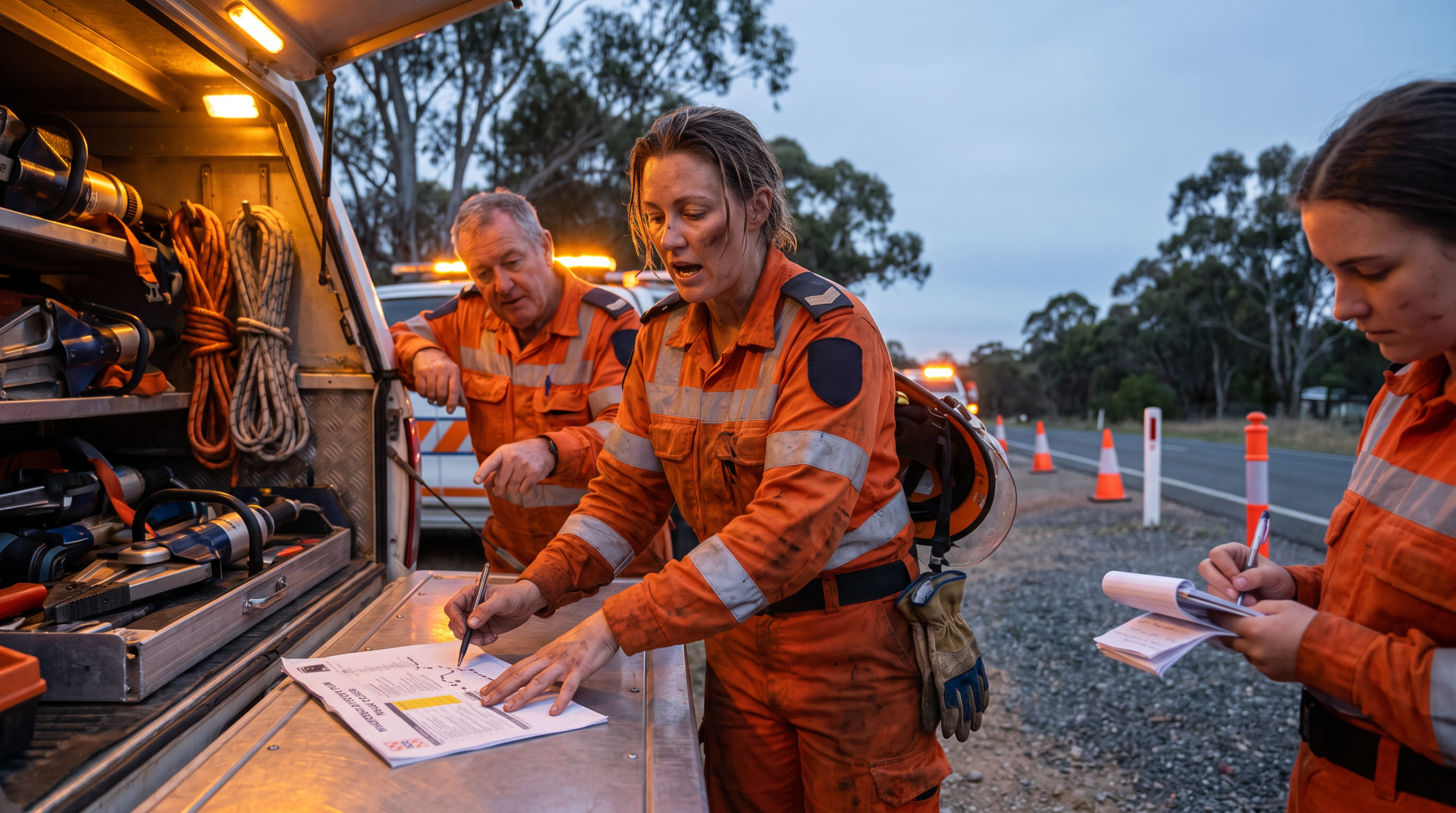
Veterans and emergency services personnel possess valuable transferable skills highly sought after in civilian employment markets. Leadership, crisis management, technical expertise, and disciplined work approaches translate directly to emerging job opportunities across multiple sectors.
Former ADF personnel often excel in project management, security, logistics, and training roles. Emergency services background provides excellent preparation for workplace health and safety positions, risk management, and emergency response coordination.
3CIR recognises the exceptional value these professionals bring to Australian workplaces and offers a 25% discount on all qualifications for current and former defence and emergency services personnel. This investment in your career transition acknowledges your service while providing practical support for your professional development.
Our RPL processes are specifically designed to recognise military and emergency services experience, often resulting in significant credit toward formal qualifications. Many veterans find they can achieve diploma or advanced diploma level qualifications based primarily on their service experience.
Start your RPL assessment today and discover how your service experience translates to civilian qualifications.
Frequently Asked Questions
What are the fastest-growing job sectors in Australia currently?
The services sector leads with +15% employment outlook growth, followed by healthcare, technology, and construction. Digital transformation roles show particularly strong demand across all industries.
How can I transition from military service to civilian employment?
Military experience translates well to project management, security, logistics, and leadership roles. RPL assessment can recognise your service skills for formal qualifications, with 25% discount available for ADF personnel.
What emergency services skills are valuable in civilian jobs?
Crisis management, risk assessment, team leadership, and technical expertise from emergency services backgrounds are highly valued in workplace safety, security, and management positions.
Do I need formal qualifications for emerging technology roles?
While experience is valuable, formal qualifications increasingly matter for career advancement and employer recognition. RPL can help bridge this gap efficiently for experienced professionals.
Which construction roles offer the best career prospects?
Electricians, plumbers, and heavy machinery operators show consistent demand, while BIM specialists and construction project managers represent higher-level advancement opportunities with excellent growth potential. You can check your RPL eligibility to find out what qualifications match your experience.
How long does RPL assessment take for most qualifications?
RPL timelines vary by qualification complexity and evidence quality, typically ranging from 4-12 weeks. Comprehensive work experience and clear documentation can accelerate the process significantly.
What evidence do I need for successful RPL applications?
Work references, position descriptions, training certificates, project examples, and performance reviews provide strong RPL evidence. Military service records and emergency services training documentation are particularly valuable.
Are online qualifications recognised by Australian employers?
Yes, nationally recognised qualifications delivered online through registered RTOs carry identical recognition to face-to-face training. AQF standards ensure consistent quality and employer acceptance nationwide.
Can I use RPL for multiple qualifications simultaneously?
RPL can apply to multiple qualifications where your experience demonstrates competency across different areas. This approach maximises your existing experience value and accelerates career development pathways.
What support is available during the RPL process?
Comprehensive assessment guidance, evidence preparation assistance, and ongoing communication ensure successful RPL completion. Experienced assessors provide feedback throughout the process to maximise your success probability.
Australia’s employment landscape continues evolving with technology, demographics, and economic priorities shaping emerging opportunities. The services sector’s dominance reflects this transformation, creating pathways for skilled professionals across diverse industries.
Whether you’re transitioning from military service, advancing in your current field, or exploring new career directions, formal qualifications through RPL provide competitive advantages in today’s job market. Your experience has value – let us help you gain the recognition you deserve.
Begin your RPL journey today and unlock your career potential with nationally recognised qualifications tailored to your experience and goals.
Explore Career Development Videos
Enhance your professional development with our comprehensive video resources: