
Selecting the Appropriate Diploma for Your Professional Development
What is a Diploma?
A diploma represents a Level 5 qualification under the Australian Qualifications Framework (AQF), positioned between certificates and bachelor degrees. In Australia’s Vocational Education and Training (VET) sector, diplomas provide specialised knowledge and practical skills for specific industries or occupational areas. These nationally recognised qualifications typically require 12-18 months of study and prepare graduates for paraprofessional roles or advanced technical positions. Diplomas combine theoretical learning with practical application, making them highly valued by employers seeking job-ready candidates. The qualification framework ensures consistent standards across all Registered Training Organisations (RTOs), maintaining quality and recognition throughout Australia’s education system.
Understanding the Advantages of Diploma Qualifications
A diploma is more than a credential; it’s an investment that opens doors of opportunity. These qualifications provide substantial benefits for your professional development journey.
Specialised Knowledge: Unlike broad academic pathways, diplomas such as those offered in business administration or human resource management offer targeted knowledge that is specific and niche – giving you an edge when entering the job market right from the beginning. This focused approach ensures you develop expertise directly applicable to your chosen field.
Career Progression: Earning a Diploma of Business or Marketing and Communication can increase your chances of securing promotions or landing high-paying positions. Employers recognise these qualifications as evidence of commitment to professional development.
Flexibility: Modern diploma programs accommodate various learning preferences and life circumstances, offering online, face-to-face, and blended delivery options to suit your schedule.
How Do You Choose the Right Diploma for Your Career Goals?
Selecting the appropriate diploma requires careful consideration of multiple factors that align with your professional aspirations and personal circumstances.
First, evaluate your career objectives thoroughly. Consider where you want to be in five years and what qualifications employers in your target industry typically require. Research job advertisements in your field to understand which diploma specialisations appear most frequently in position descriptions.
Industry alignment is crucial when choosing your qualification. Different sectors value specific skills and knowledge areas. For instance, the healthcare sector prioritises clinical competencies, while the business sector emphasises management and analytical capabilities. Ensure your chosen diploma addresses the core competencies required in your target industry.
Consider the delivery method that best suits your learning style and current commitments. Online delivery offers maximum flexibility for working professionals, while face-to-face learning provides direct interaction with trainers and peers. Some programs offer Recognition of Prior Learning (RPL) options, allowing you to fast-track your qualification based on existing experience.
What Factors Should You Consider When Evaluating RTO Providers?
Choosing the right Registered Training Organisation is as important as selecting the appropriate qualification. Your RTO choice significantly impacts your learning experience and career outcomes.
Verify that your chosen provider maintains current ASQA registration and delivers nationally recognised qualifications. Check the training.gov.au website to confirm qualification currency and industry alignment.
Examine the provider’s industry connections and graduate employment outcomes. RTOs with strong industry relationships often provide better networking opportunities and job placement assistance. Look for organisations that employ trainers with current industry experience rather than purely academic backgrounds.
Assessment methods vary between providers, so ensure the approach aligns with your learning preferences. Some RTOs emphasise practical demonstrations, while others focus on written assessments or portfolio development. Find out more about how to diploma qualifications through RPL.
Ready to explore your diploma options? Complete your free RPL assessment to discover how your existing experience can accelerate your qualification journey.
Which Diploma Specialisations Are Most In-Demand Currently?
Understanding current market demands helps you choose qualifications that maximise employment opportunities and career advancement potential.
Business and Management: The Diploma of Leadership and Management remains consistently popular across all industries. These qualifications prepare you for supervisory roles and provide foundational management skills applicable in diverse sectors.
Human Resources: With increasing focus on workplace culture and employee engagement, HR qualifications are highly sought after. These diplomas cover recruitment, performance management, workplace relations, and strategic HR planning.
Project Management: As organisations increasingly adopt project-based approaches, project management qualifications become more valuable. These diplomas teach systematic approaches to planning, executing, and closing projects successfully.
Work Health and Safety: Regulatory requirements across all industries drive demand for WHS professionals. These qualifications prepare you to implement safety systems and ensure compliance with legislation.
Marketing and Communication: Digital transformation creates ongoing demand for marketing professionals who understand both traditional and digital channels. These diplomas cover market research, campaign development, and digital marketing strategies.
What Makes 3CIR Different from Other Training Providers?
3CIR stands out in the competitive VET landscape through our veteran-owned heritage and specialised approach to professional development. As a Brisbane-based RTO delivering nationally recognised qualifications across Australia, we understand the unique challenges facing working professionals.
Our partnership with Asset College (RTO 31718) ensures compliance with ASQA standards while maintaining the personalised service that sets us apart. This arrangement allows us to focus on what we do best – supporting students through their qualification journey.
We offer both online and face-to-face delivery options, with our Brisbane campus providing hands-on learning experiences when required. Our online platform accommodates students across Australia, ensuring geography doesn’t limit your educational opportunities.
Industry-experienced trainers bring real-world perspectives to your learning, sharing practical insights that enhance theoretical knowledge. This approach ensures you graduate with immediately applicable skills rather than purely academic understanding.
How Can You Accelerate Your Diploma Through RPL?
Recognition of Prior Learning represents one of the most efficient pathways to achieving your diploma qualification. This assessment process recognises skills and knowledge you’ve already developed through work experience, training, or life experiences. For more information, learn how RPL works.
RPL assessment involves documenting your existing competencies against the qualification requirements. This process can significantly reduce study time and costs while acknowledging your professional experience. Many candidates find they already possess substantial knowledge required for their chosen qualification.
The RPL process begins with a comprehensive skills assessment where you demonstrate how your experience aligns with qualification requirements. Evidence might include work samples, references from supervisors, certificates from previous training, or documented achievements in your current role.
Professional guidance during RPL assessment ensures you present evidence effectively and maximise recognition for your existing skills. Our RPL specialists help you navigate this process efficiently, identifying gaps that require additional training while recognising competencies you already possess.
This approach particularly benefits experienced professionals who need formal qualifications to advance their careers or meet industry requirements. Rather than repeating training for skills you already possess, RPL focuses your study time on genuinely new areas.
Special Opportunities for Veterans and Emergency Services Personnel
3CIR proudly supports Australia’s defence and emergency services communities through specialised Recognition of Prior Learning programs and significant financial benefits.
25% Discount for Service Personnel: All current and former Australian Defence Force (ADF) members and emergency services personnel receive a 25% discount on qualification fees. This recognition acknowledges your service while supporting your transition to civilian careers or advancement within your current sector.
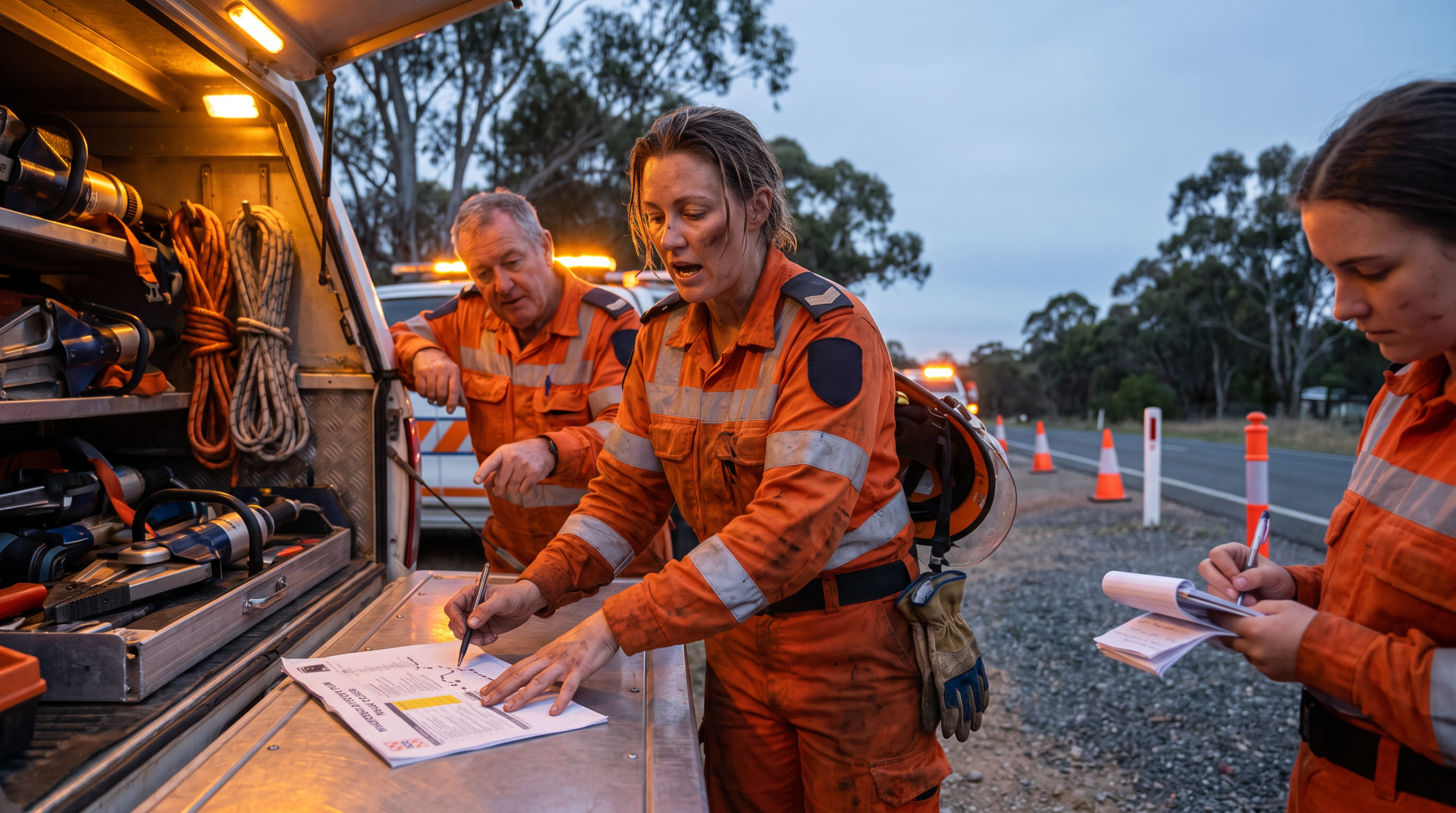
Military and emergency services experience often aligns closely with civilian qualification requirements. Leadership roles, project management experience, training delivery, and administrative responsibilities translate directly to many diploma qualifications. Our specialised RPL process for ADF and emergency services personnel recognises these transferable skills effectively.
The transition from military or emergency services to civilian employment can be challenging. Formal qualifications help bridge this gap by providing recognised credentials that civilian employers understand and value. Your service experience combined with appropriate qualifications creates a powerful combination for career advancement.
We understand the unique requirements of service personnel, including deployment schedules and shift work patterns. Our flexible delivery options accommodate these challenges, ensuring you can pursue qualifications without compromising your service commitments.
Ready to leverage your service experience? Start your RPL assessment today and discover how your military or emergency services background can fast-track your civilian qualifications.
Frequently Asked Questions About Diploma Selection
How long does it typically take to complete a diploma qualification?
Most diploma qualifications require 12-18 months of study when undertaken part-time. Full-time study can reduce this to 6-12 months. RPL assessment can significantly decrease completion time by recognising your existing skills and experience, potentially reducing study requirements by 50% or more.
What’s the difference between a diploma and an advanced diploma?
A diploma is an AQF Level 5 qualification, while an advanced diploma sits at AQF Level 6. Advanced diplomas typically require additional study time and cover more complex theoretical concepts. Both qualify you for paraprofessional roles, with advanced diplomas often leading to higher-level positions. You can check your RPL eligibility to find out what qualifications match your experience.
Can I study a diploma while working full-time?
Yes, most diploma programs are designed for working professionals. Online delivery and flexible scheduling accommodate full-time work commitments. Self-paced learning options allow you to progress according to your availability, typically requiring 8-12 hours of study per week.
Are online diplomas recognised by employers?
Online diplomas from registered RTOs carry the same recognition as face-to-face qualifications. The qualification certificate doesn’t indicate delivery method, ensuring equal employer recognition. What matters is the RTO’s registration status and the qualification’s currency on training.gov.au.
How much does a diploma qualification typically cost?
Diploma costs vary by specialisation and provider, typically ranging from a competitive salary. RPL assessment can reduce costs by decreasing required study units. Government funding may be available through VET Student Loans or state-based subsidies, depending on your circumstances and location.
What career opportunities open up with a diploma qualification?
Diplomas prepare you for paraprofessional and supervisory roles across various industries. Career opportunities include team leader, coordinator, specialist, or advanced technical positions. Many diploma graduates use their qualification as a pathway to higher education or advanced diplomas.
How does RPL work for ADF veterans transitioning to civilian careers?
Military experience often aligns closely with civilian qualification requirements. Leadership roles, training delivery, project management, and administrative responsibilities translate to multiple diploma specialisations. Our ADF-specialist assessors understand military structure and can effectively map your service experience to qualification requirements.
What support is available for emergency services personnel pursuing qualifications?
Emergency services personnel receive 25% discount on all qualification fees, plus specialised RPL assessment that recognises operational experience, incident management, training delivery, and leadership responsibilities. Flexible study options accommodate shift work and emergency callouts.
Which diploma is best for advancing to management roles?
The Diploma of Leadership and Management is specifically designed for aspiring managers and supervisors. This qualification covers people management, operational planning, resource allocation, and strategic thinking. It’s recognised across all industries and provides excellent preparation for management responsibilities.
How do I know if my chosen RTO is reputable and registered?
Check the provider’s registration status on the ASQA website and verify their scope of registration includes your chosen qualification. Look for industry connections, graduate employment rates, and trainer qualifications. Avoid providers making unrealistic promises about completion times or guaranteed outcomes.
Ready to Start Your Professional Development Journey?
Take the first step towards advancing your career with a nationally recognised diploma qualification.
Explore Our Qualification Options Through Video
Discover more about our diploma specialisations through these informative videos:
- Leadership and Management: Watch Video
- Human Resources: Watch Video
- Work Health and Safety: Watch Video
- Security and Risk Management: Watch Video
- Business Administration: Watch Video
- Marketing and Communication: Watch Video
- Government Sector: Watch Video
- Project Management: Watch Video