
Boost Your Skills with a Diploma in Human Resources Management
A Diploma in Human Resources Management develops essential leadership, communication, and conflict resolution skills for managing workplace relationships and organisational challenges. This nationally recognised qualification prepares you for senior HR roles across industries through comprehensive training in recruitment, employee relations, and strategic workforce planning.
Human Resources Management
Human Resources Management (HRM) is a strategic organisational function focused on recruiting, developing, managing, and optimising human capital within organisations. This discipline encompasses workforce planning, talent acquisition, employee relations, performance management, training and development, compensation and benefits administration, and workplace health and safety compliance. HRM professionals serve as strategic partners to business leaders, balancing organisational objectives with employee wellbeing whilst ensuring compliance with Australian employment legislation including the Fair Work Act 2009. The field requires expertise in employment law, organisational psychology, business strategy, and interpersonal communication. Modern HRM incorporates data analytics, digital technologies, and evidence-based practices to drive organisational performance and employee engagement across diverse industry sectors.
Why Pursue a Human Resources Diploma?
The world of human resources is exciting and fast-paced. As managers, we can’t wait to take on some new challenges! If you dream of someday becoming the manager in charge, enrolling in a Diploma in Human Resources Management would greatly help your career ambitions because it will teach theoretical knowledge and improve practical skills. Who doesn’t want more confidence?
You will develop the following essential managerial skills by undertaking a Human Resources Diploma. This qualification aligns with the Australian Qualifications Framework (AQF) Level 5 standards and is delivered by nationally recognised Registered Training Organisations under ASQA guidelines.
Start Your RPL Assessment Today
What Communication Skills Will You Develop?
HR professionals facilitate discussions between employees and employers. They are one of the links between upper management and employees. Their job also involves working with every department in the company, including the managers, staff, and applicants. Hence, a Human Resources Manager must communicate clearly, face-to-face or in writing.
Through structured learning modules, you’ll master verbal and written communication techniques essential for conducting interviews, facilitating workplace mediation, and presenting strategic recommendations to executive teams. These skills directly translate to improved workplace relationships and more effective organisational outcomes.
How Do You Build Critical Thinking Skills in HR?
HR managers need to make important calls every day. They need critical thinking skills to balance complex situations and solve organisational problems. Critical thinking skills will help cultivate an environment where employees can work harmoniously.
Your diploma training incorporates case study analysis, ethical decision-making frameworks, and strategic planning methodologies. You’ll learn to evaluate workplace policies, assess recruitment strategies, and develop solutions for complex employee relations challenges using evidence-based approaches.
What Organisational Skills Are Essential for HR Success?
Working in the HR department often means juggling various tasks at once. A Diploma in Human Resources will help you keep things organised by identifying the most important tasks and managing your time. This way, you can stay ahead of responsibilities and tasks. Find out more about how to diploma qualifications through RPL.
The qualification covers project management principles, database management systems, and compliance tracking methodologies. You’ll develop proficiency in HR information systems, employee record management, and strategic workforce planning tools that streamline organisational processes.
How Do You Master Problem-Solving and Conflict Management?
Different kinds of conflicts arise every day at the workplace. HR professionals must possess strong problem-solving abilities and conflict resolution techniques to address workplace disputes effectively. Your diploma training provides comprehensive coverage of mediation strategies, grievance procedures, and restorative justice principles.
You’ll study Australian employment law, workplace investigation protocols, and collaborative problem-solving methodologies. These skills enable you to address performance issues, resolve interpersonal conflicts, and maintain positive workplace culture whilst ensuring legal compliance.
What Career Opportunities Await HR Graduates?
Graduates with HR qualifications pursue diverse career paths including Human Resources Coordinator, Recruitment Specialist, Training and Development Officer, Employee Relations Advisor, and Workplace Health and Safety Officer. Senior positions include HR Manager, People and Culture Director, and Chief Human Resources Officer roles.
The Australian Qualifications Framework ensures your diploma qualification provides national recognition and pathways to bachelor’s degree programs. Industry demand for qualified HR professionals continues growing across healthcare, mining, construction, government, and technology sectors.
Recognition of Prior Learning for HR Qualifications
Recognition of Prior Learning (RPL) enables experienced professionals to gain formal qualifications based on their existing skills and knowledge. If you’ve worked in supervisory, management, or administrative roles, you may already possess the competencies required for HR certification.
3CIR specialises in RPL assessments for workplace professionals, evaluating your work experience, training records, and demonstrated skills against national competency standards. This pathway significantly reduces study time whilst providing full qualification recognition. Our experienced assessors work with you to compile comprehensive evidence portfolios demonstrating your HR capabilities.
The RPL process involves initial consultation, evidence gathering, competency mapping, and formal assessment. You’ll submit work samples, performance appraisals, training certificates, and detailed work histories for evaluation against ASQA standards.
Apply for RPL Assessment For more information, learn how RPL works.
Special Benefits for Veterans and Emergency Services Personnel
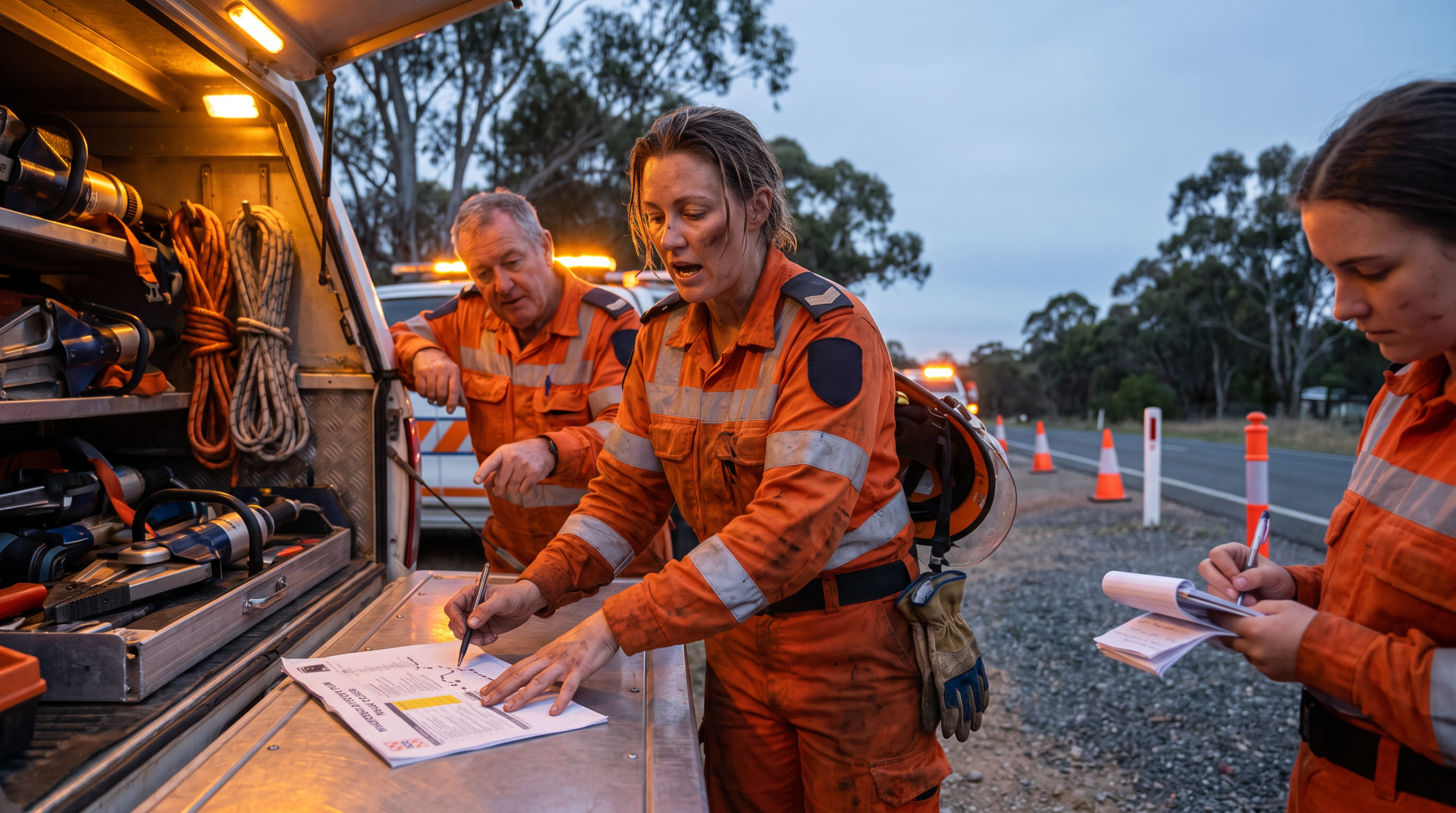
3CIR proudly supports current and former Australian Defence Force (ADF) personnel and emergency services workers transitioning to civilian careers. Your military or emergency services experience provides valuable foundation skills directly applicable to human resources management.
All current and former defence and emergency services personnel receive a 25% discount on qualification fees, recognising your service and facilitating career transition. Military leadership experience, personnel management skills, and understanding of organisational hierarchies translate effectively to civilian HR roles.
Emergency services personnel possess crisis management skills, interpersonal communication abilities, and regulatory compliance knowledge highly valued in human resources contexts. Your disciplined approach to procedures and protocols aligns perfectly with HR requirements for policy implementation and workplace safety management.
The RPL pathway is particularly beneficial for veterans and emergency services personnel, as your structured training background and documented service history provide comprehensive evidence for competency assessment. Explore our veteran-focused qualifications designed to maximise your existing capabilities.
Frequently Asked Questions About HR Diplomas
What are the entry requirements for a Diploma in Human Resources?
Entry requirements typically include completion of Year 12 or equivalent, relevant work experience, or successful completion of a Certificate IV qualification. Some providers accept applicants based on demonstrated language, literacy, and numeracy skills through pre-enrolment assessments.
How long does it take to complete an HR diploma?
Full-time study typically requires 12-18 months, whilst part-time and online delivery options extend to 24 months. RPL candidates may complete assessments within 3-6 months depending on their existing experience and evidence compilation requirements.
Is online study available for HR qualifications?
Yes, many RTOs offer flexible online delivery combining self-paced learning modules, virtual workshops, and practical workplace assessments. This format suits working professionals seeking to upskill whilst maintaining employment commitments.
What subjects are covered in HR diploma programs?
Core units include recruitment and selection, employee relations, workplace health and safety, performance management, training coordination, employment law compliance, diversity and inclusion, and strategic human resources planning across various organisational contexts.
Can ADF personnel use their military experience for HR qualifications?
Absolutely. Military personnel possess leadership, personnel management, training coordination, and administrative skills directly applicable to HR roles. RPL assessment recognises your service experience, potentially reducing study requirements whilst providing formal civilian qualifications. You can check your RPL eligibility to find out what qualifications match your experience.
Do emergency services workers qualify for HR recognition?
Emergency services personnel have extensive experience in crisis management, team coordination, public relations, and regulatory compliance. These skills translate effectively to HR responsibilities, particularly in workplace safety, incident management, and organisational communication areas.
What employment outcomes can I expect after graduation?
Graduates secure positions as HR assistants, recruitment coordinators, training officers, and employee relations specialists. Average starting salaries range from a competitive salary, with experienced managers earning a competitive salary depending on organisation size and industry sector.
Are there pathways to university after completing an HR diploma?
Yes, diploma graduates receive credit towards bachelor’s degrees in human resources, business administration, or management. Many universities offer articulation agreements providing direct entry into second-year undergraduate programs.
What professional memberships are available for HR practitioners?
The Australian Human Resources Institute (AHRI) provides professional recognition, continuing education, and networking opportunities for qualified practitioners. Membership demonstrates commitment to ethical practice and ongoing professional development in the HR field.
How does the 25% discount work for veterans and emergency services?
Current and former ADF personnel and emergency services workers automatically qualify for 25% reduction on all qualification fees. Simply provide proof of service during enrolment, and the discount applies immediately to your total program cost.
Ready to advance your career with nationally recognised HR qualifications? Begin Your Assessment Today
Industry-Specific Training Videos
Explore these comprehensive training resources to better understand career opportunities across various sectors:
- Leadership Development: https://youtu.be/7k57ygLXncA
- Human Resources Management: https://youtu.be/jLUKTpqOOfU
- Workplace Health and Safety: https://youtu.be/6QHTzXlE5C0
- Security Operations: https://youtu.be/d20nwpEot8Q
- Business Administration: https://youtu.be/8P_VySE0zjQ
- Marketing and Communication: https://youtu.be/VdQxJKmgZfs
- Government Services: https://youtu.be/PV_knsJnb5E
- Project Management: https://youtu.be/kz7CyEsRNyg