
Benefits of Choosing a Career in Human Resources
A career in human resources offers excellent income prospects, meaningful work opportunities, and strong job growth potential. HR professionals enjoy competitive salaries, the chance to make a real difference in organisations, and diverse career advancement paths.
What is Human Resources?
Human Resources (HR) is the strategic organisational function responsible for managing an organisation’s most valuable asset – its people. HR professionals oversee recruitment, employee relations, training and development, performance management, compensation and benefits, workplace safety, and compliance with employment law. The field encompasses both administrative duties and strategic business functions, requiring professionals to balance operational efficiency with employee wellbeing. Modern HR departments serve as the bridge between management and employees, ensuring organisational objectives align with workforce capabilities while maintaining a positive workplace culture. The evolution of HR from traditional personnel management to strategic human capital management reflects the growing recognition of people as key drivers of business success.
Why Human Resources is a Thriving Career Choice
Human resources, or HR, is a popular career field with promising prospects. businesses appreciate the vital role of professional people managers in building a robust and profitable organisation. They tend to seek out those with experience and higher qualifications, such as a Diploma in Human Resources. Salaries in this sector are increasing, and wider industry employment is expected to rise by an impressive 20% from 2018 to 2025.
The growing complexity of workplace regulations, increased focus on employee engagement, and the strategic importance of talent management have elevated HR from a support function to a critical business partner. Organisations recognise that effective human resource management directly impacts productivity, retention, and ultimately, profitability.
What Are the Key Benefits of an HR Career?
Earning a Diploma in Human Resources and pursuing a career in HR offers numerous benefits that make it an attractive profession for those interested in people management and organisational development. These advantages span financial rewards, personal satisfaction, and professional growth opportunities.
How Much Can You Earn in Human Resources?
HR professionals are rewarded for their work because of the significant responsibilities that come with their jobs. Most hold full-time jobs in Australia, averaging 42 hours a week. Salary expectations begin low and rise with experience and qualifications, averaging a competitive salary weekly as of 2017. Those who pursue further qualifications, such as a Diploma in Human Resources, may eventually become HR managers and earn $500 or more per week in addition to their current salary.
HR professionals generally enter this industry as HR administrators and can expect a salary of a competitive salary a year in Melbourne. Managers in companies with less than 250 employees can expect a competitive salary, while those with more than 1000 employees are paid closer to a competitive salary.
The salary progression in HR is particularly attractive, with entry-level positions offering solid starting wages and significant growth potential. Senior HR directors and chief people officers in large corporations can command salaries exceeding a competitive salary, making the long-term earning potential substantial.
What Impact Can You Make in Human Resources?
HR professionals are uniquely positioned to impact the company they work for. By playing an intermediary between key decision-makers and lower-level employees, HR practitioners can help create positive workplace cultures, implement fair policies, and ensure employee wellbeing while supporting business objectives.
You’ll have the opportunity to shape recruitment strategies that bring diverse talent into organisations, develop training programmes that enhance employee skills, and create policies that promote work-life balance. HR professionals often lead initiatives around diversity and inclusion, mental health support, and employee development programmes that directly improve people’s working lives. Find out more about how to qualifications you can achieve through RPL.
The role extends beyond administrative tasks to strategic business planning, where HR insights influence major organisational decisions about workforce planning, cultural transformation, and change management initiatives.
What Career Advancement Opportunities Exist in HR?
The HR field offers diverse career pathways, from specialist roles in recruitment, training, or employee relations to generalist positions that oversee multiple HR functions. Career progression typically follows a clear trajectory from coordinator to advisor, manager, director, and potentially chief people officer.
Specialisation opportunities include becoming a recruitment consultant, training and development manager, compensation and benefits specialist, or workplace health and safety coordinator. Each specialisation offers unique challenges and rewards, allowing professionals to align their career with their interests and strengths.
The skills developed in HR are highly transferable, opening doors to consulting opportunities, training roles in various qualifications, or management positions in other departments where people management skills are valued.
How Does HR Technology Impact Career Prospects?
The digital transformation of HR has created new opportunities for tech-savvy professionals. Modern HR roles increasingly involve working with human resource information systems (HRIS), applicant tracking systems, performance management platforms, and analytics tools.
Understanding HR technology enhances career prospects and enables more strategic decision-making through data analysis. Professionals who combine traditional HR expertise with technological proficiency are particularly valuable to employers seeking to modernise their people management practices.
Start your HR career journey today with our comprehensive assessment
Recognition of Prior Learning for HR Professionals
Many experienced professionals working in people management roles possess valuable skills and knowledge that can be formally recognised through Recognition of Prior Learning (RPL). This assessment process allows individuals to gain nationally recognised qualifications based on their existing experience, without the need to complete traditional coursework.
RPL is particularly beneficial for those who have been working in administrative roles, team leadership positions, or customer service environments where they’ve developed HR-related skills. The process involves demonstrating competency through work samples, references, and detailed evidence of relevant experience.
Through RPL assessment, you can fast-track your qualification in human resources, opening doors to formal HR roles and career advancement. This pathway is especially valuable for career changers who want to transition into HR or existing workers seeking to formalise their skills with an AQF qualification. For more information, learn how RPL works.
The RPL process for HR qualifications typically covers areas such as recruitment and selection, employee relations, workplace health and safety, training coordination, and performance management – all essential competencies for successful HR practice.
Veterans and Emergency Services Discount Program
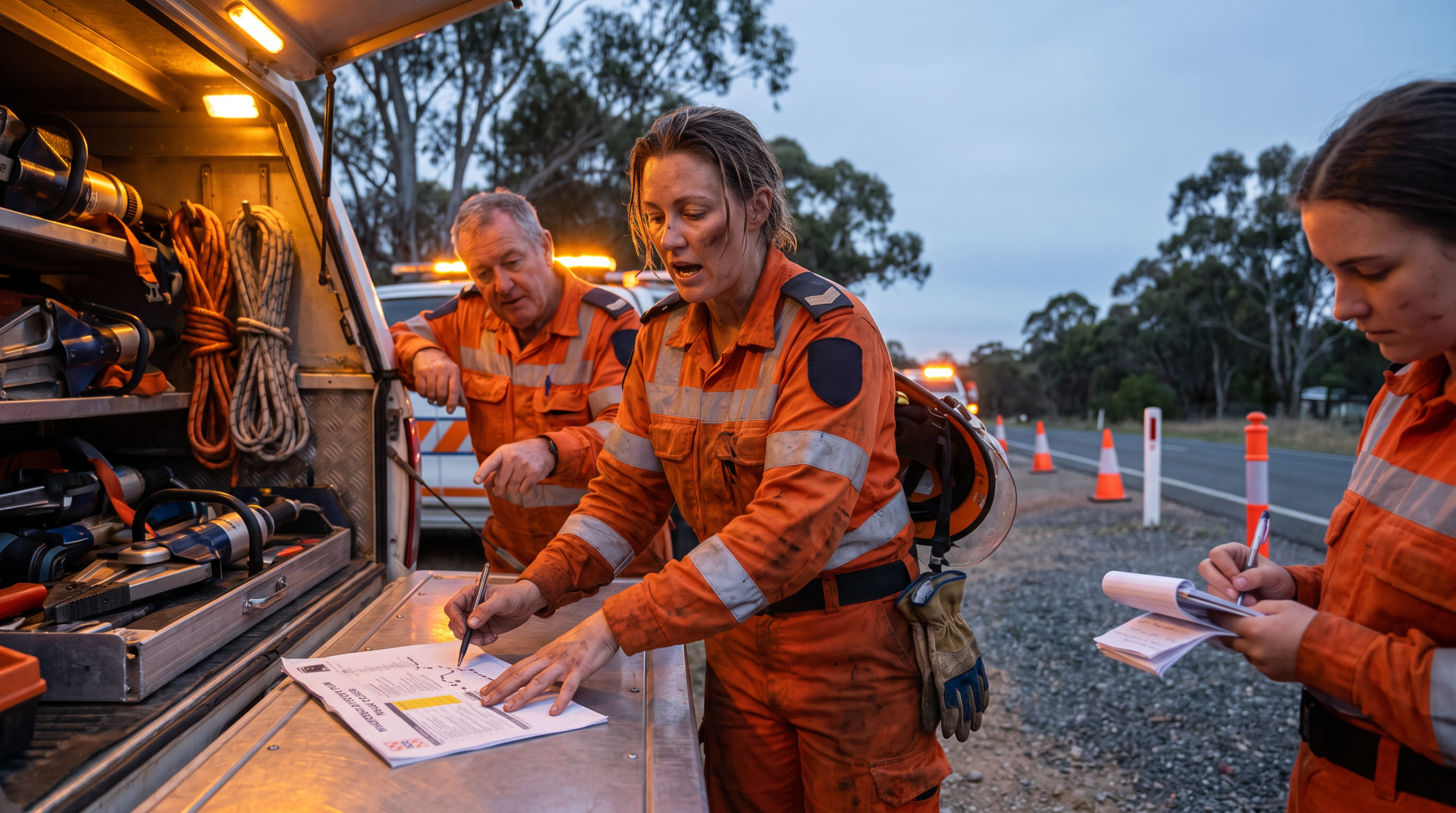
At 3CIR, we recognise the valuable leadership, people management, and organisational skills that current and former ADF and emergency services personnel bring to civilian careers. Military and emergency services experience often translates exceptionally well to human resources roles, where skills in team leadership, conflict resolution, training delivery, and organisational planning are highly valued.
Veterans and emergency services personnel receive a 25% discount on all VET qualifications at 3CIR, making it more affordable to transition into civilian HR careers. This discount recognises the service contribution of these professionals and supports their career transition goals.
The disciplined approach, attention to detail, and understanding of organisational structures that characterise military and emergency services backgrounds are particularly relevant to HR compliance, policy development, and workplace safety management. Many veterans find HR roles provide an excellent way to continue serving others while applying their leadership experience in corporate environments.
Through our ASQA-approved programmes and RPL pathways, service personnel can leverage their existing experience to gain formal HR qualifications efficiently and cost-effectively.
Apply now for your discounted HR qualification assessment
Frequently Asked Questions
What qualifications do you need for a career in HR?
A Diploma of Human Resources (BSB50320) is the standard entry-level qualification for HR professionals. While some entry-level positions may accept candidates with relevant experience, formal qualifications significantly improve career prospects and salary potential.
How long does it take to complete an HR qualification?
A Diploma of Human Resources typically takes 12-18 months to complete through traditional study methods. However, through Recognition of Prior Learning (RPL), experienced professionals can potentially achieve the same qualification in weeks rather than months.
What skills are most important for HR success?
Essential HR skills include strong communication, conflict resolution, attention to detail, understanding of employment law, analytical thinking, and the ability to maintain confidentiality while building trust with employees at all levels.
Can ADF personnel transition easily into HR roles?
Yes, military personnel often excel in HR roles due to their leadership experience, understanding of organisational structures, training delivery skills, and ability to handle sensitive situations with discretion and professionalism. You can check your RPL eligibility to find out what qualifications match your experience.
What are the different specialisations within HR?
HR specialisations include recruitment and selection, training and development, employee relations, compensation and benefits, workplace health and safety, organisational development, and HR analytics or technology management.
Is HR a good career for career changers?
HR is excellent for career changers, especially those with customer service, management, or training backgrounds. The field values diverse experience and offers clear progression pathways for motivated professionals.
How do emergency services skills transfer to HR?
Emergency services personnel bring valuable crisis management, team coordination, training delivery, and risk assessment skills to HR roles. Their experience in high-pressure situations and procedural compliance translates well to HR compliance and employee relations.
What industries hire HR professionals?
Every industry requires HR professionals, from healthcare and education to mining, manufacturing, finance, technology, government, and professional services. This diversity provides excellent job security and variety.
What are the growth prospects in HR?
The HR field is experiencing strong growth, with employment expected to continue growingthrough 2025. This growth is driven by increasing workplace complexity, compliance requirements, and recognition of HR’s strategic importance.
How does 3CIR support HR career development?
3CIR offers nationally recognised HR qualifications through flexible online learning and RPL pathways. We provide personalised support, industry-experienced trainers, and special discounts for veterans and emergency services personnel to support successful career transitions.
Training Resources
Explore our comprehensive training videos covering essential business skills:
- Leadership Training Overview
- Human Resources Qualifications
- Work Health and Safety Training
- Security Training Programs
- Business Qualifications
- Marketing Training Courses
- Government Training Solutions
- Project Management Qualifications
Ready to start your rewarding HR career? Complete your RPL assessment today and discover how your existing experience can fast-track your qualification. Take advantage of our veteran and emergency services discount and join the growing field of human resources management.