
Signs That You Need to Shift Careers: A Complete Guide for Australian Workers
What Is Career Transition?
Career transition refers to the strategic process of moving from one professional path to another, involving careful evaluation of skills, interests, and market opportunities. In Australia’s dynamic employment landscape, career transitions have become increasingly common as professionals seek roles that align with personal values, offer growth potential, and provide better work-life balance. This process typically involves skills assessment, qualification upgrades through vocational education and training, and strategic career planning. Modern career transitions often leverage Recognition of Prior Learning (RPL) assessments to validate existing competencies and accelerate qualification pathways, particularly beneficial for ADF personnel and emergency services workers transitioning to civilian roles.
Understanding Career Crisis in Today’s Volatile Economy
With a volatile economy and shifting tides of one’s ideas and plans, deciding to change career paths might be tricky. Most workers have experienced undergoing a career- or profession-crisis. The Australian employment market has seen unprecedented changes, with technology disruption, economic uncertainty, and evolving workplace expectations creating both challenges and opportunities for career advancement.
With a lot of possibilities and choices of potential vocation, it is of no help for people who are deciding whether or not to take a leap towards a different career path. The abundance of options can create decision paralysis, particularly when considering the financial and personal risks associated with career transitions.
Therefore, it is the goal of this article to help those who are suffering from a career crisis to finally make a decision for their next move. Professional development through nationally recognised qualifications can provide the foundation for successful career transitions.
Ready to explore your career transition options?
What Are the Warning Signs You Need a Career Change?
Here are some pointers that will tell you to take that next job you are eyeing for:
Are You Experiencing Emotional and Physical Exhaustion?
You are emotionally drained and physically worn out most of the time.
The signs of weariness are always expected when you don’t like your work. This is because being passionate about a task will make it easier for us to enjoy what we do and feel accomplished with our achievements, while those who only have jobs out of necessity experience burnout or emotional exhaustion as they go through their days at the office without any sense that anything worthwhile has been achieved.
Chronic fatigue, difficulty concentrating, and decreased motivation are clear indicators that your current role may not be sustainable long-term. When work consistently leaves you depleted rather than energised, it’s time to consider whether your career aligns with your natural strengths and interests.
Does Your Work Reflect Your True Self?
Your tasks and responsibilities are well-delivered but do not reflect your personality or you as a person.
Some people who deliver consistent and exemplary performances at work, usually, surprise their supervisors with an unexpected resignation letter. High performers who leave seemingly successful positions often do so because their work doesn’t align with their core values, interests, or long-term aspirations.
This might be a mystery for some managers and supervisors because they never see their subordinates struggle physically with work. External performance metrics don’t always reflect internal satisfaction and fulfilment. Find out more about how to RPL qualifications available.
This proves that the most difficult struggle an employee undergoes is the internal struggle. When your professional identity conflicts with your personal identity, it creates cognitive dissonance that can lead to significant stress and dissatisfaction.
How Important Is Financial Satisfaction in Your Career?
The salary is no longer motivating or sufficient for your lifestyle needs.
Financial stagnation is a significant career change indicator. When your income fails to keep pace with inflation, increased responsibilities, or changing life circumstances, it may signal that you’ve reached a ceiling in your current role or industry. Additionally, if monetary rewards no longer provide the satisfaction they once did, this suggests a deeper misalignment between your values and your work.
Consider whether your current career path offers realistic opportunities for salary growth and whether the compensation structure aligns with your professional worth and market value. Sometimes, transitioning to a new field through business qualifications can unlock higher earning potential.
Why Professional Development Matters in Career Decisions
Lack of growth opportunities, skill development stagnation, and limited career progression pathways are strong indicators that a career shift may be necessary. In today’s rapidly evolving job market, continuous learning and professional development are essential for career sustainability.
If your current employer doesn’t invest in your development or if industry trends suggest your skills may become obsolete, proactive career planning becomes crucial. Training.gov.au provides comprehensive information about nationally recognised qualifications that can support your career transition goals.
Explore your qualification options with Recognition of Prior Learning
When Should You Consider Industry or Role Changes?
Market conditions, industry decline, technological disruption, and changing consumer demands can all signal the need for career pivoting. Industries experiencing downsizing, automation, or fundamental shifts may no longer offer the stability and growth prospects you need.
Conversely, emerging industries and growing sectors present opportunities for career advancement and increased job satisfaction. Research labour market trends, growth projections, and skill demands in potential target industries to make informed transition decisions.
Recognition of Prior Learning: Fast-Track Your Career Transition
Recognition of Prior Learning (RPL) is a powerful pathway for career changers to validate existing skills and knowledge without completing full qualification programs. This VET sector process allows experienced professionals to demonstrate competency through work samples, testimonials, and practical assessments.
RPL is particularly valuable for workers with extensive experience who may lack formal qualifications. The process involves mapping your existing skills against nationally recognised competency standards outlined in Australian Qualifications Framework qualifications. For more information, what is Recognition of Prior Learning.
Benefits of RPL for career transition include:
- Reduced study time and costs compared to traditional courses
- Formal recognition of your existing expertise
- Improved employability and career prospects
- Pathway to higher-level qualifications
- Professional credibility in new industries
The RPL assessment process typically involves portfolio development, skills demonstration, and competency verification by qualified assessors. Successful RPL outcomes can lead to partial or complete qualification attainment, significantly accelerating your career transition timeline.
Veterans and Emergency Services Personnel: Special Career Transition Support
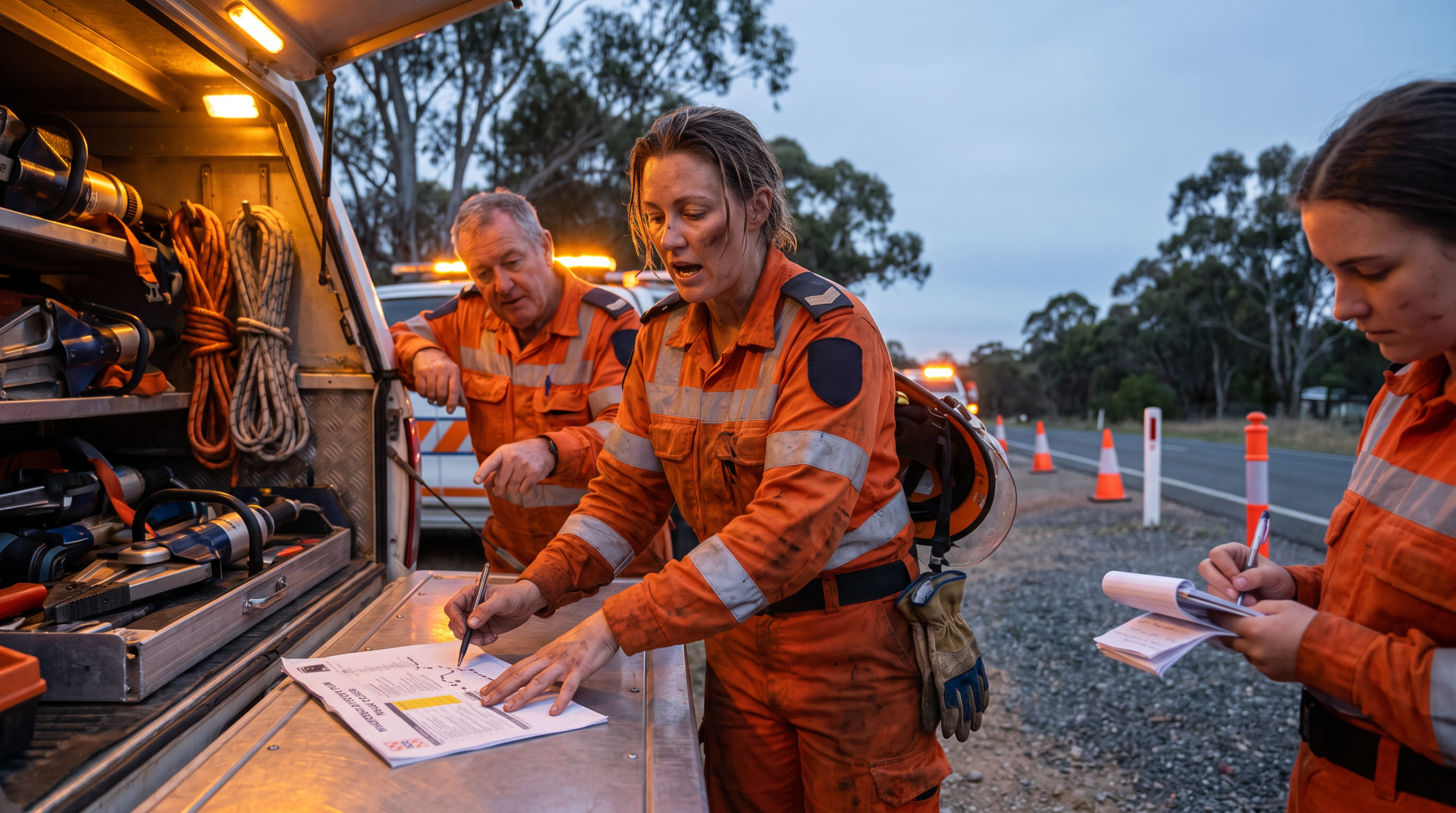
Former ADF members and emergency services personnel possess highly transferable skills that are valued across numerous industries. Military and emergency services experience develops leadership, problem-solving, teamwork, risk management, and crisis response capabilities that translate effectively to civilian careers.
25% Discount Available: 3CIR proudly offers a 25% discount on all courses for current and former defence and emergency services personnel. This recognition reflects our commitment to supporting those who have served our community and nation.
Common career transition pathways for veterans include:
- Project management and coordination roles
- Risk management and compliance positions
- Training and development careers
- Security and emergency management
- Logistics and supply chain management
Emergency services professionals often transition successfully into:
- Workplace health and safety roles
- Training and assessment positions
- Risk management consultancy
- Emergency management planning
- Corporate security and safety management
RPL assessments for veterans and emergency services personnel focus on demonstrating how military or emergency services competencies align with civilian qualification requirements. This approach recognises the substantial skills and knowledge gained through service experience.
Veterans and Emergency Services Personnel – 25% Discount Available
Frequently Asked Questions About Career Transitions
How do I know if it’s the right time to change careers?
The right time to change careers is when you consistently experience job dissatisfaction, lack of growth opportunities, skills misalignment, or when your current role no longer supports your life goals and values.
What qualifications do I need for a successful career transition?
Required qualifications vary by industry and role, but RPL assessments can help validate existing skills while identifying any additional training needed for your target career path.
How long does a typical career transition take?
Career transitions typically take 6-18 months depending on the industry change scope, qualification requirements, and job market conditions in your target field. You can start your free assessment to find out what qualifications match your experience.
Can military experience help in civilian career transitions?
Absolutely. Military experience provides highly transferable skills in leadership, project management, risk assessment, and team coordination that are valued across many civilian industries and can often be recognised through RPL.
What support is available for emergency services personnel changing careers?
Emergency services personnel can access RPL pathways, receive 25% discounts on qualifications, and leverage their crisis management and safety expertise for roles in risk management, training, and corporate safety.
How does Recognition of Prior Learning work for career changers?
RPL allows career changers to have their existing skills and knowledge formally assessed against qualification standards, potentially earning partial or full qualifications without completing traditional coursework.
What industries offer the best opportunities for career transitions?
Growing industries including healthcare, technology, renewable energy, aged care, and professional services offer strong opportunities for career transitions, especially with relevant qualifications.
Should I complete additional training before changing careers?
Additional training depends on your target role requirements and existing skills, but strategic upskilling through nationally recognised qualifications often improves transition success rates and employment prospects.
How do I maintain income during a career transition?
Consider gradual transitions, part-time study options, online learning flexibility, or leveraging RPL to reduce qualification timeframes while maintaining current employment during the transition period.
What are the biggest mistakes people make when changing careers?
Common mistakes include insufficient research, inadequate financial planning, ignoring transferable skills, rushing the process, and failing to seek professional guidance or appropriate qualifications for target roles.
Educational Videos for Career Development
Enhance your career transition knowledge with these comprehensive video resources covering key professional development areas:
- Leadership Development: Leadership Skills Training
- Human Resources: HR Management Essentials
- Workplace Health and Safety: WHS Training Overview
- Security Management: Security Industry Training
- Business Administration: Business Skills Development
- Marketing and Communication: Marketing Fundamentals
- Government and Public Sector: Government Sector Careers
- Project Management: Project Management Training
Ready to Transform Your Career?
Take the first step towards your new career with our comprehensive RPL assessment. Our experienced team will evaluate your skills and guide you towards the right qualification pathway.