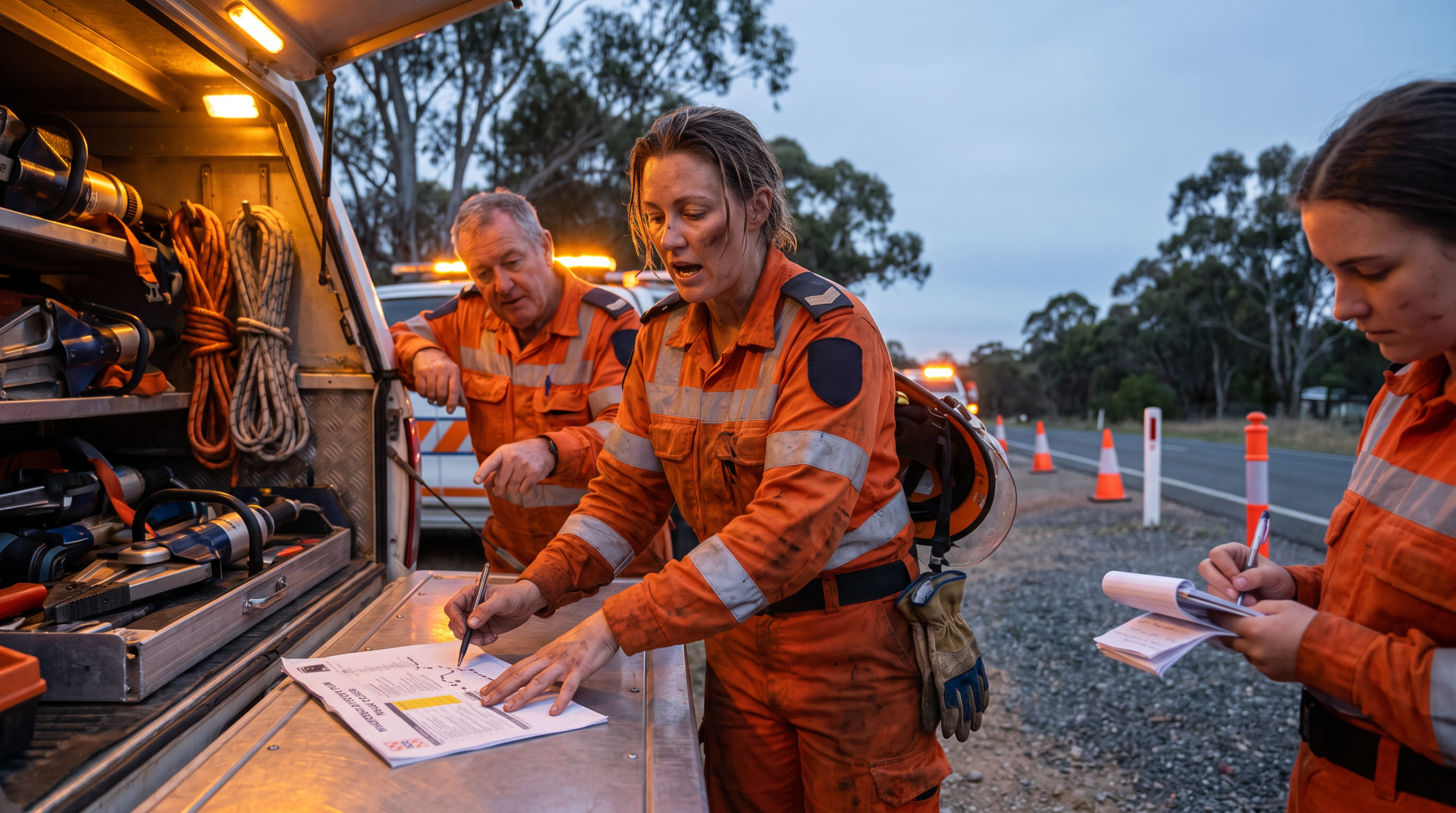

WHS Qualifications to Enhance Your Career: Complete Guide to Workplace Health and Safety Training
AI Summary: WHS qualifications provide essential career advancement opportunities across all industries, with dedicated health and safety professionals always in demand due to legal workplace protection requirements.
What is Workplace Health and Safety (WHS)?
Workplace Health and Safety (WHS), also known as Occupational Health and Safety (OH&S), is a multidisciplinary field concerned with the safety, health, and welfare of people at work. WHS encompasses legislation, policies, procedures, and practices designed to protect workers from workplace hazards and prevent work-related injuries, illnesses, and fatalities. In Australia, WHS is regulated under the Work Health and Safety Act 2011, which establishes duties of care for employers, workers, and other parties in the workplace. The field involves risk assessment, hazard identification, safety management systems, and compliance monitoring to ensure safe working environments across all industries.
Why Should You Consider WHS Qualifications for Career Growth?
Regardless of industry, every business is legally obligated to protect its employees. Most medium and large firms will have dedicated members of staff supervising health and safety issues in the workplace to meet this requirement. Health and safety experts will always have work and fresh opportunities to advance.
Whether you work on a bustling construction site or in an office, health and safety are always problems that must be addressed. This could be an excellent opportunity to expand your abilities and pursue a new career path. Let’s look at how you can get your health and safety career off to a good start.
The demand for qualified WHS professionals continues to grow as organisations recognise the importance of maintaining safe working environments. Start your WHS qualification journey today and position yourself for a rewarding career in workplace safety.
Is Health and Safety a Good Career Path?
Yes! There will always be jobs if you have the qualifications, experience, and attitude, as every workplace requires health and safety procedures. The versatility of WHS qualifications means you can work across diverse sectors, from construction and manufacturing to healthcare and government services.
Health and Safety in Construction, Building Manufacturing Industries: The construction industry is known for its high demand for health-risk personnel. The practical nature of the job means that accidents often happen, which leads to robust safety measures being implemented throughout all aspects, from training procedures down to use-of-force guidelines, so legal compliance can be assured when it comes time for litigation or other proceedings related to work injuries sustained during employment.
Health and safety certifications can also help you advance your career by providing transferable skills that can be applied to various professions and industries. Working in these positions can pave the way for you to advance into management roles or specialise in specific areas of workplace safety.
What Types of WHS Qualifications Are Available?
The Australian vocational education and training (VET) sector offers comprehensive WHS qualifications through the Australian Qualifications Framework (AQF). These qualifications range from Certificate III to Graduate Diploma levels, each designed to meet specific industry needs and career aspirations.
Popular WHS qualifications include Certificate IV in Work Health and Safety (BSB41419), Diploma of Work Health and Safety (BSB51319), and Advanced Diploma of Work Health and Safety (BSB61319). Each qualification builds upon previous learning and provides progressively more advanced skills in risk management, compliance, and safety leadership.
According to training.gov.au, these qualifications are nationally recognised and provide pathways to employment across all Australian states and territories. The structured approach ensures you develop both theoretical knowledge and practical skills essential for effective WHS practice. Find out more about how to RPL for WHS professionals.
How Can You Fast-Track Your WHS Career Through RPL?
Recognition of Prior Learning (RPL) offers an accelerated pathway for experienced professionals to obtain formal WHS qualifications. If you’ve worked in safety-related roles or have relevant experience, RPL can significantly reduce your study time while recognising your existing skills and knowledge.
The RPL process involves documenting your work experience, training history, and demonstrating competency against the required learning outcomes. This assessment method is particularly valuable for professionals transitioning from related fields or those seeking to formalise their existing expertise with nationally recognised credentials.
What Career Opportunities Exist in WHS?
WHS qualifications open doors to diverse career opportunities across multiple sectors. Common roles include WHS Advisor, Safety Coordinator, Risk Management Specialist, Compliance Officer, and WHS Manager. Advanced qualifications can lead to consultancy roles, executive positions, or specialisation in areas such as industrial hygiene, ergonomics, or environmental health.
The mining, construction, healthcare, manufacturing, and government sectors particularly value qualified WHS professionals. With Australia’s strong emphasis on workplace safety legislation, qualified professionals enjoy excellent job security and competitive remuneration packages.
Many WHS professionals also choose to establish their own consultancy practices, providing services to small and medium enterprises that require expert safety advice but cannot justify full-time WHS positions.
Which Industries Offer the Best WHS Career Prospects?
Several industries offer exceptional career prospects for WHS professionals. The construction and mining sectors traditionally offer the highest remuneration due to the inherent risks and regulatory requirements. Healthcare facilities require specialised WHS expertise to manage infection control, manual handling, and hazardous substances.
Manufacturing industries, particularly those involving chemical processes or heavy machinery, provide stable career opportunities with clear advancement pathways. Government agencies at federal, state, and local levels employ WHS professionals to ensure compliance across public sector operations and to develop policy frameworks.
Emerging sectors such as renewable energy, aged care, and technology companies are increasingly recognising the value of proactive WHS management, creating new opportunities for qualified professionals.
RPL Assessment for WHS Qualifications
Recognition of Prior Learning (RPL) represents an efficient pathway for experienced professionals to obtain formal WHS qualifications without completing traditional classroom-based training. This assessment method recognises your existing skills, knowledge, and experience gained through work, volunteer activities, or informal learning.
The RPL process for WHS qualifications involves comprehensive portfolio development, where you document relevant work experience, training certificates, and evidence of competency application. Qualified assessors evaluate your submission against the specific learning outcomes required for your chosen qualification.
Common evidence types include employment references, project reports, safety procedures you’ve developed, incident investigation reports, and training records. The assessment focuses on demonstrating current competency rather than how or where you acquired the skills. For more information, learn how RPL works.
RPL is particularly valuable for professionals with military backgrounds, emergency services experience, or those who’ve worked in supervisory roles where safety responsibilities were integral to their duties. Begin your RPL assessment today and fast-track your formal WHS qualification.
The Australian Skills Quality Authority (ASQA) regulates RPL processes to ensure consistent standards across all Registered Training Organisations (RTOs). This regulation guarantees that RPL qualifications carry the same recognition and industry acceptance as traditional training pathways.
Special Benefits for Veterans and Emergency Services Personnel
3CIR recognises the valuable experience that current and former Australian Defence Force (ADF) personnel and emergency services workers bring to civilian WHS roles. Military and emergency services training often includes comprehensive safety protocols, risk assessment procedures, and leadership skills directly transferable to workplace health and safety positions.
As a veteran-owned RTO, 3CIR offers a 25% discount on all WHS qualifications for current and former defence and emergency services personnel. This discount acknowledges the significant investment these professionals have made in serving their communities and recognises the relevant experience they possess.
Military occupations such as safety officers, training instructors, logistics coordinators, and project managers often possess substantial experience applicable to civilian WHS roles. Emergency services personnel, including firefighters, paramedics, and police officers, bring valuable incident response, risk management, and safety coordination experience.
The structured approach to safety management in military and emergency services environments provides excellent preparation for civilian WHS careers. Many defence and emergency services procedures align closely with civilian workplace safety requirements, making the transition smoother for qualified personnel.
Apply for your veteran discount and leverage your service experience into a rewarding civilian WHS career.
Frequently Asked Questions
What is the entry requirement for WHS qualifications?
Most WHS qualifications require completion of Year 10 or equivalent. Certificate IV levels typically require some work experience or completion of a Certificate III qualification in a related field.
How long does it take to complete a WHS qualification?
Traditional training ranges from 6-18 months depending on the qualification level and study mode. RPL assessments can be completed in 4-8 weeks for eligible candidates.
Are WHS qualifications recognised across Australia?
Yes, all nationally recognised WHS qualifications are accepted across all Australian states and territories under the Australian Qualifications Framework (AQF).
Can ADF personnel use their military experience for WHS qualifications?
Absolutely. Military safety training, risk assessment experience, and leadership roles provide excellent foundation for WHS qualifications, often qualifying for RPL assessment pathways. You can check your RPL eligibility to find out what qualifications match your experience.
What salary can I expect in a WHS career?
Entry-level WHS positions start around a competitive salary, with experienced professionals earning a competitive salary. Senior roles and consultancy positions can exceed a competitive salary.
Do emergency services personnel qualify for RPL in WHS?
Yes, emergency services personnel possess valuable incident response, risk management, and safety coordination experience that often qualifies for RPL assessment in WHS qualifications.
Is there ongoing professional development required in WHS?
While not legally mandated, most employers expect WHS professionals to maintain current knowledge through continued professional development, industry networking, and additional training.
Can I study WHS qualifications online?
Yes, many WHS qualifications are available through online delivery, with some practical components requiring workplace assessment or simulated environments.
What is the difference between Certificate IV and Diploma level WHS qualifications?
Certificate IV focuses on operational WHS roles, while Diploma level qualifications prepare you for management responsibilities, policy development, and strategic safety planning.
How do I choose the right WHS qualification for my career goals?
Consider your current experience level, desired career outcomes, and industry sector. Speak with a qualified training advisor to ensure your chosen qualification aligns with your professional objectives.
Additional WHS Training Resources
Explore our comprehensive video resources covering various aspects of workplace safety and professional development:
Professional Development Videos:
- Leadership Training: https://youtu.be/7k57ygLXncA
- Human Resources Management: https://youtu.be/jLUKTpqOOfU
- Work Health and Safety: https://youtu.be/6QHTzXlE5C0
- Security Operations: https://youtu.be/d20nwpEot8Q
- Business Administration: https://youtu.be/8P_VySE0zjQ
- Marketing and Communication: https://youtu.be/VdQxJKmgZfs
- Government Services: https://youtu.be/PV_knsJnb5E
- Project Management Qualifications
Ready to advance your career with a nationally recognised WHS qualification? Complete your RPL assessment form today and take the first step towards a rewarding career in workplace health and safety. Our experienced assessors will evaluate your existing skills and guide you through the most efficient pathway to formal qualification.