
Which Risk Management Qualification Will Add the Most to Your Resume?
Risk Management Qualification – Entity Definition
A risk management qualification is a formally recognised VET credential that provides individuals with the competencies needed to identify, assess, and mitigate potential risks within organisational contexts. These qualifications, governed by ASQA standards and aligned with the AQF framework, encompass various levels from Certificate IV through to Advanced Diploma. Risk management qualifications prepare professionals to develop comprehensive strategies that protect organisations from financial, operational, legal, and reputational threats. The curriculum typically covers risk analysis methodologies, compliance frameworks, business continuity planning, and strategic risk governance. These nationally recognised qualifications are essential for careers in security management, corporate governance, emergency management, and regulatory compliance across both public and private sectors throughout Australia.
Why Risk Management Qualifications Matter for Career Advancement
Security managers are responsible for ensuring the safety and security of their organisations. They use an array of knowledge about risk management and law enforcement practices to keep businesses safe from harm, especially when managing employees who pose risks. A degree in this field can give you everything that’s needed within your career path and outside at social events like concerts where there may be potential threats lurking around every corner.
Whether you’re interested in devising security processes or developing risk mitigation strategies, there’s a program for you. The VET sector offers comprehensive pathways for professionals seeking to enhance their expertise in risk management through nationally recognised qualifications that meet industry standards and employer expectations.
In today’s complex business environment, organisations face an unprecedented range of risks from cyber threats to regulatory compliance challenges. Qualified risk management professionals are increasingly in demand across all sectors, making these qualifications valuable investments in your career development. Explore your qualification options today to discover which pathway aligns with your career goals.
Advanced Diploma of Integrated Risk Management – The Premium Choice
This is widely considered the best quality of risk management qualification because it provides the competencies required from experienced risk managers. It is designed for senior personnel who want to learn how to develop complex risk management strategies.
The best candidates for this program are those serving in managerial and other senior positions or wanting to be promoted to those roles. By the end of the course, students are expected to be able to apply the specialist knowledge and skills they have learned in a wide range of situations that involve managing complex strategic and operational risk situations and problems.
This Advanced Diploma qualification equips you with advanced analytical capabilities to evaluate multi-faceted risk scenarios and develop sophisticated mitigation strategies. The curriculum emphasises practical application of theoretical frameworks, ensuring graduates can implement effective risk governance structures within their organisations. Students learn to create compliance requirements, establish compliance management systems, and implement comprehensive risk mitigation protocols that align with Australian standards and international best practices.
What Professional Opportunities Does Risk Management Training Provide?
Risk management qualifications open doors to diverse career opportunities across multiple industries. Graduates typically progress into roles such as Risk Manager, Compliance Officer, Security Director, Business Continuity Manager, or Governance Specialist. These positions are available in corporate environments, government agencies, financial institutions, healthcare organisations, and consulting firms.
The Australian job market demonstrates strong demand for qualified risk management professionals, particularly those with advanced diplomas. According to recent industry reports, risk management roles offer competitive salaries and excellent career progression opportunities. Many professionals use these qualifications as stepping stones to executive leadership positions or specialised consulting careers.
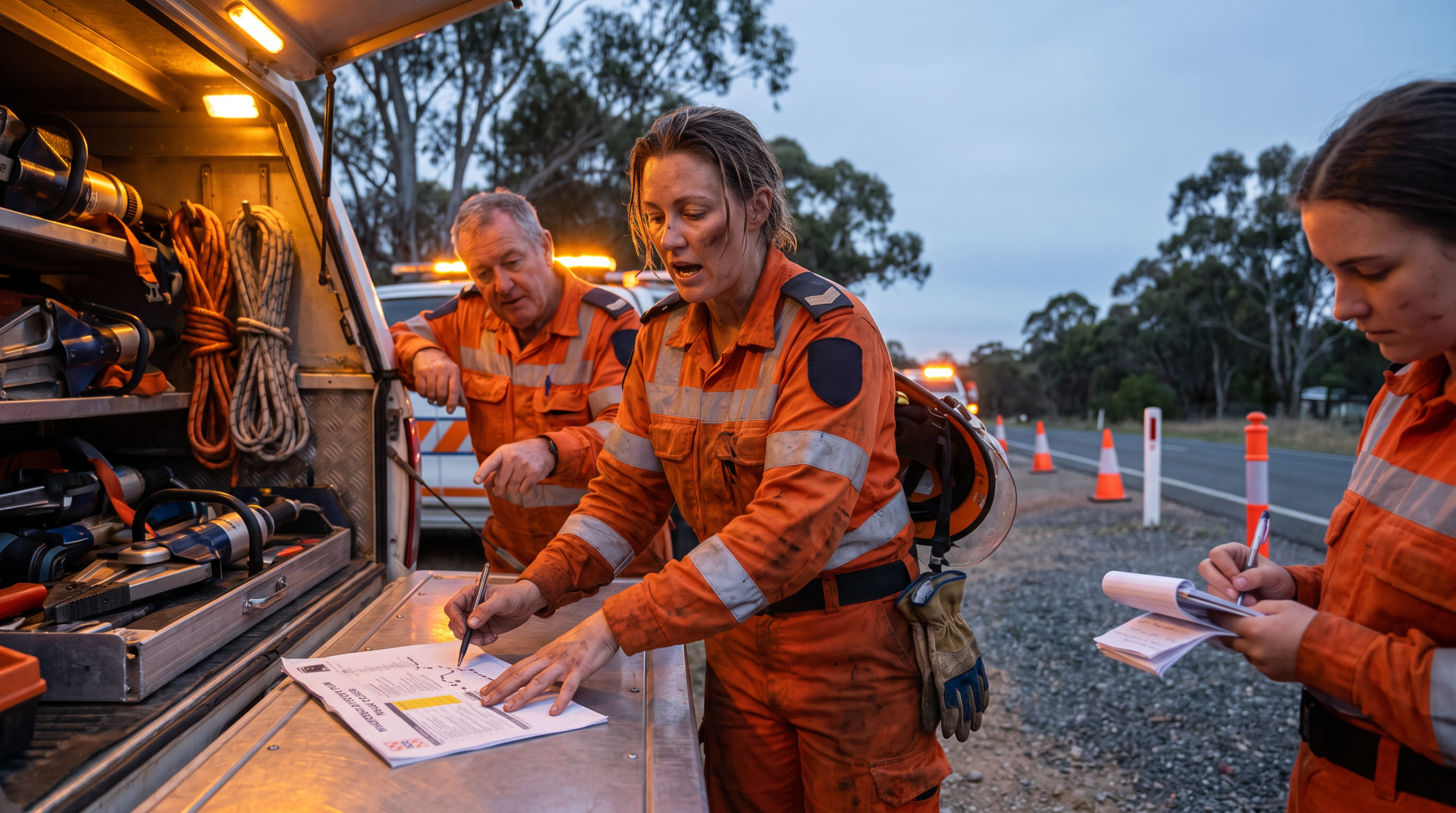
Emergency services and ADF personnel often find their operational experience highly valued when combined with formal risk management qualifications. The practical decision-making skills developed in high-pressure environments translate effectively to civilian risk management roles, making these qualifications particularly valuable for transitioning service personnel. Find out more about how to security and risk management qualifications.
How Do Risk Management Qualifications Compare Across Different Levels?
The VET system offers risk management qualifications at various AQF levels, each targeting different career stages and responsibilities. Certificate IV qualifications provide foundational knowledge suitable for entry-level positions, whilst diploma-level courses prepare students for supervisory and coordination roles. The Advanced Diploma represents the pinnacle of VET risk management education, designed for senior practitioners and leaders.
When comparing qualifications, consider factors such as entry requirements, course duration, assessment methods, and career outcomes. Higher-level qualifications generally require more extensive workplace experience and offer greater career advancement potential. The training.gov.au website provides detailed information about specific qualification requirements and learning outcomes.
Industry recognition varies between qualifications, with Advanced Diplomas typically receiving the highest regard from employers. These qualifications often include practical projects that demonstrate real-world application of risk management principles, making graduates immediately valuable to prospective employers.
Which Industries Value Risk Management Qualifications Most Highly?
Risk management qualifications are particularly valued in heavily regulated industries such as banking and finance, healthcare, mining, construction, and energy sectors. Government agencies and emergency services organisations also place high importance on formal risk management credentials when recruiting senior personnel.
The financial services sector especially values comprehensive risk management training due to strict regulatory requirements and the potential for significant financial losses from inadequately managed risks. Similarly, healthcare organisations require sophisticated risk management approaches to ensure patient safety and regulatory compliance.
Technology companies increasingly recognise the importance of formal risk management qualifications as cyber security threats and data privacy regulations become more complex. Manufacturing and construction industries value these qualifications for their emphasis on workplace safety and operational risk mitigation. Assess your current experience to determine which qualification level suits your industry background.
How Recognition of Prior Learning Accelerates Your Qualification Journey
Recognition of Prior Learning (RPL) provides an efficient pathway for experienced professionals to gain formal qualifications without repeating training in areas where they already demonstrate competency. This VET assessment process recognises skills and knowledge gained through work experience, previous training, or life experiences.
The RPL process involves comprehensive assessment of your existing capabilities against the qualification’s learning outcomes. Experienced risk management practitioners often find they can achieve significant credit towards their chosen qualification through RPL, reducing both study time and costs. This approach is particularly beneficial for professionals seeking to formalise their expertise with nationally recognised credentials.
Successful RPL candidates typically demonstrate their competencies through portfolios of evidence, workplace observations, and professional interviews. The process ensures that formal recognition aligns with actual workplace capabilities, making RPL graduates immediately effective in their roles. ASQA guidelines ensure RPL processes maintain the same rigorous standards as traditional training pathways.
Many professionals combine RPL with targeted training to address specific knowledge gaps, creating customised learning pathways that maximise efficiency whilst ensuring comprehensive competency development. This flexible approach particularly suits busy professionals who need to balance study with ongoing work commitments. For more information, learn how RPL works.
Veterans and Emergency Services Personnel – Specialised Recognition and Support
Current and former ADF personnel and emergency services workers possess unique risk management experience that translates effectively to civilian qualifications. Military and emergency services backgrounds provide practical understanding of crisis management, operational planning, and decision-making under pressure – all core components of effective risk management.
3CIR recognises this valuable experience and offers a 25% discount for all current and former defence and emergency services personnel on risk management qualifications. This discount acknowledges the significant contribution these professionals bring to civilian risk management roles and supports their career transition goals.
Veterans often find their leadership experience, combined with formal risk management qualifications, makes them highly sought-after candidates for senior risk management positions. The structured approach to problem-solving developed during military or emergency services careers aligns closely with systematic risk management methodologies taught in advanced qualifications.
Emergency services personnel bring particular expertise in emergency response planning and crisis management, skills that are increasingly valuable as organisations focus on business continuity and resilience planning. Many find that formal risk management qualifications provide the theoretical framework to complement their practical experience, creating a powerful combination that employers highly value.
The transition from military or emergency services to civilian risk management roles is supported by comprehensive career guidance and mentoring programs available through 3CIR, ensuring veterans maximise their qualification investment and achieve successful career transitions.
Frequently Asked Questions About Risk Management Qualifications
What is the highest level risk management qualification available in Australia?
The Advanced Diploma of Integrated Risk Management represents the highest VET qualification available for risk management professionals in Australia. This AQF Level 6 qualification provides comprehensive advanced skills for senior practitioners and prepares graduates for leadership roles across diverse industries requiring sophisticated risk management expertise.
How long does it take to complete a risk management qualification?
Completion timeframes vary significantly based on the qualification level and study mode selected. Certificate IV courses typically require 6-12 months, whilst Advanced Diplomas may take 12-24 months for full-time study. RPL pathways can significantly reduce these timeframes for experienced professionals by recognising existing competencies.
Which risk management qualification provides the best career prospects?
The Advanced Diploma of Integrated Risk Management offers the strongest career advancement opportunities due to its comprehensive curriculum and industry recognition. Graduates typically access senior management positions with higher salary potential and greater professional autonomy compared to lower-level qualifications.
Do risk management qualifications require workplace experience?
Most risk management qualifications require some relevant workplace experience, particularly at diploma and advanced diploma levels. However, the specific requirements vary between courses and RTOs, with some offering flexible arrangements for students transitioning between industries or entering the field for the first time. You can check your RPL eligibility to find out what qualifications match your experience.
Can ADF personnel use their military experience for risk management qualifications?
Yes, ADF personnel typically possess extensive relevant experience that can be recognised through RPL processes for risk management qualifications. Military experience in operational planning, threat assessment, and crisis management directly aligns with civilian risk management competencies, often resulting in significant credit towards formal qualifications.
Are risk management qualifications recognised internationally?
Australian VET qualifications, including risk management credentials, are widely recognised internationally, particularly in countries with similar education systems. However, specific recognition requirements vary between countries and employers, so it’s advisable to research requirements in your target location or with specific international employers.
What career opportunities exist for emergency services personnel with risk management qualifications?
Emergency services personnel with formal risk management qualifications are highly sought after for roles in corporate security, emergency management, business continuity planning, and regulatory compliance. Their practical experience combined with theoretical knowledge makes them ideal candidates for senior positions requiring both strategic thinking and operational expertise.
How much do risk management qualifications cost in Australia?
Risk management qualification costs vary significantly between providers and study modes, typically ranging from a competitive salary for advanced diplomas. 3CIR offers competitive pricing with additional 25% discounts for current and former defence and emergency services personnel, making quality education more accessible for these professionals.
What assessment methods are used in risk management qualifications?
Risk management qualifications typically use diverse assessment methods including written assignments, case study analysis, practical projects, workplace observations, and professional presentations. These varied approaches ensure comprehensive evaluation of both theoretical knowledge and practical application capabilities essential for effective risk management practice.
Can I study risk management qualifications online in Australia?
Yes, many risk management qualifications are available online through approved RTOs across Australia. 3CIR delivers nationally recognised qualifications online nationwide, with additional face-to-face options available in Brisbane. Online delivery provides flexibility for working professionals whilst maintaining rigorous assessment standards and comprehensive support services.
Ready to Advance Your Risk Management Career?
Take the first step towards a prestigious risk management qualification that will transform your career prospects and earning potential.
Related Course Videos
Explore these comprehensive course overviews to understand how risk management integrates with other essential business disciplines:
- Leadership: https://youtu.be/7k57ygLXncA
- HR: https://youtu.be/jLUKTpqOOfU
- WHS: https://youtu.be/6QHTzXlE5C0
- Security: https://youtu.be/d20nwpEot8Q
- Business: https://youtu.be/8P_VySE0zjQ
- Marketing: https://youtu.be/VdQxJKmgZfs
- Government: https://youtu.be/PV_knsJnb5E
- Project Management: https://youtu.be/kz7CyEsRNyg