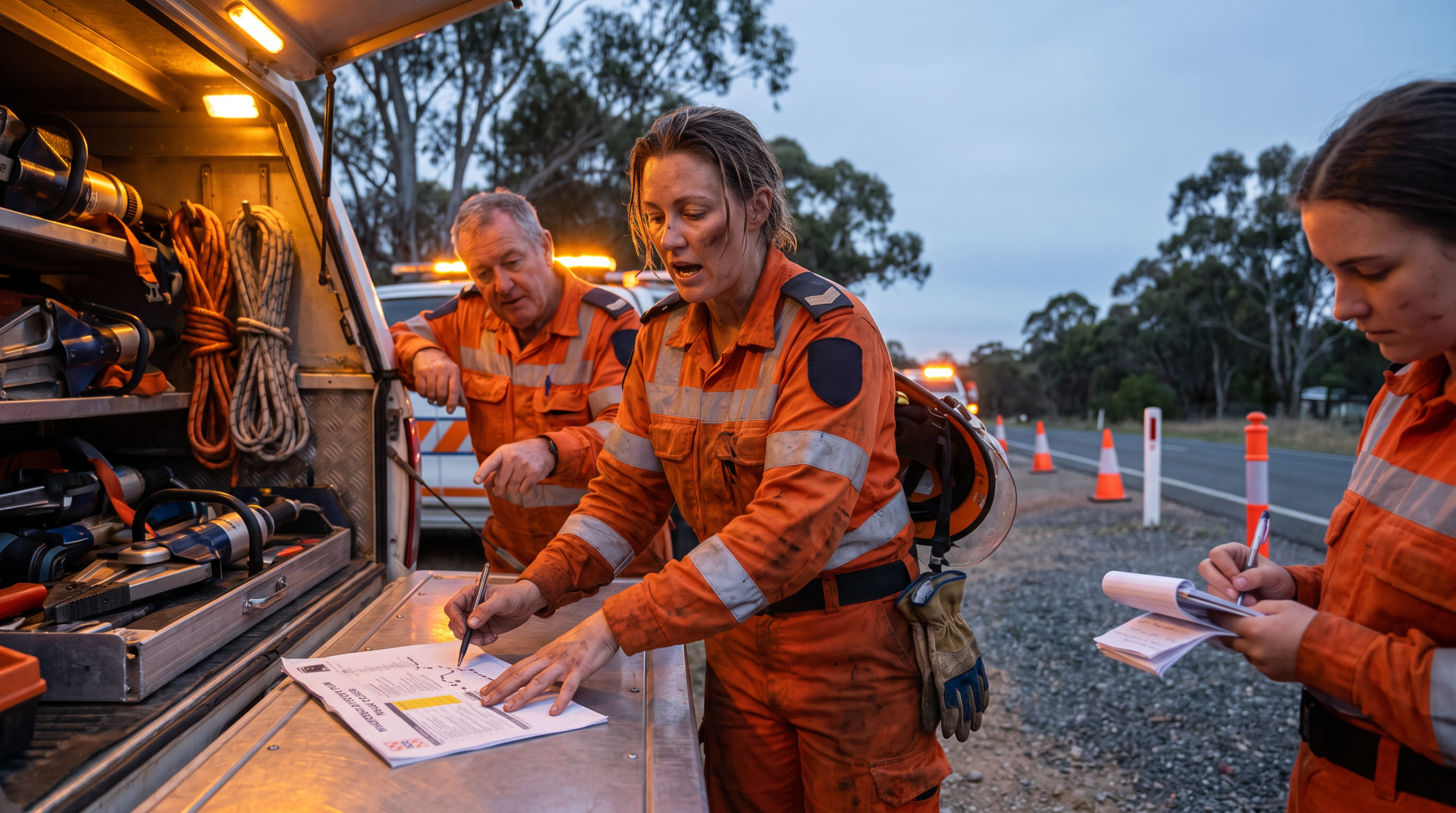

Why Qualifications Matter: Uplifting the Quality of Emergency Services
Emergency services qualifications demonstrate professional competence, enhance public safety, and provide career advancement opportunities. Recognition of Prior Learning (RPL) enables experienced emergency personnel to gain nationally recognised credentials by assessing existing skills and knowledge without traditional classroom study.
Emergency Services Qualifications: Professional Recognition Framework
Emergency services qualifications represent a structured framework of nationally recognised credentials designed to assess, validate, and certify the competencies of personnel working in critical response sectors. These qualifications, regulated under the Australian Qualifications Framework (AQF) and delivered by ASQA-registered training organisations, encompass various emergency response disciplines including fire services, police, ambulance, state emergency services, and disaster management. The qualification system ensures standardised competency levels across Australia, facilitating professional mobility, career progression, and public confidence in emergency response capabilities. Through formal assessment processes, including Recognition of Prior Learning pathways, emergency services qualifications bridge the gap between practical experience and academic recognition, creating a comprehensive professional development ecosystem that enhances both individual career prospects and organisational effectiveness in emergency response operations.
The Critical Importance of Emergency Services Qualifications
In the fast-paced, dynamic world of emergency services, the importance of qualifications cannot be overstated. They testify to an individual’s proficiency, readiness, and commitment. They exemplify a standard of excellence and foster a culture of continuous improvement. But what if there was a way to leverage your existing skills and experiences to gain these vital qualifications? Enter the concept of Recognition of Prior Learning (RPL).
Emergency services operate in high-stakes environments where every decision can have life-or-death consequences. Your qualifications serve as tangible proof of your ability to perform under pressure, make critical decisions, and maintain professional standards. These credentials demonstrate to employers, colleagues, and the community that you possess the necessary competencies to handle emergency situations effectively.
Nationally recognised qualifications also provide portable credentials that are accepted across Australia. Whether you’re seeking promotion, changing departments, or relocating to another state, your qualifications travel with you, ensuring your professional recognition remains intact.
Understanding Recognition of Prior Learning in Emergency Services
Recognition of Prior Learning, or RPL, as it is commonly known, is a process that assesses an individual’s skills, knowledge, and experiences, irrespective of how they were gained. This method allows individuals in emergency services to gain an RPL certificate, reflecting their competence in their field.
The RPL process recognises that learning occurs in various environments – on the job, through volunteer work, military service, or informal training. For emergency services personnel, this is particularly relevant as much of your expertise comes from real-world experience responding to actual emergencies. The training.gov.au website provides comprehensive information about nationally recognised training packages specifically designed for emergency services sectors.
RPL assessment involves gathering evidence of your competencies through various methods including workplace observations, portfolio submissions, third-party reports, and practical demonstrations. This evidence is then mapped against the learning outcomes of formal qualifications to determine equivalency.
Why Should You Consider Emergency Services RPL?
It’s understandable if you’re thinking, “Why should I consider emergency services RPL?” The answer is simple. In emergency services, every second counts, and every decision can have far-reaching consequences. Emergencies are complex and unpredictable, requiring swift actions based on sound judgment. Such judgment comes with experience and knowledge – the two pillars of RPL.
RPL offers numerous benefits for emergency services professionals. Firstly, it provides formal recognition for the expertise you’ve developed through years of practical experience. This recognition can lead to increased job satisfaction, professional confidence, and peer respect. Secondly, qualifications obtained through RPL can open doors to leadership positions, specialised roles, and higher salary brackets.
The time-efficient nature of RPL makes it particularly attractive to busy emergency services personnel. Rather than spending years in traditional classroom settings, you can achieve nationally recognised qualifications based on your existing competencies, often within months rather than years.
How Do RPL Qualifications Enhance Emergency Response Capabilities?
RPL in emergency services allows for the validation of hard-earned skills, creating a path for professionals to earn nationally recognised and respected qualifications. It’s not just about adding another certificate to your wall; it’s about enhancing the overall quality and effectiveness of emergency response services.
When emergency services personnel hold formal qualifications, it increases public confidence in the system. Communities trust that their emergency responders have been assessed against national standards and possess verified competencies. This trust is fundamental to effective emergency management and community resilience.
Qualified personnel also contribute to improved organisational performance. Teams with formally recognised skills demonstrate enhanced coordination, better decision-making processes, and more effective resource utilisation during emergency responses. The standardised competency framework ensures consistent service delivery across different geographic areas and emergency scenarios.
Furthermore, qualifications facilitate better inter-agency cooperation. When personnel from different emergency services hold recognised credentials, it streamlines collaboration during multi-agency responses, improving overall emergency management effectiveness.
What Career Pathways Do Emergency Services Qualifications Create?
Emergency services qualifications create multiple career progression pathways. Entry-level qualifications provide foundation competencies for new personnel, while advanced qualifications prepare experienced professionals for leadership and specialist roles. The qualification pathway typically progresses from Certificate III and IV levels through to Diploma and Advanced Diploma qualifications.
Specialist areas within emergency services, such as incident command, emergency management, rescue operations, and hazardous materials response, each have specific qualification requirements. By obtaining these credentials through RPL, you position yourself for advancement into these specialised and often higher-paying roles.
The portable nature of nationally recognised qualifications also creates opportunities for cross-sector movement. Skills developed in one emergency service often translate to other sectors, and formal qualifications provide the evidence needed to make such transitions. Many emergency services professionals use their qualifications to move into consulting, training delivery, or private sector emergency management roles.
Start your RPL assessment today and discover how your emergency services experience can translate into nationally recognised qualifications.
Recognition of Prior Learning: Your Gateway to Formal Qualifications
Recognition of Prior Learning represents a transformative approach to professional development for emergency services personnel. This assessment methodology acknowledges that competency development occurs through various pathways, not exclusively through formal education. For emergency services professionals, RPL offers an accelerated route to obtaining nationally recognised qualifications that reflect your actual workplace capabilities.
The RPL process begins with a comprehensive skills audit, where your existing competencies are mapped against the learning outcomes of relevant qualifications. This mapping exercise identifies areas where you already meet the required standards and highlights any gaps that may need addressing. The assessment utilises multiple evidence sources including work samples, supervisor testimonials, training records, and practical demonstrations.
3CIR specialises in RPL assessment for emergency services personnel, understanding the unique challenges and requirements of this sector. Our assessment process is designed to minimise disruption to your operational duties while ensuring thorough evaluation of your competencies. We work with you to gather appropriate evidence and present it in a format that clearly demonstrates your skills against national competency standards.
The Australian Skills Quality Authority regulates the RPL process, ensuring consistent standards and quality across all registered training organisations. This regulatory framework guarantees that your RPL qualification holds the same value as qualifications obtained through traditional training pathways. For more information, firefighter RPL qualifications.
RPL assessment typically takes 4-8 weeks to complete, depending on the qualification level and the complexity of evidence required. This timeframe represents a significant advantage over traditional training approaches, which may take years to complete. For experienced emergency services personnel, RPL often provides the fastest path to formal qualification recognition.
Veterans and Emergency Services Personnel: Special Recognition
3CIR proudly supports current and former Australian Defence Force (ADF) members and emergency services personnel through our specialised Recognition of Prior Learning programs. We understand that military and emergency services experience provides exceptional training in leadership, crisis management, risk assessment, and operational effectiveness – competencies that directly translate to civilian qualifications.
As part of our commitment to supporting those who have served our nation and communities, 3CIR offers a 25 percent discount on all qualifications for current and former defence and emergency services personnel. This discount applies to our comprehensive range of nationally recognised qualifications, making professional development more accessible to those who have dedicated their careers to public service.
Former military personnel often possess advanced competencies in areas such as logistics, security, project management, and training delivery. These skills, developed through military service, frequently exceed the requirements for civilian qualifications. Our RPL assessment process recognises this expertise, enabling veterans to transition successfully into civilian careers with appropriate credentials.
Emergency services personnel, whether career or volunteer, develop unique competencies through exposure to real-world emergency situations. This practical experience, combined with ongoing professional development, creates a strong foundation for formal qualification recognition through RPL.
Our experienced assessment team includes former military and emergency services personnel who understand the context and value of your experience. This insight ensures that your assessment is conducted by professionals who appreciate the depth and breadth of competencies developed through service careers.
Contact us today to discuss your RPL options and take advantage of our veterans’ discount.
Frequently Asked Questions
What qualifications are available through RPL for emergency services personnel?
Emergency services personnel can access qualifications in public safety, emergency response, incident command, workplace health and safety, training and assessment, business administration, and leadership. These range from Certificate III through to Diploma levels, depending on your experience and role requirements.
How long does the RPL assessment process take?
The RPL assessment process typically takes 4-8 weeks from initial application to qualification issuance. This timeframe depends on the complexity of the qualification and the comprehensiveness of evidence provided. Most emergency services personnel can complete their assessment within 6 weeks.
What evidence do I need to provide for emergency services RPL?
Evidence requirements include employment records, training certificates, supervisor references, duty statements, incident reports, and examples of work performed. We’ll guide you through the specific evidence requirements for your chosen qualification during the initial consultation phase.
Can volunteer emergency services experience count towards RPL?
Absolutely. Volunteer experience in emergency services organisations such as SES, CFA, or volunteer ambulance services provides valuable competencies that can be assessed through RPL. The key is demonstrating consistent application of skills over time rather than just participation. You can check your eligibility to find out what qualifications match your experience.
Are RPL qualifications nationally recognised?
Yes, all qualifications obtained through RPL are nationally recognised and hold the same status as qualifications achieved through traditional training methods. They appear on your official academic transcript and are recognised by employers across Australia through the Australian Qualifications Framework.
What ADF experience is relevant for emergency services RPL?
Military experience in areas such as security, logistics, communications, training, leadership, and operational planning directly translates to emergency services qualifications. Combat experience, peacekeeping operations, and disaster relief work provide particularly relevant competencies for emergency management qualifications.
How much do emergency services RPL qualifications cost?
RPL qualification costs vary depending on the level and complexity of assessment required. As a veteran-owned RTO, 3CIR offers 25 percent discount for all current and former defence and emergency services personnel. Contact us for specific pricing information tailored to your circumstances.
Can I complete RPL assessment while working full-time?
Yes, our RPL process is designed to accommodate working professionals. Most assessment activities can be completed outside normal working hours, and we offer flexible scheduling for any required interviews or practical assessments to minimise impact on your operational duties.
What emergency services roles require formal qualifications?
Many senior emergency services positions require formal qualifications, including incident controllers, training officers, emergency management coordinators, and specialist rescue personnel. Some jurisdictions also require qualifications for promotion to supervisory roles or for specific operational certifications.
How do I know if my experience meets RPL requirements?
The best way to determine your eligibility is through our free RPL consultation process. We’ll review your experience against relevant competency standards and provide honest feedback about your qualification prospects. Most emergency services personnel with 2+ years experience meet RPL requirements for entry-level qualifications.
Ready to transform your emergency services experience into nationally recognised qualifications? Begin your RPL journey today and unlock new career opportunities in emergency services and beyond.
Additional Learning Resources
Enhance your understanding of various qualification pathways through these comprehensive video resources:
- Leadership qualifications: https://youtu.be/7k57ygLXncA
- Human Resources qualifications: https://youtu.be/jLUKTpqOOfU
- Workplace Health and Safety: https://youtu.be/6QHTzXlE5C0
- Security qualifications: https://youtu.be/d20nwpEot8Q
- Business qualifications: https://youtu.be/8P_VySE0zjQ
- Marketing qualifications: https://youtu.be/VdQxJKmgZfs
- Government qualifications: https://youtu.be/PV_knsJnb5E
- Project Management qualifications: https://youtu.be/kz7CyEsRNyg
Take action now: Submit your RPL assessment form and take the first step towards formally recognising your emergency services expertise with nationally recognised qualifications.