
Leveraging Your Experience: The Power of RPL in Advancing Your Education and Career
Recognition of Prior Learning (RPL) transforms your practical work experience into nationally recognised qualifications without traditional classroom learning. This formal assessment process validates skills gained through employment, training, or life experience, accelerating career advancement for Australian professionals.
Understanding Recognition of Prior Learning (RPL)
Recognition of Prior Learning (RPL) is a formal assessment methodology within Australia’s Vocational Education and Training (VET) system that evaluates and acknowledges skills, knowledge, and competencies acquired through non-formal and informal learning experiences. This process enables individuals to obtain nationally recognised qualifications by demonstrating their existing capabilities rather than undertaking traditional classroom-based education. RPL operates under the Australian Qualifications Framework (AQF) and is regulated by the Australian Skills Quality Authority (ASQA), ensuring consistent standards across all Registered Training Organisations (RTOs). The process involves comprehensive evidence gathering, competency mapping, and professional assessment to validate that an individual’s practical experience aligns with the learning outcomes of specific qualifications. This systematic approach bridges the gap between experiential learning and formal credentials, providing a pathway for career advancement and professional recognition.
How Does RPL Transform Professional Experience into Formal Qualifications?
Recognition of Prior Learning (RPL) allows Australian professionals to turn practical experience into formal qualifications, making RPL an increasingly popular way of furthering their careers. This powerful assessment process measures skills and knowledge gained through work experience, training courses, or life experience, eliminating the need to sit through courses and exams for certification in particular fields.
At 3CIR, we specialise in helping individuals convert their skills and experience into nationally recognised qualifications. No matter where in Australia you reside, RPL can accelerate your educational journey, save you time, and open doors to exciting career prospects. Our expert team understands the intricacies of the RPL process and guides you through each step towards achieving your professional and academic goals.
Instead of traditional learning pathways, Recognition of Prior Learning (RPL) allows you to prove competency through evidence of expertise. If you have already mastered specific abilities on the job, then qualifications won’t need to be acquired via ‘relearn’ methods. This approach recognises that valuable learning occurs outside formal educational settings.
Begin your RPL assessment today and discover how your experience can translate into formal recognition.
Why Is RPL Particularly Valuable in Australia’s VET System?
RPL’s importance goes beyond formal education: it is a conduit between real-world experience and academic qualifications. The Australian VET system recognises that competency can be developed through various pathways, making RPL a practical method of earning formal qualifications through real-world experience.
RPL can be particularly advantageous for professionals who have spent years honing their craft but need more formal education to back it up. From attaining an RPL certificate or higher qualifications, such as a Certificate IV, this process can save time and help accelerate career goals faster. The Australian Government’s training.gov.au portal provides comprehensive information about nationally recognised training packages that support RPL assessments.
The process validates your existing competencies against industry standards, ensuring that your practical knowledge meets the rigorous requirements set by industry bodies and regulatory authorities. This validation provides employers with confidence in your abilities and opens pathways to career advancement that might otherwise require years of formal study.
What Are the Key Benefits of Pursuing RPL Assessment?
Recognition of Prior Learning offers numerous advantages for working professionals seeking career advancement. Time efficiency stands as the primary benefit, as RPL assessment typically takes weeks rather than the months or years required for traditional qualifications. Cost-effectiveness represents another significant advantage, as RPL assessment fees are substantially lower than full course enrolment costs.
Career mobility improves dramatically with formal qualifications, as many employers require specific credentials for promotion or hiring decisions. Professional credibility increases when your practical experience receives official recognition through nationally recognised qualifications. The flexible assessment process accommodates working professionals’ schedules, allowing evidence submission and assessment meetings around existing commitments.
Industry recognition ensures your qualifications align with current standards and practices, making your credentials valuable across different employers and sectors. Personal satisfaction emerges from receiving formal acknowledgment of skills developed through years of practical experience, validating your professional journey and expertise.
The Australian Qualifications Framework ensures that RPL qualifications maintain the same standing as traditionally obtained credentials, providing equal recognition in the employment market.
How Can You Prepare Effectively for RPL Assessment?
Successful RPL assessment requires systematic preparation and comprehensive evidence gathering. Begin by thoroughly reviewing the qualification’s units of competency and performance criteria, understanding exactly what knowledge and skills require demonstration. Document your work experience chronologically, highlighting specific tasks, responsibilities, and achievements that align with the qualification requirements.
Collect supporting evidence including employment references, duty statements, project reports, certificates from short courses, performance reviews, and examples of work outputs. Professional portfolios showcasing your expertise provide powerful evidence of competency, particularly for creative or technical fields.
Witness statements from supervisors, colleagues, or clients can verify your competencies and provide third-party validation of your skills. Training records, even from informal workplace training, contribute valuable evidence of your commitment to professional development.
Consider engaging with 3CIR’s professional RPL services to ensure your evidence package meets assessment standards and maximises your chances of successful recognition.
What Industries and Sectors Benefit Most from RPL?
Recognition of Prior Learning proves particularly valuable across industries where practical experience carries significant weight. Trades and construction sectors benefit enormously, as experienced tradespeople can obtain formal qualifications reflecting their on-the-job expertise. Healthcare professionals, including those with extensive practical experience, can formalise their competencies through RPL pathways.
Information technology professionals often develop skills through project work and self-directed learning, making RPL an ideal pathway for formal recognition. Management and leadership roles across all sectors benefit from RPL, as experienced managers can obtain qualifications in leadership, project management, or business administration.
Human resources professionals frequently pursue RPL for HR qualifications, recognising their practical experience in recruitment, employee relations, and organisational development. Security industry professionals can leverage their operational experience for formal security qualifications.
Creative industries including marketing, communications, and digital media offer excellent RPL opportunities for professionals with portfolio-based evidence of their capabilities. The Australian Skills Quality Authority oversees quality standards across all these sectors, ensuring RPL assessments maintain rigorous standards.
Understanding the RPL Assessment Process
Recognition of Prior Learning operates through a structured assessment framework designed to evaluate your existing competencies against nationally recognised standards. The process begins with initial consultation where qualified assessors review your background and determine your suitability for RPL pathways.
Evidence gathering forms the cornerstone of RPL assessment, requiring comprehensive documentation of your skills, knowledge, and experience. This evidence undergoes rigorous evaluation by qualified assessors who map your competencies against specific qualification requirements.
Gap analysis identifies any areas where additional evidence or training may be required to meet full qualification standards. Assessment methods vary depending on the qualification but may include portfolio review, practical demonstrations, professional interviews, and scenario-based evaluations.
Quality assurance processes ensure consistency and fairness across all RPL assessments, with multiple review stages and appeals processes protecting your rights as a candidate. Successful candidates receive nationally recognised qualifications with identical status to traditionally obtained credentials.
At 3CIR, our experienced assessors guide you through each stage, providing expert support to maximise your success potential. Start your RPL journey with our comprehensive assessment service. For more information, RPL FAQs.
Recognition of Prior Learning: Your Fast-Track to Formal Qualifications
Recognition of Prior Learning represents a paradigm shift in vocational education, acknowledging that competency development extends far beyond traditional classroom environments. This assessment methodology recognises the validity of workplace learning, professional development activities, and experiential knowledge acquisition.
The RPL process involves comprehensive competency mapping, where your existing skills and knowledge are systematically evaluated against national training package requirements. Qualified assessors utilise various evidence sources to determine whether your practical experience demonstrates the required learning outcomes for specific qualifications.
Evidence collection encompasses diverse materials including work samples, project documentation, professional references, training certificates, and performance records. This holistic approach ensures that all aspects of your professional capability receive appropriate recognition and assessment.
Assessment rigour maintains the integrity of qualifications while providing flexible pathways for busy professionals. The process accommodates different learning styles and career paths, recognising that expertise develops through multiple channels beyond formal education.
RPL outcomes provide immediate career benefits through formal qualification recognition, enhanced professional credibility, and improved employment prospects. Many professionals discover that RPL assessment validates their expertise while identifying areas for continued professional development.
Veterans and Emergency Services Personnel: Exclusive Benefits
Current and former Australian Defence Force (ADF) personnel possess extensive practical experience and specialised training that translates exceptionally well to civilian qualifications through RPL pathways. Military service provides structured learning environments, leadership development, and technical expertise that align closely with numerous vocational qualifications.
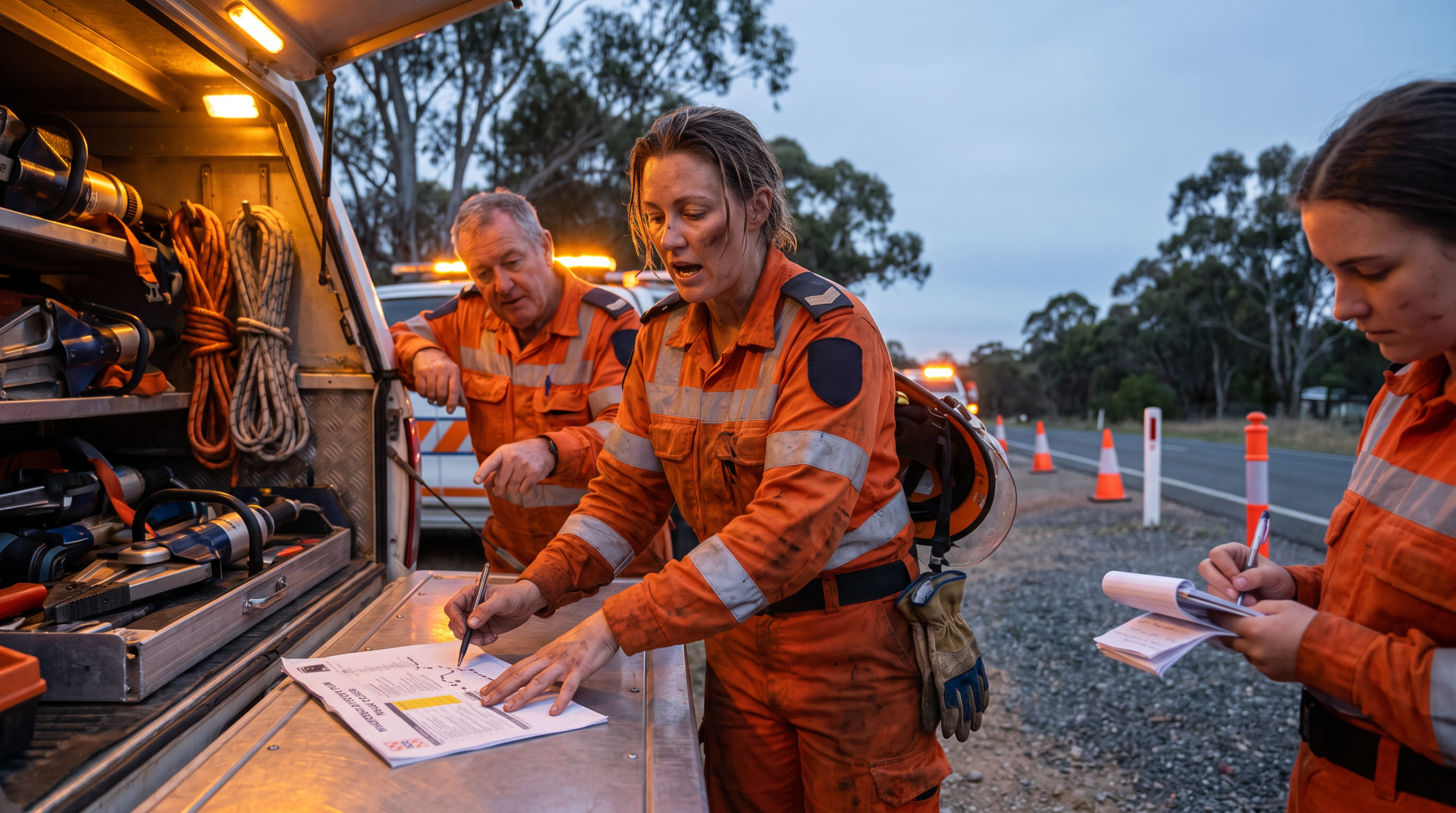
Emergency services professionals including police, fire, and ambulance personnel develop critical competencies in high-pressure environments, making them ideal candidates for RPL assessment. These professionals often possess advanced skills in risk management, emergency response, communication, and team leadership.
3CIR recognises the valuable contribution of defence and emergency services personnel by offering a 25% discount on all RPL assessments and qualifications. This exclusive benefit acknowledges the significant investment these professionals have made in serving our community and country.
Military occupational specialties often directly correspond to civilian vocational areas including logistics, mechanical trades, information technology, security, project management, and training and assessment. The disciplined approach to skill development in military environments provides excellent evidence for RPL portfolios.
Emergency services experience demonstrates competencies in crisis management, public safety, regulatory compliance, and community engagement. These transferable skills support RPL applications across multiple qualification areas including business, management, and public safety sectors.
Our veteran-owned organisation understands the unique challenges faced by transitioning service members and emergency services personnel. We provide tailored support to help translate military and emergency services experience into meaningful civilian qualifications that enhance career prospects.
Frequently Asked Questions About RPL
What qualifications can I obtain through RPL assessment?
You can obtain any nationally recognised qualification from Certificate II through to Advanced Diploma level via RPL, provided you can demonstrate the required competencies through evidence of your practical experience and knowledge. You can take the free RPL eligibility quiz to find out what qualifications match your experience.
How long does the RPL assessment process typically take?
RPL assessment timeframes vary depending on qualification complexity and evidence quality, but typically range from 4-12 weeks from initial application to final outcome, significantly faster than traditional course completion.
What type of evidence do I need for RPL assessment?
Evidence requirements include work samples, employment references, duty statements, training certificates, performance reviews, project documentation, and any materials demonstrating your competency in relevant skill areas.
Can ADF personnel use military experience for civilian qualifications?
Yes, military experience provides excellent foundation for civilian qualifications through RPL, with many Defence occupational specialties directly translating to vocational qualifications in areas like logistics, trades, security, and leadership.
Do emergency services personnel qualify for special consideration?
Emergency services personnel receive a 25% discount on all 3CIR assessments and possess extensive experience that translates well to qualifications in risk management, public safety, crisis response, and leadership areas.
Is RPL recognition equivalent to traditional qualifications?
Yes, RPL qualifications carry identical status to traditionally obtained credentials under the Australian Qualifications Framework, ensuring full industry and employer recognition of your achievements.
What happens if I don’t meet all qualification requirements?
Partial RPL outcomes identify specific gaps, allowing you to complete only the additional training or assessment required rather than undertaking full qualification programs, saving significant time and costs.
How much does RPL assessment cost compared to full courses?
RPL assessment costs are substantially lower than full course fees, typically representing 20-40% of traditional program costs while delivering the same qualification outcomes in significantly shorter timeframes.
Can I combine RPL with additional training if needed?
Yes, RPL often combines with targeted training to address specific knowledge gaps, creating customised learning pathways that maximise recognition of existing competencies while addressing qualification requirements efficiently.
What support is available during the RPL process?
3CIR provides comprehensive support including initial consultation, evidence guidance, portfolio development assistance, assessment preparation, and ongoing communication throughout your RPL journey to ensure optimal outcomes.
Ready to improve your experience into formal qualifications? Contact 3CIR today for your comprehensive RPL assessment and take the next step in your career advancement journey.
Explore Our Industry-Specific RPL Videos
Discover how RPL applies across different sectors with our comprehensive video series: