
Recognition of Prior Learning: Bridging the Gap Between Experience and Formal Qualification
Recognition of Prior Learning (RPL) transforms your work experience into nationally recognised qualifications without traditional study. This assessment process validates skills gained through employment, volunteer work, or life experiences, enabling you to fast-track career advancement and meet industry requirements efficiently.
Recognition of Prior Learning: Definition and Framework
Recognition of Prior Learning (RPL) is a formal assessment process within Australia’s Vocational Education and Training (VET) system that evaluates an individual’s existing skills, knowledge, and competencies against nationally recognised training standards. Established under the Australian Qualifications Framework (AQF) and regulated by the Australian Skills Quality Authority (ASQA), RPL enables learners to receive formal qualifications for skills acquired through work experience, volunteer activities, informal learning, or life experiences. The process involves comprehensive evidence gathering, competency mapping, and assessment by qualified assessors from Registered Training Organisations (RTOs). RPL serves as a crucial pathway for workforce development, allowing experienced professionals to obtain formal credentials without completing traditional training programs, thereby addressing skills recognition gaps in the Australian labour market.
Understanding How RPL Works
Recognition of Prior Learning operates through a structured assessment framework that maps your existing competencies against specific industry standards. When you apply for RPL qualifications Australia, qualified assessors evaluate evidence of your skills and knowledge to determine if they meet the required learning outcomes for formal qualifications.
The RPL process begins with a comprehensive skills audit where you document your professional experiences, training history, and acquired competencies. Your assessor then compares these against the unit standards outlined in training packages to identify alignment with qualification requirements.
Evidence collection forms the cornerstone of successful RPL applications. You’ll compile workplace portfolios, references, certificates, work samples, and detailed employment histories that demonstrate competency achievement. This evidence must be authentic, sufficient, valid, and current to meet ASQA standards.
Start your RPL assessment today and discover how your experience translates into formal qualifications.
What Are the Key Benefits of Skills recognition?
Recognition of Prior Learning delivers substantial advantages for career-focused professionals seeking formal recognition of their expertise. The primary benefit involves time efficiency, as RPL eliminates the need to complete extensive coursework covering skills you already possess, potentially reducing qualification timeframes from years to months.
Cost effectiveness represents another significant advantage, with RPL typically requiring lower investment than traditional training pathways. You avoid lengthy course fees, materials costs, and extended time away from work while achieving the same nationally recognised outcomes.
Career advancement opportunities expand dramatically once you hold formal qualifications. Many employers and industry sectors mandate specific credentials for promotion, tender applications, or regulatory compliance. RPL bridges this gap by converting your practical experience into recognised certifications.
Professional credibility increases substantially when you possess formal qualifications that validate your expertise. Clients, employers, and industry peers recognise certified competency levels, enhancing your professional reputation and market positioning.
Who Is Eligible for Prior learning recognition Programs?
Recognition of Prior Learning eligibility encompasses professionals with substantial industry experience who can demonstrate competency achievement through various pathways. You qualify for RPL consideration if you possess relevant work experience, regardless of how you acquired your skills.
Employment-based experience forms the most common eligibility pathway, where your job roles and responsibilities align with qualification unit requirements. Volunteer work also provides valid experience, particularly in community services, emergency response, or charitable organisations where you’ve developed transferable skills.
Informal learning through self-directed study, mentoring, or professional development activities contributes to eligibility, provided you can evidence skill development and practical application. Military personnel often qualify through extensive training and operational experience that translates effectively to civilian qualifications.
Life experience in managing projects, leading teams, or operating businesses may also qualify for recognition, depending on the target qualification’s scope and requirements. Find out more about how to learn how RPL process works.
How Do You Apply for Recognition of Prior Learning?
The RPL application process involves systematic preparation and evidence compilation to demonstrate your competency achievement. Begin by selecting appropriate qualifications that align with your career goals and experience profile, consulting with 3CIR’s qualification pathways to identify suitable options.
Skills mapping represents the initial assessment phase where you identify which qualification units match your existing competencies. This mapping process helps determine the scope of evidence required and potential gaps that may need addressing through additional training.
Evidence portfolio development requires comprehensive documentation of your professional journey, including detailed employment histories, position descriptions, training certificates, references, and work samples that demonstrate competency application in real-world contexts.
Assessment submission involves presenting your evidence portfolio to qualified assessors who evaluate materials against national training standards. The assessment may include interviews, practical demonstrations, or additional evidence requests to validate competency claims.
Quality assurance ensures assessment decisions meet ASQA requirements and industry standards. Your RTO reviews assessment outcomes for consistency, fairness, and compliance before issuing formal qualifications.
Which Industries Benefit Most from RPL?
Recognition of Prior Learning delivers particularly strong value across industries where practical experience often exceeds formal qualification requirements. Construction and building sectors frequently utilise RPL for trade qualifications, allowing experienced tradespeople to gain formal recognition without repeating familiar training content.
Healthcare and community services industries benefit significantly from RPL, especially for workers transitioning between roles or seeking career advancement. Aged care, disability services, and mental health sectors commonly use RPL pathways for qualification upgrades.
Business and management fields extensively utilise RPL for leadership and project management qualifications. Experienced managers, supervisors, and entrepreneurs can convert their practical expertise into formal business qualifications through comprehensive evidence portfolios.
Information technology professionals benefit from RPL recognition of evolving skills in rapidly changing technological environments. ASQA-approved RTOs assess practical IT competencies against current industry standards for formal qualification achievement.
Skills recognition Assessment and Evidence Requirements
Recognition of Prior Learning assessment follows strict evidence evaluation criteria established by national training standards and quality frameworks. Your evidence must demonstrate authentic competency achievement through genuine workplace application rather than theoretical knowledge alone.
Sufficiency requirements ensure evidence comprehensively covers all required competency elements for target qualifications. Assessors evaluate whether your experience adequately demonstrates skill breadth and depth across qualification unit requirements.
Currency expectations require evidence reflecting current industry practices and standards, typically within the past five years depending on qualification requirements and industry evolution rates.
Validity confirmation ensures evidence directly relates to target competencies and qualification outcomes. Assessors verify that submitted evidence authentically represents your personal competency achievement rather than team or organisational accomplishments. For more information, RPL FAQs.
Begin your RPL evidence compilation with expert guidance from experienced assessors.
Prior learning recognition for Australian Defence Force and Emergency Services Personnel
Recognition of Prior Learning provides exceptional value for Australian Defence Force (ADF) personnel transitioning to civilian careers, where military training and operational experience translate effectively into formal qualifications across multiple industries.
ADF experience in leadership, project management, logistics, communications, and technical trades aligns strongly with civilian qualification requirements. Military personnel often possess advanced competencies that exceed entry-level qualification standards, making RPL an efficient pathway for formal recognition.
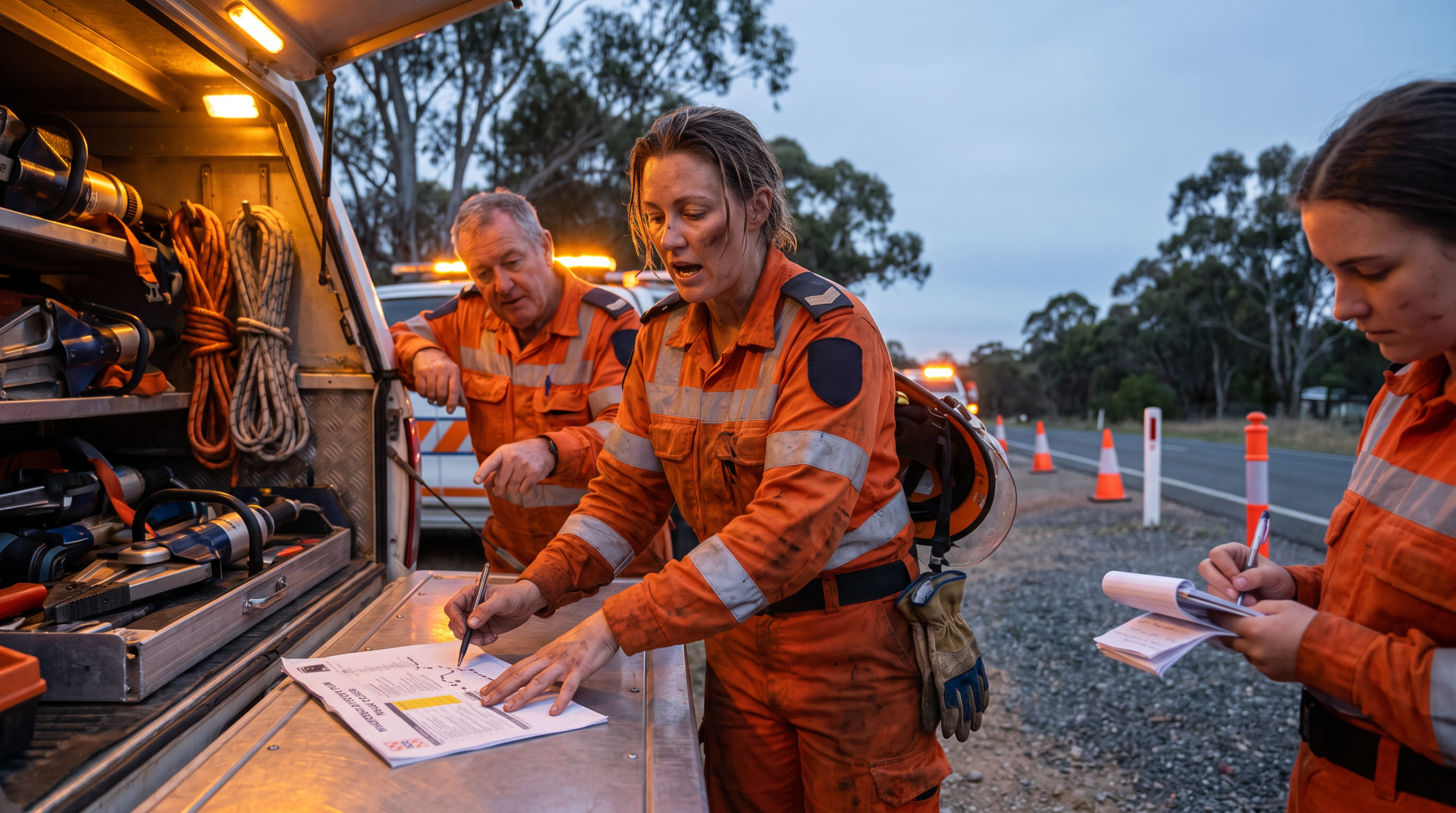
Emergency services professionals including police, fire, and ambulance personnel benefit significantly from RPL assessment of their extensive training and operational experience. These roles develop critical competencies in risk management, emergency response, community engagement, and leadership that translate across multiple qualification areas.
Specialist military occupations in cybersecurity, aviation, engineering, and healthcare often possess direct civilian equivalents, enabling straightforward qualification recognition through comprehensive RPL assessment processes.
3CIR specialises in ADF and emergency services RPL, understanding the unique experience profiles and competency development pathways within defence and emergency services contexts.
Veterans RPL process Programs and Support
Veterans seeking civilian career transitions receive specialised Recognition of Prior Learning support through dedicated programs recognising military service value and experience breadth. 3CIR provides comprehensive RPL services specifically designed for former ADF personnel, understanding the unique challenges and opportunities in translating military experience to civilian qualifications.
Military experience encompasses extensive leadership development, technical training, operational competency, and professional development that often exceeds civilian training standards. Veterans typically possess advanced problem-solving abilities, team management skills, and technical expertise that qualify for multiple civilian career pathways.
Transition support includes career counselling, qualification pathway mapping, and evidence compilation assistance to ensure veterans maximise their RPL outcomes. Our veteran-focused approach recognises the distinctive nature of military training and operational experience.
Special Veteran Discount: 3CIR offers a 25 percent discount on all RPL assessments for current and former defence personnel and emergency services workers. This recognition reflects our commitment to supporting those who have served Australia and acknowledges the valuable skills and experience gained through military and emergency services careers.
Qualification pathways for veterans often span business management, project management, leadership, logistics, cybersecurity, and technical trades, depending on military occupational specialisation and career aspirations.
Access veteran RPL services with preferential pricing and specialised assessment approaches.
Frequently Asked Questions About RPL
How long does the Recognition of Prior Learning process take?
Skills recognition assessment typically takes 4-12 weeks depending on qualification complexity and evidence quality. Simple certifications may complete within weeks, while comprehensive qualifications require extensive evidence compilation and assessment time. You can check your RPL eligibility to find out what qualifications match your experience.
What evidence do I need for Recognition of Prior Learning assessment?
RPL evidence includes employment references, position descriptions, training certificates, work samples, project documentation, and detailed competency statements demonstrating skill application in real workplace contexts.
How much does Prior learning recognition cost compared to traditional training?
Recognition of Prior Learning costs typically range from 30-70 percent less than equivalent traditional training programs, eliminating lengthy course fees, materials costs, and extended study timeframes while achieving identical qualification outcomes.
Can RPL process result in partial qualifications?
Yes, RPL assessment may identify competency gaps requiring additional training or experience before full qualification completion. Partial recognition allows targeted skill development rather than comprehensive retraining.
Are Recognition of Prior Learning qualifications recognised by employers?
RPL qualifications carry identical status to traditionally obtained certifications, being nationally recognised under the Australian Qualifications Framework and accepted by employers, industry bodies, and regulatory authorities.
What if my Recognition of Prior Learning application is unsuccessful?
Unsuccessful RPL applications receive detailed feedback identifying competency gaps and recommended pathways for skill development. You may reapply after addressing identified areas through training, experience, or additional evidence.
How does Skills recognition work for ADF personnel?
ADF personnel access specialised RPL pathways recognising military training, operational experience, and leadership development. Military competencies often exceed civilian standards, enabling comprehensive qualification recognition across multiple industries and career pathways.
Can emergency services workers use Recognition of Prior Learning?
Emergency services professionals excel in RPL assessment due to extensive training, operational experience, and competency development in risk management, community engagement, leadership, and emergency response applications across various industries.
What qualifications are available through Prior learning recognition?
Recognition of Prior Learning applies to thousands of nationally recognised qualifications across all AQF levels and industry sectors, from Certificate II through Graduate Diploma levels, depending on experience depth and competency achievement.
Is RPL process available online?
Yes, AQF-compliant online RPL assessment enables Australia-wide access to qualified assessors and streamlined evidence submission processes. 3CIR delivers comprehensive online RPL services while maintaining rigorous assessment standards and personalised support throughout the process.
Transform Your Experience Into Recognised Qualifications Today
Don’t let valuable experience go unrecognised. Start your Recognition of Prior Learning journey with Australia’s leading veteran-focused RTO.