
Online Training Courses: How to Develop Your Professional Skills from Anywhere
What Are Online Training Courses?
Online training courses are structured educational programmes delivered through digital platforms that enable learners to acquire professional skills and qualifications remotely. These courses utilise learning management systems, interactive content, and virtual assessments to provide comprehensive training experiences. In Australia’s VET sector, online training courses are regulated by ASQA and must meet strict quality standards to deliver AQF-aligned qualifications. They encompass various formats including self-paced modules, live virtual sessions, and blended learning approaches that combine online and face-to-face elements. Modern online training incorporates multimedia resources, practical simulations, and collaborative tools to ensure effective skill development and knowledge retention across diverse industries and professions.
Today’s fast-paced world has witnessed a revolutionary transformation in how we learn and develop professional skills. Gone are the days when career advancement depended only on physical classrooms with rigid schedules; now, there are online training courses that make learning accessible, flexible, and tailored to your specific needs. This digital transformation in education has opened a world of learning possibilities tailored specifically for you!
How Has Future Learning Transformed Professional Development?
Future learning is no longer simply a buzzword but a reality. Thanks to technology, learning has expanded far beyond its traditional boundaries and created previously unthinkable opportunities. Online training courses embody this transition by offering continuous education regardless of location or schedule.
The evolution of professional development through digital platforms has fundamentally changed how organisations approach workforce training. Modern learning management systems integrate artificial intelligence, adaptive learning pathways, and real-time progress tracking to create personalised educational experiences. This technological advancement enables learners to engage with content that automatically adjusts to their learning style, pace, and competency level.
Virtual reality simulations and augmented reality applications are increasingly incorporated into vocational training programmes, providing immersive experiences that replicate real-world scenarios. These innovations particularly benefit technical and practical skills development, allowing learners to practice complex procedures in safe, controlled environments before applying skills in actual workplace situations.
Why Should You Learn Online for Professional Growth?
Learning online offers both convenience and quality in education. With courses available around the clock, learners can study at their own pace and on their schedule — something particularly helpful for professionals balancing work commitments with career development goals. The flexibility of online learning removes geographical barriers, enabling access to high-quality training programmes regardless of your location across Australia.
Online learning platforms provide sophisticated analytics that track your progress, identify knowledge gaps, and suggest personalised learning paths. This data-driven approach ensures efficient use of study time and maximises learning outcomes. Interactive elements such as discussion forums, peer collaboration tools, and virtual study groups maintain engagement and create networking opportunities with fellow professionals.
The cost-effectiveness of online training courses makes professional development more accessible to broader audiences. Without venue, travel, or accommodation expenses, learners can access premium educational content at significantly reduced costs compared to traditional classroom-based training.
What Makes Quality Online Training Effective?
Quality online training programmes incorporate several essential elements that distinguish them from basic e-learning offerings. Comprehensive curriculum design aligns with industry standards and Australian Qualifications Framework requirements, ensuring learners receive recognised credentials that hold value in the job market.
Expert instructors with current industry experience provide relevant, practical knowledge that directly applies to workplace situations. Regular interaction opportunities through virtual tutorials, Q&A sessions, and feedback mechanisms ensure learners receive personalised support throughout their educational journey.
Robust assessment methods evaluate both theoretical knowledge and practical application of skills. These may include online examinations, project-based assessments, workplace observations, and digital portfolios that demonstrate competency achievement according to national training standards.
Technical infrastructure supporting online delivery must provide reliable access, user-friendly interfaces, and compatibility across various devices and operating systems. This ensures learners can engage with content seamlessly regardless of their technical setup or preferred learning environment. Find out more about how to how to get started with RPL.
How Do You Choose the Right Online Training Provider?
Selecting an appropriate online training provider requires careful evaluation of several critical factors. RTO registration status with ASQA guarantees that the provider meets national quality standards and can issue nationally recognised qualifications. Verify the provider’s scope of registration to ensure they’re authorised to deliver your chosen qualification.
Industry reputation and learner outcomes provide valuable insights into training quality and effectiveness. Research completion rates, employment outcomes, and learner satisfaction surveys to gauge the provider’s performance. Testimonials from recent graduates, particularly those from similar professional backgrounds, offer practical perspectives on the learning experience.
Support services availability significantly impacts your learning success. Look for providers offering comprehensive learner support including technical assistance, academic guidance, career counselling, and flexible assessment arrangements. Access to digital libraries, industry resources, and professional networks enhances the overall educational experience.
Assessment methods and Recognition of Prior Learning opportunities should align with your learning preferences and existing qualifications. Providers offering RPL pathways can significantly reduce study time and costs for experienced professionals.
What Industries Benefit Most from Online Training?
Digital transformation has made online training particularly valuable across numerous industry sectors. Information technology, project management, and digital marketing fields naturally align with online delivery methods, offering current, rapidly-evolving content that keeps pace with industry changes.
Business administration and management training translates effectively to online formats, with case studies, simulations, and collaborative projects replicating real workplace scenarios. Finance, accounting, and compliance training benefit from online delivery’s ability to incorporate current legislation, regulatory updates, and industry-specific software training.
Healthcare and community services sectors increasingly utilise online training for theoretical components, professional development, and continuing education requirements. While practical skills still require hands-on experience, online platforms effectively deliver knowledge-based learning and regulatory compliance training.
Construction, mining, and manufacturing industries leverage online training for safety compliance, equipment operation theory, and supervisory skills development. Virtual reality applications are particularly valuable for hazard identification training and emergency response procedures.
Recognition of Prior Learning: Accelerate Your Qualification Journey
Recognition of Prior Learning represents a powerful pathway for experienced professionals to obtain formal qualifications efficiently. RPL assesses your existing skills, knowledge, and experience against national competency standards, potentially reducing or eliminating the need for additional training.
The RPL process involves comprehensive documentation of your professional experience, skills demonstration, and competency assessment. Qualified assessors evaluate your evidence against specific unit requirements, determining which competencies you’ve already achieved through workplace experience or previous training.
Successful RPL applications can result in full or partial qualification completion, significantly reducing study time and associated costs. This pathway particularly benefits experienced professionals who possess practical skills but lack formal recognition of their capabilities. For more information, learn how RPL works.
Portfolio development forms the cornerstone of successful RPL applications. This includes employment records, position descriptions, training certificates, project examples, and detailed skills documentation. Professional guidance throughout the RPL process ensures comprehensive evidence collection and maximises your chances of successful assessment outcomes.
Industry-specific RPL opportunities vary based on qualification requirements and available evidence. Some sectors with well-established career progression pathways and comprehensive workplace training programmes naturally align with RPL processes, while others may require additional skill development or formal assessment.
Veterans and Emergency Services: Specialised Training Pathways
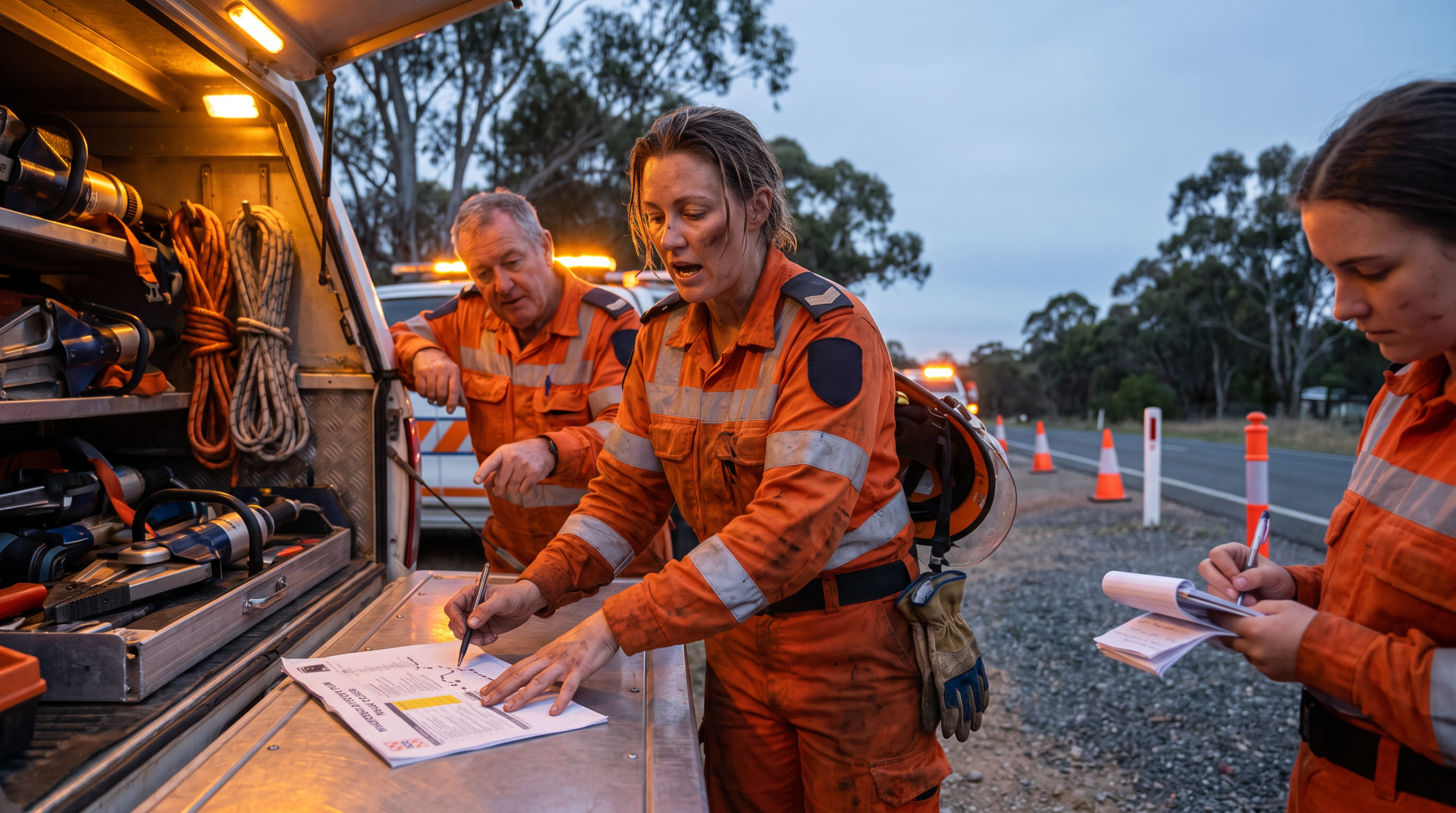
Australian Defence Force personnel and emergency services professionals possess unique skills and experience that translate effectively into civilian career opportunities. Specialised training pathways recognise the distinctive competencies developed through military and emergency services careers, providing targeted support for career transition and advancement.
Military experience encompasses leadership, project management, logistics, communications, and technical skills that align with numerous civilian qualifications. Emergency services professionals develop incident management, risk assessment, community engagement, and operational planning capabilities highly valued across various industries.
Tailored assessment approaches acknowledge the specific context of military and emergency services experience, ensuring fair evaluation of competencies that may not directly mirror civilian workplace scenarios. Qualified assessors with relevant sector experience understand the unique nature of defence and emergency services training and operational environments.
Career transition support extends beyond qualification attainment to include industry networking, resume development, and interview preparation. Understanding civilian workplace cultures, terminology, and expectations forms an essential component of successful career transition programmes.
25% Discount for Defence and Emergency Services Personnel: Current and former ADF members and emergency services personnel receive a 25% discount on all training programmes, recognising their service and supporting career development goals. This discount applies to full qualifications, individual units, and RPL assessment services.
Support networks connecting veterans and emergency services personnel create valuable peer learning opportunities and professional networking. These communities provide ongoing guidance, career advice, and industry insights that enhance training outcomes and career progression success.
Frequently Asked Questions
How long do online training courses typically take to complete?
Online training course duration varies significantly based on qualification level, study mode, and individual circumstances. Certificate III qualifications typically require 6-12 months part-time study, while Diploma programmes may take 12-18 months. Self-paced learning allows faster completion for dedicated students, whilst RPL pathways can reduce timeframes substantially for experienced professionals.
Are online qualifications recognised by employers in Australia?
Yes, online qualifications from ASQA-registered RTOs carry identical recognition to classroom-delivered programmes. Australian employers increasingly value flexible learning approaches that demonstrate self-motivation and digital literacy. The key factor is ensuring your chosen provider holds appropriate RTO registration for your selected qualification.
What technology requirements are needed for online learning?
Basic requirements include reliable internet connectivity, a computer or tablet with current operating system, and standard software applications. Most learning platforms are web-based and compatible with various devices. Technical support is typically available to assist with setup and troubleshooting throughout your studies. You can check your RPL eligibility to find out what qualifications match your experience.
How does online assessment work for practical skills?
Online assessment combines various methods including project-based assessments, virtual simulations, video demonstrations, and workplace observation. For practical components requiring hands-on evaluation, RTOs arrange local assessment centres or workplace visits. Some qualifications offer Recognition of Prior Learning to assess existing practical competencies.
Can ADF personnel use their military experience for civilian qualifications?
Absolutely, ADF experience translates effectively into civilian qualifications through Recognition of Prior Learning pathways. Military training, leadership roles, and operational experience often align with business, project management, logistics, and technical qualifications. Specialised assessment approaches recognise the unique nature of defence service experience.
What support is available for emergency services personnel transitioning careers?
Comprehensive support includes RPL assessment, career counselling, resume development, and industry networking opportunities. Emergency services experience in incident management, risk assessment, and community engagement aligns with numerous civilian career paths. Specialised advisors understand the transition challenges and provide targeted guidance.
How does Recognition of Prior Learning reduce study time?
RPL assesses your existing competencies against qualification requirements, potentially granting credit for units you’ve already mastered through experience. This can reduce study requirements by 50-100% depending on your background. Comprehensive portfolio development and professional assessment determine your recognition outcomes.
What ongoing support do online learners receive?
Quality online training providers offer comprehensive support including academic tutoring, technical assistance, career guidance, and peer networking opportunities. Regular check-ins, feedback on assessments, and access to industry mentors enhance your learning experience and career outcomes.
Are there flexible payment options for online courses?
Most RTOs offer flexible payment arrangements including monthly instalments, employer sponsorship options, and government funding eligibility. VET Student Loans may cover diploma and advanced diploma programmes, whilst some employers provide training budgets for employee development. Payment plans accommodate various financial circumstances.
How do I verify an RTO’s credentials and quality?
Check ASQA’s national register to verify RTO registration status and scope of delivery. Research completion rates, employment outcomes, and industry partnerships. Contact current students or graduates for firsthand experiences, and review any regulatory audit outcomes or quality indicators published by the provider.
Start Your Professional Development Journey Today
Transform your career with nationally recognised online training that fits your lifestyle and goals. Whether you’re seeking new qualifications or recognition of existing skills, professional growth starts with a single step.
Industry-Specific Training Videos
Explore these comprehensive training overview videos to understand career pathways in key industries: