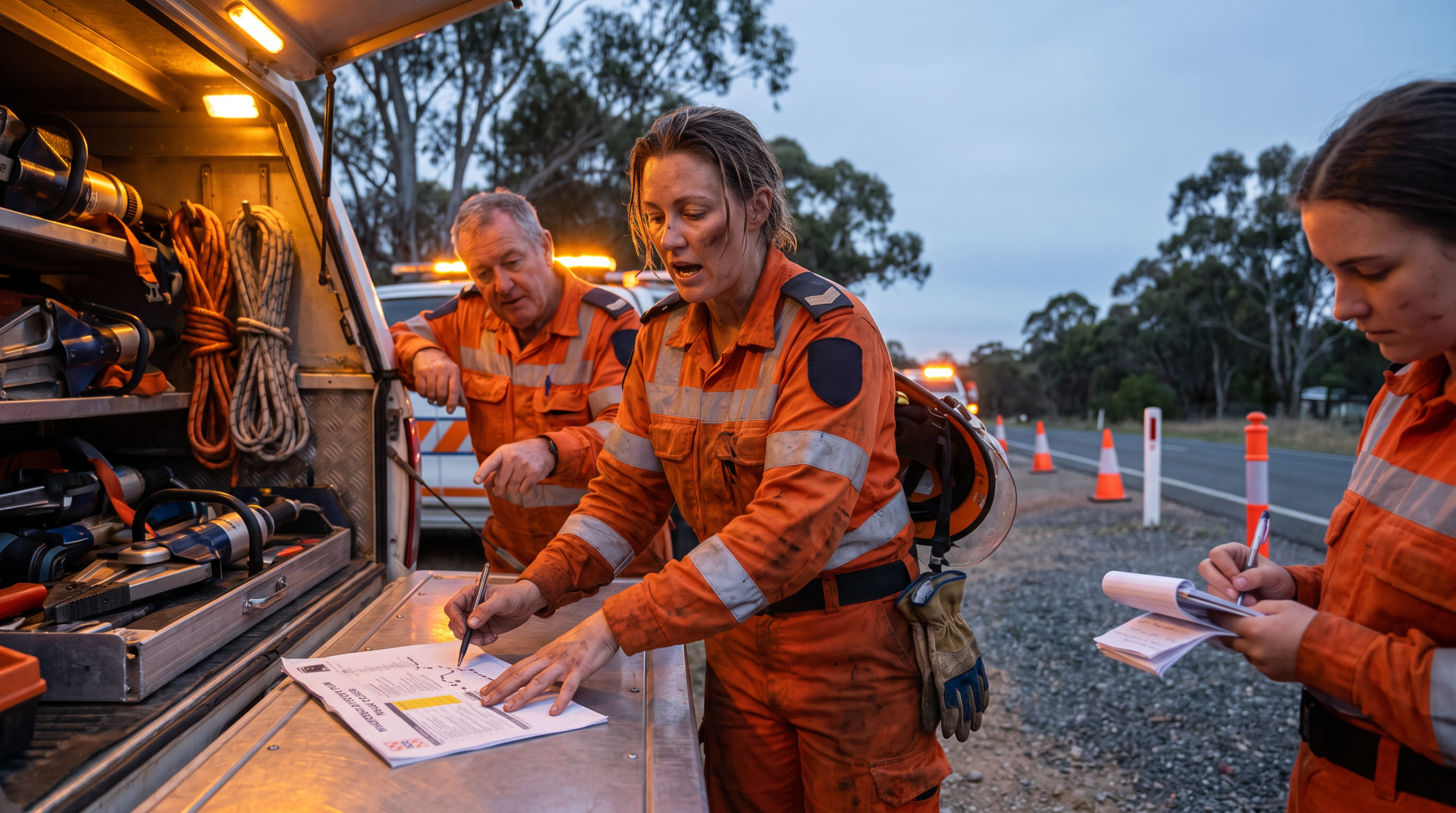

Life After the Uniform: Morals, Ethics and Education for ADF Veterans
AI Summary
Transitioning from military service to civilian careers requires understanding industry expectations, conducting proper skills assessments, and obtaining formal qualification recognition through RPL processes. Defence personnel possess valuable experience that Australian industries actively seek, particularly in defence contracting, security, and project management, making them prime candidates for civilian employment.
What is Military-to-Civilian Career Transition?
Military-to-civilian career transition refers to the process by which serving or former Australian Defence Force (ADF) personnel transition from military roles into civilian employment. This transition involves translating military skills, experience, and qualifications into civilian-recognised credentials and career pathways. The process typically requires formal recognition of prior learning (RPL), skills assessment, and often additional training to meet industry standards. In Australia, this transition is supported by various organisations, including Registered Training Organisations (RTOs) specialising in RPL services, government agencies, and private-sector employers who recognise the value of military training. The transition encompasses not only the transfer of technical skills but also adaptation to civilian workplace culture, communication styles, and business practices. Success in this transition often depends on proper preparation, realistic expectations, and leveraging support networks available to veterans.
Why Defence Personnel Are Prime Industry Candidates
The Australian defence industry actively seeks to hire ex-Defence personnel because they understand the unique value proposition that military experience brings to civilian organisations. Your military background provides skills that are directly transferable and highly sought after across various sectors. The structured training, leadership development, and ethical foundation you received during service align perfectly with what modern Australian businesses require.
Defence personnel demonstrate proven reliability, strong work ethics, and the ability to perform under pressure – qualities that civilian employers consistently value. Your experience with complex systems, adherence to protocols, and commitment to excellence translate directly into workplace competencies that drive business success. Industries such as project management, security services, logistics, and government contracting particularly benefit from the disciplined approach and systematic thinking that characterise military training.
The Australian Government Department of Education Skills and Employment recognises that veterans possess competencies that often exceed civilian training standards in equivalent fields. This recognition has led to streamlined pathways for qualification recognition and career transition support.
How Does Military Ethics Translate to Civilian Workplace Values?
The ethical foundation built during your military service forms the cornerstone of successful civilian career transitions. Military ethics emphasise integrity, accountability, and service to others – values that directly align with modern corporate social responsibility and ethical business practices. Your understanding of duty, honour, and commitment creates a natural bridge to civilian leadership roles where these principles drive organisational success.
In civilian workplaces, your ethical decision-making framework becomes a competitive advantage. Employers recognise that veterans bring a level of moral clarity and ethical consistency that strengthens team dynamics and organisational culture. The military emphasis on putting mission and team before self translates into collaborative leadership styles that civilian organisations actively seek.
Ready to transition your military experience into recognised civilian qualifications? Complete your RPL assessment today and discover how your defence experience translates into formal qualifications.
What Skills Assessment Processes Should Veterans Expect?
Skills assessment for veterans typically involves a comprehensive evaluation of your military experience against civilian industry standards and AQF (Australian Qualifications Framework) requirements. This process begins with documenting your service record, training certificates, and demonstrable competencies gained during your military career. Professional assessors examine how your military roles, responsibilities, and achievements align with specific civilian qualification requirements.
The assessment process includes practical demonstrations, portfolio development, and competency mapping against national training packages. You’ll need to provide evidence of your skills through service documentation, supervisor references, and sometimes practical assessments. The Australian Qualifications Framework provides the structure for this assessment, ensuring your qualifications are nationally recognised and transferable across industries.
Specialised RTOs like 3CIR understand military training structures and can effectively translate your experience into civilian qualifications. The assessment process typically takes 4-8 weeks and results in nationally recognised qualifications that employers immediately understand and value.
Which Industries Value Military Experience Most?
Defence contracting represents the most obvious industry match for military personnel, where your understanding of defence protocols, security clearances, and military operations provides immediate value. However, numerous other industries actively recruit veterans for their unique skill sets and proven capabilities.
Security services, both physical and cyber security, highly value military training in risk assessment, threat evaluation, and protective protocols. Project management across various industries benefits from military experience in planning, resource allocation, and mission execution. Government agencies appreciate veterans’ understanding of bureaucratic processes, compliance requirements, and public service ethos.
Emergency services, logistics and supply chain management, training and development, and consulting services all recognise the transferable value of military experience. The mining and resources industries value the safety-first culture and systematic approach that characterise military operations. The financial services sector increasingly recognises that military ethics and risk management experience align perfectly with its operational requirements.
Discover your qualification pathway: Book a free consultation to explore how your military experience converts to civilian qualifications.
How Can You Navigate Workplace Culture Differences?
Transitioning from the military to the civilian workplace requires understanding fundamental differences in communication styles, hierarchical structures, and decision-making processes. Civilian workplaces often emphasise collaborative decision-making rather than clear command structures, requiring you to adapt your leadership and communication approaches.
The pace and urgency levels differ significantly between military and civilian environments. While military operations emphasise immediate response and clear directives, civilian workplaces may involve extended consultation periods and consensus-building processes. Understanding these differences helps you adjust expectations and adapt your working style accordingly.
Professional development in civilian contexts focuses on networking, relationship building, and cross-functional collaboration. Unlike military progression based on rank and time in service, civilian advancement often depends on demonstrating value creation, innovation, and stakeholder management skills. Leadership and management qualifications can help bridge this gap by providing a civilian context for leadership frameworks.
What Role Does Continuing Education Play in Career Success?
Continuing education serves as the bridge between your military experience and civilian career advancement. While your military training provides an excellent foundation, civilian industries often require specific qualifications, certifications, or updated knowledge in current technologies and practices. Investing in continuing education demonstrates your commitment to professional development and adaptability.
Industry-specific certifications complement your military experience and provide credibility in civilian contexts. Whether pursuing project management qualifications, IT certifications, or business management credentials, continuing education validates your expertise for civilian employers. The Australian Skills Quality Authority (ASQA) ensures that RTOs deliver quality training that meets industry standards.
Professional development through continuing education also provides networking opportunities and industry connections that facilitate career transitions. Educational programs designed for veterans often include mentorship and industry placement opportunities that accelerate your transition.
Understanding Recognition of Prior Learning (RPL) for Veterans
Recognition of Prior Learning (RPL) represents the most efficient pathway for veterans to obtain formal qualifications based on their military experience. RPL allows you to receive credit for skills and knowledge gained through service, training, and operational experience, converting this into nationally recognised qualifications without repeating training you’ve already mastered.
The RPL process involves a comprehensive assessment of your military training records, service experience, and demonstrated competencies against civilian qualification requirements. This assessment considers both formal military training courses and informal learning gained through operational experience, leadership roles, and specialised assignments.
Veterans typically qualify for multiple qualifications through RPL, spanning leadership and management, project management, security services, training and assessment, and various technical specialisations. The process significantly reduces the time and cost required to obtain civilian qualifications, allowing faster career transitions and immediate industry recognition of your capabilities.
RPL assessment includes portfolio development, competency mapping, skills demonstration, and sometimes gap training to meet specific industry requirements. The entire process typically completes within 8-12 weeks, resulting in AQF-aligned qualifications that employers immediately recognise and value.
Fast-track your qualifications: Start your RPL journey today and convert your military experience into recognised civilian credentials.
Special Benefits for Defence and Emergency Services Personnel
3CIR recognises the valuable service contribution of current and former defence and emergency services personnel by offering a 25% discount on all qualification programs. This discount acknowledges your service to Australia and supports your transition into civilian careers through accessible, quality education and training.
The discount applies to all 3CIR courses and RPL assessments, including leadership and management qualifications, project management credentials, security services training, and business administration programs. Veterans from all service branches – Army, Navy, Air Force – and emergency services personnel, including police, firefighters, paramedics, and SES volunteers, qualify for this significant saving.
Beyond financial benefits, 3CIR provides specialised support services for veterans, including dedicated advisors who understand military training structures and can effectively translate your experience into civilian qualifications. This expertise ensures accurate competency assessment and appropriate qualification recommendations that align with your career objectives.
The veteran support program includes flexible assessment scheduling, remote assessment options for regional veterans, and ongoing career guidance throughout your transition process. Explore the full range of qualifications available and discover how your military experience translates into civilian credentials with substantial savings.
Frequently Asked Questions
How long does the RPL assessment process take for veterans?
The RPL assessment process typically takes 6-8 weeks from initial application to qualification completion. This timeframe includes portfolio development, competency assessment, skills verification, and final qualification issuance, providing efficient transition support.
What military training records do I need for RPL assessment?
You’ll need your service record, training certificates, course completion documents, performance evaluations, and position descriptions. Additional supporting evidence, like supervisor references and project examples, strengthens your assessment portfolio.
Can ADF reservists access the same RPL benefits as full-time personnel?
Yes, ADF reservists qualify for the same RPL assessments and 25% discount as full-time and former defence personnel. Reserve experience and training contribute equally to competency assessment and to eligibility for qualification.
Which civilian industries most actively recruit ex-defence personnel?
Defence contracting, security services, project management, government agencies, emergency services, logistics, consulting, and mining industries actively seek veterans for their leadership skills, ethical foundation, and systematic approach to complex challenges.
How does military ethics training translate to civilian workplace requirements?
Military ethics training provides exceptional preparation for civilian workplace requirements, including integrity, accountability, teamwork, and ethical decision-making. These competencies directly support corporate governance, compliance, and leadership responsibilities in civilian organisations.
What qualifications can emergency services personnel obtain through RPL?
Emergency services personnel typically qualify for leadership and management, training and assessment, project management, security services, and workplace health and safety qualifications through RPL, based on their operational experience and training background.
Do I need additional training after RPL assessment completion?
RPL assessment may identify small gaps requiring targeted training to meet specific qualification requirements. Gap training typically involves short courses or competency demonstrations rather than complete qualification programs, ensuring efficient skill development.
How do employers view RPL qualifications compared to traditional training?
Employers view RPL qualifications identically to traditional training qualifications because they meet the same AQF standards and competency requirements. RPL qualifications carry equal weight in employment decisions and career progression opportunities.
What support services does 3CIR provide for veteran career transitions?
3CIR provides comprehensive veteran support including specialised advisors, flexible assessment scheduling, career guidance, industry connections, and ongoing mentorship throughout the transition process, ensuring successful civilian career establishment.
Can I use my security clearance as part of RPL assessment evidence?
Security clearances demonstrate trustworthiness, reliability, and competency in handling sensitive information, contributing to RPL assessment evidence. However, clearances supplement rather than replace skills and knowledge demonstration for specific qualification requirements.
Your transition from military service to civilian career success depends on recognising the value of your experience, obtaining appropriate qualifications, and leveraging available support systems. The combination of your ethical foundation, practical skills, and recognition of your formal qualifications creates powerful career advancement opportunities across diverse Australian industries.
Ready to transform your military experience into civilian career success?
Start Your RPL Assessment Today
Take advantage of your 25% veteran discount and discover the qualifications waiting for you.
Explore Our Video Resources
Discover how your military experience translates into civilian qualifications across various industries: