
Safety First: How the Advanced Diploma Can Revolutionise Your Work Environment
The Advanced Diploma of Work Health and Safety revolutionises workplace environments by transforming professionals into safety leaders who drive cultural change, reduce incidents, and enhance productivity. This nationally recognised qualification provides comprehensive WHS expertise that enables graduates to implement systematic safety improvements across Australian industries.
What Is the Advanced Diploma of Work Health and Safety?
The Advanced Diploma of Work Health and Safety (BSB60619) is a nationally recognised vocational qualification under the Australian Qualifications Framework (AQF) that develops advanced knowledge and skills in workplace health and safety management. This qualification is designed for current and aspiring WHS professionals, safety coordinators, risk managers, and workplace safety consultants who need comprehensive understanding of legislative requirements, risk assessment methodologies, and safety management systems. Delivered by registered training organisations across Australia, the qualification covers units such as establishing WHS management systems, developing organisational WHS culture, conducting risk assessments, and managing workplace incidents. Graduates develop expertise in interpreting complex WHS legislation, implementing evidence-based safety interventions, and leading safety initiatives within organisations. The qualification typically takes 12-18 months to complete and provides pathways to senior WHS roles in mining, construction, manufacturing, healthcare, and government sectors.
How Does Advanced Diploma Training Transform Workplace Safety Culture?
Australian industries are home to an unsung hero working tirelessly behind the scenes to foster safer and more productive work environments: the Advanced Diploma of Work Health and Safety. This sought-after credential serves not just as paper but as an agent of change, guiding professionals toward an ideal where safety and productivity go hand in hand.
Before delving deep into its transformative power, let’s first understand what this qualification entails. The Advanced Diploma of Work Health and Safety (abbreviated as “Adv Diploma of WHS”) is a program developed for individuals looking to enhance their knowledge and skills related to workplace safety practices – not simply academic but practical too! The path from here leads to mastering safety with efficiency!
Your journey through this advanced qualification transforms you from a safety observer into a safety architect. You develop sophisticated understanding of how workplace hazards interact with human behaviour, organisational systems, and regulatory frameworks. This comprehensive approach enables you to design safety interventions that address root causes rather than symptoms.
Ready to advance your WHS career? Start your RPL assessment today and discover how your existing experience can fast-track your qualification.
What Practical Skills Do You Gain Through Advanced WHS Training?
Your Advanced Diploma journey equips you with practical competencies that directly impact workplace safety outcomes. You master quantitative risk assessment techniques that go beyond basic hazard identification to include statistical analysis of incident data, cost-benefit evaluation of safety interventions, and predictive modelling of safety performance.
The qualification develops your expertise in safety management system design and implementation. You learn to create comprehensive WHS policies that align with organisational objectives while ensuring legislative compliance. Your skills extend to developing safety training programs tailored to different learning styles, cultural backgrounds, and literacy levels within your workforce.
Emergency response planning becomes another core competency. You develop abilities to conduct comprehensive emergency risk assessments, design evacuation procedures for complex facilities, and coordinate multi-agency emergency responses. These skills prove invaluable across industries from mining operations to healthcare facilities.
Investigation and analysis capabilities represent crucial practical outcomes. You gain proficiency in systematic incident investigation methodologies, root cause analysis techniques, and evidence collection procedures. These skills enable you to improve workplace incidents into learning opportunities that prevent future occurrences.
How Can This Qualification Enhance Your Career Prospects?
Your Advanced Diploma opens doors to senior WHS positions across diverse Australian industries. Graduates typically progress to roles such as WHS Manager, Safety Consultant, Risk Manager, or Compliance Specialist. These positions command competitive salaries reflecting the critical importance of workplace safety in modern organisations.
The qualification provides recognition for your expertise that extends beyond your immediate workplace. You become qualified to provide WHS consulting services, conduct safety audits for external organisations, and deliver training to other safety professionals. This flexibility enables career diversification and entrepreneurial opportunities.
Professional development pathways multiply significantly. Your Advanced Diploma provides direct pathways to bachelor degree programs in occupational health and safety, allowing further academic progression. Professional membership opportunities with organisations like the Australian Institute of Health and Safety become accessible, connecting you with industry networks and ongoing professional development.
Why Is Workplace Safety Revolution More Critical Than Ever?
Contemporary Australian workplaces face unprecedented safety challenges requiring advanced professional expertise. Evolving work arrangements including remote work, flexible schedules, and hybrid models create new hazard categories that traditional safety approaches struggle to address effectively. Find out more about how to WHS qualifications through RPL.
Technological advancement introduces both opportunities and risks. Automation, artificial intelligence, and digital monitoring systems provide powerful safety management tools, but require sophisticated understanding to implement effectively. Your Advanced Diploma training prepares you to leverage these technologies while managing associated risks.
Regulatory expectations continue increasing across all industry sectors. The Work Health and Safety Act 2011 establishes due diligence obligations for officers that require demonstrated competency in WHS management. Your Advanced Diploma provides the knowledge foundation necessary to meet these legal obligations confidently.
Organisational stakeholders increasingly recognise safety performance as a key business indicator. Investors, customers, and employees evaluate organisations based on safety records and safety culture maturity. Your expertise enables organisations to achieve competitive advantages through superior safety performance.
Explore how your experience aligns with recognition of prior learning opportunities and accelerate your qualification timeline.
What Industries Benefit Most From Advanced WHS Professionals?
Mining and resources sectors represent primary beneficiaries of advanced WHS expertise due to inherent high-risk operations and stringent regulatory oversight. Your qualification enables you to manage complex safety challenges including confined space operations, hazardous chemical handling, and emergency response coordination across remote locations.
Construction and infrastructure industries require sophisticated safety management due to dynamic work environments, multiple contractor coordination, and public safety considerations. Your skills in safety system design and implementation prove essential for managing these complex operational requirements.
Healthcare facilities present unique safety challenges combining clinical risks, occupational hazards, and patient safety considerations. Your Advanced Diploma training provides frameworks for managing these multifaceted safety requirements while maintaining operational efficiency.
Manufacturing operations benefit from your expertise in machine safety, chemical handling, and process safety management. Your understanding of safety management systems enables implementation of comprehensive approaches that protect workers while optimising production efficiency.
Government agencies across federal, state, and local levels require advanced WHS professionals to manage public sector safety obligations and provide oversight of industry safety performance. Your qualification opens pathways to influential policy and regulatory roles.
How Does Technology Integration Enhance Modern Safety Practice?
Digital transformation revolutionises safety management through data analytics, predictive modelling, and real-time monitoring capabilities. Your Advanced Diploma training includes understanding of how to leverage these technologies effectively while maintaining focus on human factors and organisational culture.
Internet of Things (IoT) sensors provide continuous monitoring of workplace conditions including air quality, noise levels, and equipment performance. Your expertise enables interpretation of this data to identify trends, predict incidents, and optimise safety interventions.
Virtual and augmented reality technologies offer immersive training experiences that improve safety knowledge retention and skill development. Your qualification prepares you to design and implement technology-enhanced training programs that engage diverse learning preferences.
Mobile applications and cloud-based platforms facilitate real-time incident reporting, safety audit completion, and communication across distributed workforces. Your skills in safety system design enable selection and implementation of technology solutions that enhance rather than complicate safety management processes. For more information, understanding Recognition of Prior Learning.
Understanding Recognition of Prior Learning for WHS Professionals
Recognition of Prior Learning (RPL) provides experienced WHS professionals with pathways to gain formal recognition for existing knowledge and skills. This VET assessment process evaluates your current competencies against qualification standards, potentially reducing study time and enabling faster credential achievement.
Your RPL assessment examines practical experience, previous training, professional development activities, and workplace achievements. Evidence portfolio development requires comprehensive documentation of your WHS experience including incident investigation reports, policy documents you’ve developed, training programs you’ve delivered, and safety improvement projects you’ve managed.
The RPL process recognises learning acquired through diverse pathways including workplace experience, volunteer activities, and informal training. This approach particularly benefits experienced professionals who have developed expertise through practical application rather than formal study.
Assessment outcomes may include full qualification recognition, partial credit towards qualification requirements, or identification of skill gaps requiring additional training. This diagnostic approach ensures you receive appropriate recognition while maintaining qualification standards and industry credibility.
Professional portfolio development through RPL assessment often reveals competencies you may not have recognised, enhancing understanding of your existing capabilities and career development opportunities. The process itself becomes valuable professional development that clarifies your expertise and identifies growth areas.
Access comprehensive information about course information sessions to understand how the Advanced Diploma aligns with your career goals.
Veterans and Emergency Services Personnel: Your Safety Expertise Matters
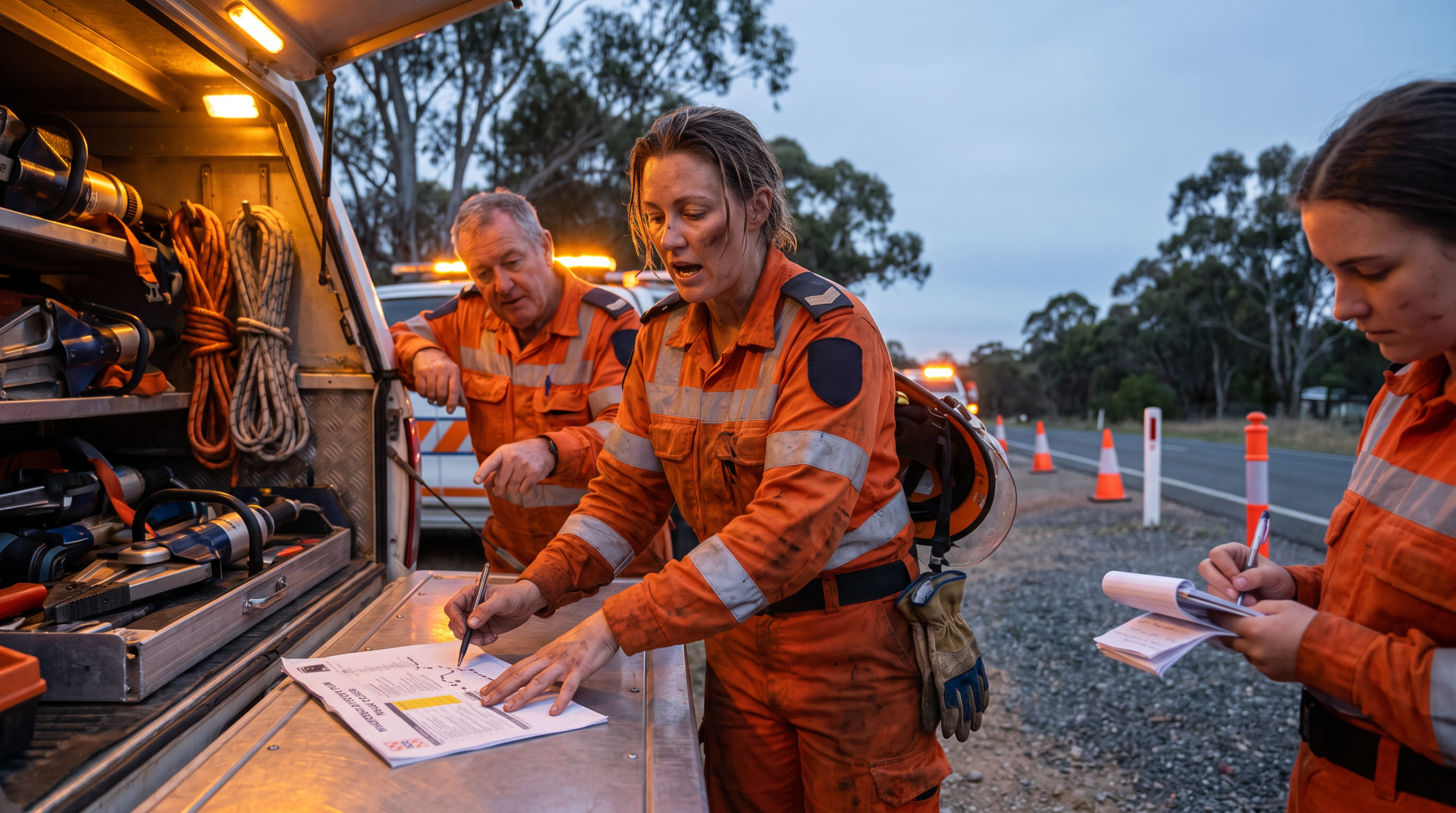
Australian Defence Force (ADF) and emergency services personnel possess invaluable experience in risk management, safety procedures, and crisis response that translates directly to civilian WHS roles. Your military or emergency services background provides strong foundations for Advanced Diploma success and subsequent WHS career development.
Military safety protocols, incident investigation procedures, and risk assessment methodologies align closely with civilian WHS practices. Your experience in high-stakes environments where safety failures have severe consequences demonstrates the mindset and competencies essential for effective WHS management.
Emergency services personnel bring expertise in emergency response planning, incident management, and multi-agency coordination that proves highly valuable in civilian safety roles. Your understanding of how to manage crisis situations while maintaining safety standards represents core WHS competencies.
Leadership experience gained through military or emergency services roles provides essential capabilities for driving safety culture change within civilian organisations. Your ability to influence behaviour, manage teams under pressure, and maintain standards during challenging circumstances translates directly to WHS leadership requirements.
3CIR recognises the value of your service by offering a 25% discount on all qualifications for current and former defence and emergency services personnel. This investment in your transition acknowledges your existing expertise while supporting your career development in civilian WHS roles.
Your security clearances, disciplinary standards, and commitment to service excellence position you as ideal candidates for senior WHS positions within government agencies, defence contractors, and critical infrastructure organisations. These roles often require the integrity and reliability that military and emergency services experience demonstrates.
Take advantage of your veterans program benefits and change your service experience into civilian WHS qualifications. You can start your free assessment to find out what qualifications match your experience.
Frequently Asked Questions
What entry requirements apply to the Advanced Diploma of Work Health and Safety?
You need completion of the Diploma of Work Health and Safety or equivalent industry experience with demonstrated competency in basic WHS principles. Relevant work experience in safety roles, risk management, or supervisory positions may provide alternative entry pathways through RPL assessment.
How long does the Advanced Diploma typically take to complete?
Full-time study usually requires 12-18 months depending on your existing experience and study mode. Part-time options extend this timeframe to accommodate work commitments, while RPL assessment can significantly reduce completion time for experienced professionals.
Can ADF veterans use their military safety experience for RPL credit?
Yes, military safety protocols, incident investigation experience, and risk management roles provide strong foundations for RPL assessment. Your defence experience in safety-critical environments often aligns well with civilian WHS competency requirements, potentially reducing study time significantly.
What career opportunities exist after completing the Advanced Diploma?
Graduates typically advance to WHS Manager, Safety Consultant, Risk Manager, or Compliance Specialist roles. Government positions, consulting opportunities, and senior industry safety roles become accessible with starting salaries often exceeding a competitive salary.
How do emergency services personnel benefit from this qualification?
Emergency services experience in incident response, crisis management, and multi-agency coordination translates directly to civilian WHS requirements. The Advanced Diploma formalises this expertise, opening pathways to senior safety roles across industries including healthcare, mining, and infrastructure.
What units are covered in the Advanced Diploma curriculum?
Core units include establishing WHS management systems, developing safety culture, conducting comprehensive risk assessments, managing incidents and emergencies, interpreting legislation, and leading safety improvement initiatives. Elective units allow specialisation in areas like construction safety or environmental management.
Is online study available for the Advanced Diploma?
Yes, 3CIR delivers the Advanced Diploma through flexible online learning with practical assessment options. This mode accommodates working professionals while ensuring comprehensive skill development through virtual simulations and workplace-based assessments.
What professional memberships become available after graduation?
The Advanced Diploma provides pathways to full membership with the Australian Institute of Health and Safety (AIHS) and recognition by Safety Institute Australia. These memberships offer ongoing professional development, networking opportunities, and industry credibility enhancement.
How does the qualification align with current WHS legislation?
The curriculum reflects current Work Health and Safety Act requirements and regularly updates to maintain alignment with regulatory changes. You develop comprehensive understanding of due diligence obligations, consultation requirements, and compliance frameworks across Australian jurisdictions.
What ongoing support is available during studies?
3CIR provides dedicated student support including academic mentoring, technical assistance, and career guidance. Industry-experienced trainers offer practical insights while student services ensure you have resources necessary for successful completion.
Develop your safety expertise into formal qualifications that advance your career. Complete your RPL assessment today and discover how quickly you can achieve your Advanced Diploma of Work Health and Safety.
Related Training Videos
Enhance your understanding with these professional development resources:
- Leadership: https://youtu.be/7k57ygLXncA
- HR: https://youtu.be/jLUKTpqOOfU
- WHS: https://youtu.be/6QHTzXlE5C0
- Security: https://youtu.be/d20nwpEot8Q
- Business: https://youtu.be/8P_VySE0zjQ
- Marketing: https://youtu.be/VdQxJKmgZfs
- Government: https://youtu.be/PV_knsJnb5E
- Project Management: https://youtu.be/kz7CyEsRNyg