
How ‘On-Paper’ Qualifications Can Help Your Career
Formal qualifications provide verified proof of your skills and experience, helping you secure better roles and advance your career. Whether you’re looking for work or want to take your career to new heights, a qualification at any level can assist. It can help secure your future and land you your dream job.
What Are ‘On-Paper’ Qualifications?
‘On-paper’ qualifications refer to formally recognised vocational education and training (VET) credentials that are nationally accredited through the Australian Qualifications Framework (AQF). These qualifications provide documented evidence of your skills, knowledge and competencies in specific industries or occupational areas. They are delivered by Registered Training Organisations (RTOs) and recognised by employers, professional bodies and government agencies across Australia. The term ‘on-paper’ distinguishes these formal credentials from informal learning or experience alone. These qualifications range from Certificate I through to Advanced Diploma levels, covering diverse fields including business, project management, leadership, human resources and workplace health and safety. The qualifications are competency-based, meaning they assess your ability to perform specific workplace tasks to industry standards rather than just theoretical knowledge.
Why Do Formal Qualifications Matter in Today’s Job Market?
An on-paper capability provides verified proof of your skills and experience. You may already know in your specified field, but if you can’t quickly prove this to others, it can be challenging to land better and more competitive roles. Moreover, every work area constantly changes, making it essential to upskill and learn new things. When you earn a qualification, you get to ensure that you have industry-relevant skills and knowledge.
In Australia’s competitive employment landscape, employers increasingly rely on formal qualifications as screening tools during recruitment. These credentials demonstrate your commitment to professional development and provide assurance that you meet industry standards. Start your qualification journey with a free RPL assessment to discover how your existing skills can translate into formal credentials.
How Do Qualifications Expand Your Professional Skill-Set?
One of the main benefits of obtaining a qualification is that it enables you to learn new skills and update your knowledge. Then, you can apply these skills at work. Although you might think your abilities are sufficient, you don’t know what you haven’t learnt. A relevant qualification can help you achieve a new level of understanding and fill in any gaps in your current knowledge.
VET qualifications are designed with direct input from industry experts, ensuring the content remains current and applicable to real workplace scenarios. This industry alignment means you’ll develop competencies that employers actively seek, making you more valuable in the job market. The structured learning approach also helps identify knowledge gaps you might not have realised existed.
What Career Doors Do Qualifications Open?
A qualification can help expand your horizons. It will give you access to more capabilities and roles you might have never even thought about taking up. Besides, a qualification can be a stepping stone for a degree or post-graduate certification. Since it takes less time to complete, you can access more options quickly.
You can also switch careers when you study a specialised subject. For instance, a project management or leadership diploma would allow you to pursue various career paths. The certificate would demonstrate your competency in these areas, opening doors to supervisory, management and specialist roles across multiple industries.
Many employers now require specific qualifications for certain positions, particularly in regulated industries. Having the right credentials ensures you meet minimum requirements and can progress to senior roles that might otherwise be inaccessible. Find out more about how to qualifications you can achieve through RPL.
How Do Qualifications Enhance Your Professional Credibility?
Formal qualifications significantly boost your professional credibility and market value. They provide third-party validation of your capabilities, which is particularly important when competing against other candidates with similar experience levels. Employers can quickly verify your competencies through nationally recognised credentials, reducing their hiring risk.
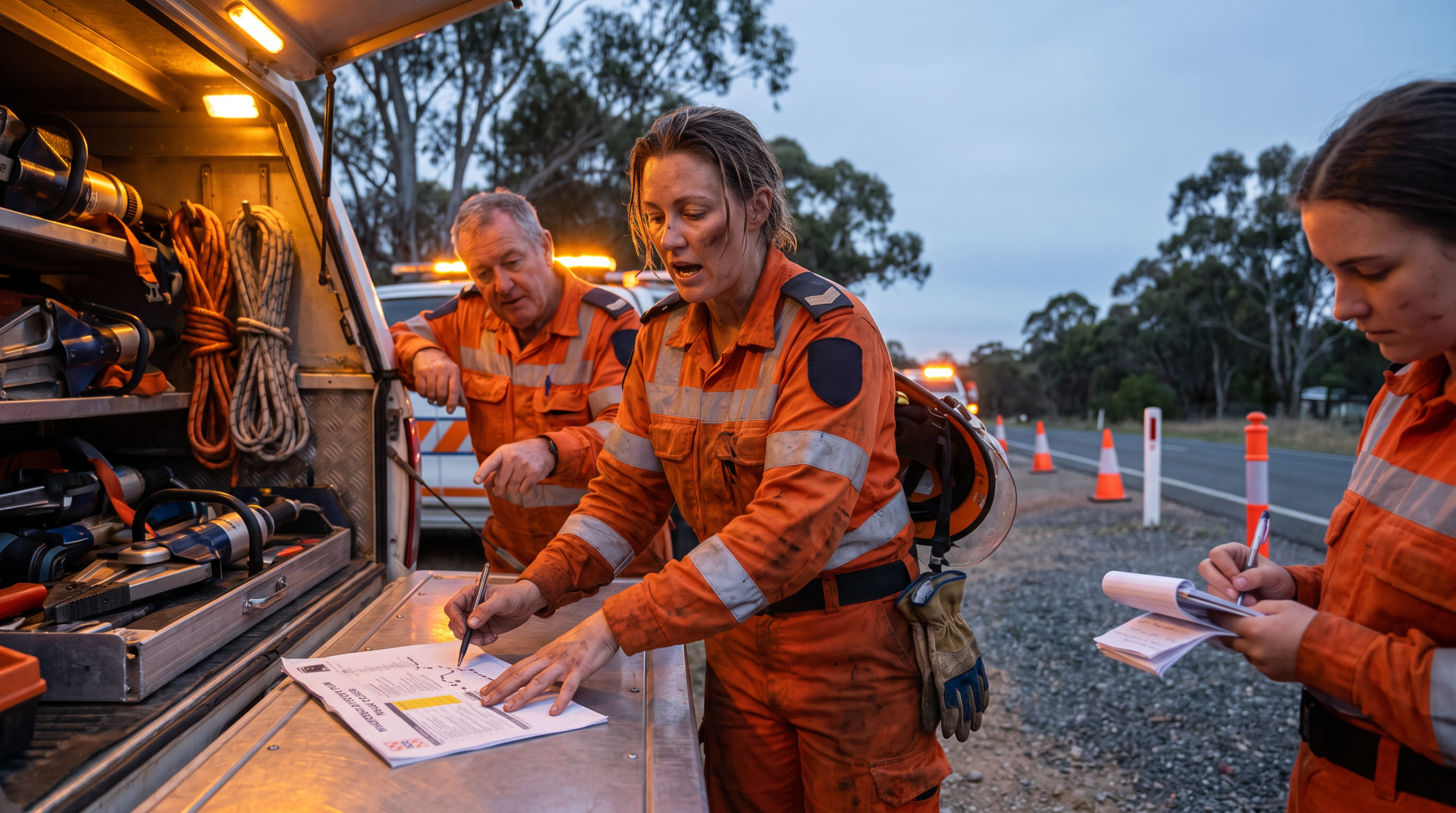
These qualifications also demonstrate your ability to commit to structured learning and complete challenging projects – qualities highly valued in professional environments. For Australian Defence Force (ADF) personnel and emergency services workers, formal qualifications can translate military and emergency services experience into civilian-recognised credentials. Explore how your service experience qualifies for formal recognition.
What Financial Benefits Do Qualifications Provide?
Investing in qualifications typically yields substantial financial returns through increased earning potential. Higher-level qualifications like diplomas and advanced diplomas command premium salaries across most industries.
Beyond immediate salary increases, qualifications protect against economic uncertainty by making you more employable across different sectors. They also position you for promotion opportunities that might require specific educational prerequisites. The Australian Qualifications Framework ensures your credentials are nationally recognised, maximising their value across employers and regions.
How Do You Choose the Right Qualification for Your Career Goals?
Selecting appropriate qualifications requires careful consideration of your career objectives, current skill gaps and industry requirements. Research job descriptions in your target roles to identify commonly required qualifications. Consider both immediate needs and long-term career aspirations when making your choice.
Speak with industry professionals, career counsellors and RTO advisors to understand which qualifications offer the best return on investment. Look for programs that offer practical, hands-on learning aligned with current industry practices. The training.gov.au website provides comprehensive information about nationally recognised training packages and career pathways.
Understanding Recognition of Prior Learning (RPL)
Recognition of Prior Learning (RPL) is a powerful pathway for experienced professionals to gain formal qualifications without lengthy study periods. RPL assesses your existing skills, knowledge and experience against national training standards, potentially granting you partial or complete qualification recognition.
This process is particularly valuable for workers with extensive practical experience who may lack formal credentials. RPL can significantly reduce study time and costs while providing the documentation employers require. The assessment process involves compiling evidence of your competencies through work samples, employer references, training records and demonstrated skills.
RPL is especially beneficial for career changers who possess transferable skills from other industries. A comprehensive RPL assessment can identify multiple pathways to achieving your desired qualification. Many RTOs, including 3CIR, specialise in RPL services for working professionals seeking to formalise their expertise. For more information, what is Recognition of Prior Learning.
Qualifications for Veterans and Emergency Services Personnel
Australian Defence Force veterans and emergency services personnel possess unique skills and experiences highly valued in civilian employment. However, translating military or emergency services expertise into recognised civilian qualifications can be challenging without proper guidance.
Many ADF and emergency services competencies directly align with civilian industry requirements, particularly in leadership, project management, security, logistics and training roles. Specialised RTOs understand how to map military occupational specialties and emergency services experience to appropriate civilian qualifications.
3CIR recognises the valuable contribution of defence and emergency services personnel by offering a 25% discount on all qualifications for current and former defence and emergency services personnel. This significant discount acknowledges your service while making career transition more affordable.
The RPL process for veterans typically focuses on leadership competencies, risk management skills, training delivery capabilities and technical expertise gained through service. Emergency services personnel often qualify for recognition in areas such as workplace health and safety, incident management, training and assessment, and community services.
Take advantage of your veteran status and start your qualification assessment today to discover how your service experience translates into valuable civilian credentials.
Frequently Asked Questions
What types of qualifications are considered ‘on-paper’ credentials?
‘On-paper’ qualifications include all nationally recognised VET credentials from Certificate I through Advanced Diploma levels, delivered by RTOs and accredited under the AQF. These provide formal documentation of your competencies.
How long does it typically take to complete a vocational qualification?
Completion times vary significantly depending on the qualification level, study mode and your existing experience. Certificate courses may take 3-12 months, while diploma programs typically require 12-24 months of study.
Can I study while working full-time?
Yes, most RTOs offer flexible learning options including online delivery, evening classes and self-paced study to accommodate working professionals. Many programs are specifically designed for adult learners with work commitments.
Will employers recognise my VET qualification nationwide?
Absolutely. All nationally recognised VET qualifications are standardised across Australia through the AQF, ensuring consistent recognition by employers regardless of location or the RTO that issued your certificate. You can start your free assessment to find out what qualifications match your experience.
How does RPL work for experienced professionals?
RPL assesses your existing skills, knowledge and experience against qualification requirements, potentially granting credit without additional study. You’ll need to provide evidence demonstrating your competencies through work samples, references and skills demonstrations.
What qualifications are most valuable for ADF veterans transitioning to civilian careers?
Popular qualifications for ADF veterans include leadership and management diplomas, project management certificates, training and assessment credentials, and security-related qualifications that leverage military experience and skills.
Are there specific qualifications designed for emergency services personnel?
Emergency services personnel often pursue qualifications in workplace health and safety, incident management, training delivery, community services and leadership that recognise their operational experience and skills.
How much do vocational qualifications typically cost?
Costs vary widely depending on the qualification level, delivery mode and provider. Certificate programs may cost a competitive salary, while diploma courses typically range from a competitive salary. Government funding options may be available.
Can I receive government funding for my qualification?
Various government funding schemes exist including VET Student Loans, Smart and Skilled programs, and JobTrainer packages. Eligibility depends on your circumstances, chosen qualification and location. Contact ASQA for current funding information.
What support services are available during my studies?
Quality RTOs provide comprehensive learner support including academic guidance, technical assistance, career counselling, and accessibility support for students with special needs. Ask about available support services before enrolling.
Ready to advance your career with formal qualifications? Whether you’re seeking to validate existing skills through RPL or develop new competencies, the right qualification can transform your professional prospects. Start your journey today with a free assessment and discover how ‘on-paper’ qualifications can unlock your career potential.