
Recognition of Prior Learning: Your Pathway to Formal Qualifications in Australia
Recognition of Prior Learning (RPL) transforms your existing skills, knowledge and work experience into nationally recognised qualifications without formal classroom study. This assessment process evaluates your competencies against industry standards, providing a faster pathway to certification for experienced professionals, veterans and emergency services personnel.
What is Recognition of Prior Learning?
Recognition of Prior Learning (RPL) is a formal assessment process within Australia’s Vocational Education and Training (VET) system that acknowledges the skills, knowledge and competencies you have gained through work experience, volunteer activities, informal learning or previous training. Registered Training Organisations (RTOs) conduct RPL assessments against nationally recognised training package standards to determine if your existing capabilities meet the requirements for specific qualifications. This process allows experienced professionals to obtain formal credentials without completing traditional coursework, making it particularly valuable for Australian Defence Force (ADF) personnel, emergency services workers and industry professionals who have developed expertise through practical experience rather than formal education pathways.
Not everyone has the same opportunities when receiving formal education or training. Some people gain skills in other ways, such as non-formal study or previous work experience. Take, for example, those who serve in the military. They acquire skills in security and risk management or human resources management; however, they don’t have recognised qualifications for these abilities.
Does this sound like you? You still have a chance to have your knowledge, skills, and work experience formally recognised through Recognition of Prior Learning (RPL). We use this assessment process to evaluate an individual’s skills, converting them into nationally recognised qualifications.
The Australian vocational education landscape recognises that learning occurs in many contexts beyond traditional classrooms. Your professional journey may have equipped you with valuable competencies that deserve formal recognition. Through RPL, you can fast-track your career progression and meet industry requirements for specific roles.
How Does the RPL Assessment Process Work?
Gaining qualifications through Recognition of Prior Learning is not as easy as it sounds, but it is a simple process. First, your experiences must match the learning outcomes of a specific course. For example, you need the appropriate knowledge and training to pass the assessment if you wish to gain work health and safety recognition.
Despite the demanding process, obtaining RPL qualifications offers significant advantages. The assessment involves demonstrating your competencies through various methods including portfolio submissions, practical demonstrations, interviews, and workplace observations. Your assessor will evaluate your evidence against the Australian Qualifications Framework (AQF) standards and specific training package requirements.
The RPL journey begins with a comprehensive skills audit where you identify your existing competencies. You’ll then gather evidence demonstrating your capabilities, which may include work samples, references, certificates, and detailed descriptions of your experience. This evidence portfolio forms the foundation of your assessment.
What Types of Evidence Support Your RPL Application?
Your RPL portfolio should include diverse evidence types that comprehensively demonstrate your competencies. Work-based evidence carries significant weight, including position descriptions, performance reviews, project reports, and supervisor testimonials. These documents provide concrete examples of your practical application of skills in real workplace scenarios.
Professional development activities also strengthen your application. Include certificates from short courses, conference attendance records, professional membership documentation, and industry-specific training certificates. These demonstrate your commitment to continuous learning and staying current with industry practices.
Third-party verification through employer references, client testimonials, and colleague recommendations adds credibility to your claims. These external perspectives validate your competencies from those who have directly observed your work performance and professional capabilities.
Which Industries Benefit Most from RPL Recognition?
Certain industries naturally lend themselves to RPL assessment due to their emphasis on practical experience and on-the-job learning. Construction, security, business services, and healthcare sectors frequently utilise RPL pathways for workforce development and compliance requirements.
The business services sector, including project management, human resources, and leadership roles, often requires formal qualifications for career advancement. Experienced professionals can leverage their practical knowledge through RPL to meet these requirements efficiently. Similarly, the security industry values operational experience that can be formally recognised through appropriate qualifications. Find out more about how to what is RPL.
Information technology professionals frequently find RPL valuable for demonstrating competencies acquired through practical experience rather than formal education. The rapidly evolving nature of IT means many professionals develop cutting-edge skills through work projects and self-directed learning that exceeds traditional course content.
What Are the Key Benefits of Choosing RPL?
Time efficiency represents one of RPL’s most significant advantages. Rather than spending months or years in classroom-based study, you can achieve qualification recognition in weeks. This accelerated timeline suits experienced professionals seeking career advancement without extended study commitments.
Cost-effectiveness makes RPL attractive compared to traditional training pathways. You invest in assessment rather than lengthy course delivery, resulting in substantial savings. This economic advantage particularly appeals to individuals funding their own professional development or employers seeking efficient workforce upskilling.
Career advancement opportunities increase dramatically with formal qualifications. Many positions require specific certification levels, and RPL provides the fastest route to meeting these requirements. Your existing experience combined with recognised credentials creates powerful career momentum.
Start Your RPL Assessment Today
How Do You Prepare for a Successful RPL Assessment?
Preparation significantly influences your RPL success rate. Begin by thoroughly reviewing the qualification’s training package and units of competency available on training.gov.au. Understanding these requirements helps you identify relevant experience and gather appropriate evidence.
Organise your evidence systematically, creating clear connections between your experience and required competencies. Use the ASQA guidelines available at asqa.gov.au to ensure your documentation meets regulatory standards. Quality evidence presentation often determines assessment outcomes.
Consider engaging with an experienced RTO early in your preparation process. Their guidance can help you avoid common pitfalls and ensure your evidence aligns with assessor expectations. Professional RPL providers understand the nuances of different qualifications and can provide valuable insight into successful strategies.
Understanding Recognition of Prior Learning in Australian VET
Recognition of Prior Learning operates within Australia’s robust VET framework, regulated by the Australian Skills Quality Authority (ASQA) and guided by the Australian Qualifications Framework. This system ensures consistency and quality across all RTOs delivering RPL services nationwide.
The VET sector recognises that competency can be developed through various pathways beyond formal education. Your workplace learning, volunteer activities, and life experiences can contribute valuable skills worthy of formal recognition. This inclusive approach acknowledges diverse learning journeys and provides equitable access to qualifications.
RTOs must follow strict guidelines when conducting RPL assessments, ensuring fair and consistent evaluation processes. These standards protect your interests while maintaining the integrity and value of Australian qualifications in domestic and international markets.
The training package system underpins all VET qualifications, defining specific competency standards that must be demonstrated regardless of how skills were acquired. This consistency ensures that RPL graduates possess the same competencies as traditional students, maintaining qualification credibility across industries.
RPL Success Stories and Practical Applications
Many professionals have successfully leveraged RPL to advance their careers and meet industry requirements. A security manager with 15 years’ experience obtained a Diploma of Security and Risk Management through RPL, qualifying for senior roles requiring formal credentials. Their practical knowledge exceeded course requirements, making RPL the logical pathway to qualification. For more information, frequently asked questions about RPL.
Similarly, an experienced project coordinator achieved a Project Management qualification by demonstrating competencies developed through managing complex workplace initiatives. Their portfolio included project documentation, stakeholder feedback, and evidence of successful outcomes that clearly aligned with required competencies.
These examples illustrate RPL’s practical value for experienced professionals seeking formal recognition of their capabilities. The key lies in effectively documenting and presenting your experience in ways that clearly demonstrate competency achievement against national standards.
Veterans and Emergency Services Recognition
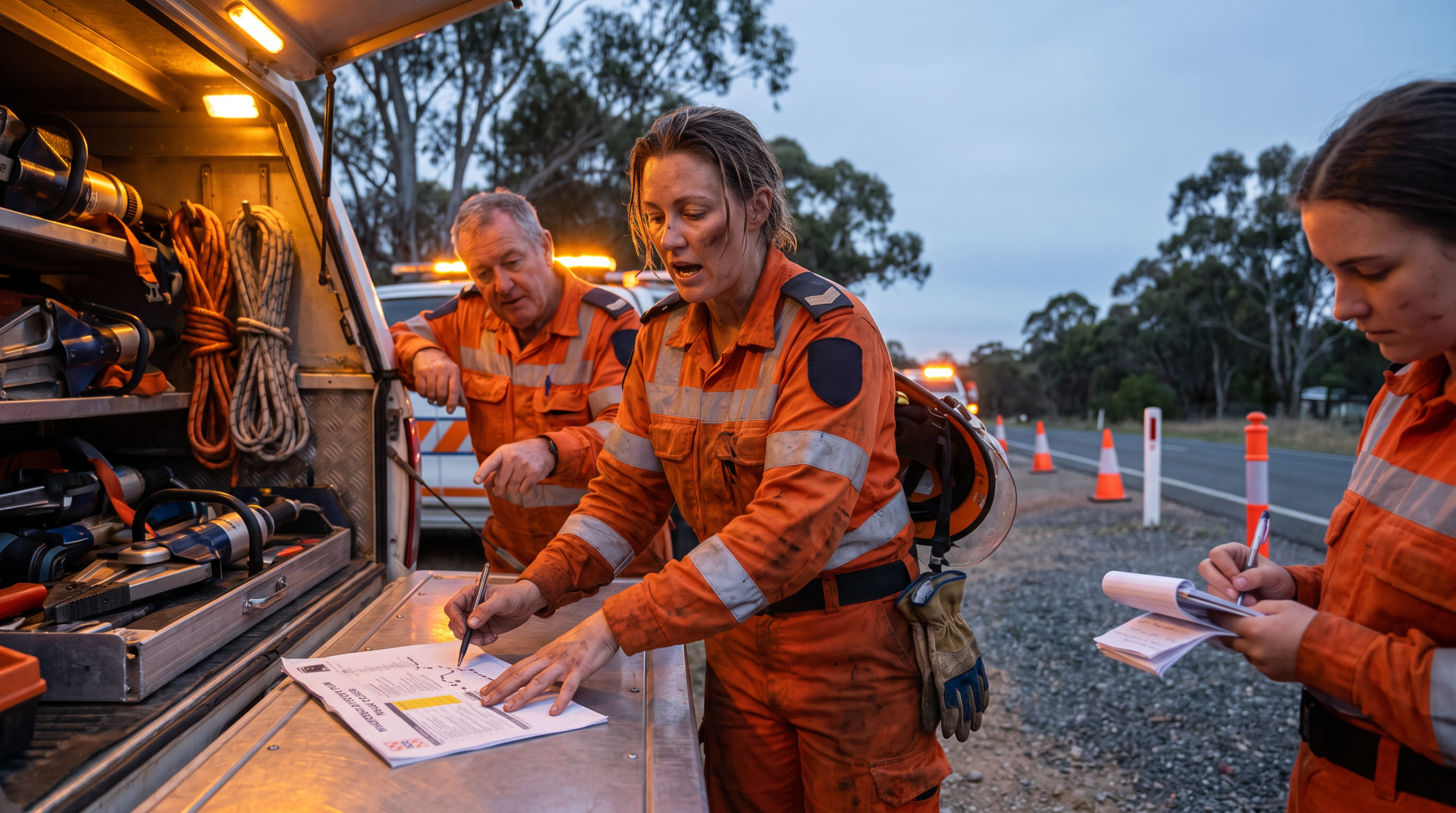
Australian Defence Force personnel and emergency services workers possess unique skills that translate directly to civilian qualifications. Military leadership experience often exceeds civilian management training standards, while emergency response capabilities align with numerous industry requirements.
3CIR specialises in RPL assessment for ADF and emergency services personnel, understanding the specific competencies developed through service careers. Our assessors recognise how military and emergency services training translates to civilian qualification requirements, streamlining the recognition process for veterans.
Special recognition for your service: 3CIR offers a 25% discount on all RPL assessments for current and former defence and emergency services personnel. This discount acknowledges your service contribution and supports your transition to civilian careers or advancement within emergency services organisations.
Veterans often possess leadership, risk management, project management, and training capabilities that exceed civilian standards. Emergency services personnel develop work health and safety expertise, crisis management skills, and team coordination abilities highly valued across industries. RPL provides the pathway to formal recognition of these valuable competencies.
The transition from military to civilian careers can be challenging, but your service experience provides a solid foundation for numerous qualifications. From Certificate IV in Leadership and Management to Diploma level qualifications, your military background offers multiple RPL opportunities across various disciplines.
Claim Your 25% Veterans Discount
Frequently Asked Questions About RPL
What qualifications can I obtain through Recognition of Prior Learning?
RPL is available for most nationally recognised qualifications from Certificate II to Advanced Diploma levels across various industries including business, security, project management, leadership, and work health and safety.
How long does the RPL assessment process typically take?
The RPL timeline varies depending on qualification complexity and your preparation level, but most assessments are completed within 4-8 weeks from application submission to final results.
Can ADF personnel use military experience for civilian qualifications?
Yes, military experience often translates directly to civilian qualifications in leadership, project management, security, training, and risk management, with 3CIR offering specialised assessment services for defence personnel.
What evidence do I need to provide for my RPL portfolio?
Your portfolio should include work samples, position descriptions, performance reviews, training certificates, references, and detailed descriptions of your relevant experience demonstrating competency achievement. You can take the free RPL eligibility quiz to find out what qualifications match your experience.
How much does RPL assessment cost compared to traditional training?
RPL assessment typically costs significantly less than equivalent traditional training programs, offering substantial savings while achieving the same qualification outcomes in much shorter timeframes.
Can emergency services personnel benefit from RPL recognition?
Emergency services experience often aligns with qualifications in work health and safety, leadership, risk management, and training, with 3CIR providing specialised assessment for first responders with a 25% discount.
What happens if my RPL assessment is unsuccessful?
If your initial assessment doesn’t demonstrate full competency, you’ll receive detailed feedback identifying gaps and options for addressing them through targeted training or additional evidence submission.
Do employers recognise RPL qualifications the same as traditional study?
Yes, RPL qualifications are identical to those obtained through traditional study pathways, carrying the same recognition and value with employers and for regulatory compliance purposes.
Can I combine RPL with traditional training for partial qualification?
Yes, many students use RPL for competencies they already possess while completing traditional training for knowledge gaps, creating an efficient mixed-mode pathway to qualification.
What support is available during the RPL assessment process?
3CIR provides comprehensive support including initial consultation, portfolio development guidance, assessment preparation, and ongoing assistance throughout your RPL journey to ensure successful outcomes.
Take the Next Step Towards Your Qualification
Recognition of Prior Learning offers a practical pathway to formal qualification for experienced professionals across all industries. Your existing skills and knowledge represent valuable assets that deserve formal recognition through Australia’s VET system.
Don’t let the lack of formal qualifications hold back your career progression. 3CIR’s experienced assessors understand how to evaluate your competencies fairly and efficiently, providing the recognition you deserve for your professional journey.
Whether you’re an ADF veteran, emergency services professional, or experienced industry practitioner, RPL can transform your experience into nationally recognised credentials. Take advantage of our specialised expertise and veteran-friendly approach to achieve your qualification goals.
Begin Your RPL Assessment Journey Now
Explore Our Industry-Specific RPL Resources
3CIR offers comprehensive RPL assessment across multiple industries, with specialised expertise in areas most relevant to ADF and emergency services personnel. Our video resources provide detailed insights into qualification pathways and career opportunities:
- Leadership and Management: Watch Leadership RPL Overview
- Human Resources: Explore HR Qualification Pathways
- Work Health and Safety: Discover WHS RPL Options
- Security and Risk Management: Learn About Security Qualifications
- Business Administration: Business Qualification Insights
- Marketing and Communication: Marketing RPL Opportunities
- Government and Public Sector: Government Sector Qualifications
- Project Management: Project Management RPL Guide