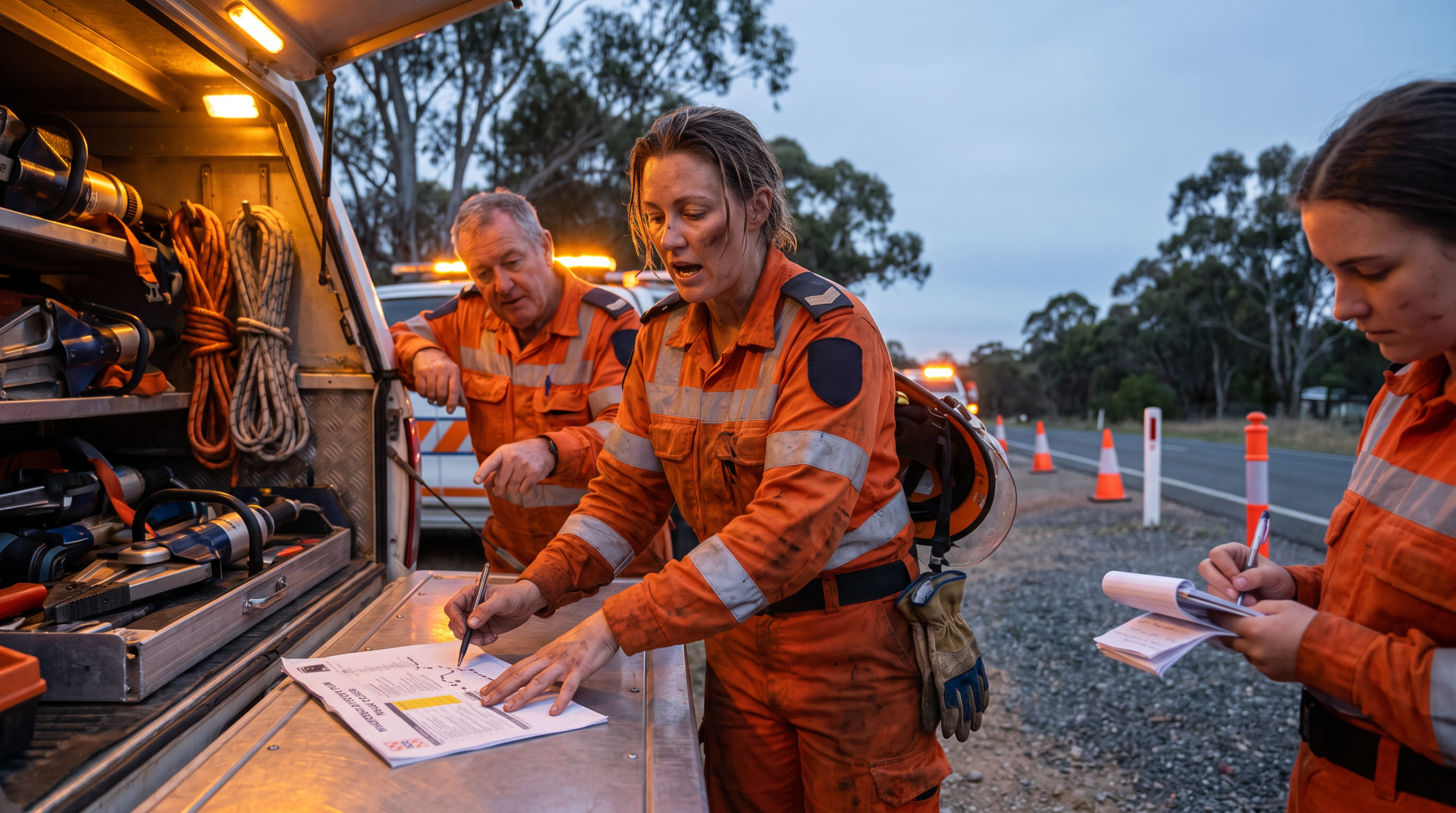

Recognising Emergency Services Experience and Converting it into Formal Qualifications
Recognition of Prior Learning (RPL) transforms your emergency services experience into nationally recognised qualifications without returning to classroom study. Through comprehensive assessment of your skills, knowledge and workplace experience, you can obtain formal VET qualifications that validate your professional expertise.
What is Recognition of Prior Learning for Emergency Services Personnel?
Recognition of Prior Learning (RPL) is a formal assessment process within Australia’s Vocational Education and Training (VET) system that evaluates an individual’s existing skills, knowledge and competencies against nationally recognised training packages. Established under the Australian Qualifications Framework (AQF), RPL enables experienced professionals to obtain formal qualifications without completing traditional coursework. The process is regulated by the Australian Skills Quality Authority (ASQA) and administered by Registered Training Organisations (RTOs). For emergency services personnel, RPL recognises the substantial practical experience, specialised training and professional development acquired through operational duties, making it possible to convert years of hands-on experience into nationally recognised credentials that enhance career progression and professional recognition.
Why Emergency Services Professionals Need Formal Qualifications
The emergency services sector is critical to the safety and well-being of communities worldwide. Emergency services professionals such as firefighters, paramedics, and police officers are often the first responders in crises, making quick and informed decisions that can save lives. Their work demands specialised skills, knowledge, and expertise that require training and education to ensure they are equipped to perform their jobs to the best of their ability.
However, in many cases, emergency services professionals may not have formal qualifications to support their experience and expertise. This gap between practical competence and formal recognition can limit career advancement opportunities, affect professional credibility, and create barriers when transitioning to civilian roles.
Formal qualifications provide tangible evidence of your capabilities, making you more competitive in the job market and eligible for leadership positions. They also demonstrate your commitment to professional development and adherence to industry standards.
How 3CIR Transforms Emergency Services Experience
3CIR is an education company that recognises prior learning (RPL) assessments for emergency services personnel. Through their RPL process, 3CIR evaluates an individual’s knowledge, skills, and experience against the formal qualifications of their respective profession. The goal is to identify gaps in training and education and develop a personalised learning plan to bridge those gaps.
3CIR’s RPL process is designed to be efficient, streamlined, and flexible. It involves an online application followed by a phone or video interview to discuss the applicant’s experience and education. The applicant must then provide evidence of their experience and knowledge, which will be assessed by 3CIR’s team of qualified assessors.
The assessment process considers various forms of evidence including service records, training certificates, witness statements, work samples, and reflective journals. This comprehensive approach ensures that all aspects of your professional experience are properly evaluated and credited.
Start your RPL assessment today to discover how your emergency services experience can be converted into formal qualifications.
What Qualifications Are Available for Emergency Services Personnel?
Emergency services professionals can access a wide range of nationally recognised qualifications through RPL, depending on their area of expertise and experience level. Common qualifications include certificates and diplomas in Public Safety, Emergency Response, Business Management, Leadership and Management, and specialised technical areas.
For firefighters, relevant qualifications might include Certificate IV in Government (Investigation) or Diploma of Government (Investigation). Police officers often qualify for certificates in Public Safety or Government Investigation. Paramedics and ambulance personnel may be eligible for qualifications in Health Services or Emergency Response. Find out more about how to qualifications for first responders.
The specific qualification you’re eligible for depends on your role, responsibilities, training history, and years of experience. 3CIR’s assessment team works with you to identify the most appropriate qualification pathway based on your individual circumstances and career goals.
Which Emergency Services Roles Benefit Most from RPL?
RPL is particularly valuable for experienced emergency services personnel who have developed significant expertise through operational experience but lack formal qualifications. This includes senior officers, specialist team members, trainers, supervisors, and those in management or leadership positions.
Personnel who have completed extensive in-house training, attended professional development courses, or gained qualifications through emergency services academies often find they already possess much of the knowledge and skill required for formal qualifications. RPL simply provides a pathway to have this existing competence formally recognised.
The process is equally beneficial for those transitioning between emergency services roles or preparing for civilian careers where formal qualifications are essential for employment or advancement.
How Does the RPL Assessment Process Work?
The RPL assessment process begins with a comprehensive evaluation of your background, experience, and goals. You’ll complete a detailed application outlining your employment history, training, and specific areas of expertise within emergency services.
Following the initial application, you’ll participate in a consultation interview where assessors discuss your experience in detail, clarify your role and responsibilities, and identify the most suitable qualification pathway. This conversation helps ensure the assessment process is tailored to your specific circumstances.
The evidence gathering phase requires you to compile documentation that demonstrates your competence against the required learning outcomes. This might include training certificates, performance reviews, job descriptions, work samples, and statements from supervisors or colleagues who can verify your capabilities.
Assessment is conducted by qualified assessors who understand both the emergency services sector and VET requirements. They evaluate your evidence against national competency standards to determine which units of competency you’ve already achieved and which may require additional training or assessment.
Understanding Recognition of Prior Learning (RPL) for Emergency Services
Recognition of Prior Learning represents a significant opportunity for emergency services professionals to gain formal recognition for their expertise and experience. Unlike traditional education pathways that require classroom attendance and lengthy study periods, RPL acknowledges that learning occurs in many contexts, particularly through workplace experience and professional practice.
The RPL process is built on the principle that competence can be demonstrated regardless of how or where it was acquired. For emergency services personnel, this means that years of operational experience, incident management, team leadership, and specialised training can be converted into formal qualifications. For more information, RPL for fire and rescue personnel.
RPL assessments focus on what you can do rather than what courses you’ve completed. This competency-based approach is particularly relevant for emergency services professionals who have developed practical skills and knowledge through real-world application rather than theoretical study.
The qualifications obtained through RPL carry the same recognition and value as those achieved through traditional study methods. They appear on your academic transcript and can be used for further education, employment applications, or professional registration requirements.
Begin your RPL journey now to transform your emergency services experience into valuable formal qualifications.
Special Considerations for Veterans and Former Defence Personnel
3CIR recognises the exceptional value of military and emergency services experience and offers a 25% discount on all qualifications for current and former defence and emergency services personnel. This discount acknowledges the transferable skills and dedication these professionals bring to their civilian careers.
Veterans transitioning from military service often possess extensive leadership, management, and technical skills that directly align with civilian qualification requirements. The structured training environment and operational experience gained through ADF service provides an excellent foundation for RPL assessment.
Former defence personnel frequently qualify for business management, leadership, project management, and specialist technical qualifications based on their military experience. The discipline, problem-solving abilities, and team leadership skills developed through military service are highly valued in civilian employment contexts.
The 25% discount makes formal qualifications more accessible for veterans and emergency services personnel, supporting their transition to civilian careers or advancement within emergency services organisations. This investment in professional development often pays dividends through increased employment opportunities and career progression.
3CIR understands the unique challenges faced by veterans and emergency services personnel and provides flexible assessment processes that accommodate shift work, operational deployments, and other service-related commitments.
Frequently Asked Questions
How long does the RPL assessment process take for emergency services personnel?
The RPL assessment typically takes 4-8 weeks from application to completion, depending on the qualification level and complexity of evidence required. Emergency services personnel often have extensive documentation that can expedite the process.
What evidence do I need to provide for my emergency services experience?
Evidence includes service records, training certificates, performance evaluations, job descriptions, incident reports you’ve authored, and supervisor references. The more detailed documentation you provide, the more comprehensive your assessment can be. You can start your free RPL assessment to find out what qualifications match your experience.
Can volunteer emergency services experience count towards RPL?
Yes, volunteer experience with organisations like CFS, SES, or volunteer fire brigades can contribute to your RPL assessment. The skills and knowledge gained through volunteer service are equally valuable as paid employment experience.
Do ADF veterans qualify for emergency services RPL assessments?
Absolutely. ADF veterans often possess extensive emergency response, leadership, and technical skills that translate directly to civilian emergency services qualifications. Veterans receive a 25% discount on all 3CIR qualifications.
What qualifications can paramedics and ambulance officers obtain through RPL?
Paramedics and ambulance officers can often qualify for certificates and diplomas in Health Services, Emergency Response, Leadership and Management, or Public Safety, depending on their role and experience level.
Will my emergency services training certificates be recognised in the RPL process?
Yes, formal training certificates from emergency services academies, professional development courses, and specialised training programs are valuable evidence in the RPL assessment process.
How much does RPL cost for emergency services personnel?
RPL costs vary depending on the qualification sought. Current and former emergency services personnel receive a 25% discount on all qualifications. Contact 3CIR for specific pricing based on your qualification pathway.
Can I use RPL for promotion within emergency services organisations?
Yes, formal qualifications obtained through RPL can support promotion applications and career advancement within emergency services organisations. Many agencies value formal qualifications for leadership and specialist positions.
What if I don’t have enough experience for a full qualification?
If you don’t qualify for a complete qualification, you may be eligible for individual units of competency or a partial qualification. 3CIR can recommend additional training to bridge any gaps identified during assessment.
Are RPL qualifications recognised by other RTOs and universities?
Yes, qualifications obtained through RPL carry the same recognition as those achieved through traditional study methods. They can be used for further education pathways, employment applications, and professional registration requirements.
Ready to convert your emergency services experience into formal qualifications? Complete your RPL assessment application today and take the first step towards formal recognition of your professional expertise.
Related Training Videos
- Leadership: https://youtu.be/7k57ygLXncA
- HR: https://youtu.be/jLUKTpqOOfU
- WHS: https://youtu.be/6QHTzXlE5C0
- Security: https://youtu.be/d20nwpEot8Q
- Business: https://youtu.be/8P_VySE0zjQ
- Marketing: https://youtu.be/VdQxJKmgZfs
- Government: https://youtu.be/PV_knsJnb5E
- Project Management: https://youtu.be/kz7CyEsRNyg