
Recognition of Prior Learning (RPL): Your Complete Guide to Fast-Track Qualifications in Australia
Recognition of Prior Learning (RPL) allows you to convert your work experience and skills into formal qualifications without traditional classroom study. This assessment process evaluates your existing knowledge against national training standards, potentially saving years of study time.
What Is Recognition of Prior Learning in the Australian VET System?
Recognition of Prior Learning (RPL) is a formal assessment process within Australia’s Vocational Education and Training (VET) system that evaluates an individual’s existing skills, knowledge, and competencies against the requirements of nationally recognised qualifications. Administered by Registered Training Organisations (RTOs) under the Australian Skills Quality Authority (ASQA) framework, RPL operates within the Australian Qualifications Framework (AQF) to provide pathways for individuals to gain formal recognition of learning acquired through work experience, life experiences, volunteer activities, or informal training. The process involves comprehensive evidence gathering, competency mapping, and assessment by qualified assessors who determine whether an individual’s existing capabilities meet the unit of competency requirements specified in Training Packages available on training.gov.au. This recognition mechanism serves as a bridge between experiential learning and formal qualifications, enabling career advancement and professional development without requiring traditional classroom-based education.
How Does RPL Transform Your Professional Journey?
With its world-renowned education system, Australia has long been an attractive destination for those hungry for knowledge. But what if your skills and experiences could translate to formal qualifications? Welcome to Recognition of Prior Learning (RPL). If it sounds unfamiliar to you, stick with us; today, we will deconstruct this complex topic, provide some recognition of prior learning examples, and explain why 3CIR is your premier education provider here in Australia to guide this transformational journey.
Simply put, RPL is a process that evaluates any skills or knowledge obtained outside the traditional education system—whether through work experience, self-study, or even life experiences—without taking formal exams in any classroom environment. This revolutionary approach to qualification recognition has transformed countless careers across Australia, offering professionals the opportunity to fast-track their educational goals while leveraging their existing expertise.
Ready to explore how your experience can become your qualification? Start your RPL assessment today and discover the potential of your professional background.
What Are the Key Benefits of Pursuing RPL Qualifications?
The advantages of RPL extend far beyond simple time savings. You gain immediate recognition for your existing capabilities while avoiding redundant learning of skills you already possess. This streamlined approach means faster career progression, increased earning potential, and enhanced professional credibility through nationally recognised qualifications.
RPL also provides flexibility for working professionals who cannot commit to traditional study schedules. You can maintain your current employment while pursuing formal qualifications, making it an ideal solution for busy professionals seeking career advancement. Additionally, RPL qualifications carry the same weight and recognition as traditionally earned qualifications, ensuring your credentials meet industry standards and employer expectations.
For many professionals, RPL represents a cost-effective pathway to qualification achievement. Rather than investing years in classroom learning, you can leverage your existing knowledge to achieve the same outcome in significantly less time and often at reduced cost.
Understanding the RPL Application Process: Breaking It Down
The first step involves understanding if and why any experience qualifies for RPL credits, so consultation with qualified assessors becomes crucial. Your RPL journey begins with a comprehensive skills audit where experienced assessors evaluate your background against specific qualification requirements.
During the initial consultation, you’ll work with qualified professionals to map your experience against the units of competency required for your target qualification. This process involves detailed discussions about your work history, responsibilities, achievements, and the specific skills you’ve developed throughout your career.
Evidence collection forms the cornerstone of successful RPL applications. You’ll need to gather documentation that demonstrates your competency, including work samples, references from supervisors, training certificates, and detailed descriptions of your professional experiences. The quality and comprehensiveness of your evidence portfolio directly impacts your RPL success.
Assessment methodology varies depending on the qualification level and industry requirements. Some assessments involve practical demonstrations, while others focus on portfolio review and professional interviews. Your VET pathway will be tailored to your specific circumstances and qualification goals.
Which Industries and Qualifications Are Best Suited for RPL?
RPL opportunities span numerous industries, with particularly strong applications in trades, business, information technology, health services, and project management. Industries with clear competency standards and practical skill requirements often provide the most straightforward RPL pathways.
Popular RPL qualifications include business administration, project management, human resources, workplace health and safety, leadership and management, and various trade certifications. These qualifications align well with RPL assessment because they involve demonstrable skills and knowledge that can be clearly evidenced through work experience. Find out more about how to learn how Recognition of Prior Learning works.
Professional services sectors offer excellent RPL opportunities, especially for individuals with extensive industry experience but lacking formal qualifications. Whether you’re in consulting, training, or specialist technical roles, RPL can help bridge the gap between experience and formal recognition.
Government and public sector roles increasingly require formal qualifications, making RPL an attractive option for experienced professionals seeking to meet these requirements without disrupting their careers. The comprehensive nature of public sector work often provides rich evidence for RPL applications across multiple competency areas.
How Do You Prepare Strong Evidence for RPL Assessment?
Successful RPL applications depend heavily on comprehensive and well-organised evidence portfolios. Your evidence must clearly demonstrate how your experience aligns with the specific competency requirements of your target qualification.
Work-based evidence typically includes detailed job descriptions, performance reviews, project reports, training records, and testimonials from supervisors or colleagues. Each piece of evidence should clearly link to specific units of competency, showing not just what you did, but how your actions demonstrate the required skills and knowledge.
Third-party verification strengthens your RPL application significantly. References from supervisors, colleagues, or industry professionals who can attest to your competence provide external validation of your claims. These references should be specific about your capabilities and provide concrete examples of your performance.
Documentary evidence such as certificates, licences, work samples, and project outcomes provides tangible proof of your achievements. Organising this evidence logically and mapping it clearly to competency requirements helps assessors understand your capabilities quickly and thoroughly.
What Challenges Might You Face During RPL Assessment?
Common RPL challenges include insufficient or poorly organised evidence, unrealistic expectations about assessment outcomes, and difficulty articulating how experience translates to formal competencies. Understanding these potential obstacles helps you prepare more effectively for the assessment process.
Evidence gaps often arise when individuals have significant experience but limited documentation of their achievements. This situation particularly affects those in informal work environments or roles where performance isn’t systematically recorded. Working with experienced RPL providers like 3CIR helps identify alternative evidence sources and strategies.
Time management presents another common challenge, as gathering comprehensive evidence and completing assessment requirements while maintaining work commitments can be demanding. Developing a structured approach to evidence collection and working with supportive training providers helps manage this challenge effectively.
Industry-specific requirements sometimes create additional complexity, particularly in highly regulated sectors where specific compliance knowledge or certification requirements must be demonstrated. Understanding these nuances early in the process helps avoid delays and ensures comprehensive preparation.
Maximising Your RPL Success Through Strategic Preparation
Strategic preparation significantly improves your RPL outcomes and reduces assessment time. Begin by thoroughly researching your target qualification and understanding the specific competency requirements you’ll need to demonstrate.
Engage with experienced RPL providers early in your journey to benefit from their expertise and guidance. Professional RPL consultants can help identify the most relevant qualifications for your background, suggest effective evidence collection strategies, and provide insights into assessor expectations.
Develop a systematic approach to evidence collection, starting with the strongest examples of your competence and building outward to cover all required areas. Document your achievements as they occur to build a comprehensive portfolio over time rather than trying to reconstruct your entire career retrospectively.
Consider undertaking targeted professional development in areas where your experience might be limited. This strategic approach ensures comprehensive coverage of all competency requirements while demonstrating your commitment to ongoing learning and development. For more information, RPL FAQs.
Ready to take the next step in your qualification journey? Complete your RPL assessment form and let our experts guide you through the process.
Recognition of Prior Learning: Your Gateway to Formal Qualifications
Recognition of Prior Learning represents a paradigm shift in how we approach education and professional development. Rather than viewing formal qualifications and work experience as separate entities, RPL recognises the inherent value of practical knowledge and skills developed through real-world application.
The RPL process involves comprehensive assessment of your existing competencies against nationally recognised training standards. Qualified assessors evaluate your evidence portfolio, conduct professional discussions, and may require practical demonstrations to verify your capabilities match the required competency levels.
RPL assessment methods vary depending on the qualification and industry context. Some assessments focus primarily on portfolio review and professional interviews, while others incorporate practical demonstrations, case study analysis, or workplace observation. The assessment approach is tailored to effectively evaluate your competence while respecting your professional commitments.
Quality assurance mechanisms ensure RPL assessments maintain the same rigorous standards as traditional education pathways. ASQA regulations require RTOs to demonstrate that RPL outcomes meet identical competency standards, ensuring your qualification carries full industry recognition and credibility.
Documentation requirements for RPL applications typically include detailed curriculum vitae, comprehensive work history, reference letters, training certificates, work samples, and specific evidence addressing each unit of competency. The evidence must demonstrate not only what you’ve done but how your actions reflect the knowledge, skills, and application required by the qualification standards.
Supporting Veterans and Emergency Services Personnel Through RPL
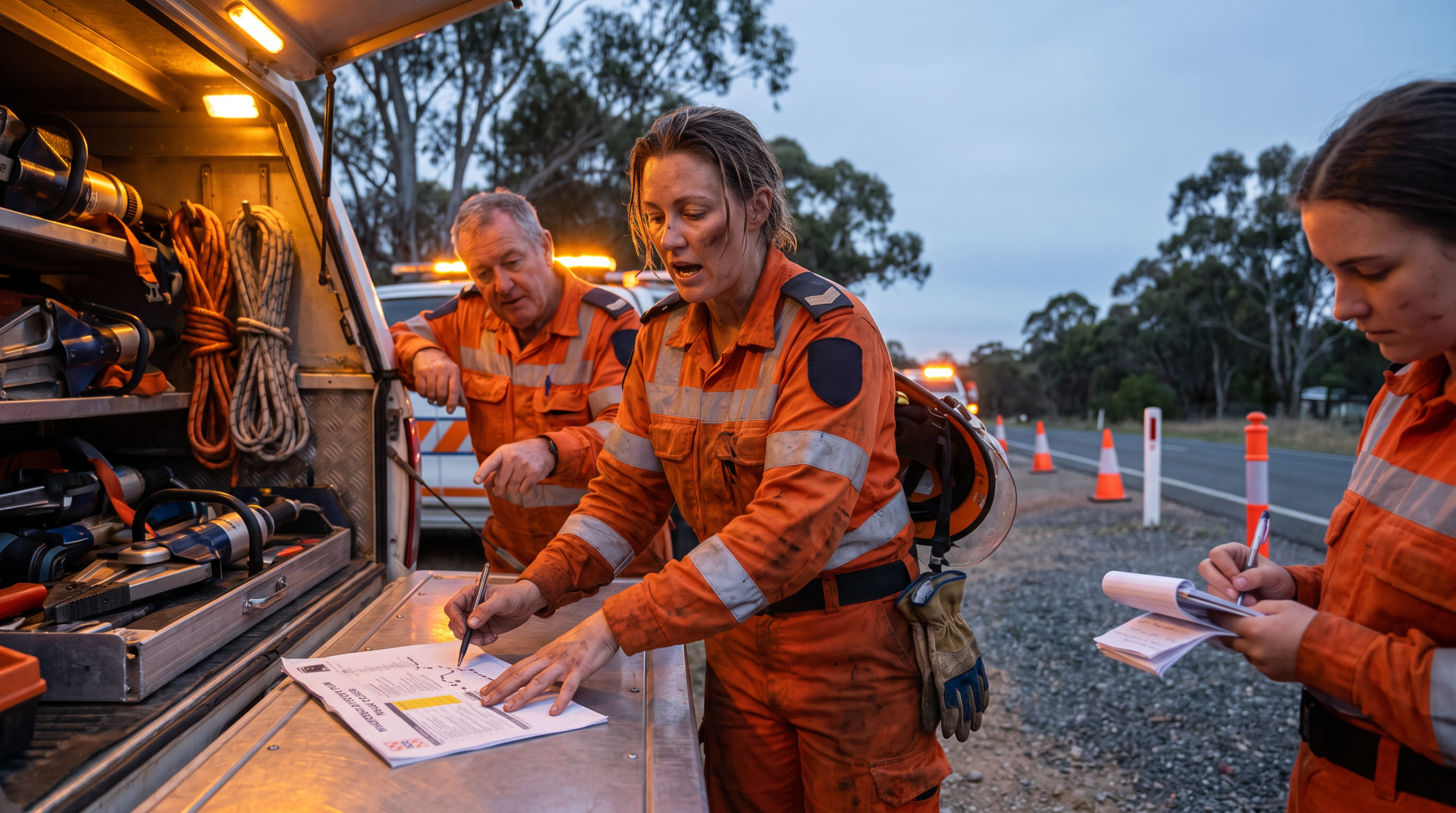
Australian Defence Force (ADF) personnel and emergency services professionals possess unique skill sets developed through intensive training and real-world application. These competencies often translate exceptionally well to civilian qualifications through RPL pathways, providing excellent opportunities for career transition and advancement.
Military experience encompasses leadership, project management, logistics, training, communications, and technical specialisations that align with numerous civilian qualifications. The structured nature of military training and documentation makes it particularly suitable for RPL assessment, as service records provide comprehensive evidence of competency development and application.
Emergency services professionals develop critical competencies in risk management, emergency response, team leadership, training delivery, and community engagement. These skills translate effectively to qualifications in workplace health and safety, training and assessment, business management, and public administration.
3CIR recognises the valuable service provided by defence and emergency services personnel by offering a 25% discount on all qualifications for current and former military and emergency services members. This discount acknowledges your service while making quality education more accessible during career transition periods.
Transitioning from military or emergency services to civilian careers often requires formal qualification recognition that employers understand and value. RPL provides an efficient pathway to gain these credentials while leveraging your existing expertise and experience. The process respects your background while ensuring you meet civilian industry standards and requirements.
Support services for veterans and emergency services personnel include specialised career counselling, evidence gathering assistance, and ongoing mentorship throughout the qualification process. Understanding the unique challenges of career transition, experienced providers offer tailored support that addresses both technical and emotional aspects of this significant life change.
Frequently Asked Questions About Recognition of Prior Learning
How long does the RPL assessment process typically take?
RPL assessment timeframes vary depending on qualification complexity and evidence availability, typically ranging from 4-12 weeks. The process moves faster when you provide comprehensive, well-organised evidence that clearly demonstrates your competencies against the required standards.
Can I use RPL for multiple qualifications simultaneously?
Yes, you can pursue multiple RPL assessments concurrently, particularly when qualifications share common units of competency. This approach can be cost-effective and efficient, allowing you to leverage your evidence across multiple assessment processes while achieving broader qualification outcomes. You can check your RPL eligibility to find out what qualifications match your experience.
What types of evidence are most valuable for RPL applications?
The most valuable RPL evidence includes detailed work samples, supervisor references, performance reviews, training certificates, and project documentation. Evidence should directly demonstrate competency application rather than simply listing experience, showing how you’ve applied knowledge and skills in professional contexts.
Are RPL qualifications recognised by employers and industry bodies?
RPL qualifications carry identical recognition to traditionally earned qualifications, as they meet the same Australian Qualifications Framework standards. Employers and industry bodies recognise RPL credentials equally, ensuring your qualification provides full professional credibility and career advancement opportunities.
How much does RPL assessment typically cost compared to traditional study?
RPL assessment costs vary by qualification and provider but typically represent significant savings compared to traditional study. While fees depend on qualification complexity and assessment requirements, most professionals find RPL more cost-effective when considering time savings and maintained earning capacity.
Can ADF personnel use military experience for civilian qualifications?
Military experience translates excellently to civilian qualifications through RPL, particularly in leadership, project management, training, and technical specialisations. Service records, training documentation, and role responsibilities provide comprehensive evidence for competency demonstration across numerous qualification areas.
What qualifications are emergency services personnel eligible for through RPL?
Emergency services experience supports RPL applications for workplace health and safety, training and assessment, business management, risk management, and community services qualifications. The diverse skill requirements of emergency services roles provide strong foundations for multiple qualification pathways.
Do I need to complete any additional training during RPL assessment?
Additional training requirements depend on your competency gaps identified during assessment. Some applicants complete full qualifications through RPL alone, while others may need targeted training in specific areas where experience doesn’t fully meet requirements, creating a hybrid pathway to qualification achievement.
How do I choose the right qualification for RPL application?
Qualification selection should align with your career goals, existing experience, and industry requirements. Consider qualifications that best utilise your current competencies while supporting your professional advancement objectives. Consultation with experienced training providers helps identify optimal pathways.
What happens if my RPL assessment is only partially successful?
Partial RPL success results in credit for demonstrated competencies while identifying areas requiring additional evidence or training. You can complete outstanding requirements through targeted study, further evidence gathering, or workplace training, creating a customised pathway to full qualification achievement.
Improve Your Experience Into Recognised Qualifications Today
Recognition of Prior Learning offers an exceptional opportunity to change your professional experience into formally recognised qualifications. Whether you’re seeking career advancement, professional credibility, or compliance with industry requirements, RPL provides an efficient pathway that respects your existing expertise while ensuring you meet national standards.
3CIR’s expertise in RPL assessment, combined with our understanding of diverse industry requirements and military backgrounds, positions us as your ideal partner in this qualification journey. Our experienced assessors, comprehensive support services, and commitment to quality outcomes ensure you receive the guidance and recognition you deserve.
Don’t let valuable experience remain unrecognised. Take the first step toward formal qualification by completing your RPL assessment today and discover how your professional journey can accelerate your educational goals.
Related Training Videos: