
Project Management Courses Online – Diploma & Qualifications | 3CIR
What is Project Management?
Project management is the application of knowledge, skills, tools, and techniques to project activities to meet project requirements. It involves initiating, planning, executing, monitoring, and closing work to achieve specific goals within defined constraints such as time, budget, and scope. Project delivery is recognised as a distinct professional discipline with its own body of knowledge, qualifications, and career pathways. In Australia, project delivery qualifications are delivered through the Vocational Education and Training (VET) system under the Australian Qualifications Framework (AQF), with courses ranging from Certificate IV through to Advanced Diploma levels. These qualifications prepare individuals to manage projects across various industries including construction, information technology, healthcare, and government sectors.
Why Choose Project coordination Courses for Career Advancement?
Are you a seasoned Risk Manager looking to take the next step in your career? A Risk Management course may help provide the extra boost you need to achieve that next level of success!
You can choose between different levels of qualification depending on your experience and the type of job you’re looking for. For example, if security interests you, there’s an Advanced Diploma in Integrated Risk Management that will provide more specialised training to help professionals like yourself deal with complex issues related to risk management strategies effectively. At the same time, those seeking a less demanding path might consider taking up one yearlong course instead—it only takes six months but includes all sorts of essential project management competencies.
Completing a nationally accredited course can show your employer that you can work across a wide array of management and technical functions and be accountable for the team and personal outcomes. Currently, in the job market, it can also help bolster an ‘on paper’ image and make you more competitive and desirable for recruiters.
What Skills Will You Develop Through Managing projects Training?
Upskilling is an opportunity to showcase your capabilities and show others that you’re prepared for more challenging work with greater responsibility. While the drive is essential, our courses can teach the technical knowledge you need to be an effective Risk Manager, including how to:
- Meet compliance requirements and implement ongoing management systems
- Determine and manage risk exposure strategies
- Develop and implement risk mitigation plans
- Coordinate project teams and stakeholder communications
- Manage project budgets and resource allocation
- Apply project coordination methodologies and frameworks
These competencies align with industry standards set by training.gov.au and ensure graduates meet employer expectations for project delivery roles across Australia.
Ready to advance your project management career? Start your RPL assessment today and discover how your experience can fast-track your qualification.
How Do Online Project coordination Courses Compare to Traditional Study?
Online managing projects courses offer flexibility that traditional classroom-based learning cannot match. You can study at your own pace, access course materials 24/7, and balance your learning with work and family commitments. This is particularly valuable for working professionals who need to upskill without taking extended time off work.
Digital learning platforms provide interactive content, virtual simulations, and collaborative tools that enhance the learning experience. You’ll engage with real-world scenarios and case studies that mirror actual managing projects challenges you’ll face in your career.
Our business administration courses complement project management studies by providing foundational skills in organisational behaviour, strategic planning, and operational management.
Which Project delivery Qualification Level Should You Choose?
The appropriate qualification level depends on your current experience, career goals, and the complexity of projects you wish to manage. Certificate IV in Project delivery Practice provides foundational skills for entry-level positions or team members supporting project activities.
Diploma of Project coordination qualifies you to manage projects with defined parameters and established systems. This level suits experienced team leaders ready to take on formal project management responsibilities. Find out more about how to managing projects RPL qualifications.
Advanced Diploma of Program Management prepares you for complex, multi-project environments where strategic thinking and senior stakeholder management are essential. This qualification aligns with the Australian Qualifications Framework standards for advanced vocational training.
What Career Opportunities Await Project coordination Graduates?
Project delivery skills are highly sought after across numerous industries. Construction companies need project managers to coordinate building projects from conception to completion. Information technology organisations require project managers to oversee software development, system implementations, and digital transformation initiatives.
Healthcare sector opportunities include managing facility upgrades, implementing new medical systems, and coordinating patient care improvement projects. Government agencies recruit project managers for infrastructure development, policy implementation, and community service delivery projects.
Manufacturing industries rely on project managers for product development, process improvement, and operational efficiency initiatives. Event management, marketing campaigns, and organisational change management also present excellent career pathways for qualified project managers.
Our leadership and management courses provide additional skills that complement project management qualifications and enhance your career prospects.
How Does Project coordination Training Address Industry Compliance Requirements?
Modern managing projects extends beyond traditional planning and execution to encompass comprehensive compliance management. Organisations must navigate complex regulatory environments while delivering projects that meet quality, safety, and legal requirements.
Managing projects courses address workplace health and safety obligations, environmental compliance, and industry-specific regulations. You’ll learn to implement governance frameworks that ensure projects align with organisational policies and external regulatory requirements.
Risk management integration ensures you can identify, assess, and mitigate potential compliance breaches before they impact project outcomes. This proactive approach protects organisations from legal liability and maintains professional standards across all project activities.
Need guidance on choosing the right qualification? Contact our assessors to discuss your career goals and experience level.
Recognition of Prior Learning (RPL) for Project Management
Recognition of Prior Learning (RPL) offers an efficient pathway to formal project delivery qualifications for experienced professionals. If you’ve been coordinating teams, managing budgets, overseeing timelines, or delivering outcomes in any capacity, you may already possess the competencies required for project delivery qualifications.
The RPL process evaluates your existing skills and knowledge against national training standards. This assessment can significantly reduce study time and costs while recognising the value of your practical experience. Many professionals complete their entire qualification through RPL without attending traditional classes.
Our RPL assessors work with you to identify relevant experience from various roles including team leadership, operational coordination, event planning, facility management, and process improvement initiatives. Military experience particularly aligns well with project coordination competencies due to the structured approach to mission planning and execution. For more information, what is RPL.
Documentation requirements include detailed work history, position descriptions, examples of your work, and supervisor references. We guide you through compiling evidence that demonstrates your competency in each required unit of study.
The Australian Skills Quality Authority regulates RPL processes to ensure consistent standards across all Registered Training Organisations, guaranteeing your qualification will be recognised by employers nationwide.
Professional development through RPL demonstrates initiative and commitment to continuous learning, qualities highly valued by employers in project management roles. The formal recognition of your skills provides credibility and confidence in your professional capabilities.
Special Benefits for Veterans and Emergency Services Personnel
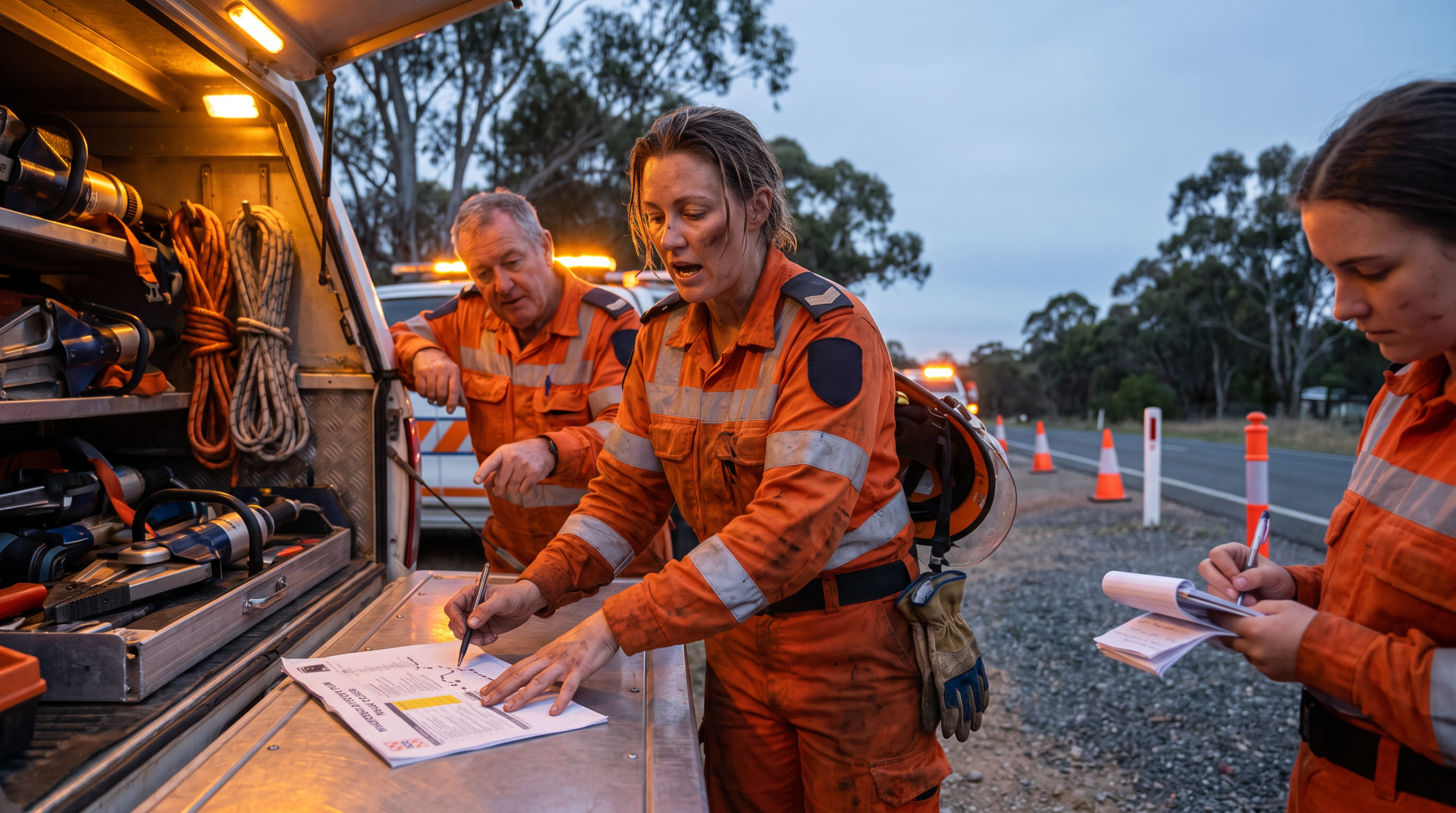
3CIR recognises the exceptional managing projects skills developed through military and emergency services careers. Defence Force personnel routinely manage complex operations requiring precise planning, resource coordination, and outcome delivery under pressure. These competencies directly translate to civilian project coordination roles.
Emergency services professionals demonstrate advanced problem-solving abilities, crisis management skills, and team coordination expertise that align perfectly with project delivery requirements. The structured approaches learned in these careers provide an excellent foundation for formal project management qualifications.
Current and former defence and emergency services personnel receive a 25% discount on all 3CIR courses. This recognition acknowledges the valuable skills and dedication demonstrated throughout your service career.
Military project coordination experience often exceeds civilian equivalents in scope and complexity. Defence personnel manage logistics operations, training programs, equipment procurement, and strategic initiatives that require advanced managing projects competencies. Translating this experience into formal qualifications enhances civilian career prospects significantly.
Emergency services managing projects includes coordinating response operations, implementing safety programs, managing community education initiatives, and overseeing equipment and facility upgrades. These experiences demonstrate competency in stakeholder management, risk assessment, and outcome delivery.
The transition support provided through our veterans’ program includes career guidance, industry networking opportunities, and ongoing mentorship to ensure successful integration into civilian project management roles.
Our workplace health and safety courses complement project delivery studies by addressing the safety leadership skills essential for managing teams and operations.
Frequently Asked Questions About Project delivery Courses
How long does it take to complete a project coordination qualification?
Completion timeframes vary based on your chosen qualification level, study mode, and use of RPL. Certificate IV typically requires 6-12 months, Diploma level 12-18 months, and Advanced Diploma 18-24 months when studying part-time. You can start your free assessment to find out what qualifications match your experience.
Can I study project management online while working full-time?
Yes, our online delivery mode is specifically designed for working professionals. You can access course materials and complete assessments at times that suit your schedule, with support available during business hours.
What prior experience do I need for managing projects courses?
While formal project coordination experience isn’t always required, any background in team coordination, planning, or outcome delivery can be valuable. Entry requirements vary by qualification level and may include literacy and numeracy assessments.
Are project delivery qualifications recognised by employers Australia-wide?
Yes, our project management courses are nationally recognised under the Australian Qualifications Framework. Graduates receive qualifications accepted by employers, government agencies, and professional associations across Australia.
How does RPL work for military personnel transitioning to civilian careers?
Military experience often aligns well with project coordination competencies. Our RPL assessors evaluate your defence experience against qualification requirements, potentially reducing study time significantly while recognising your valuable skills and knowledge.
What ongoing support is provided during managing projects studies?
Students receive comprehensive support including trainer access, technical assistance, career guidance, and learning resources. Regular check-ins ensure you stay on track to complete your qualification successfully.
Can emergency services personnel use their experience for managing projects qualifications?
Absolutely. Emergency services roles involve significant project coordination including training programs, equipment procurement, and community safety initiatives. These experiences demonstrate relevant competencies for project management qualifications through RPL.
What industries offer the best career opportunities for project managers?
Construction, information technology, healthcare, government, manufacturing, and consulting sectors all offer excellent opportunities. Project delivery skills are transferable across industries, providing career flexibility and advancement options.
How much can I expect to earn as a qualified project manager?
Project manager salaries vary by industry, location, and experience level. Entry-level positions typically start around a competitive salary, with senior project managers earning a competitive salary or more in major cities.
What software and tools will I learn to use in project delivery courses?
Courses cover popular project coordination software including Microsoft Project, collaborative platforms, scheduling tools, and budgeting applications. You’ll also learn framework methodologies like Agile, Waterfall, and hybrid approaches suitable for different project types.
Ready to transform your career with project management qualifications? Begin your journey today with our comprehensive assessment and personalised learning pathway.
Related Training Videos
- Leadership: https://youtu.be/7k57ygLXncA
- HR: https://youtu.be/jLUKTpqOOfU
- WHS: https://youtu.be/6QHTzXlE5C0
- Security: https://youtu.be/d20nwpEot8Q
- Business: https://youtu.be/8P_VySE0zjQ
- Marketing: https://youtu.be/VdQxJKmgZfs
- Government: https://youtu.be/PV_knsJnb5E
- Managing projects: https://youtu.be/kz7CyEsRNyg