
How to Become a Community Corrections Officer in Australia 2025
Community corrections officers supervise offenders in the community, requiring Certificate IV in Correctional Practice or equivalent qualifications. This career path offers stable employment with an average salary of a competitive salary. You’ll need Australian citizenship, completion of Year 10 education, and strong communication skills for effective offender supervision and risk assessment.
What is a Community Corrections Officer?
A Community Corrections Officer is a law enforcement professional responsible for supervising and managing offenders who have been sentenced to community-based correctional programmes rather than incarceration. These officers work within the broader correctional services framework, conducting risk assessments, monitoring compliance with court orders, and facilitating rehabilitation programmes. Community corrections officers play a crucial role in the Australian justice system by providing an alternative to traditional imprisonment while ensuring public safety. They typically work for state government departments such as Queensland Corrective Services or NSW Department of Communities and Justice, managing caseloads of offenders through various supervision methods including electronic monitoring, regular check-ins, and programme participation. The role requires specialised training in correctional practice, understanding of criminal justice processes, and skills in case management, risk assessment, and offender rehabilitation.
Essential Requirements for Community Corrections Officers
To become a community corrections officer in Australia, you must meet several fundamental requirements that ensure your suitability for this challenging role. Correctional officer job requirements typically include Australian citizenship or permanent residency, being 18 years or older, and completion of Year 10 or higher education. These baseline requirements establish your legal eligibility and basic educational foundation for the role.
Beyond these basics, you’ll need relevant qualifications such as a Certificate III or IV in Correctional Practice. For those wanting to become a Community Corrections Officer specifically, experience in offender supervision and a Certificate IV are often preferred. The work demands strong communication and risk assessment skills, as you’ll be dealing directly with offenders and making critical decisions about their supervision and compliance.
Physical and psychological fitness assessments are typically required, along with comprehensive background checks and security clearances. You must demonstrate emotional stability, sound judgement, and the ability to maintain professional boundaries whilst working with challenging populations. Strong written and verbal communication skills are essential, as you’ll be preparing detailed reports and presenting cases to courts and other agencies.
What Qualifications Do You Need for Correctional Services?
Essential correctional officer qualifications include nationally recognised correctional services qualifications such as the CSC40122 Certificate IV in Correctional Practice or the CSC50122 Diploma of Correctional Administration. These correction qualifications provide comprehensive training in offender management, risk assessment, legal frameworks, and rehabilitation principles.
The Certificate IV in Correctional Practice covers crucial areas including case management, community supervision techniques, court processes, and interagency collaboration. Students learn about offender assessment tools, supervision strategies, breach procedures, and programme referrals. The qualification also addresses cultural competency, particularly important when working with Indigenous offenders who are overrepresented in the correctional system.
For career advancement, the Diploma of Correctional Administration offers deeper knowledge in leadership, policy development, and complex case management. This qualification prepares you for senior roles including team leadership and specialised positions within correctional services. Discover our correctional practice qualifications that can fast-track your career progression.
Current Job Market and Career Prospects in 2025
The Australian corrections sector continues to show strong demand for qualified professionals. Key 2025 data reveals ongoing recruitment opportunities across all states, with Queensland Corrective Services and NSW Department of Communities and Justice actively hiring for community supervision positions. This demand reflects the growing emphasis on community-based corrections as a cost-effective and rehabilitative approach to offender management.
Average salaries for community corrections officers sit around a competitive salary, varying by state, experience level, and specific role responsibilities. Entry-level positions typically start between a competitive salary, whilst experienced officers and those in specialised roles can earn a competitive salary or more. Career progression opportunities include senior officer roles, team leadership positions, and specialisation in areas such as domestic violence, substance abuse, or Indigenous offender programmes.
The sector offers excellent job security with government employment providing comprehensive benefits including superannuation, professional development opportunities, and work-life balance initiatives. Many positions offer flexible working arrangements and opportunities for interstate transfers, making it an attractive career choice for those seeking stability and variety. Find out more about how to RPL for correctional officers.
How Can Recognition of Prior Learning Fast-Track Your Career?
RPL pathways are increasingly dominant for correction qualifications, with 45% of skilled workers utilising them for upskilling. This assessment method recognises your existing knowledge and experience, potentially allowing you to obtain formal qualifications without completing lengthy courses.
If you have experience in law enforcement, military service, social work, case management, or related fields, you may be eligible for RPL assessment. The process involves documenting your experience, skills, and knowledge against the qualification requirements. Evidence might include employment records, training certificates, performance appraisals, and detailed work samples demonstrating your competency in correctional practice areas.
RPL can significantly reduce the time needed to gain formal qualifications, allowing you to enter the corrections field faster whilst receiving recognition for your valuable experience. Explore our comprehensive RPL services designed specifically for corrections and law enforcement professionals.
Specialised Training and Professional Development
Becoming an effective community corrections officer requires ongoing professional development beyond initial qualifications. Specialised training areas include mental health awareness, substance abuse intervention, domestic violence programmes, and cultural competency training. These skills are essential given the complex needs of offenders under community supervision.
Technology plays an increasingly important role in modern corrections, with electronic monitoring, case management systems, and risk assessment tools requiring specific training. Officers must stay current with evolving technologies and assessment methodologies to maintain effectiveness in their roles.
Professional associations such as the Australian and New Zealand Association of Corrections offer networking opportunities, continuing education, and career development resources. Membership demonstrates commitment to professional standards and provides access to industry best practices and research. Discover our ongoing professional development options for corrections professionals.
What Are the Daily Responsibilities of Community Corrections Officers?
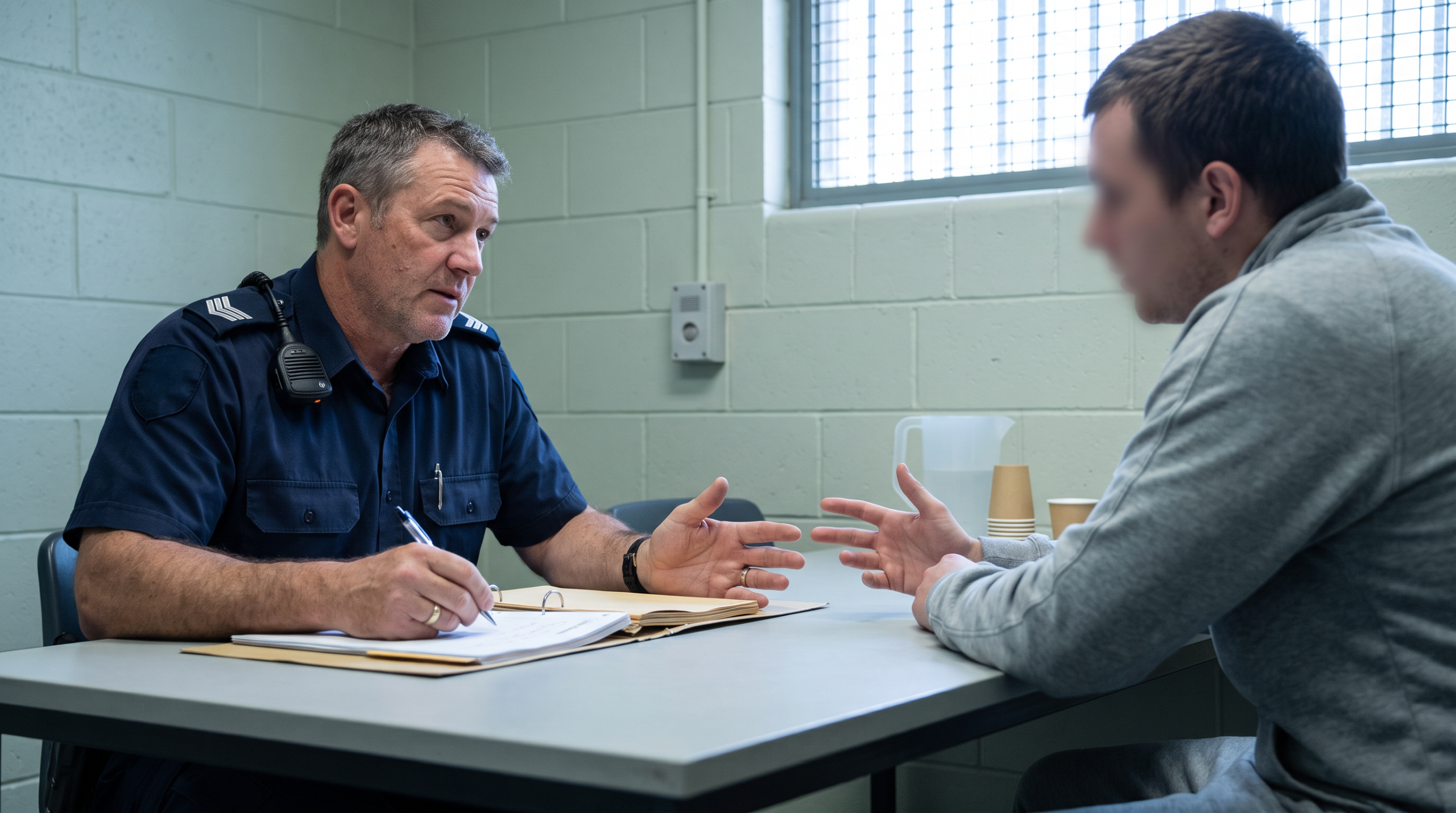
Community corrections officers manage diverse daily responsibilities centred around offender supervision and public safety. Primary duties include conducting regular interviews with offenders, monitoring compliance with court-ordered conditions, and maintaining detailed case records. Officers assess risk levels, develop supervision plans, and coordinate with other agencies including police, courts, and social services.
Electronic monitoring supervision requires technical skills in GPS tracking systems and compliance monitoring. Officers must respond to alerts, investigate potential breaches, and take appropriate enforcement action when violations occur. This technology-driven aspect of the role requires comfort with digital systems and the ability to interpret data accurately.
Programme facilitation forms another key component, with officers delivering or coordinating access to rehabilitation programmes addressing criminogenic needs such as substance abuse, anger management, or vocational training. Effective programme delivery requires understanding of adult learning principles and motivational interviewing techniques to engage offenders in positive change processes.
Recognition of Prior Learning for Correctional Practice Qualifications
Recognition of Prior Learning (RPL) offers an accelerated pathway for experienced professionals seeking formal correctional qualifications. This VET assessment process evaluates your existing skills and knowledge against national training standards, potentially allowing you to achieve qualifications without completing traditional classroom training. For more information, RPL for first responders.
The RPL process for correctional practice qualifications involves comprehensive assessment of your experience in areas such as case management, risk assessment, offender supervision, report writing, and interagency collaboration. Evidence requirements typically include detailed employment histories, training records, performance evaluations, and work samples demonstrating competency in relevant skill areas.
Successful RPL candidates often have backgrounds in law enforcement, military service, social work, youth work, security services, or related fields where they’ve developed transferable skills applicable to correctional practice. The assessment process typically takes 4-8 weeks from application to completion, significantly faster than traditional training pathways.
Employer consent may be required for current correctional staff seeking qualifications through RPL, ensuring transparency and support from your workplace. This requirement protects both the individual and organisation whilst facilitating professional development opportunities. Start your RPL assessment today to fast-track your correctional career.
Veterans and Emergency Services Personnel Opportunities
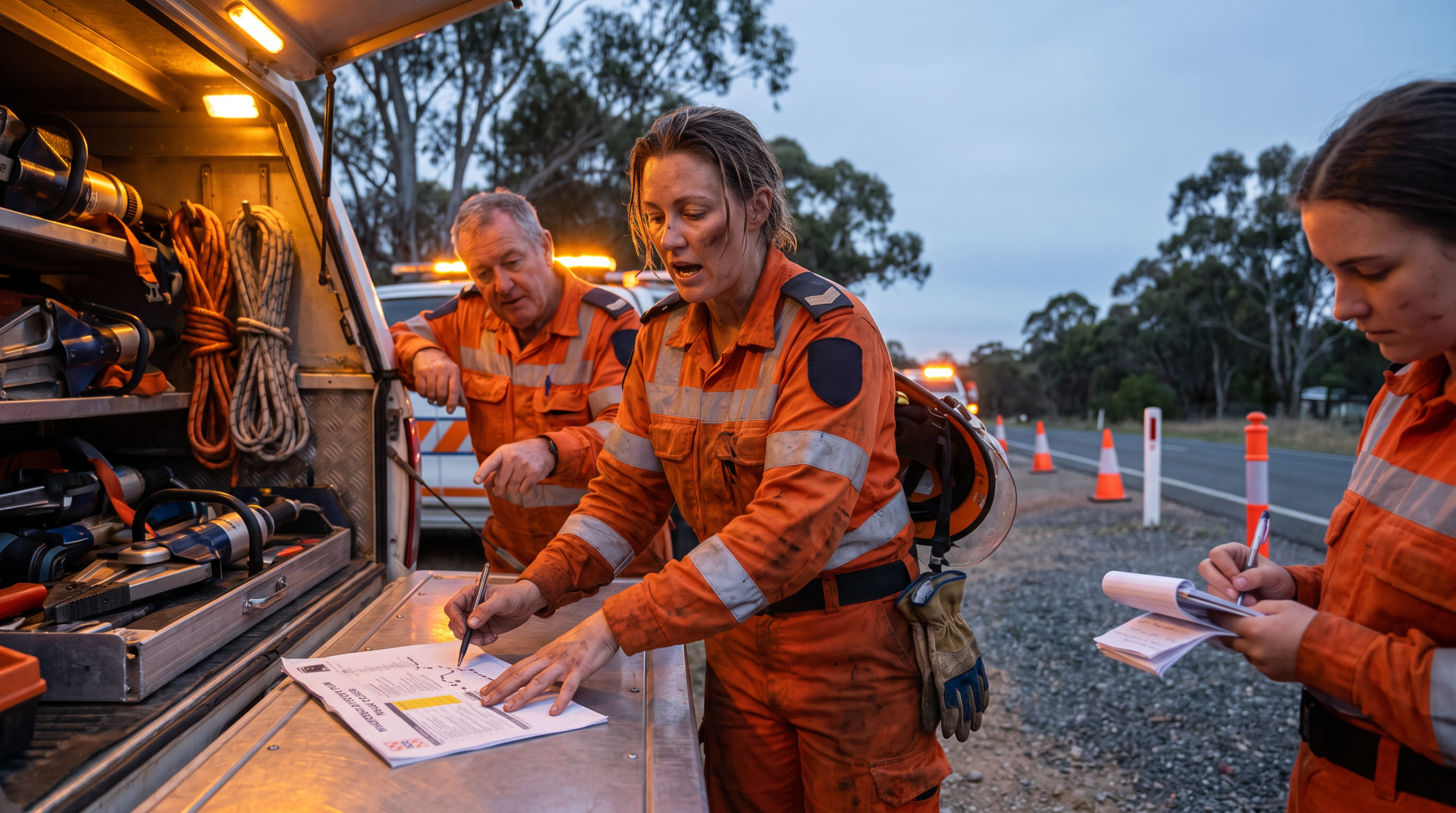
Former Australian Defence Force (ADF) personnel and emergency services workers possess valuable skills highly relevant to correctional practice. Military training in leadership, discipline, risk assessment, and working under pressure translates well to the corrections environment. Emergency services experience in crisis management, community interaction, and procedural compliance provides an excellent foundation for correctional work.
Many veterans successfully transition to corrections careers, finding the structured environment and public service mission aligned with their values and experience. The ability to work with diverse populations, maintain composure under stress, and follow strict procedures makes military veterans particularly well-suited to correctional roles.
3CIR recognises the value of military and emergency services experience by offering a 25% discount on all qualifications for current and former defence and emergency services personnel. This significant saving acknowledges your service whilst supporting your career transition into the growing corrections sector. The discount applies to all Certificate and Diploma level qualifications, making professional development more accessible for those who have served our community.
Veterans may also be eligible for additional government support through programmes such as the Veterans Education, Training and Employment programme, which can provide further financial assistance and career counselling services. Learn more about our veterans support services and how we can assist your transition to a rewarding corrections career.
Frequently Asked Questions About Community Corrections Careers
What qualifications do I need to become a community corrections officer?
You need at least a Certificate IV in Correctional Practice (CSC40122) or equivalent qualification recognised under the Australian Qualifications Framework. Many employers prefer candidates with relevant experience in law enforcement, social work, or related fields, which can be assessed through RPL pathways.
How long does it take to get qualified for corrections work?
Traditional training programmes typically take 12-18 months to complete. However, Recognition of Prior Learning assessment can significantly reduce this timeframe to 4-8 weeks for experienced candidates with relevant skills and knowledge in case management, supervision, or law enforcement.
What is the average salary for community corrections officers in Australia?
Community corrections officers earn an average of a competitive salary, with entry-level positions starting around a competitive salary. Experienced officers and those in specialised roles can earn a competitive salary or more, with variations based on state, experience level, and specific responsibilities. You can start your free RPL assessment to find out what qualifications match your experience.
Do I need Australian citizenship to work in corrections?
Yes, Australian citizenship or permanent residency is typically required for correctional positions due to security clearance requirements. Some positions may require higher levels of security clearance, particularly those involving sensitive information or high-risk offenders.
Can ADF veterans transition to community corrections careers?
Absolutely, ADF veterans possess highly transferable skills including leadership, risk assessment, discipline, and working under pressure. Military experience often aligns well with correctional practice requirements, and many veterans successfully transition to fulfilling careers in community corrections with appropriate qualifications.
What career advancement opportunities exist in corrections?
Career progression includes senior officer roles, team leadership positions, specialisation in areas like domestic violence or substance abuse programmes, training and development roles, and management positions. Many officers also transition to policy development, research, or consultancy roles within the broader justice sector.
How does electronic monitoring work in community corrections?
Electronic monitoring uses GPS technology to track offender movements and ensure compliance with court-ordered restrictions. Community corrections officers monitor alerts, investigate potential breaches, coordinate with police when necessary, and maintain detailed records of offender compliance with supervision conditions.
What support is available for emergency services personnel entering corrections?
Emergency services personnel benefit from relevant experience in crisis management and community interaction. They’re eligible for 25% discounts on qualifications at 3CIR, recognition of their transferable skills through RPL assessment, and specialised career transition support recognising their unique experience and service background.
Is experience more important than formal qualifications in corrections?
Both experience and formal qualifications are important, with employers increasingly requiring nationally recognised qualifications for compliance and professional standards. However, relevant experience can be recognised through RPL pathways, allowing you to gain formal qualifications whilst leveraging your existing knowledge and skills.
What ongoing professional development is required for corrections officers?
Corrections officers must complete regular professional development including updates on legislation, risk assessment tools, mental health awareness, cultural competency training, and new supervision techniques. Most jurisdictions require annual training hours to maintain registration and ensure contemporary practice standards.
Ready to start your community corrections career? The growing demand for qualified officers, competitive salaries, and job security make this an excellent career choice. Whether you’re seeking initial qualifications or recognition of your existing experience, professional training is your first step toward this rewarding career in public service. Begin your journey today with our comprehensive RPL assessment and join the dedicated professionals making a difference in Australian communities.
Related Training Videos
Expand your knowledge with these professional development videos:
- Leadership in Correctional Services
- HR Management in Justice Settings
- Workplace Health and Safety in Corrections
- Security and Risk Management
- Business Skills for Correctional Officers
- Communication and Marketing in Public Service
- Government Sector Career Development
- Project Management for Justice Professionals