
Attitude Modification to be Successful | Transform Your Mindset for Career Growth
What is Attitude Modification?
Attitude modification is a psychological process that involves the deliberate transformation of thought patterns, beliefs, and mental frameworks to create positive behavioural changes. In professional development and vocational training contexts, attitude modification encompasses changing limiting beliefs, developing growth mindsets, and cultivating resilience. The process typically involves identifying negative thought patterns, understanding their origins, challenging self-limiting beliefs, and implementing new cognitive strategies. Research in organisational psychology demonstrates that attitude modification significantly impacts career advancement, leadership effectiveness, and workplace performance. For professionals seeking Recognition of Prior Learning opportunities, attitude modification often serves as the foundation for acknowledging and articulating existing skills and competencies developed through experience.
Understanding the Power of Mindset in Professional Success
“Often the struggler has given up when he might have captured the victor’s cup.”
The famous line from the motivational poem “Don’t Quit” shows that sometimes, the only thing that stops an individual from achieving greatness is himself. This fundamental truth underlies the importance of attitude modification in achieving professional success.
The fear of failure, rejection, and disappointment is what stops everyone from even trying in the first place. In order to achieve success, it is imperative to develop a few attitude adjustments to get rid of such self-doubts. Your mindset determines your approach to challenges, opportunities, and setbacks. When you understand how to modify limiting attitudes, you unlock your potential for career advancement and personal growth.
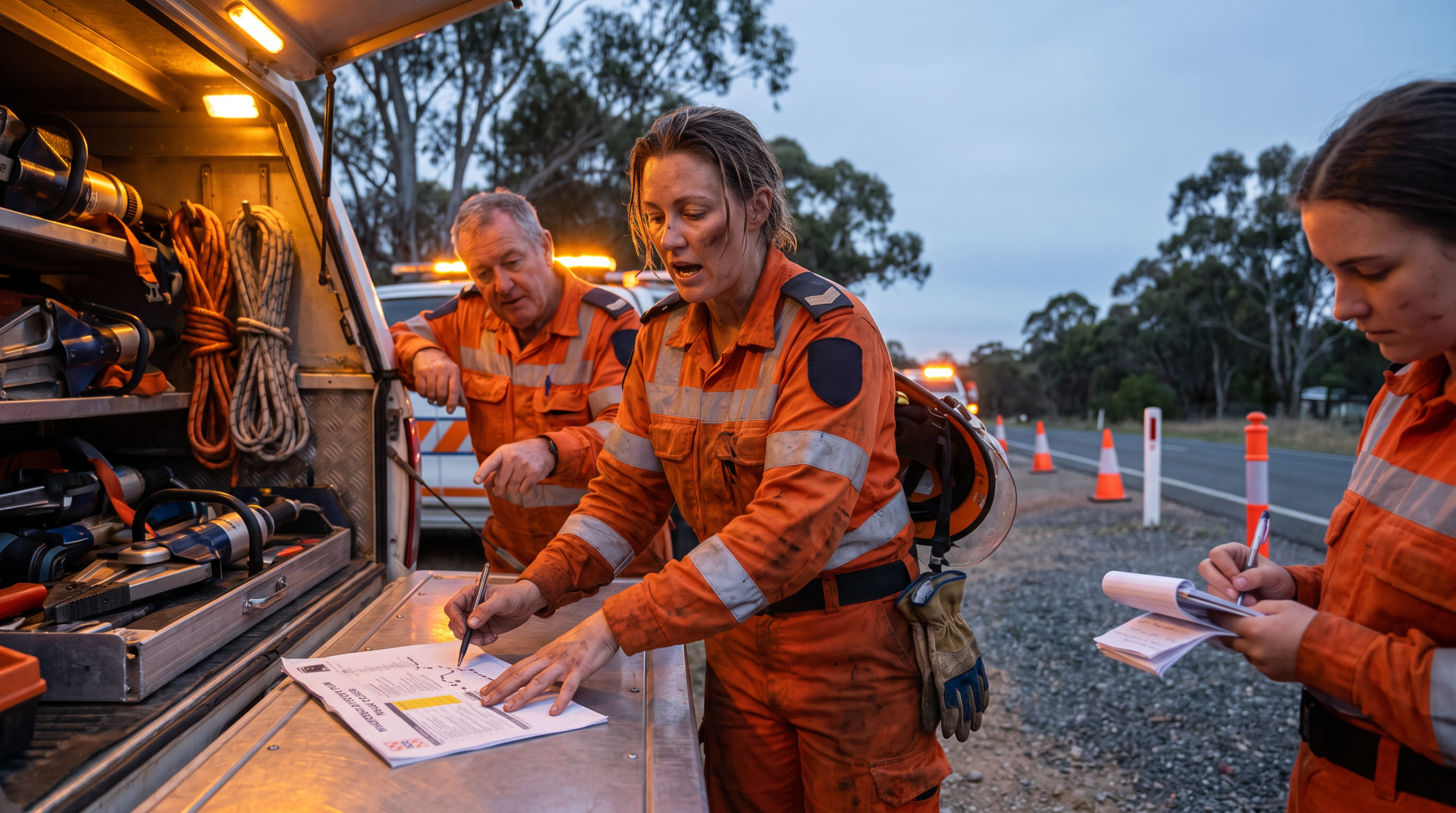
For ADF veterans and emergency services personnel, this principle becomes particularly relevant when transitioning to civilian careers. The structured environment of military and emergency services can create specific mindset patterns that may need adjustment for different professional contexts. Start your RPL assessment today to recognise how your existing experience demonstrates these positive attitude changes.
How Does Negative Mindset Impact Professional Growth?
The first and most crucial attitude to change is one’s negative mindset. Such lack of confidence may root in different external and internal factors and may have manifested as early as childhood. These negative thought patterns create invisible barriers that prevent professionals from pursuing opportunities, taking calculated risks, or demonstrating their capabilities effectively.
However, if a person is really driven to achieve success, the sacrifice is surely worthy. Considering that a lot of factors are involved, one should be able to assess and evaluate the origin of such occurrences in order to find and focus on such issues. Professional development through vocational education and training provides structured pathways for addressing these limiting beliefs while building practical skills.
Negative mindsets manifest in various ways within professional environments:
- Imposter syndrome preventing career advancement applications
- Fear-based decision making that limits innovation
- Perfectionism that delays project completion
- Comparison with colleagues that undermines confidence
- Past failure experiences dictating future choices
According to research from the Australian Qualifications Framework, professionals who engage in continuous learning demonstrate significantly higher levels of career satisfaction and advancement opportunities.
Why is Taking Personal Responsibility Crucial for Success?
The tendency to place blame primarily on others when things don’t go according to plan can be a major setback. A common belief is that you should try not to put much responsibility onto those around us and instead accept their mistakes as inevitable outcomes of our own actions or lack thereof, but this only leads people down an endless cycle where they’re never really able to take charge themselves because someone else always ends up taking the fall for whatever error committed before them – whether rightfully so.
Therefore, manning up and owning mistakes will magnify one’s learning curve and will provide more avenues for improvement. Personal responsibility becomes the foundation for professional credibility and leadership development.
Taking ownership involves several key components:
- Acknowledging your role in both successes and failures
- Learning from mistakes without dwelling on them
- Proactively seeking solutions rather than focusing on problems
- Accepting feedback as opportunities for growth
- Taking initiative in professional development activities
For professionals considering nationally recognised qualifications, personal responsibility extends to actively managing your learning journey and recognising your existing competencies. Find out more about how to learn about Recognition of Prior Learning.
How Does Language Shape Professional Outcomes?
Next, is minding your language. The words you use internally and externally significantly impact your professional trajectory and how others perceive your capabilities. Language modification represents one of the most accessible yet powerful tools for attitude transformation.
Your internal dialogue – the constant stream of thoughts and self-talk – directly influences your confidence levels, decision-making processes, and ability to communicate effectively with colleagues and supervisors. When you consistently use limiting language such as “I can’t,” “I’m not good enough,” or “I’ll never understand this,” you create neural pathways that reinforce these limiting beliefs.
Professional language transformation involves:
- Replacing limiting phrases with growth-oriented alternatives
- Using confident communication in workplace interactions
- Articulating achievements using specific, measurable language
- Asking for feedback and opportunities using assertive communication
- Describing challenges as learning opportunities
The Australian Skills Quality Authority emphasises effective communication as a core employability skill across all qualification levels, highlighting the importance of language in professional success.
What Role Does Resilience Play in Career Development?
Resilience – the ability to bounce back from setbacks and adapt to challenges – represents a critical component of attitude modification for professional success. In today’s rapidly changing work environment, professionals must develop the mental flexibility to navigate uncertainty, embrace change, and recover from disappointments.
Building resilience involves developing specific mental strategies and behavioural patterns that support long-term career growth. This includes maintaining perspective during difficult periods, seeking support when needed, and viewing challenges as opportunities for skill development rather than threats to your professional identity.
Key resilience-building strategies include:
- Developing emotional regulation techniques for workplace stress
- Building strong professional networks for support and guidance
- Maintaining work-life balance to prevent burnout
- Setting realistic goals with flexible timelines
- Celebrating small wins while working toward larger objectives
For professionals transitioning between careers or industries, resilience becomes particularly important when navigating new environments and building fresh professional relationships.
Can Professional Development Support Attitude Modification?
Structured learning environments provide excellent opportunities for attitude modification while simultaneously building practical skills and knowledge. Vocational education and training programs create supportive frameworks for addressing limiting beliefs while developing industry-specific competencies.
The combination of theoretical knowledge and practical application helps professionals build confidence through demonstrated competence. As you successfully complete learning modules, projects, and assessments, you create evidence of your capabilities that directly challenges previous self-limiting beliefs.
Professional development supports attitude modification through:
- Structured goal achievement that builds confidence
- Peer interaction that provides perspective and support
- Expert guidance that accelerates learning curves
- Industry exposure that broadens career possibilities
- Credential achievement that validates competencies
Ready to start your professional development journey? Complete your RPL assessment to identify your existing skills and plan your next career steps. For more information, RPL qualifications available.
Recognition of Prior Learning: Transforming Experience into Qualifications
Recognition of Prior Learning (RPL) represents a powerful tool for attitude modification by helping professionals recognise and articulate the value of their existing experience. Many individuals underestimate their capabilities because they lack formal qualifications, despite possessing extensive practical knowledge and skills.
RPL processes require you to critically examine your work experience, identify transferable skills, and articulate your competencies using industry-standard language. This reflection process often reveals capabilities you hadn’t previously recognised or valued appropriately.
The RPL journey supports attitude modification by:
- Validating existing skills and knowledge through formal recognition
- Building confidence through structured competency mapping
- Providing pathways for career advancement without starting from scratch
- Demonstrating the value of experiential learning
- Creating opportunities for further professional development
As a Registered Training Organisation, 3CIR specialises in RPL assessments across various industries. Our experienced assessors work with you to identify and document your existing competencies, providing a foundation for both qualification achievement and career planning. The process of completing an RPL assessment often serves as a catalyst for broader attitude modification as professionals gain clarity about their capabilities and career directions.
3CIR offers nationally recognised qualifications through RPL pathways, enabling you to fast-track your professional development while building on your existing foundation of knowledge and experience.
Veterans and Emergency Services Personnel: Special Considerations
Current and former ADF personnel and emergency services workers possess unique strengths that translate exceptionally well into civilian careers when properly recognised and articulated. Military and emergency services experience develops leadership skills, resilience, teamwork capabilities, and decision-making abilities under pressure – all highly valued in civilian workplaces.
However, transitioning from military or emergency services environments to civilian careers often requires specific attitude modifications. The structured, hierarchical nature of these organisations can create mindset patterns that may need adjustment for different professional contexts.
Common attitude modifications for veterans and emergency services personnel include:
- Adapting communication styles for civilian workplace cultures
- Recognising the value of collaborative rather than command-based leadership
- Translating military or emergency services experience into civilian language
- Building confidence in transferable skills
- Embracing continuous learning in new industry contexts
3CIR recognises the valuable experience of defence and emergency services personnel through our specialised RPL processes. We understand the unique challenges faced during career transitions and provide tailored support to help you articulate your existing competencies effectively.
Special Offer: 3CIR provides a 25% discount on all qualifications for current and former defence and emergency services personnel. This recognition reflects our commitment to supporting those who have served our communities and acknowledges the significant value of military and emergency services experience.
Your service experience has already developed many of the attitudes and capabilities required for professional success. Our role is to help you recognise these strengths and apply them effectively in your chosen civilian career path.
Frequently Asked Questions
What are the first steps in attitude modification for career success?
Begin by identifying specific negative thought patterns or limiting beliefs that impact your professional confidence. Conduct an honest self-assessment of your internal dialogue and reactions to workplace challenges, then systematically replace limiting thoughts with growth-oriented alternatives through conscious practice and repetition. You can start your free assessment to find out what qualifications match your experience.
How long does attitude modification typically take to show results?
Attitude modification varies by individual, but most professionals notice initial improvements within 2-4 weeks of consistent practice. Significant, lasting changes typically develop over 3-6 months of dedicated effort, with ongoing refinement continuing throughout your career development journey.
Can professional qualifications help with attitude modification?
Yes, structured learning environments provide excellent frameworks for attitude modification while building practical skills. Successfully completing qualifications creates evidence of your capabilities, directly challenging self-limiting beliefs while providing industry-recognised credentials for career advancement.
How does Recognition of Prior Learning support attitude modification?
RPL processes require critical examination of your existing skills and experience, often revealing capabilities you hadn’t previously recognised. This reflection and validation process builds confidence while providing formal recognition of your competencies through nationally recognised qualifications.
What specific attitude challenges do ADF veterans face in civilian careers?
Military personnel often need to adapt communication styles from command-based to collaborative approaches, translate military experience into civilian language, and build confidence in transferable skills. The structured military environment may require adjustment to more flexible civilian workplace cultures.
How can emergency services personnel leverage their experience for career advancement?
Emergency services experience develops exceptional crisis management, decision-making under pressure, and teamwork capabilities. These professionals should focus on articulating these transferable skills using civilian workplace language while building on their natural leadership and resilience capabilities.
What role does language play in professional attitude modification?
Language shapes both internal confidence and external professional perception. Replacing limiting phrases with growth-oriented alternatives, using confident communication in workplace interactions, and articulating achievements with specific, measurable language significantly impacts career trajectory and professional relationships.
How can professionals overcome fear of failure when pursuing career advancement?
Reframe failure as learning opportunities, set incremental goals to build confidence through small wins, develop resilience strategies for setbacks, and focus on growth rather than perfection. Building a support network of mentors and peers also provides perspective during challenging periods.
What are the most common limiting beliefs that impact professional success?
Common limiting beliefs include imposter syndrome, fear of not being qualified enough, perfectionism that delays action, comparison with colleagues that undermines confidence, and allowing past failures to dictate future choices. Identifying and challenging these beliefs is crucial for career advancement.
How can workplace resilience be developed through attitude modification?
Build resilience by developing emotional regulation techniques, maintaining work-life balance, building strong professional networks, setting realistic goals with flexible timelines, and viewing challenges as skill development opportunities. Regular self-reflection and continuous learning also strengthen professional resilience.
Ready to improve your professional mindset and unlock your career potential? Start your RPL assessment today and discover how your existing experience can fast-track your qualification journey. Our expert assessors will help you identify and document your competencies while supporting your attitude modification goals for lasting professional success.
Related Video Resources
Explore these video resources to deepen your understanding of professional development and attitude modification:
- Leadership: https://youtu.be/7k57ygLXncA
- HR Management: https://youtu.be/jLUKTpqOOfU
- WHS: https://youtu.be/6QHTzXlE5C0
- Security: https://youtu.be/d20nwpEot8Q
- Business: https://youtu.be/8P_VySE0zjQ
- Marketing: https://youtu.be/VdQxJKmgZfs
- Government: https://youtu.be/PV_knsJnb5E
- Project Management: https://youtu.be/kz7CyEsRNyg