What Does Having Better Qualifications Do to Help You Get Better Jobs?
Better qualifications significantly improve your job prospects by demonstrating competency, meeting employer requirements, and positioning you competitively in Australia’s demanding job market.
Understanding Professional Qualifications in Australia
Professional qualifications in Australia refer to formally recognised credentials obtained through Registered Training Organisations (RTOs) under the Australian Qualifications Framework (AQF). These qualifications include certificates, diplomas, and degrees that demonstrate your competency in specific skills and knowledge areas. The Vocational Education and Training (VET) sector delivers nationally recognised qualifications that align with industry standards and employer expectations. Qualifications serve as formal evidence of your capabilities and are essential for career advancement in Australia’s competitive employment landscape. They provide structured pathways for professional development and are recognised by employers, professional bodies, and government agencies across all industries.
Why Modern Employment Demands Better Qualifications
Nowadays, especially in Australia and New Zealand, getting hired is proving to be more and more of a difficult and daunting task. The job market is incredibly competitive and if you wish to obtain a respectable job, or even join the workforce in general, having the necessary qualifications is without a doubt an absolute must.
Many people might think that they need not further their education to get a decent job, or that simply finishing their secondary education is enough. In truth, you will almost definitely need to earn certain prerequisites such as a certificate, diploma or degree in order to land an occupation of high quality.
Australia’s employment landscape has fundamentally shifted, with employers increasingly seeking candidates who possess formal qualifications that validate their skills and knowledge. This trend reflects the growing complexity of modern workplaces and the need for workers who can adapt to rapidly changing technological and regulatory environments.This correlation between education and employment outcomes underscores the critical importance of investing in your professional development through recognised training pathways.
Ready to advance your career with recognised qualifications? Start your RPL assessment today and discover how your existing skills can be formally recognised.
How Qualifications Enhance Your Professional Standing
Qualifications are important. They might not always guarantee you a job, but it’s likely that your qualifications will help improve the chances of getting one! First world countries like Australia and New Zealand tend to be breeding grounds for good workers as well as professionals with intellectual ambitions.
Better qualifications fundamentally transform your professional profile by providing tangible evidence of your competencies. When employers review applications, they use qualifications as initial screening criteria to identify candidates who meet minimum requirements. This process means that lacking appropriate qualifications can eliminate you from consideration before your experience and personality are even evaluated.
Your qualifications also demonstrate commitment to professional development and lifelong learning—qualities highly valued by Australian employers. They show that you’ve invested time and effort in developing industry-relevant skills and staying current with best practices in your field.
Furthermore, qualifications provide you with structured knowledge and systematic approaches to problem-solving that self-taught experience alone cannot offer. This comprehensive understanding enables you to perform more effectively and contribute meaningfully to organisational objectives from day one.
What Career Opportunities Open Up With Better Qualifications?
Having better qualifications opens doors to career opportunities that would otherwise remain inaccessible. Many Australian industries have mandatory qualification requirements for specific roles, particularly in regulated sectors such as healthcare, education, finance, and construction.
Advanced qualifications also position you for leadership and management roles that typically require formal credentials. These positions often come with significantly higher salaries, better working conditions, and greater job security. The Australian Government’s training.gov.au platform provides comprehensive information about qualification requirements across various industries.
Additionally, better qualifications increase your mobility within the job market. They make you attractive to multiple employers and provide flexibility to transition between different roles or industries. This versatility is particularly valuable in today’s dynamic economy where career changes are increasingly common. Find out more about how to nationally recognised qualifications through RPL.
Professional qualifications also enable you to pursue entrepreneurial opportunities with greater confidence and credibility. Clients and partners are more likely to trust service providers who possess relevant credentials, particularly in consulting, training, and professional services sectors.
How Do Employers View Qualified Candidates Differently?
Employers view qualified candidates as lower-risk investments who require less training and supervision. When you possess relevant qualifications, employers can be confident that you understand industry standards, regulatory requirements, and professional protocols.
Qualified candidates are also perceived as more committed to their chosen career path. This perception translates into assumptions about your reliability, motivation, and likelihood to remain with the organisation long-term. These factors are particularly important for employers who invest significantly in employee development and want to minimise turnover costs.
Your qualifications also demonstrate your ability to learn and apply new knowledge systematically. This capability is crucial in rapidly evolving industries where continuous learning is essential for maintaining competitiveness.
Moreover, in many organisations, qualified employees are eligible for faster promotion tracks and leadership development programs. These opportunities can accelerate your career progression significantly compared to unqualified counterparts.
Transform your career prospects today. Complete our RPL assessment and unlock new opportunities with formal qualifications.
What Financial Benefits Come With Better Qualifications?
The financial benefits of obtaining better qualifications are substantial and long-lasting. According to Australian Government data, individuals with vocational qualifications earn significantly more over their careers compared to those with only secondary education.
Certificate IV qualifications typically increase earning capacity by 15-25% compared to Certificate III levels, while diploma-qualified professionals often command salaries 30-50% higher than their unqualified counterparts. These percentage increases translate into hundreds of thousands of dollars in additional lifetime earnings.
Better qualifications also provide greater job security, reducing the financial stress associated with unemployment periods. Qualified professionals are less likely to experience extended unemployment and typically secure new positions more quickly when changing jobs.
Additionally, many qualified positions offer superior employee benefits including health insurance, superannuation contributions, professional development opportunities, and flexible working arrangements. These benefits add significant value beyond base salary levels.
How Do Better Qualifications Impact Career Progression?
Career progression is dramatically accelerated when you possess relevant qualifications that align with your chosen field. Many Australian organisations have structured career pathways that explicitly require specific qualifications for advancement to senior roles.
Qualifications also provide you with the theoretical foundation necessary to excel in leadership positions. Management roles require understanding of legal compliance, strategic planning, financial management, and human resources—areas comprehensively covered in business and management qualifications.
Professional recognition through qualifications can lead to membership in industry bodies and professional associations. These memberships provide networking opportunities, continuing professional development resources, and enhanced credibility within your industry. For more information, what is Recognition of Prior Learning.
Furthermore, qualifications enable you to mentor and train others, opening pathways into training and development roles that are often highly rewarding both personally and financially. The ability to share knowledge and develop others’ capabilities is increasingly valued in modern organisations.
Recognition of Prior Learning (RPL) for Career Advancement
Recognition of Prior Learning (RPL) offers an exceptional pathway for experienced professionals to obtain formal qualifications without repeating training in areas where they already demonstrate competency. This process is particularly valuable for individuals who have developed skills through work experience, military service, or informal learning.
The RPL process involves comprehensive assessment of your existing knowledge and skills against the requirements of nationally recognised qualifications. This assessment considers your work history, training records, references, and practical demonstrations of competency.
RPL can significantly reduce the time and cost required to obtain qualifications while still ensuring you meet all industry standards and requirements. Many professionals complete qualifications through RPL in months rather than years, enabling rapid career advancement.
For career changers, RPL provides an efficient pathway to gain credentials in new fields by recognising transferable skills developed in previous roles. This flexibility is particularly valuable in today’s dynamic employment environment where cross-industry movement is increasingly common.
The Australian Skills Quality Authority (ASQA) ensures that RPL assessments maintain the same rigorous standards as traditional training pathways, guaranteeing that your qualifications carry full industry recognition and employer confidence.
Discover how your experience translates into formal qualifications. Begin your RPL journey and fast-track your career advancement.
Special Benefits for Veterans and Emergency Services Personnel
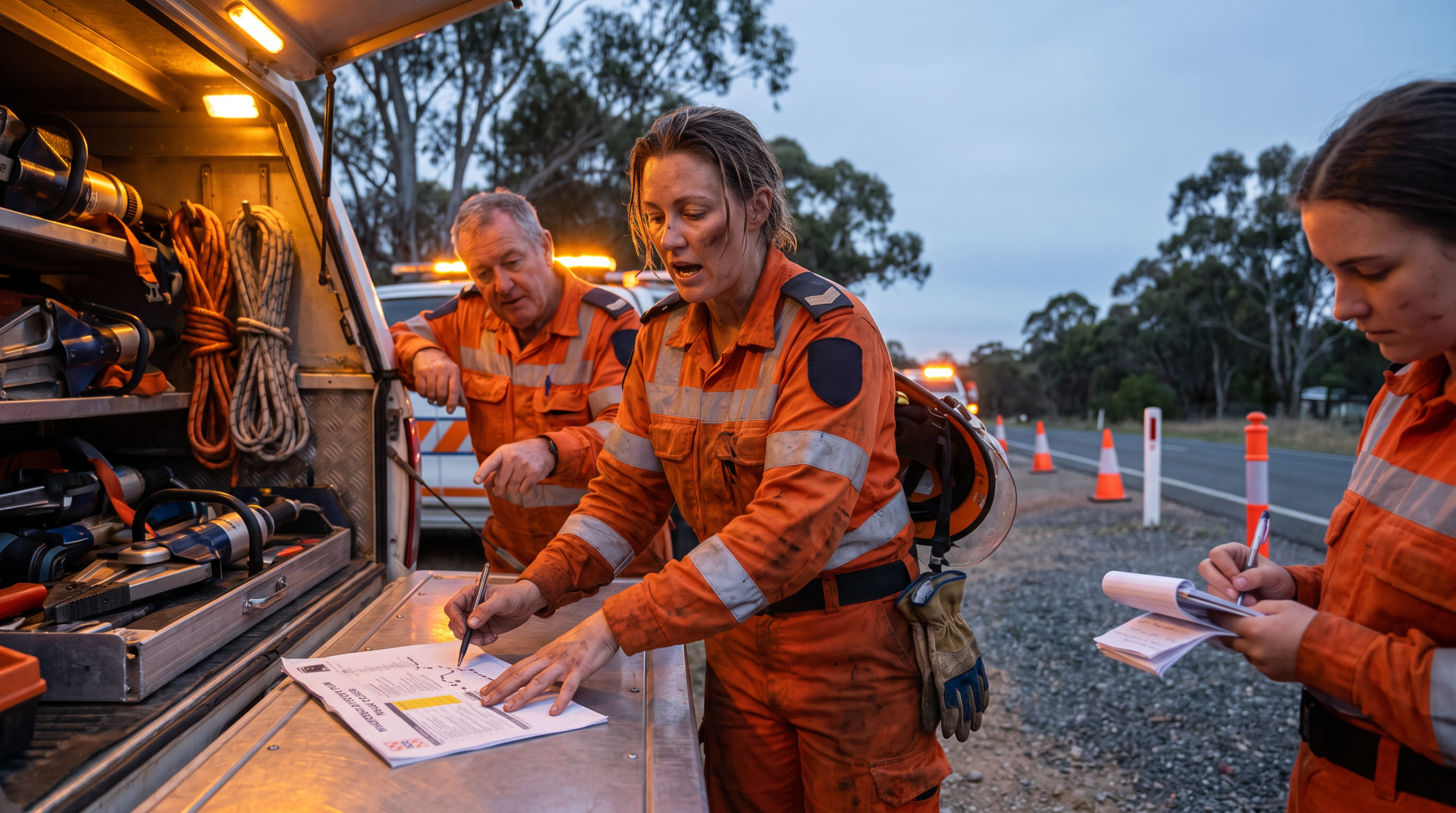
Veterans and emergency services personnel possess unique skills and experiences that translate exceptionally well into civilian careers when properly recognised through formal qualifications. These professionals have developed leadership capabilities, crisis management skills, and technical expertise that are highly valued in numerous industries.
3CIR recognises the exceptional contribution of defence and emergency services personnel by offering a 25% discount on all courses for current and former ADF members, police officers, firefighters, paramedics, and other emergency services professionals. This discount acknowledges the valuable skills you’ve developed in service to our community.
Military personnel often possess advanced leadership, project management, logistics, and technical skills that align perfectly with civilian industry requirements. The challenge lies in translating military experience into language and qualifications that civilian employers understand and value.
Emergency services personnel similarly possess crisis management, communication, teamwork, and problem-solving capabilities that are transferable across multiple industries. These skills, when properly documented through formal qualifications, can open doors to management, consulting, training, and specialist technical roles.
The RPL process is particularly beneficial for veterans and emergency services personnel because it recognises the depth and quality of training and experience gained through service. This recognition can result in significant qualification levels being achieved efficiently and cost-effectively.
Career transition support specifically designed for veterans and emergency services personnel includes guidance on translating military or emergency services experience into civilian-relevant qualifications and career pathways. This specialised support recognises the unique challenges faced during career transition and provides targeted assistance to ensure success. You can start your free assessment to find out what qualifications match your experience.
Frequently Asked Questions
What types of qualifications are most valuable in today’s job market?
Vocational qualifications in high-demand areas such as project management, business administration, cybersecurity, and leadership are particularly valuable. Certificate IV and diploma-level qualifications provide optimal balance between time investment and career impact.
How long does it take to complete qualifications through RPL?
RPL assessment timelines vary based on qualification complexity and evidence availability, typically ranging from 4-12 weeks. The process is significantly faster than traditional training pathways while maintaining rigorous assessment standards.
Are online qualifications as respected as face-to-face training?
Yes, nationally recognised qualifications delivered online carry identical industry recognition to face-to-face training. Employers focus on qualification validity and relevance rather than delivery method, provided training is conducted through registered RTOs.
What documentation do I need for RPL assessment?
RPL requires comprehensive documentation including employment records, training certificates, reference letters, work samples, and position descriptions. Professional portfolios demonstrating practical application of skills strengthen RPL applications significantly.
Can ADF personnel use their military training for civilian qualifications?
Absolutely. Military training often exceeds civilian standards in leadership, project management, logistics, and technical areas. ADF personnel frequently achieve advanced qualifications through RPL based on their service experience and formal military training.
How do qualifications help emergency services personnel transition to civilian careers?
Emergency services experience provides excellent foundation for qualifications in crisis management, leadership, risk assessment, and public safety. These skills translate well into corporate risk management, training, consulting, and management roles across multiple industries.
What industries most value VET qualifications?
Construction, healthcare, business services, information technology, and hospitality industries particularly value VET qualifications. These sectors require practical skills and industry-specific knowledge that VET qualifications provide effectively.
Are there government incentives for obtaining qualifications?
Various government incentives exist including VET Student Loans, subsidised training places, and industry-specific funding programs. The Australian Qualifications Framework provides information about available support programs.
How do I choose between certificate, diploma, and degree qualifications?
Choice depends on career goals, current experience level, and industry requirements. Certificates provide specific skills, diplomas offer broader knowledge with leadership elements, while degrees provide comprehensive theoretical and practical understanding.
Can I upgrade my qualifications while working full-time?
Yes, flexible delivery options including online learning, evening classes, and RPL assessment accommodate full-time work schedules. Many professionals complete qualifications through part-time study without career interruption.
Take the first step towards better career prospects. Contact 3CIR today to discuss your qualification pathway and unlock your professional potential.
Video Resources for Career Development
Explore our comprehensive video library covering key professional development areas: