
What is a Probation Officer in Australia | Career Guide 2025
What is a Probation Officer? Professional Definition
A probation officer is a specialised correctional services professional employed by state and federal governments to supervise, monitor, and support offenders who have been released into the community under supervised conditions. In Australia’s criminal justice system, probation officers serve as crucial intermediaries between the courts, correctional facilities, and the community. They are responsible for ensuring that offenders comply with court-ordered conditions whilst facilitating their successful reintegration into society. These professionals work within the broader framework of community corrections, which represents an alternative to incarceration that allows offenders to serve their sentences whilst maintaining family and community ties. Probation officers typically hold tertiary qualifications in criminal justice, social work, psychology, or correctional practice, and must complete ongoing professional development to maintain their registration and effectiveness in this challenging yet rewarding field.
What are the Primary Responsibilities of Probation Officers?
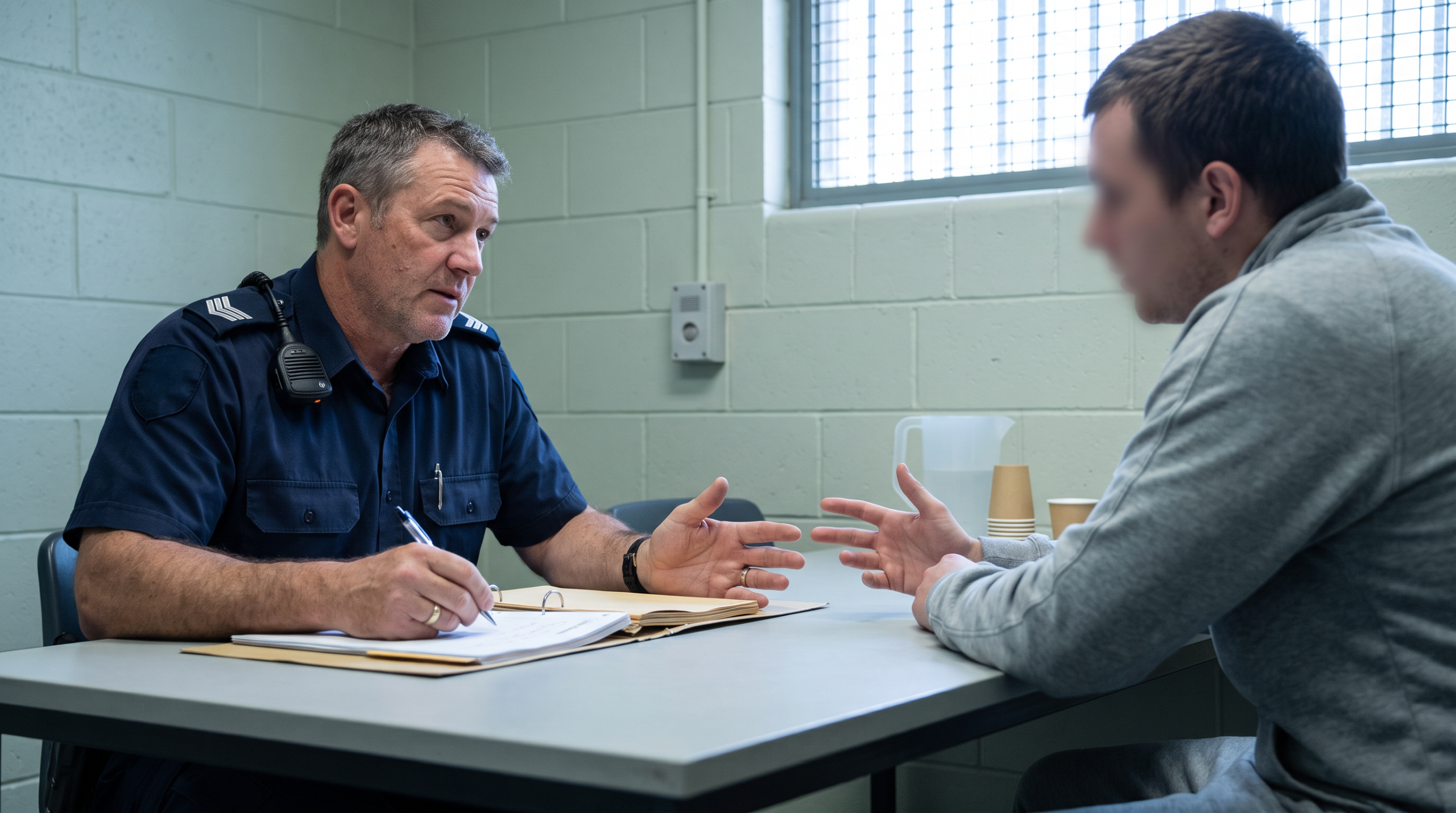
Probation officers in Australia carry extensive responsibilities that directly impact community safety and offender rehabilitation. Their primary duties include conducting comprehensive client interviews to assess risk factors, criminogenic needs, and individual circumstances that may contribute to reoffending behaviour. They develop and implement tailored educational and support programs designed to address specific issues such as substance abuse, anger management, financial literacy, and employment skills.
These professionals continuously monitor client progress through regular face-to-face meetings, home visits, workplace checks, and collaboration with treatment providers. They maintain detailed case files, prepare court reports, and provide recommendations for sentence modifications when appropriate. Additionally, probation officers liaise extensively with community agencies, employers, family members, and other stakeholders to create comprehensive support networks for their clients.
With Australia’s prison population reaching 46,919 in 2026, probation officers play an increasingly vital role in managing conditional releases and supporting successful community reintegration. They must balance enforcement responsibilities with therapeutic intervention, requiring exceptional communication skills and professional judgement.
Start Your Correctional Practice RPL Assessment Today
What Qualifications Do You Need to Become a Probation Officer?
Becoming a probation officer in Australia requires specific educational qualifications and practical experience within the correctional services sector. Most positions require completion of tertiary qualifications such as a diploma or higher degree in criminal justice, correctional practice, social work, psychology, or related fields. The CSC40122 Certificate IV in Correctional Practice serves as a fundamental qualification for many correctional roles, requiring a minimum of two years operational experience within correctional services.
For senior probation officer positions, the CSC50122 Diploma of Correctional Administration becomes essential, typically requiring three or more years of experience in managerial or supervisory roles within corrections. Both qualifications are accessible through Recognition of Prior Learning (RPL) pathways, allowing experienced practitioners to gain formal recognition for their existing skills and knowledge with employer consent.
Many jurisdictions also require additional certifications in areas such as risk assessment, case management, and specific intervention programs. Continuous professional development is mandatory, with officers required to complete regular training updates on legislative changes, assessment tools, and evidence-based practices. As referenced by training.gov.au, these qualifications ensure probation officers maintain current competencies aligned with industry standards.
How Do Probation Officers Assess and Manage Risk?
Risk assessment forms the cornerstone of effective probation supervision in Australia. Probation officers utilise validated assessment tools and evidence-based methodologies to evaluate an offender’s likelihood of reoffending and their specific criminogenic needs. This process begins with comprehensive intake interviews that examine criminal history, substance use patterns, mental health status, employment history, family dynamics, and social networks.
The assessment process incorporates both static risk factors (unchangeable historical elements such as age at first offence and criminal history) and dynamic risk factors (changeable elements such as antisocial attitudes, substance abuse, and employment status). Officers use standardised risk assessment instruments endorsed by correctional authorities to ensure consistency and reliability across cases.
Based on these assessments, probation officers develop individualised case management plans that outline specific supervision requirements, treatment interventions, and monitoring strategies. Higher-risk offenders receive more intensive supervision, including frequent contact requirements, electronic monitoring, and mandatory participation in targeted programs. Lower-risk offenders may receive administrative supervision with less frequent contact but continued monitoring of compliance conditions. Find out more about how to learn about Recognition of Prior Learning.
What Role Do Probation Officers Play in Community Safety?
Probation officers serve as frontline protectors of community safety through their supervision and monitoring of offenders in the community. They conduct regular compliance checks to ensure offenders adhere to court-ordered conditions such as residence restrictions, employment requirements, treatment program participation, and no-contact orders with victims.
When violations occur, probation officers must make critical decisions about appropriate responses, ranging from increased supervision intensity to recommending revocation of community-based sentences. They work closely with police, courts, and other criminal justice agencies to coordinate responses to breaches and ensure swift action when public safety is at risk.
Research demonstrates that effective probation supervision significantly reduces recidivism rates compared to unsupervised release. Probation officers contribute to this success through their combination of surveillance and support, helping offenders develop prosocial behaviours whilst maintaining accountability for their actions. Their work directly impacts crime rates, victim safety, and overall community wellbeing.
What Career Pathways Exist for Probation Officers?
The probation officer career pathway in Australia offers numerous advancement opportunities within correctional services and related fields. Entry-level positions typically include probation officer roles with standard caseloads under senior supervision. With experience and additional qualifications, officers can progress to senior probation officer positions with increased responsibilities and specialised caseloads.
Supervisory roles include team leader and manager positions overseeing multiple probation officers and community correction programs. Some officers specialise in particular areas such as domestic violence, sexual offending, or drug court programs, requiring additional training and certification.
Career transitions may also lead to roles in operational support, policy development, training and development, or private sector consulting. The skills developed as a probation officer—risk assessment, case management, crisis intervention, and stakeholder engagement—transfer effectively to roles in social services, human resources, security, and program management. Professional development through organisations like ASQA ensures ongoing career advancement opportunities.
How Do Technology and Innovation Impact Probation Work?
Modern probation practice increasingly incorporates technological solutions to enhance supervision effectiveness and efficiency. Electronic monitoring systems, including GPS tracking and alcohol monitoring devices, provide continuous oversight of high-risk offenders whilst allowing them to maintain employment and family connections.
Case management systems enable probation officers to maintain comprehensive client records, track compliance, generate reports, and coordinate with other agencies. Mobile technology allows officers to conduct field visits more efficiently, access client information remotely, and respond quickly to emerging situations.
Evidence-based assessment tools and intervention programs, delivered through digital platforms, provide probation officers with sophisticated resources for addressing offender needs. Video conferencing capabilities expand access to specialised services and enable remote supervision when appropriate, particularly important in rural and remote areas of Australia.
Explore RPL for Correctional Practice Qualifications
Recognition of Prior Learning for Probation Officers
Recognition of Prior Learning (RPL) provides an efficient pathway for experienced correctional services personnel to gain formal qualifications without repeating training in areas where they already possess competency. For probation officers and related correctional professionals, RPL offers significant advantages in career development and professional recognition. For more information, RPL qualifications available.
The CSC40122 Certificate IV in Correctional Practice can be achieved through RPL for candidates with at least two years of operational experience in correctional settings. Similarly, the CSC50122 Diploma of Correctional Administration is available via RPL for those with three or more years of supervisory or managerial experience.
The RPL process involves comprehensive assessment of existing skills and knowledge through portfolio development, practical demonstrations, and professional interviews. Candidates must provide detailed evidence of their experience, including employment records, position descriptions, training certificates, and professional references. This evidence is mapped against the learning outcomes and performance criteria of the target qualification.
3CIR’s RPL specialists work closely with candidates to identify relevant experience and develop compelling evidence portfolios. The process typically takes 6-12 weeks from initial assessment to qualification completion, subject to employer consent and verification of experience claims. This pathway enables experienced professionals to gain formal recognition efficiently whilst continuing their operational responsibilities.
Veterans and Emergency Services Personnel Opportunities
Australian Defence Force (ADF) veterans and emergency services personnel possess valuable transferable skills highly relevant to probation officer roles. Military experience in leadership, risk assessment, crisis management, and working under pressure aligns closely with probation work requirements. Veterans often demonstrate exceptional discipline, attention to detail, and ability to work within structured protocols—all essential qualities for effective probation supervision.
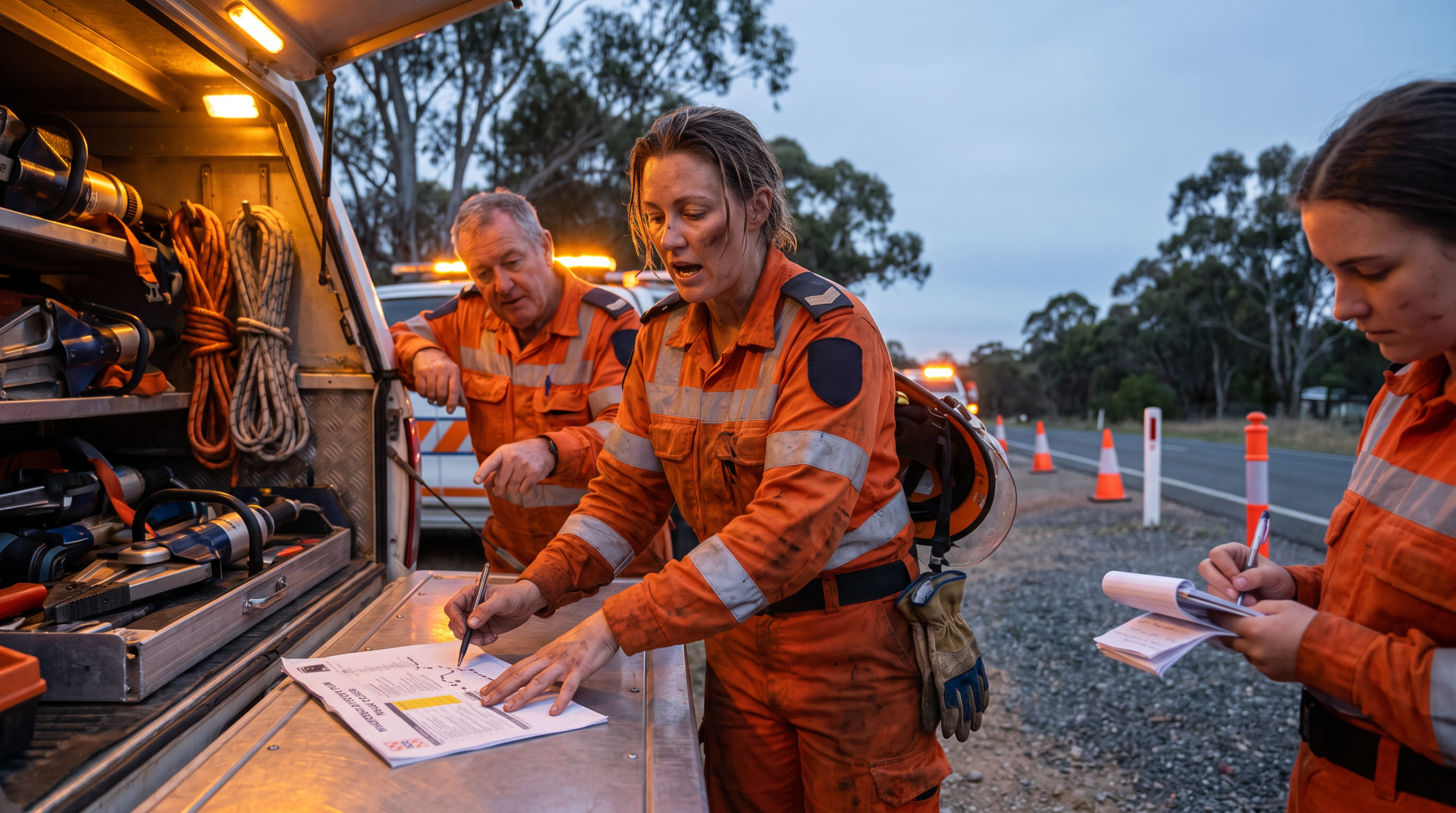
Emergency services personnel bring complementary skills in community engagement, emergency response, and working with diverse populations under challenging circumstances. Police, paramedics, and firefighters understand the importance of public safety and possess practical experience in de-escalation techniques and crisis intervention.
3CIR recognises the value of military and emergency services experience by offering a 25 percent discount on all qualifications for current and former defence and emergency services personnel. This discount applies to both traditional training pathways and RPL assessments, making professional development more accessible for those who have served their communities and country.
The veterans’ RPL pathway specifically acknowledges military experience in areas such as personnel management, security operations, training delivery, and administrative responsibilities. Many military occupational specialties translate directly to correctional practice competencies, enabling efficient qualification completion through RPL processes.
Claim Your 25% Veterans Discount – Start RPL Assessment
Frequently Asked Questions About Probation Officers
What is the difference between a probation officer and a parole officer in Australia?
In Australia, probation officers and parole officers often perform similar functions, with some jurisdictions using the terms interchangeably. Probation typically refers to supervision as an alternative to imprisonment, while parole involves supervision following release from prison.
How much do probation officers earn in Australia?
Probation officer salaries in Australia typically range from a competitive salary for entry-level positions, with senior officers and managers earning a competitive salary or more, depending on location, experience, and qualifications. You can start your free assessment to find out what qualifications match your experience.
What are the working conditions like for probation officers?
Probation officers work in office environments, community settings, courts, and clients’ homes. The role involves regular travel, potential exposure to confrontational situations, and requires maintaining professional boundaries whilst providing support and supervision.
Can ADF veterans become probation officers without additional study?
ADF veterans can leverage their military experience through RPL pathways to gain correctional practice qualifications. Many military skills transfer directly, though specific correctional training may be required depending on the role and jurisdiction.
What training do emergency services personnel need to become probation officers?
Emergency services personnel typically need to complete correctional practice qualifications such as the CSC40122 Certificate IV. Their existing skills in crisis management and community engagement provide excellent foundations for probation work.
How long does it take to become a qualified probation officer?
Traditional training pathways typically take 6-18 months, while RPL for experienced practitioners can be completed in 6-12 weeks. The timeframe depends on prior experience, chosen qualification level, and study method.
What ongoing training is required for probation officers?
Probation officers must complete regular professional development training on topics including risk assessment updates, legislative changes, new intervention programs, and safety procedures. Most jurisdictions require 20-40 hours annually.
Do probation officers carry firearms in Australia?
Most probation officers in Australia do not carry firearms during regular supervision duties. However, some specialised units or high-risk situations may involve armed officers, depending on jurisdiction policies and specific circumstances.
What is the job outlook for probation officers in Australia?
The job outlook for probation officers remains steady, with demand driven by criminal justice policy changes, prison population management, and increased focus on community-based corrections as alternatives to incarceration.
How do probation officers handle dangerous or non-compliant clients?
Probation officers follow strict safety protocols, work in teams when necessary, coordinate with police for high-risk situations, and use graduated sanctions for non-compliance, ranging from increased supervision to recommendation for sentence revocation.
Begin Your Correctional Practice Career Journey – Free RPL Assessment