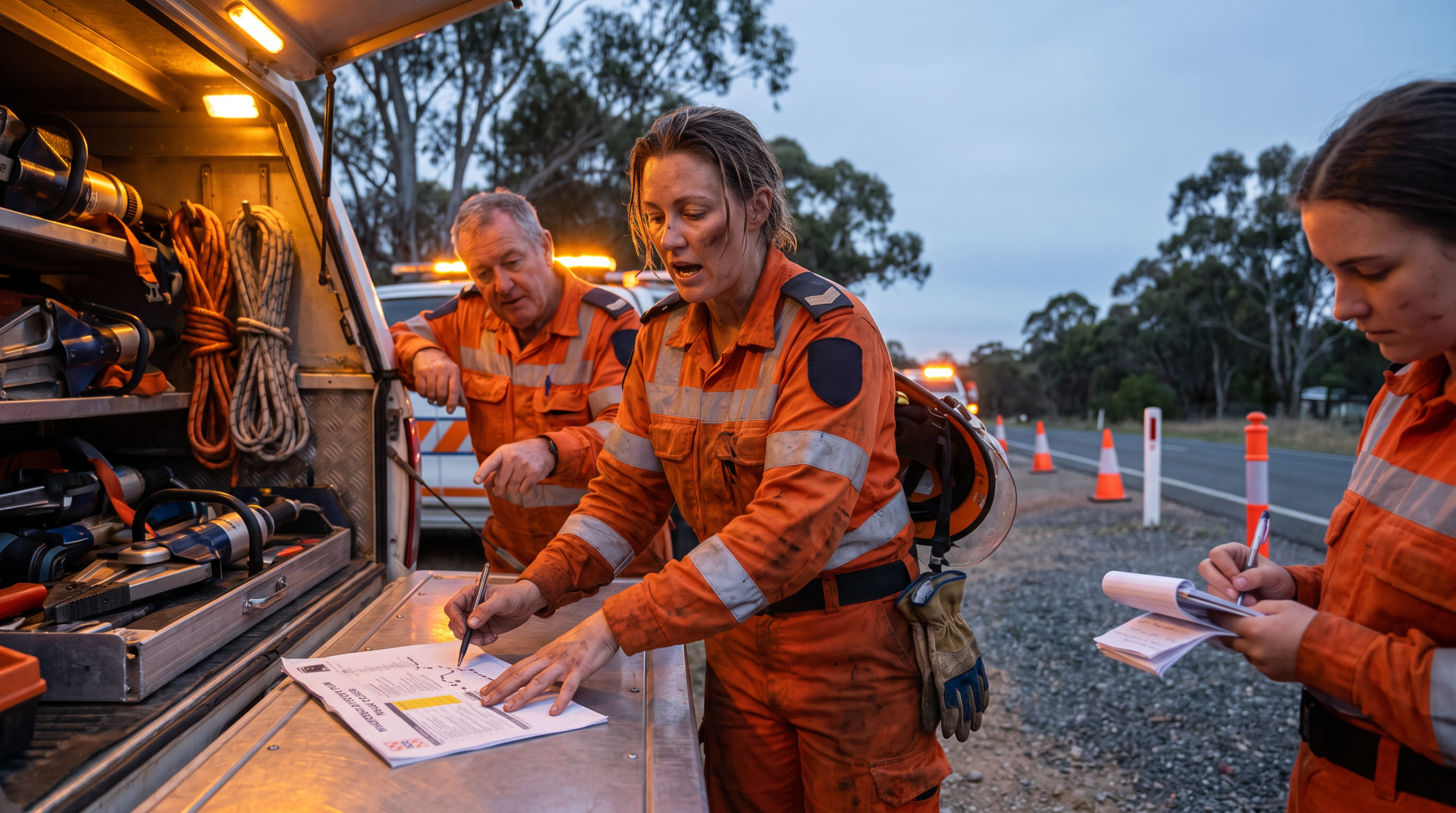

The Critical Importance of Workplace Health and Safety (WHS) on Job Sites
Workplace Health and Safety (WHS) is essential for preventing injuries and fatalities across Australian job sites. With 194 workplace fatalities and 120,355 serious compensation claims in 2021, proper WHS implementation saves lives and reduces costs significantly.
What is Workplace Health and Safety (WHS)?
Workplace Health and Safety (WHS) is a comprehensive framework of laws, regulations, policies, and practices designed to protect the health, safety, and welfare of all people at work. In Australia, WHS is governed by the Work Health and Safety Act 2011, which establishes a nationally consistent approach to workplace safety across all states and territories. The framework encompasses risk management, hazard identification, safety training, incident reporting, and the provision of safe work environments. WHS applies to all workers, including employees, contractors, volunteers, and visitors to workplaces. The primary duty of care lies with persons conducting a business or undertaking (PCBUs), who must ensure, so far as reasonably practicable, that workers and others are not exposed to health and safety risks. This includes providing adequate facilities, information, training, instruction, and supervision to maintain workplace safety standards.
Understanding the Current State of Australian Workplace Safety
Health and safety are crucial on job sites across Australia. Every year, there are fatalities and injuries across all areas of Australian industry. In 2021, there were 194 fatalities in total, representing a significant concern for workplace safety standards. Over the same period, there were also 120,355 serious workers’ compensation claims, with costs running into millions of dollars for businesses and the broader economy.
These statistics represent more than just numbers—they reflect real people with families, careers, and futures affected by workplace incidents. The financial impact extends beyond immediate medical costs to include lost productivity, rehabilitation expenses, legal fees, and increased insurance premiums. For workers, the consequences can include permanent disability, reduced earning capacity, and long-term health complications.
Despite these alarming figures, the Australian workplace is becoming safer. The overall death and injury rate has decreased by around 25% over the past ten years, which represents significant progress in workplace safety culture. Although the fact that people still are becoming injured and killed at work never causes celebration, this trend demonstrates that effective WHS measures can create meaningful change.
The encouraging changes to workplace statistics are primarily due to a shift in workplace culture. Workplace health and safety have become far more critical to the daily operation of work and are a significant factor in any industry’s organisation. Modern WHS training and qualifications have played a crucial role in this cultural transformation.
How Has Workplace Safety Culture Evolved in Recent Years?
The transformation of workplace safety culture represents one of the most significant changes in Australian industry over the past two decades. Whereas once there was often a negligent attitude towards using safety equipment, these days, workers expect to be kept safe by correct working practices and safety equipment and will likely refuse to work if these are not in place.
This cultural shift reflects several key factors: increased awareness of workers’ rights, stronger regulatory enforcement, better education about safety risks, and a growing recognition that safety and productivity go hand in hand. Modern workers understand that they have the right to a safe workplace and the responsibility to work safely.
Employers have also recognised that investing in comprehensive WHS programs delivers substantial returns through reduced insurance costs, lower staff turnover, improved productivity, and enhanced reputation. Companies with strong safety cultures often report higher employee satisfaction and better business outcomes overall.
The integration of technology has further enhanced workplace safety. Digital safety management systems, real-time monitoring equipment, and mobile safety apps enable better hazard identification, incident reporting, and safety communication across all levels of an organisation.
What Are the Available Health and Safety Courses and Career Opportunities?
Workplace health and safety is a rapidly growing industry in Australia. So, if you are looking for a new and rewarding career that helps people stay safe, taking a workplace health and safety course may be the opportunity you are looking for. The sector offers diverse career paths from safety officer positions to senior WHS management roles.
The Australian vocational education system offers numerous nationally recognised qualifications in workplace health and safety, ranging from Certificate III to Graduate Diploma levels. These qualifications are aligned with industry standards and provide the knowledge and skills needed for various WHS roles.
Popular WHS qualifications include Certificate IV in Work Health and Safety, Diploma of Work Health and Safety, and Advanced Diploma of Work Health and Safety. Each level builds on the previous, providing progressively more complex knowledge and responsibilities. Graduates can work as safety coordinators, WHS advisors, safety managers, or WHS consultants across various industries. Find out more about how to WHS qualifications through RPL.
The career prospects in WHS are excellent, with strong demand for qualified professionals across construction, manufacturing, healthcare, education, and government sectors. Business administration skills complement WHS knowledge, making professionals more versatile in their roles.
Why Do ADF and Emergency Services Personnel Excel in WHS Roles?
The good news is that if you have recently left the armed services or emergency services, you have the necessary skills, experience, and knowledge for WHS roles. Military and emergency services backgrounds provide exceptional preparation for workplace safety careers due to several key factors.
ADF personnel develop comprehensive risk assessment skills, crisis management capabilities, and leadership qualities that translate directly to civilian WHS roles. Their experience in high-risk environments, adherence to safety protocols, and ability to make critical decisions under pressure are highly valued in workplace safety positions.
Emergency services professionals bring practical incident response experience, emergency planning expertise, and strong communication skills. Their understanding of safety systems, regulatory compliance, and stakeholder management provides an excellent foundation for WHS careers.
Both groups demonstrate the discipline, attention to detail, and commitment to safety that are essential for effective WHS professionals. Their service background also provides credibility when working with diverse teams and implementing safety initiatives across different organisational levels.
Begin your WHS career transition today with our comprehensive RPL assessment designed specifically for ADF and emergency services personnel.
What Are the Key Components of Effective WHS Implementation?
Successful WHS implementation requires a systematic approach encompassing policy development, risk management, training, and continuous improvement. Organisations must establish clear safety policies that align with Australian regulatory requirements and industry best practices.
Risk management forms the foundation of effective WHS programs. This involves identifying potential hazards, assessing risks, implementing control measures, and regularly reviewing their effectiveness. The hierarchy of controls—elimination, substitution, engineering controls, administrative controls, and personal protective equipment—provides a structured approach to risk mitigation.
Regular safety training ensures all workers understand their responsibilities, recognise hazards, and know how to work safely. Training should be tailored to specific roles and regularly updated to reflect changing circumstances and new safety knowledge.
Incident reporting and investigation systems enable organisations to learn from near misses and accidents, identifying system failures and implementing improvements. This proactive approach helps prevent similar incidents and demonstrates commitment to continuous safety improvement.
How Does Technology Enhance Modern Workplace Safety?
Technology plays an increasingly important role in modern workplace safety, offering new tools and methods for hazard identification, risk assessment, and safety management. Digital safety management systems streamline incident reporting, training tracking, and compliance monitoring across multiple locations and teams.
Wearable technology, including smart helmets, safety vests with sensors, and personal monitoring devices, provides real-time data on worker location, environmental conditions, and potential safety risks. This technology enables immediate alerts when workers enter dangerous areas or face specific hazards. For more information, understanding Recognition of Prior Learning.
Virtual and augmented reality training systems offer immersive safety education experiences without exposing workers to actual risks. These technologies are particularly valuable for high-risk scenarios where traditional training methods may be impractical or dangerous.
Mobile applications facilitate better communication between workers and supervisors, enabling instant hazard reporting, safety alerts, and access to safety procedures and emergency contact information. This immediate connectivity enhances response times and improves overall safety coordination.
Recognition of Prior Learning (RPL) for WHS Qualifications
If you have existing experience in workplace safety through military service, emergency services, or industry experience, you can apply via Recognition of Prior Learning (RPL), so you won’t need to waste time learning what you already know. RPL is a formal assessment process that recognises the skills and knowledge you’ve gained through work experience, training, or life experience.
The RPL process for WHS qualifications involves submitting a comprehensive portfolio demonstrating your existing competencies against the required learning outcomes. This may include work samples, references from supervisors, training certificates, and detailed descriptions of your experience in safety-related roles.
RPL offers significant advantages for experienced professionals, including faster qualification completion, reduced study time, lower costs, and recognition of valuable experience. Many ADF and emergency services personnel find they can achieve advanced WHS qualifications through RPL in significantly less time than traditional study pathways.
Our experienced RPL assessors understand the unique experience that military and emergency services personnel bring to workplace safety roles. We work closely with applicants to identify relevant experience and guide them through the assessment process.
The RPL assessment covers practical safety skills, theoretical knowledge, leadership capabilities, and communication competencies. Successful candidates receive the same nationally recognised qualification as those completing traditional training programs, ensuring full industry recognition and career advancement opportunities.
Special Benefits for Veterans and Emergency Services Personnel
3CIR recognises the valuable contribution of defence and emergency services personnel to Australian workplace safety. We offer a 25% discount on all training and RPL services for current and former ADF members and emergency services personnel, acknowledging their service and facilitating their transition to civilian careers.
This discount applies to all WHS qualifications, from Certificate III through to Advanced Diploma levels. The reduced cost makes professional development more accessible and recognises the financial challenges often faced during career transitions.
Beyond financial benefits, veterans and emergency services personnel receive additional support including personalised career guidance, mentoring from industry professionals, and assistance with job placement. Our team understands the unique challenges of transitioning from service to civilian careers and provides comprehensive support throughout the qualification process.
We maintain strong relationships with employers who specifically value the skills and experience that veterans bring to workplace safety roles. This network helps facilitate employment opportunities for our graduates and supports successful career transitions.
Take advantage of your veteran status and start your RPL assessment with our exclusive 25% discount. You can start your free assessment to find out what qualifications match your experience.
Frequently Asked Questions About Workplace Health and Safety
What qualifications do I need to work in workplace health and safety?
Entry-level WHS positions typically require a Certificate IV in Work Health and Safety, while management roles often need Diploma or Advanced Diploma qualifications. Many employers also value relevant experience in safety-related fields.
How long does it take to complete WHS training through RPL?
RPL timeframes vary based on your experience and the qualification level sought. Most applicants complete the RPL process within 4-8 weeks, significantly faster than traditional training programs which may take 6-18 months.
What career opportunities are available in workplace health and safety?
WHS careers include safety officer, WHS advisor, safety coordinator, safety manager, WHS consultant, and safety trainer positions across construction, manufacturing, healthcare, mining, and government sectors with excellent growth prospects.
Can ADF personnel use their military experience for WHS qualifications?
Yes, ADF personnel possess extensive safety experience, risk management skills, and leadership abilities that directly translate to civilian WHS roles. Many military competencies align with WHS qualification requirements through RPL.
Do emergency services workers qualify for WHS RPL assessments?
Absolutely. Emergency services personnel bring valuable incident management, safety protocols, crisis response, and communication skills that are highly relevant to workplace health and safety qualifications and can be recognised through RPL.
What documents do I need for a WHS RPL application?
RPL applications typically require work references, training certificates, detailed job descriptions, examples of safety-related work, and a comprehensive portfolio demonstrating your competencies against qualification requirements.
Is there ongoing support after completing WHS qualifications?
Yes, 3CIR provides career guidance, industry networking opportunities, continuing professional development options, and assistance with job placement to support your ongoing career success in workplace safety.
What industries have the highest demand for WHS professionals?
Construction, mining, manufacturing, healthcare, education, and government sectors show strong demand for qualified WHS professionals, with particular growth in renewable energy, infrastructure development, and aged care sectors.
How much can I earn in a workplace health and safety career?
Entry-level WHS positions typically start around a competitive salary, with experienced professionals earning a competitive salary+. Senior management roles and consultancy positions can exceed a competitive salary depending on industry and location.
Are WHS qualifications recognised across all Australian states and territories?
Yes, nationally recognised WHS qualifications are valid across all Australian states and territories under the Australian Qualifications Framework, ensuring career mobility and consistent professional standards nationwide.
Ready to advance your career in workplace health and safety? Complete our comprehensive RPL assessment today and discover how your existing experience can fast-track your WHS qualification. Our expert team is ready to support your career transition with personalised guidance and Australia’s most comprehensive WHS training programs.