
How Project Management Skills Transform Every Aspect of Your Life
AI Summary: Project management skills extend far beyond professional environments, helping you stay organised, disciplined, and efficient in personal life through strategic planning, coordination, and goal achievement.
What is Project Management?
Project management is the systematic application of knowledge, skills, tools and techniques to plan, execute, monitor and control projects to achieve specific objectives within defined constraints. In the Australian VET sector, project delivery qualifications are regulated by ASQA and align with AQF standards. The discipline encompasses five key process groups: initiation, planning, execution, monitoring and controlling, and closing. Project managers utilise methodologies such as Agile, Waterfall, and PRINCE2 to deliver successful outcomes. Beyond professional applications, these structured approaches to managing resources, timelines, and stakeholders provide invaluable life skills that enhance personal productivity, relationship management, and goal achievement across all life domains.
Why Project delivery Skills Matter Beyond the Workplace
Project coordination is not only a professional skill that allows you to progress in your career and climb up the professional hierarchy, but it is also equally valuable for other, more personal parts of your life. Project management manages tasks, people, responsibilities, and goals. That is how we navigate life, so these skills seamlessly transfer and help make our lives easier.
If you want to learn more about the benefits of managing projects that will affect your overall life, then keep reading below as we list them down in detail. These competencies form the foundation of effective living, providing you with the tools to manage complexity and achieve your personal objectives.
Assess Your Project coordination Experience Today
How Do Project delivery Skills Help You Stay Organised?
The biggest benefit of project management skills is that they help you stay organised. You can efficiently manage multiple tasks and responsibilities and implement various project coordination strategies to complete daily tasks in a timely and proper manner.
Managing projects skills allow you to keep track of everything you need to do and plan your days accordingly. You can prioritise and make time for different things that don’t just revolve around your work. Whether you’re managing household responsibilities, coordinating family activities, or pursuing personal goals, the systematic approach of managing projects ensures nothing falls through the cracks.
These organisational skills become particularly valuable when juggling multiple priorities simultaneously. By applying work breakdown structures to personal projects, you can break complex goals into manageable tasks, assign realistic timeframes, and monitor progress effectively.
What Role Does Discipline Play in Project Management Success?
Discipline is one of the most important skills you can have. When your life plan accounts for all responsibilities and goals, it’s easier to stay on track with everything in order from morning until nightfall! Simply having a planner will help keep things organised so that there isn’t any confusion during busy times at work or school when deadlines loom overhead—even if only by writing down what needs to be done when they arise instead of thinking about how much time has passed since last doing something else.
The disciplined approach inherent in project delivery methodology creates sustainable habits that support long-term success. By establishing clear processes, maintaining consistent documentation, and following through on commitments, you develop the reliability and accountability that characterise effective leaders and successful individuals.
How Does Project delivery Improve Coordination and Planning Abilities?
Another excellent benefit of project coordination is that it teaches you how to coordinate with several people to plan something efficiently. Planning, prioritising, and coordinating are essential life skills that extend far beyond professional project delivery. Find out more about how to project management RPL qualifications.
These coordination skills prove invaluable when organising family events, community activities, or personal milestones. The stakeholder management techniques you learn in managing projects translate directly to managing relationships with family members, friends, and community groups. You’ll find yourself naturally facilitating discussions, mediating conflicts, and ensuring everyone remains aligned with shared objectives.
Furthermore, the planning methodologies used in project coordination—such as creating project charters, defining scope, and establishing communication protocols—can improve how you approach major life decisions like relocating, renovating your home, or planning significant celebrations.
Why Are Communication Skills Central to Project delivery Success?
Effective communication forms the backbone of successful project management, and these skills directly enhance your personal relationships and daily interactions. Project managers learn to tailor their communication style to different audiences, manage difficult conversations, and facilitate productive meetings—all skills that improve family dynamics, friendships, and community involvement.
The structured communication approaches used in project coordination, including regular check-ins, progress reports, and stakeholder updates, can be adapted to maintain better connections with loved ones. You’ll find yourself more capable of expressing expectations clearly, providing constructive feedback, and resolving conflicts through collaborative problem-solving.
Additionally, the documentation skills developed through managing projects ensure important information doesn’t get lost or miscommunicated. Whether you’re coordinating care for elderly parents, organising school activities, or managing household finances, clear communication protocols prevent misunderstandings and ensure everyone stays informed.
How Does Risk Management Apply to Personal Life Decisions?
Managing projects’s emphasis on risk identification, assessment, and mitigation provides valuable frameworks for making informed personal decisions. These skills help you evaluate potential outcomes, prepare contingency plans, and make calculated decisions about career changes, investments, and major life transitions.
The risk management techniques learned in project management—such as conducting SWOT analyses, creating risk registers, and developing response strategies—can be applied to personal financial planning, career development, and family decision-making. You’ll become more adept at anticipating challenges and preparing appropriate responses.
This proactive approach to uncertainty reduces stress and increases confidence in your decision-making abilities. Whether you’re considering a career change, planning for retirement, or navigating health challenges, project delivery risk assessment tools provide structured approaches to complex personal decisions.
Recognition of Prior Learning (RPL) for Project delivery
If you’ve been applying project coordination principles in your work or personal life, you may already possess the competencies required for formal qualification. RPL assessment recognises your existing skills and experience, potentially allowing you to gain nationally recognised qualifications without completing traditional coursework.
The RPL process evaluates your current capabilities against the training.gov.au standards for project management qualifications. This assessment considers your practical experience managing projects, leading teams, and delivering outcomes in various contexts.
Common evidence for managing projects RPL includes project documentation, performance reviews, testimonials from colleagues or clients, and examples of successful project delivery. The assessment process recognises that learning occurs through experience, not just formal education. For more information, learn how RPL works.
Start Your RPL Assessment Process
Special Benefits for Veterans and Emergency Services Personnel
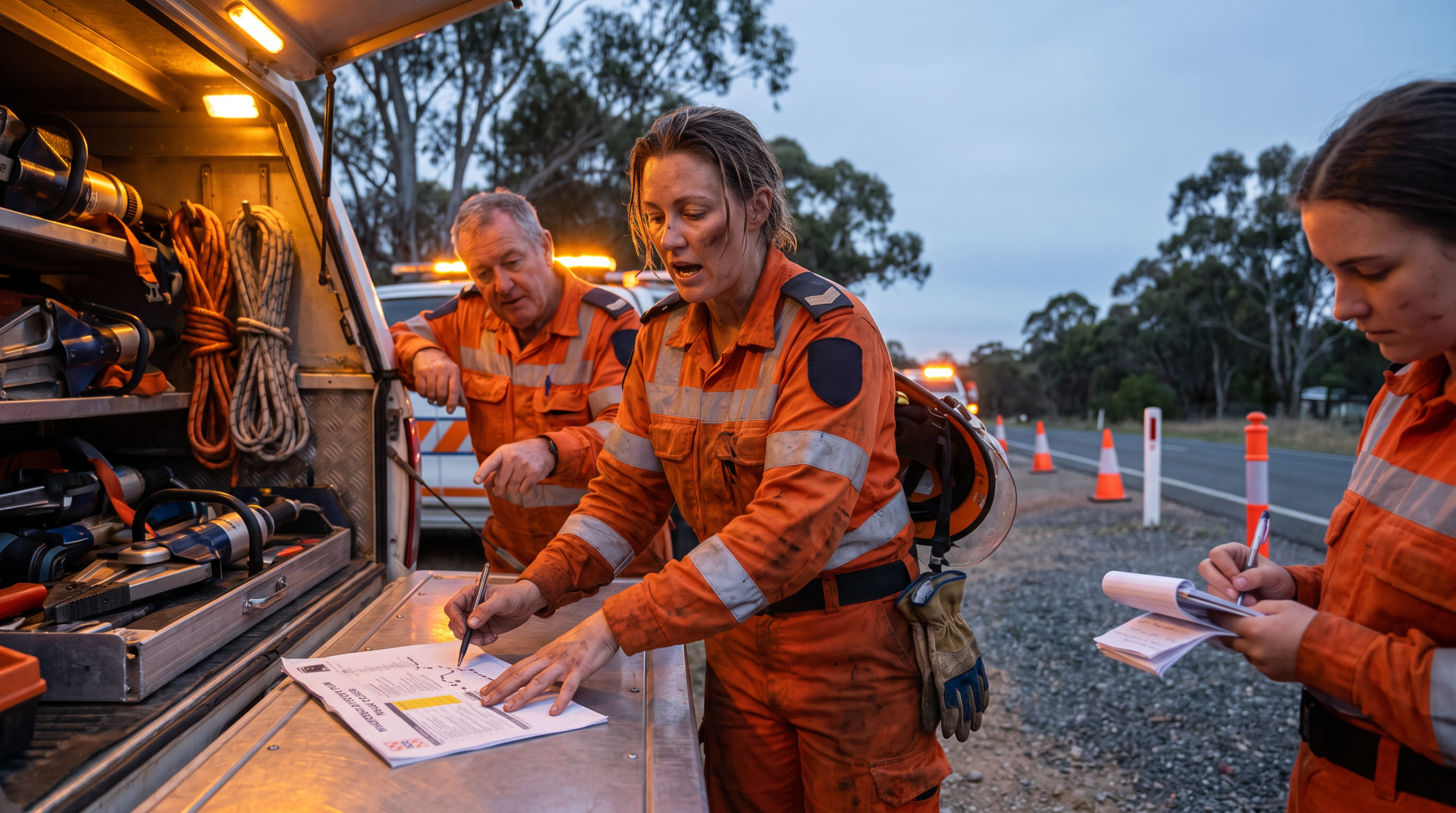
Current and former ADF personnel and emergency services workers bring unique project coordination experience to civilian contexts. Military and emergency service environments naturally develop project delivery competencies through mission planning, resource allocation, team leadership, and operational execution under pressure.
At 3CIR, we recognise this valuable experience and offer a 25% discount on all qualifications for current and former defence and emergency services personnel. This recognition acknowledges the transferable skills you’ve developed through service and the value these competencies bring to civilian project management roles.
Military project coordination experience often includes complex logistics coordination, multi-agency collaboration, and high-stakes decision-making—all directly relevant to civilian managing projects contexts. Emergency services personnel similarly develop skills in incident management, resource coordination, and stakeholder communication under challenging conditions.
The structured approach to planning, execution, and review common in military and emergency services operations aligns closely with formal managing projects methodologies. Your experience in these environments provides a solid foundation for advancing your project management career in civilian sectors.
Learn more about our veterans’ services and qualifications designed specifically for defence and emergency services personnel transitioning to civilian careers.
Frequently Asked Questions About Project delivery Skills
What are the core project delivery skills everyone should develop?
The essential project coordination skills include planning and scheduling, risk management, communication, leadership, problem-solving, and stakeholder management. These competencies help you organise tasks, manage resources, and achieve goals effectively in both professional and personal contexts.
How can project management skills improve family life organisation?
Managing projects techniques help you coordinate family schedules, manage household budgets, plan events, and achieve family goals through structured planning, clear communication, and systematic follow-through. These skills reduce stress and improve family cooperation.
Can ADF personnel use military experience for project coordination qualifications?
Yes, ADF personnel possess valuable project delivery experience through mission planning, logistics coordination, and team leadership. RPL assessment can recognise this experience for formal qualifications, and 3CIR offers 25% discount for all defence personnel.
What project management qualifications are available through RPL assessment?
RPL assessment can lead to various project coordination qualifications from Certificate IV to Advanced Diploma levels, depending on your experience and competency demonstration. The assessment evaluates your practical skills against national training standards. You can check your RPL eligibility to find out what qualifications match your experience.
How do emergency services personnel benefit from managing projects training?
Emergency services workers already apply managing projects principles in incident response, resource coordination, and multi-agency operations. Formal qualification recognises these skills and supports career transition to civilian project management roles with 25% discount available.
Which project delivery methodologies are most useful for personal applications?
Agile methodology suits personal projects requiring flexibility, while traditional waterfall approaches work well for structured personal goals like home renovations. Lean principles help eliminate waste in daily activities and improve personal productivity.
How long does RPL assessment take for project delivery qualifications?
RPL assessment timeframes vary depending on qualification level and evidence complexity, typically ranging from 4-12 weeks. The process involves evidence submission, competency mapping, and possible interviews or practical demonstrations.
What evidence is required for project coordination RPL assessment?
Evidence may include project documentation, work samples, performance reviews, client testimonials, training certificates, and detailed descriptions of projects you’ve managed. The evidence must demonstrate competency against relevant training package standards.
How do project management skills enhance career prospects?
Managing projects skills are highly valued across industries, improving leadership capabilities, strategic thinking, and execution effectiveness. These competencies often lead to promotion opportunities and increased earning potential in various professional contexts.
Can project coordination principles help with personal financial planning?
Absolutely, project delivery techniques support personal financial planning through goal setting, timeline management, risk assessment, and progress monitoring. These skills help you achieve financial objectives systematically and manage money more effectively.
Ready to change your life through enhanced project management capabilities? Whether you’re seeking formal recognition of existing skills or developing new competencies, 3CIR provides the pathways to success.
Begin Your Project coordination Journey Today
Explore our comprehensive managing projects resources and qualifications:
- Leadership: https://youtu.be/7k57ygLXncA
- HR: https://youtu.be/jLUKTpqOOfU
- WHS: https://youtu.be/6QHTzXlE5C0
- Security: https://youtu.be/d20nwpEot8Q
- Business: https://youtu.be/8P_VySE0zjQ
- Marketing: https://youtu.be/VdQxJKmgZfs
- Government: https://youtu.be/PV_knsJnb5E
- Managing projects: https://youtu.be/kz7CyEsRNyg