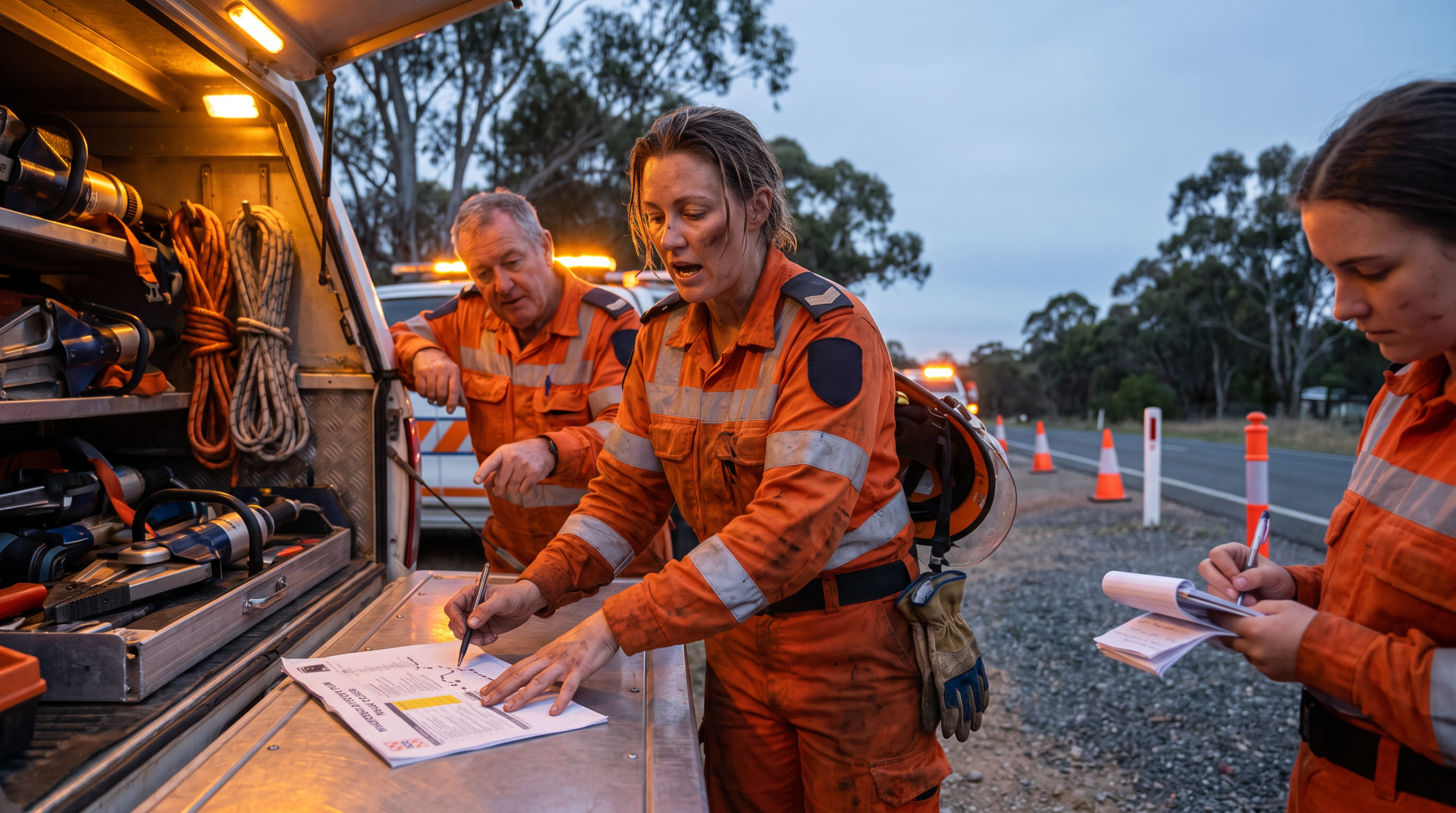

How RPL Can Assist Ex-Military Personnel Transition to Civilian Careers
Recognition of Prior Learning (RPL) Definition
Recognition of Prior Learning (RPL) is a formal assessment process within Australia’s Vocational Education and Training (VET) system that evaluates an individual’s existing skills, knowledge and experience against nationally recognised qualification standards. Administered through Registered Training Organisations (RTOs) under Australian Skills Quality Authority (ASQA) oversight, RPL enables individuals to gain formal qualifications without completing traditional coursework. The process involves comprehensive evidence compilation, skills gap analysis, and competency-based assessment aligned with Australian Qualifications Framework (AQF) standards. For ex-military personnel, RPL provides a pathway to translate specialised defence experience into civilian qualifications, recognising transferable skills developed through military service across leadership, logistics, security, project management and technical domains.
Understanding Military to Civilian Skills Translation
After serving in the Army, Navy, Airforce or emergency services, transitioning to a civilian career can be intimidating. Thankfully, there are ways to make the transition easier. One such way is the Recognition of Prior Learning (RPL) process, covering Army RPL, Navy RPL, Air Force RPL and Emergency Services RPL.
When matching military experience to civilian qualifications, it is vital to recall that qualifications have levels, the same way that ranks do in the military. Each new level/rank demonstrates progression through a set framework and competence in completing tasks proficiently. Each new level/rank develops existing skills and abilities and teaches you new ones. Your responsibility also increases with each new level/rank.
This comparison between civilian qualifications and military rank makes it easier to see what skills transfer from the military to a formal qualification. The Australian Defence Force develops personnel through structured training programs that directly correlate with civilian industry standards, particularly in areas such as leadership, risk management, and technical competencies.
Start Your RPL Assessment Today
What Military Skills Transfer to Civilian Qualifications?
So, what does transfer? The evidence you provide to the RTO should demonstrate that your skills match what is required for each qualification and that you have achieved a high level of knowledge and understanding of industry-specific topics.
It’s important because, without this information, we won’t be able to become certified in any field! Over time, through your military career, you will have developed and increased your knowledge base as you develop and specialise in specific skills.
Military personnel develop extensive competencies in:
- Leadership and team management across diverse operational environments
- Risk assessment and workplace health and safety protocols
- Project management and logistical coordination
- Security operations and threat assessment
- Training delivery and competency development
- Quality assurance and compliance management
- Emergency response and crisis management
- Technical maintenance and equipment operation
The RPL process matches your knowledge and skill base to a qualification level, ensuring your military experience receives appropriate recognition within Australia’s vocational education framework.
How Does the Australian Qualifications Framework Apply to Military Experience?
Using civilian terms, qualifications start at Certificate II. This is the equivalent of someone with basic skills and knowledge in a specific area. The Australian Qualifications Framework provides ten levels of qualifications, from Certificate I through to Doctoral Degree.
Most ex-military personnel possess experience equivalent to Certificate III, Certificate IV, or Diploma levels, depending on their rank, specialisation, and length of service. Senior Non-Commissioned Officers and Commissioned Officers often demonstrate competencies aligning with Advanced Diploma or even Bachelor’s degree level qualifications.
The systematic nature of military training ensures personnel develop both theoretical knowledge and practical application skills, meeting the dual requirements of Australian vocational qualifications. Your military training records, performance evaluations, and operational experience provide substantial evidence for RPL assessment. Find out more about how to RPL for military personnel.
What Evidence Do You Need for Military RPL Assessment?
Successful RPL applications require comprehensive evidence demonstrating competency across all qualification requirements. Military personnel typically possess extensive documentation supporting their skills and experience:
- Military training certificates and course completion records
- Performance evaluation reports and commendations
- Job descriptions and role specifications
- Operational deployment records and project involvement
- Leadership positions held and team management experience
- Technical qualifications and equipment certifications
- Training delivery records and instructional experience
- Workplace assessments and competency sign-offs
The training.gov.au website provides detailed unit requirements for all nationally recognised qualifications, helping you identify which military experiences align with specific competency standards.
Which Qualifications Are Most Suitable for Ex-Military Personnel?
Ex-military personnel often qualify for certifications in multiple industry sectors, reflecting the diverse skill development inherent in military service. Popular qualification pathways include:
- Leadership and Management: Certificate IV and Diploma levels in Leadership and Management
- Human Resources: Certificate IV in Human Resources, utilising personnel management experience
- Workplace Health and Safety: Certificate IV and Diploma in WHS, drawing on military safety protocols
- Security Operations: Certificate II, III, and IV in Security Operations
- Project Management: Certificate IV and Diploma in Project Management
- Business Administration: Certificate III and IV in Business Administration
- Training and Assessment: Certificate IV in Training and Assessment (TAE)
- Government: Certificate IV and Diploma in Government
Your specific military occupation and experience will determine which qualifications provide the best career advancement opportunities in your chosen civilian sector.
Get Your Qualification Recommendations
Understanding the RPL Assessment Process
Recognition of Prior Learning provides a streamlined pathway for ex-military personnel to gain formal qualifications without repeating training they’ve already mastered through military service. The RPL process involves several key stages designed to comprehensively assess your existing competencies.
Initial consultation determines which qualifications align with your military background and career objectives. This involves reviewing your service record, identifying transferable skills, and mapping these against qualification requirements. The assessment process then requires you to compile evidence demonstrating competency in all required areas.
Professional RPL assessors evaluate your evidence against national competency standards, identifying any skills gaps requiring additional training. Where gaps exist, targeted training programs can address these specific areas without requiring full qualification completion.
The entire process typically takes 4-12 weeks, depending on qualification complexity and evidence availability. This timeline represents significant time savings compared to traditional training pathways, which may require 6-24 months for equivalent qualifications.
Upon successful assessment, you receive nationally recognised qualifications that employers immediately understand and value. These credentials provide concrete evidence of your capabilities, translating military experience into civilian-recognised competencies.
RPL Benefits for Career Transition Success
RPL offers numerous advantages for ex-military personnel navigating civilian career transitions. Formal qualifications provide credible evidence of your capabilities, addressing potential employer concerns about translating military experience to civilian contexts. For more information, RPL for ADF veterans.
Time efficiency represents a crucial benefit, enabling you to gain qualifications within months rather than years. This accelerated pathway facilitates faster career progression and income generation following military discharge.
Cost effectiveness makes RPL particularly attractive, as assessment fees typically represent a fraction of full training program costs. This financial advantage proves especially valuable during career transition periods when income may be limited.
Skills validation provides personal confidence benefits, formally recognising the expertise you’ve developed through military service. This recognition often proves psychologically valuable during the challenging transition from military to civilian employment.
Multiple qualification opportunities enable you to leverage diverse military experiences across various industry sectors. This flexibility provides career options and reduces dependence on single industry employment opportunities.
Veterans Discount and Special Support Services
3CIR proudly supports Australia’s veterans and emergency services personnel with a 25% discount on all RPL assessments and training services. This discount recognises your service commitment and helps offset career transition costs during this important life phase.
Our veteran support services include:
- Priority processing for RPL applications
- Dedicated veteran liaison officers understanding military culture and terminology
- Flexible payment options accommodating transition financial circumstances
- Career guidance services linking qualifications to employment opportunities
- Ongoing support throughout the assessment process
- Connection to veteran employment networks and industry contacts
The 25% discount applies to current and former Australian Defence Force personnel across all services (Army, Navy, Air Force) and emergency services personnel including police, fire, ambulance, and State Emergency Service volunteers.
To access your veteran discount, simply mention your service background when initiating your RPL assessment. Our team will guide you through eligibility verification and discount application processes.
Claim Your 25% Veteran Discount
Frequently Asked Questions About Military RPL
What is Recognition of Prior Learning for military personnel?
RPL for military personnel is a formal assessment process that recognises the skills, knowledge, and experience gained during military service and converts these into nationally recognised civilian qualifications. This enables veterans to gain formal credentials without completing traditional coursework, facilitating career transition into civilian employment sectors.
How long does the military RPL assessment process take?
The military RPL assessment typically takes 4-12 weeks from application submission to qualification issuance. Timeline variations depend on qualification complexity, evidence compilation time, and assessor availability. Most straightforward assessments for Certificate III or IV qualifications complete within 6-8 weeks of evidence submission. You can get a free skills assessment to find out what qualifications match your experience.
What qualifications can ADF personnel obtain through RPL?
ADF personnel commonly qualify for Certificate III and IV level qualifications in Leadership and Management, Workplace Health and Safety, Security Operations, Project Management, Business Administration, Human Resources, Training and Assessment, and Government sectors. Senior personnel may qualify for Diploma-level qualifications based on their experience and responsibilities.
What evidence do I need for emergency services RPL assessment?
Emergency services personnel need training certificates, performance evaluations, incident reports, leadership documentation, equipment certifications, operational procedures knowledge, and workplace assessment records. Evidence should demonstrate both theoretical knowledge and practical application of skills across emergency response, risk management, and public safety domains.
Can I use military experience for multiple different qualifications?
Yes, military experience often applies to multiple qualification pathways simultaneously. Your diverse military training typically covers leadership, safety, administration, and technical skills, enabling assessment for qualifications across several industry sectors. This provides career flexibility and multiple credential options from single service experience.
What happens if I don’t have enough evidence for full qualification?
If evidence gaps exist, you’ll receive detailed feedback identifying specific competencies requiring additional evidence or training. Targeted gap training addresses only missing components rather than requiring full qualification completion. This approach maintains time and cost efficiencies while ensuring complete competency coverage.
Are RPL qualifications recognised by employers Australia-wide?
Yes, RPL qualifications are nationally recognised credentials identical to those obtained through traditional training pathways. ASQA regulation ensures qualification standards remain consistent regardless of assessment method. Employers recognise these qualifications equally with traditional training-based credentials across all Australian states and territories.
How much does military RPL cost compared to traditional training?
Military RPL typically costs 30-50% less than equivalent traditional training programs, with 3CIR offering an additional 25% discount for current and former defence personnel. Assessment fees range from $800-2500 depending on qualification level, compared to $3000-8000 for full training programs.
Can I complete RPL assessment while still serving in the ADF?
Yes, you can complete RPL assessment while actively serving, provided you have sufficient experience and evidence to demonstrate required competencies. This enables qualification acquisition before discharge, facilitating smoother career transition. Many personnel complete RPL during their final service year to prepare for civilian employment.
What support is available for veterans during the RPL process?
3CIR provides dedicated veteran support including priority processing, veteran liaison officers, flexible payment options, career guidance services, and connections to veteran employment networks. The 25% veteran discount applies to all current and former defence and emergency services personnel, recognising your service contribution.
Video Resources for Military RPL Qualifications
Explore these qualification areas commonly suitable for ex-military personnel:
- Leadership and Management: https://youtu.be/7k57ygLXncA
- Human Resources: https://youtu.be/jLUKTpqOOfU
- Workplace Health and Safety: https://youtu.be/6QHTzXlE5C0
- Security Operations: https://youtu.be/d20nwpEot8Q
- Business Administration: https://youtu.be/8P_VySE0zjQ
- Marketing: https://youtu.be/VdQxJKmgZfs
- Government: https://youtu.be/PV_knsJnb5E
- Project Management: https://youtu.be/kz7CyEsRNyg
Ready to Transform Your Military Experience into Recognised Qualifications?
Take advantage of our 25% veteran discount and fast-track your civilian career with nationally recognised qualifications through RPL assessment.