Future Proofing Your Career Through Strategic Upskilling and Professional Development
What is Professional Upskilling?
Professional upskilling refers to the process of learning new skills or enhancing existing competencies to advance career prospects and maintain relevance in evolving industries. This practice encompasses formal training, Recognition of Prior Learning (RPL), vocational education and training (VET) qualifications, and continuous professional development. Upskilling helps individuals adapt to technological changes, industry demands, and organisational requirements whilst improving job security and career advancement opportunities. In Australia’s VET sector, upskilling is facilitated through Registered Training Organisations (RTOs) that deliver Australian Qualifications Framework (AQF) compliant training packages, enabling professionals to gain nationally recognised credentials that validate their expertise and enhance their market value.
Why Companies Invest Heavily in Employee Development
In the corporate world, where competition among hundreds of companies is cutthroat, almost every corporation is investing in providing their employees free training to upskill their current talents. Companies understand that a skilled workforce directly correlates with competitive advantage and business success.
A lot of companies have been spending thousands of dollars to pay for a single employee’s training. This supplementary expense is viewed as an investment with the expectation of a very high return, given the fact that it includes human resources. Forward-thinking organisations recognise that investing in employee development creates a more capable, loyal, and productive workforce.
The return on investment for employee training extends beyond immediate skill acquisition. Companies benefit from improved efficiency, reduced turnover costs, enhanced innovation, and stronger customer satisfaction. When employees feel valued through professional development opportunities, they demonstrate higher engagement levels and commitment to organisational goals.
Individual Responsibility in Career Development
Colleagues who are committed to self-improvement take the initiative of investing a portion of their salaries in order to invest more time and money into furthering themselves. Personal responsibility for career development has become increasingly important as traditional job security models evolve.
For those without enough financial resources, it pays off by checking whether there is any kind of educational programmes provided through government grants or loans which can help them achieve personal goals. Australia offers various funding options including VET Student Loans and employer-sponsored training that make professional development accessible.
Such effort is known to maintain an employee’s present position and hopefully qualify for a promotion. Such occurrence is quite common when there are not enough opportunities offered by companies to improve. Proactive individuals who pursue external training often position themselves for advancement opportunities that might otherwise remain unavailable.
How Can You Become Indispensable in Your Role?
Assuming that not every position has the security of tenure, this means that any employee that is considered replaceable is living on the edge of their seats. One wrong move could break everything for them. The modern workplace requires adaptability and continuous skill enhancement to maintain relevance.
Therefore, they aspire to make themselves indispensable in order to increase their value in the company. Once the company has realised that an employee is far too much of an asset, then it will retain such an employee. The key lies in developing skills that are both valuable and difficult to replace. Find out more about how to qualifications you can achieve through RPL.
So, the question at hand is how to become an asset to the company in order to feel secure with your job. A lot of employees have understood that gaining a variety of skills shows how eager they are to be able to contribute to the success of the company.
What Skills Should You Focus on Developing?
By choosing to upskill current abilities, an employee demonstrates commitment to excellence and adaptability. The most valuable skills combine technical expertise with soft skills that enhance collaboration and leadership capabilities.
Digital literacy remains crucial across all industries, from basic computer proficiency to advanced data analysis and automation tools. Information technology qualifications provide foundational knowledge for navigating technological workplace changes.
Leadership and management skills become increasingly important as careers progress. Developing capabilities in team management, strategic thinking, and project coordination positions professionals for advancement opportunities. Leadership and management training builds these essential competencies.
Industry-specific certifications ensure professionals maintain current knowledge of regulatory requirements, safety standards, and best practices. For example, workplace health and safety qualifications are valuable across multiple sectors.
Why Recognition of Prior Learning Accelerates Career Growth
Recognition of Prior Learning (RPL) offers a strategic pathway for experienced professionals to gain formal qualifications without repeating training they’ve already mastered through work experience. This VET process assesses existing skills and knowledge against national training standards, allowing individuals to receive credit for their expertise.
RPL is particularly valuable for professionals who have developed skills through practical experience but lack formal credentials. The process involves compiling evidence of competency, including work samples, testimonials, and documentation of achievements. ASQA standards ensure RPL assessments maintain rigorous quality standards.
Through RPL, professionals can obtain nationally recognised qualifications more efficiently than traditional training pathways. This approach saves time and money whilst providing credentials that employers value. The process validates existing expertise and identifies gaps where additional training might benefit career development.
Successful RPL candidates often report increased confidence in their abilities and improved career prospects. Employers recognise formal qualifications as evidence of competency, making RPL graduates competitive candidates for promotions and new opportunities.
Start Your RPL Assessment For more information, learn how RPL works.
Career Benefits for Veterans and Emergency Services Personnel
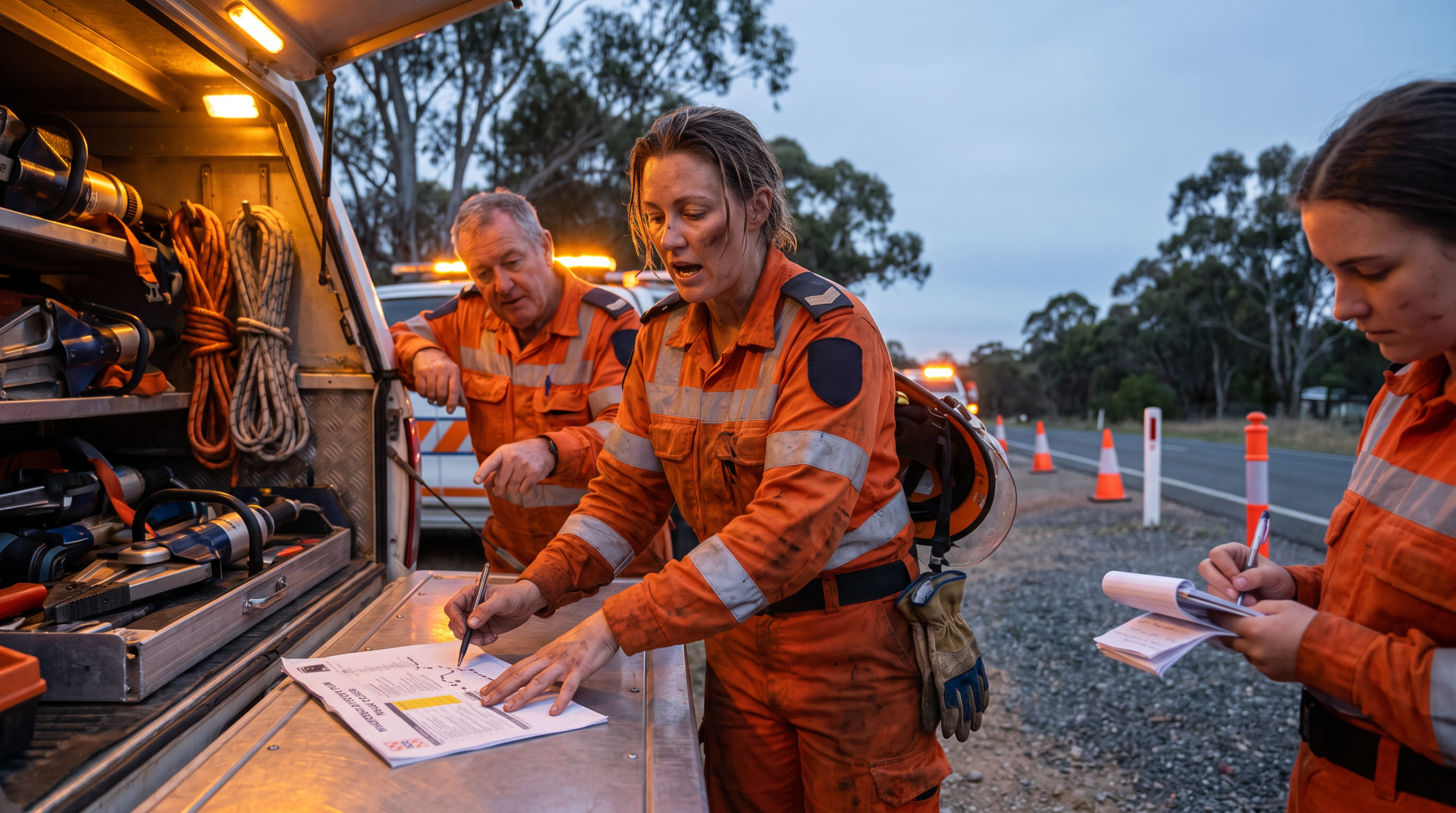
Current and former Australian Defence Force (ADF) and emergency services personnel possess unique skills developed through rigorous training and operational experience. These professionals often have extensive practical knowledge that translates well to civilian careers but may lack formal civilian qualifications.
Military and emergency services training emphasises leadership, problem-solving, teamwork, and performance under pressure – all highly valued in civilian workplaces. However, translating these skills into recognised civilian credentials requires strategic planning and appropriate qualifications.
Veteran transition programmes help military personnel identify transferable skills and pursue relevant civilian qualifications. Emergency services professionals similarly benefit from formal recognition of their expertise through appropriate VET pathways.
3CIR recognises the valuable contribution of defence and emergency services personnel by offering a 25% discount on all courses for current and former members. This commitment supports career transition and professional development for those who have served their communities.
The discount applies to all AQF qualifications delivered by 3CIR, including business, leadership, project management, and specialist industry programmes. Veterans can access comprehensive support throughout their learning journey, ensuring successful outcomes and career advancement.
Frequently Asked Questions
What is the most effective way to future-proof your career?
The most effective approach combines continuous learning with strategic skill development. Focus on acquiring both technical competencies relevant to your industry and transferable soft skills like leadership, communication, and critical thinking. Pursue nationally recognised qualifications through reputable RTOs to ensure your skills are formally acknowledged and valued by employers across Australia.
How long does Recognition of Prior Learning take to complete?
RPL timelines vary depending on the qualification level and evidence required, typically ranging from 2-8 weeks. The process involves gathering documentation of your experience, completing assessment tasks, and participating in interviews or practical demonstrations. 3CIR’s experienced assessors work efficiently to minimise timeframes whilst maintaining rigorous standards.
Which qualifications are most valuable for career advancement?
Valuable qualifications align with your industry requirements and career goals. Leadership and management qualifications are universally beneficial, whilst technical certifications should match industry needs. AQF qualifications from Certificate III to Advanced Diploma levels provide structured progression pathways that employers recognise and value.
Can ADF personnel use military experience for civilian qualifications?
Yes, military personnel can leverage their ADF experience through RPL to gain civilian qualifications. Military training and operational experience often align with civilian competency standards in areas like leadership, project management, logistics, and technical specialisations. RPL assessors evaluate military experience against national training package requirements to determine appropriate credit recognition.
What support is available for emergency services personnel pursuing qualifications?
Emergency services personnel receive comprehensive support including career guidance, RPL assessment, and ongoing learning assistance. 3CIR offers a 25% discount for current and former emergency services members, recognising their valuable skills and commitment to community service. Specialised pathway programmes help translate emergency services experience into civilian qualifications. You can check your RPL eligibility to find out what qualifications match your experience.
How do employers view online qualifications compared to face-to-face training?
Employers increasingly accept online qualifications from registered training organisations, particularly when they meet national standards and include practical assessment components. The key is ensuring qualifications are delivered by reputable RTOs with proper ASQA registration and industry recognition. Online delivery offers flexibility whilst maintaining quality standards.
What funding options are available for professional development?
Various funding options include VET Student Loans, employer-sponsored training, government incentive programmes, and personal investment. Some qualifications qualify for subsidised training places through state government programmes. Veterans may access additional support through Department of Veterans’ Affairs programmes and transition services.
How often should professionals update their qualifications?
Professional development should be ongoing, with formal qualifications updated every 3-5 years depending on industry requirements. Some sectors require annual compliance training or continuing professional development. Regular skills assessment helps identify when additional training or qualification upgrades become necessary for career progression.
What is the difference between upskilling and reskilling?
Upskilling involves enhancing existing skills or learning complementary abilities within your current field, whilst reskilling means learning entirely new skills for career transition to different industries or roles. Both approaches are valuable for career resilience, with the choice depending on your career goals and industry trends.
How can professionals demonstrate ROI from training investments?
Document measurable outcomes like increased productivity, new responsibilities, salary improvements, or career advancement opportunities following qualification completion. Track specific achievements, project successes, and performance improvements that resulted from enhanced skills. This evidence supports future training requests and demonstrates professional development value to employers.
Take the Next Step – Start Your Qualification Journey
Ready to Transform Your Career?
Don’t let your skills go unrecognised. Whether you’re looking to advance in your current role or transition to a new career, 3CIR’s expert team can help you achieve your professional goals through Recognition of Prior Learning and nationally recognised qualifications.
Contact 3CIR today and discover how your experience can translate into formal qualifications that employers value.