
Graduate Diploma Qualifications: Advanced Leadership Training for Career Excellence
Graduate diploma qualifications provide advanced expertise and leadership capabilities for professionals seeking career advancement. These comprehensive AQF Level 8 qualifications combine academic rigour with practical application, preparing you to lead from day one through specialised training programmes.
Understanding Graduate Diploma Qualifications
A Graduate Diploma represents an advanced level qualification within the Australian Qualifications Framework (AQF), positioned at Level 8. These qualifications are designed for individuals who have completed undergraduate study and seek to deepen their expertise in a specific field without committing to a full master’s degree programme. Graduate diplomas typically require 12 to 18 months of study and provide specialised knowledge and skills that directly translate to professional practice. They serve as a bridge between undergraduate education and postgraduate study, offering focused learning outcomes that align with industry requirements. In the vocational education and training (VET) sector, graduate diplomas are recognised training qualifications that meet specific industry standards and regulatory requirements, making them valuable credentials for career advancement and professional recognition.
As industries constantly change and adapt to these rapid shifts, gaining the necessary expertise is crucial for making a meaningful and impactful statement about yourself and achieving lasting success. Leadership roles that require high levels of knowledge and strategic decision-making demand more than experience alone: advanced qualifications provide individuals with the knowledge needed to navigate challenges and drive success. At 3CIR, our graduate diploma qualifications aim to elevate skills while strengthening leadership capabilities. Academic rigour and real-world application are combined, so you are prepared to lead from day one.
Why Should You Consider a Graduate Diploma?
A Graduate Diploma offers more than academic credentials. It provides a path towards advanced expertise for those seeking to deepen their knowledge, advance their careers, or transition into leadership roles. Unlike shorter courses or certifications, the graduate diploma provides comprehensive learning in specific areas, so you gain an in-depth understanding of the skills directly applicable to your profession.
At 3CIR, our graduate diplomas are designed to meet the needs of professionals from various industries. Whether your career goals lie within government, security, leadership, or management, we have a qualification explicitly tailored for you. With our Recognition of Prior Learning (RPL) process, you can use your existing experience to speed up your qualification, significantly reducing study time and costs.
What Makes Graduate Diploma Training Effective for Leadership Development?
Graduate diploma programmes are specifically structured to develop leadership competencies through advanced theoretical frameworks and practical application. These qualifications focus on strategic thinking, decision-making processes, and organisational management principles that are essential for effective leadership. The curriculum typically includes modules on change management, strategic planning, team leadership, and performance management, providing you with comprehensive leadership tools.
The effectiveness of graduate diploma training lies in its ability to bridge the gap between theoretical knowledge and practical application. Through case studies, project-based learning, and real-world scenarios, you develop the confidence and competence needed to lead teams and organisations successfully. This approach ensures that you’re not just learning about leadership concepts but actively developing the skills to implement them effectively in your professional environment.
How Do Graduate Diplomas Enhance Career Progression Opportunities?
Graduate diplomas significantly enhance your career progression opportunities by providing you with advanced qualifications that employers value. These credentials demonstrate your commitment to professional development and your capability to operate at senior levels within organisations. Many leadership positions require or prefer candidates with postgraduate qualifications, making a graduate diploma a strategic investment in your career future.
The specialised nature of graduate diploma programmes allows you to develop expertise in specific areas that align with your career goals. This focused approach means you can position yourself as a subject matter expert, making you more competitive for senior roles and leadership positions. Additionally, the networking opportunities provided through graduate study can open doors to new career paths and professional connections that support long-term career success. Find out more about how to RPL for leadership and management.
Which Industries Benefit Most from Graduate Diploma Qualifications?
Graduate diploma qualifications are particularly valuable in industries that require specialised knowledge and leadership capabilities. Government sectors, security services, healthcare, education, and corporate management are among the fields where these advanced qualifications are highly regarded. These industries often have specific regulatory requirements and complex operational environments that benefit from the comprehensive training provided by graduate diploma programmes.
Professional services, consulting, project management, and strategic planning roles also highly value graduate diploma qualifications. The analytical and strategic thinking skills developed through these programmes are directly applicable to these fields, where complex problem-solving and decision-making are daily requirements. The credential also supports career transitions between industries, as the transferable skills gained through graduate study are applicable across various professional contexts.
What Delivery Methods Are Available for Graduate Diploma Study?
Modern graduate diploma programmes offer flexible delivery methods to accommodate working professionals’ schedules and commitments. Online learning platforms provide the convenience of studying from anywhere, allowing you to balance work, personal, and study commitments effectively. This flexibility is particularly important for professionals in demanding careers who want to advance their qualifications without career interruption.
Blended learning approaches combine online study with face-to-face sessions, providing the benefits of flexible learning with opportunities for direct interaction with instructors and peers. Some programmes offer intensive workshop formats or weekend sessions that concentrate learning into manageable blocks. These varied delivery methods ensure that you can choose an approach that best fits your learning style and professional commitments.
Recognition of Prior Learning for Graduate Diplomas
Recognition of Prior Learning (RPL) represents a significant advantage for experienced professionals pursuing graduate diploma qualifications. The RPL process allows you to gain formal recognition for the knowledge and skills you’ve already acquired through work experience, training, and professional development. This approach can substantially reduce the time and cost required to complete your qualification while acknowledging the value of your existing expertise.
The RPL assessment process involves comprehensive evaluation of your current competencies against the learning outcomes of the graduate diploma programme. Through portfolio development, workplace evidence, and competency demonstrations, you can receive credit for relevant prior learning. This approach is particularly beneficial for professionals with extensive industry experience who want to formalise their qualifications without repeating learning they’ve already acquired through practical application.
Start your RPL assessment today to discover how your existing experience can accelerate your graduate diploma journey. Our experienced team will guide you through the process and help you maximise the credit you can receive for your prior learning.
For detailed information about Recognition of Prior Learning processes and requirements, visit ASQA’s RPL guidelines, which provide comprehensive information about RPL standards and implementation in the VET sector.
Benefits for Veterans and Emergency Services Personnel
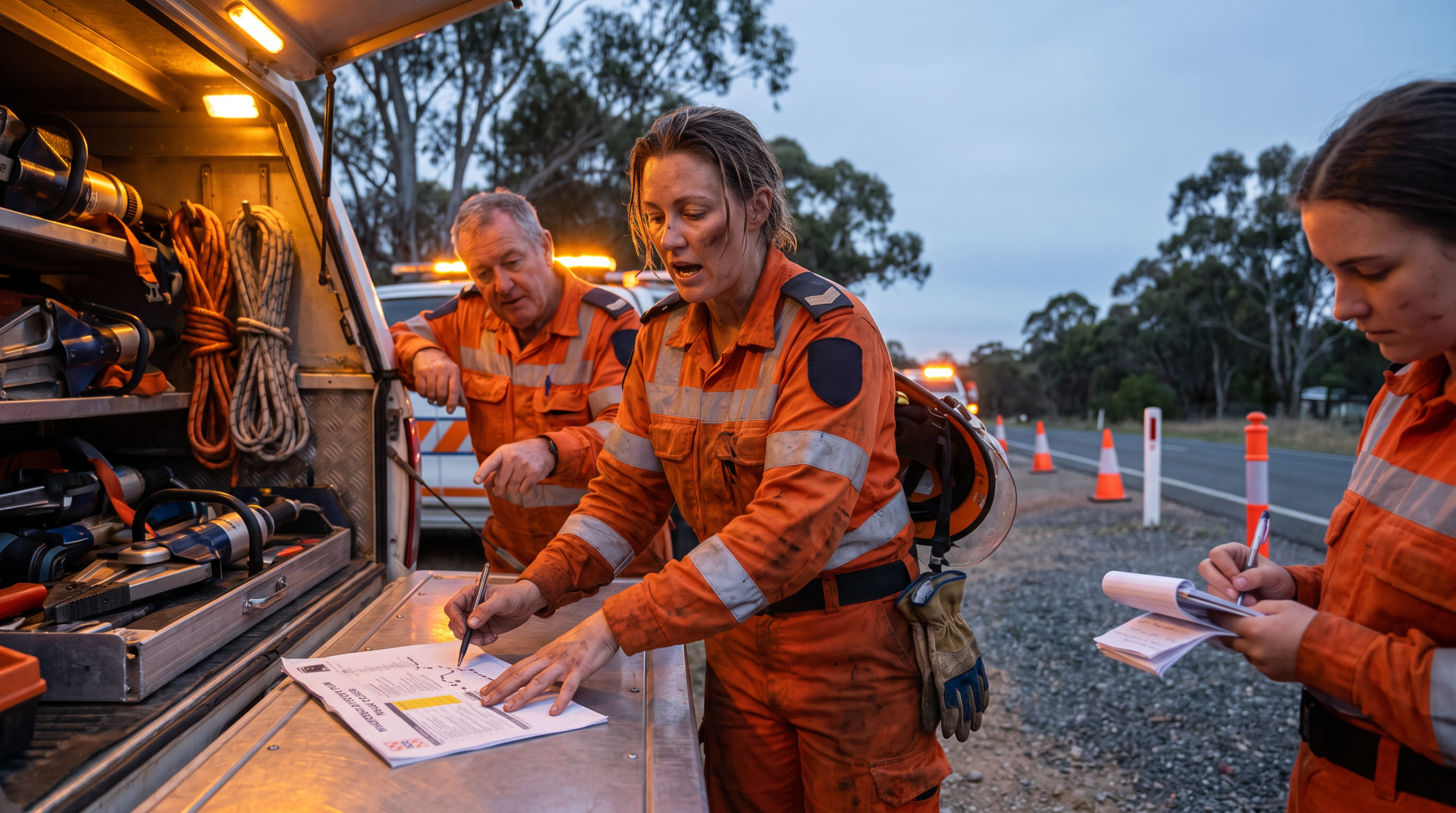
Veterans and emergency services personnel possess exceptional skills, leadership experience, and professional competencies that are highly valuable in civilian careers. Graduate diploma qualifications provide an excellent pathway for transitioning these skills into new professional contexts while building upon existing expertise. The structured learning environment of graduate study complements the disciplined approach that characterises military and emergency services training. For more information, learn how RPL works.
At 3CIR, we recognise the significant value that veterans and emergency services personnel bring to graduate study programmes. Your background in high-pressure decision-making, team leadership, and strategic operations provides an excellent foundation for graduate-level study in management, security, government, and related fields. The analytical and leadership skills developed through military or emergency services experience are directly transferable to civilian leadership roles.
We’re proud to offer a 25% discount on all our qualifications for current and former defence and emergency services personnel. This discount recognises your service and commitment while making advanced qualifications more accessible as you pursue your career goals. The combination of this financial benefit with our comprehensive RPL process ensures that your transition to civilian careers is supported with both recognition and practical assistance.
Contact us today to learn more about how your military or emergency services experience can contribute to your graduate diploma qualification and take advantage of our veteran discount programme.
Frequently Asked Questions
What is the difference between a graduate diploma and a master’s degree?
A graduate diploma is typically shorter than a master’s degree, requiring 12-18 months of study compared to 1.5-2 years for a master’s. Graduate diplomas focus on practical skills and industry-specific knowledge, while master’s degrees often include research components and broader theoretical frameworks.
How long does it take to complete a graduate diploma through RPL?
Through Recognition of Prior Learning, experienced professionals can complete graduate diplomas in as little as 3-6 months. The timeframe depends on your existing experience, the comprehensiveness of your evidence portfolio, and the specific qualification requirements.
Are graduate diplomas recognised by employers and industry?
Yes, graduate diplomas are widely recognised AQF Level 8 qualifications that demonstrate advanced knowledge and skills. Employers value these credentials for senior positions, and many leadership roles specify graduate-level qualifications as requirements or preferences.
Can I study a graduate diploma while working full-time?
Absolutely. Graduate diploma programmes are designed for working professionals, offering flexible online learning options, evening classes, and weekend intensives. The flexible delivery methods allow you to maintain your career while advancing your qualifications.
What graduate diploma options are available for ADF veterans?
ADF veterans can pursue graduate diplomas in management, leadership, government, security, project management, and business administration. These qualifications leverage your military experience while providing civilian-focused skills for career transition and advancement.
How does the RPL process work for emergency services personnel?
Emergency services personnel can use their operational experience, training records, leadership roles, and professional development activities as evidence for RPL. The process involves portfolio development and competency assessment against graduate diploma learning outcomes. You can check your RPL eligibility to find out what qualifications match your experience.
What support is available during graduate diploma study?
Students receive comprehensive support including academic guidance, technical assistance, career counselling, and peer networking opportunities. Online learning platforms provide 24/7 access to resources, and dedicated support staff are available to assist throughout your study journey.
Can I transfer graduate diploma credits to a master’s degree later?
Many graduate diplomas provide credit towards master’s degree programmes, allowing you to continue your studies at a higher level. The specific credit arrangements depend on the institution and programme alignment, but graduate study often provides a pathway to further postgraduate education.
What are the entry requirements for graduate diploma programmes?
Entry requirements typically include completion of an undergraduate degree or equivalent professional experience. Mature-age applicants with extensive industry experience may be admitted through alternative entry pathways that recognise professional competence and learning capacity.
How much does a graduate diploma cost compared to other qualifications?
Graduate diplomas are generally more cost-effective than master’s degrees while providing substantial professional benefits. The RPL process can further reduce costs by shortening study duration, and our 25% veteran discount makes qualifications even more affordable for eligible applicants.
Ready to advance your leadership capabilities with a graduate diploma qualification? Begin your journey today and discover how our programmes can accelerate your career success through advanced training and professional development.
For comprehensive information about the Australian Qualifications Framework and graduate diploma standards, visit the official AQF website which provides detailed qualification specifications and learning outcome requirements.
Professional Development Videos
Explore our comprehensive video library covering key professional development areas: