
Improve Your Business Through Workplace Health and Safety Qualifications
What is Workplace Health and Safety?
Workplace Health and Safety (WHS) encompasses a comprehensive framework of legislation, regulations, policies, and practices designed to protect the health, safety, and welfare of all people engaged in work or workplace activities. In Australia, WHS is governed by the Work Health and Safety Act 2011 and coordinated through Safe Work Australia. The framework establishes duties for persons conducting a business or undertaking (PCBUs), workers, and other workplace participants. WHS covers risk management processes, hazard identification, incident reporting, consultation requirements, and the provision of information, training, instruction, and supervision. It encompasses physical safety measures, psychological wellbeing, ergonomic considerations, and environmental health factors. The system operates on a hierarchy of controls principle, prioritising elimination, substitution, engineering controls, administrative controls, and personal protective equipment to manage workplace risks effectively.
Why Is Health and Safety Training Necessary for Every Business?
Health and safety training goes beyond orienting a new employee to the job site; it covers every situation in which the job or working conditions may change. Employees who lack a fundamental awareness of proper safety measures are more likely to suffer workplace injuries, illness, or even death.
Whether an employee’s company has one or hundreds of employees, they should know that risks exist in all industries, and their health can easily suffer. To ensure safety at work throughout any business organisation, companies must provide training and keep up-to-date with new knowledge on hazards faced by workers today.
Modern businesses face increasingly complex safety challenges, from traditional manual handling risks to emerging psychological hazards and digital workplace considerations. Your organisation’s commitment to comprehensive WHS training demonstrates due diligence and creates a culture where safety becomes everyone’s responsibility.
Start your WHS qualification journey today with our RPL assessment to fast-track your professional development.
What Are the Key Benefits of Health and Safety Training?
The following are some of the primary advantages of giving proper health and safety training to employees:
Reducing Workplace Accidents & Injuries: Ensuring all employees receive health and safety training can prevent workplace accidents and injuries. As a result, the company can avoid costly legal disputes with employees and prevent workers from leaving the workplace due to work-related ailments.
Enhancing Productivity in the Workplace: Employees can focus on their tasks without worrying about their safety if they receive health and safety training. This increased attention will result in higher work output and improved quality of deliverables.
Legal Compliance and Risk Management: Professional WHS qualifications ensure your organisation meets its legal obligations under Australian work health and safety legislation. This compliance protects against regulatory penalties and demonstrates your commitment to best practice safety standards.
Cost Reduction: Workplace incidents can result in significant financial losses through workers’ compensation claims, production delays, equipment damage, and legal costs. Effective safety training substantially reduces these risks and associated expenses.
Improved Employee Morale: When employees feel safe and valued, job satisfaction increases, leading to better retention rates and stronger team performance. A positive safety culture attracts quality candidates and enhances your organisation’s reputation.
How Do WHS Qualifications Transform Business Operations?
Professional workplace health and safety qualifications provide structured learning pathways that improve how your business approaches risk management. These nationally recognised training programs cover essential competencies including hazard identification, risk assessment, incident investigation, and safety management systems.
Qualified WHS professionals bring systematic approaches to safety management, ensuring your organisation implements evidence-based practices rather than ad-hoc measures. They understand regulatory requirements, industry standards, and emerging best practices that keep your business ahead of safety obligations. Find out more about how to WHS qualifications through RPL.
The transformation extends beyond compliance to operational excellence. Organisations with qualified WHS practitioners typically experience improved communication, better decision-making processes, and more effective resource allocation for safety initiatives.
What Career Opportunities Do WHS Qualifications Provide?
Workplace health and safety qualifications open diverse career pathways across all industry sectors. Entry-level positions include safety representatives, WHS coordinators, and compliance officers, while advanced qualifications lead to roles such as safety managers, consultants, and executive positions.
The growing emphasis on workplace mental health, environmental sustainability, and technological safety creates new specialisation opportunities. Qualified professionals can pursue careers in construction safety, mining operations, healthcare environments, manufacturing facilities, or consulting services.
Professional development through business qualification pathways often complements WHS expertise, creating well-rounded professionals capable of integrating safety considerations with broader business objectives.
How Does Technology Impact Modern WHS Training?
Contemporary workplace health and safety training incorporates digital technologies, virtual reality simulations, and online learning platforms to enhance effectiveness and accessibility. These innovations enable immersive training experiences without exposing learners to actual workplace hazards.
Mobile applications, wearable devices, and IoT sensors provide real-time safety monitoring and instant access to safety procedures. This technological integration supports just-in-time learning and continuous professional development for WHS practitioners.
Online delivery modes, such as those offered through our flexible learning options, accommodate diverse learning preferences and work schedules while maintaining rigorous assessment standards.
Recognition of Prior Learning for WHS Professionals
Recognition of Prior Learning (RPL) provides an efficient pathway for experienced safety professionals to gain formal qualifications that reflect their existing knowledge and skills. This process acknowledges learning acquired through work experience, previous training, and professional development activities.
The RPL process involves comprehensive assessment of your current competencies against national training package requirements. Experienced practitioners can demonstrate their capabilities through portfolio evidence, workplace observations, and targeted assessments without repeating training for skills they already possess.
Professional WHS practitioners often accumulate substantial knowledge through workplace experience, industry training, and self-directed learning. RPL recognition enables these professionals to obtain formal credentials efficiently while maintaining their current work commitments.
Assessment methods may include workplace demonstrations, written submissions, professional interviews, and third-party verification of competencies. This flexible approach accommodates diverse learning backgrounds and professional experiences.
The process typically involves initial consultation to identify relevant qualifications, gap analysis to determine additional learning requirements, and structured assessment activities to verify competency achievement. Successful candidates receive nationally recognised qualifications that enhance career prospects and professional credibility. For more information, understanding Recognition of Prior Learning.
Begin your WHS RPL assessment today to change your experience into formal qualifications.
Special Benefits for Defence and Emergency Services Personnel
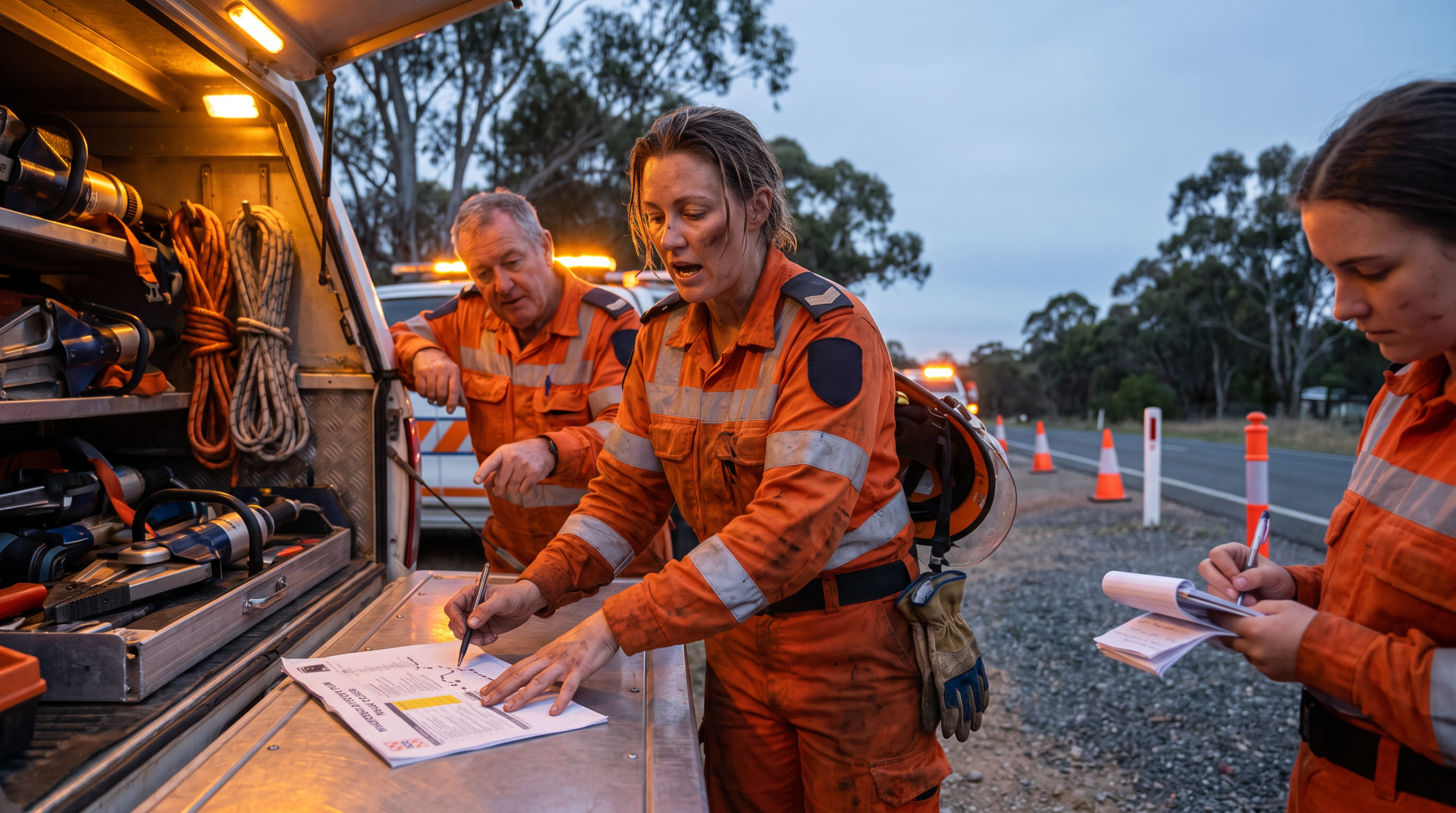
Current and former Australian Defence Force (ADF) personnel and emergency services workers possess valuable safety-related experience that translates effectively to civilian workplace health and safety roles. Military and emergency services training emphasises risk assessment, crisis management, and systematic safety protocols that align closely with WHS competency requirements.
3CIR recognises this valuable experience and offers a 25% discount on all qualifications for current and former defence and emergency services personnel. This recognition acknowledges the transferable skills these professionals bring to workplace safety management.
Veterans often demonstrate exceptional competencies in areas such as:
- Risk assessment and hazard identification procedures
- Emergency response planning and implementation
- Training delivery and competency assessment
- Leadership and team coordination under pressure
- Systematic approach to safety protocols and procedures
- Incident investigation and reporting methodologies
The transition from military or emergency services to civilian WHS roles can provide fulfilling second careers that utilise existing skills while contributing to workplace safety improvement. Many veterans find WHS roles professionally satisfying as they continue serving their communities through safety protection.
Emergency services personnel, including police, fire, and ambulance officers, possess practical experience with emergency management, public safety, and regulatory compliance that directly supports WHS professional requirements. Their understanding of crisis communication, resource coordination, and systematic response protocols proves invaluable in workplace safety contexts.
Contact us today to explore your RPL options and access your veterans’ discount.
Frequently Asked Questions
What qualifications are available in workplace health and safety?
Australian workplace health and safety qualifications range from Certificate IV in Work Health and Safety through to Advanced Diploma levels, covering competencies from basic safety awareness to senior management responsibilities.
How long does it take to complete WHS qualifications?
Completion timeframes vary depending on your chosen pathway, with RPL assessments potentially completed within weeks, while full training programs may take several months to complete comprehensively.
Are WHS qualifications recognised across all Australian states and territories?
Yes, all nationally recognised WHS qualifications are valid across Australia under the Australian Qualifications Framework, ensuring your credentials are portable between jurisdictions and employers.
What career prospects exist for WHS qualified professionals?
WHS qualifications open opportunities in construction, manufacturing, healthcare, mining, government, consulting, and virtually every industry sector where workplace safety management is essential for operations.
Can military experience count towards WHS qualifications?
Absolutely. Military personnel possess extensive safety training and risk management experience that often meets many WHS competency requirements through Recognition of Prior Learning assessment processes. You can start your free assessment to find out what qualifications match your experience.
How do emergency services skills transfer to WHS roles?
Emergency services personnel bring valuable incident response, risk assessment, and public safety experience that directly applies to workplace health and safety management and emergency preparedness roles.
What is the cost of WHS qualifications through 3CIR?
Qualification costs vary by program level and delivery method, with significant discounts available for veterans and current defence or emergency services personnel accessing our specialised RPL pathways.
Do I need prior experience to study WHS qualifications?
While prior experience helps, it’s not mandatory for entry-level qualifications. However, higher-level qualifications typically require relevant workplace experience or completion of prerequisite qualifications.
How does online WHS training compare to face-to-face delivery?
Online delivery provides flexibility and accessibility while maintaining rigorous assessment standards, with practical components assessed through workplace demonstrations or simulated environments as appropriate.
What ongoing professional development is required for WHS practitioners?
WHS professionals should engage in continuous learning to stay current with legislative changes, emerging hazards, and best practice developments through professional associations and ongoing training.
Develop your career and enhance your organisation’s safety performance through professional workplace health and safety qualifications. Our comprehensive programs, experienced trainers, and flexible delivery options provide the foundation for successful safety management careers.
For more information about specific WHS programs, assessment processes, or career pathway advice, visit our course information pages or speak with our experienced education consultants.
Ready to advance your WHS career? Start your qualification journey today with our comprehensive RPL assessment process.
Related Training Videos
Explore our comprehensive video library covering essential business and professional topics:
- WHS Training Overview – Essential workplace health and safety fundamentals
- Leadership Development – Building effective leadership capabilities
- Human Resources Management – Professional HR practices and procedures
- Security Management – Comprehensive security planning and implementation
- Business Operations – Effective business management strategies
- Marketing Fundamentals – Professional marketing principles and practices
- Government Operations – Public sector management and governance
- Project Management – Systematic project delivery methodologies
External authority references: Training.gov.au provides comprehensive information about nationally recognised training packages, while ASQA maintains quality standards for vocational education and training across Australia.