How to Transition Your Defence Skills into Civilian Employable Qualifications
Defence personnel develop highly transferable skills that directly translate into civilian employment opportunities. Through Recognition of Prior Learning (RPL), you can convert your military experience into nationally recognised qualifications, opening doors to new career pathways in leadership, project management, and security sectors.
Understanding Defence Skills Translation in the Australian Context
Defence skills translation refers to the systematic process of identifying, documenting, and formally recognising military competencies within the Australian Qualifications Framework (AQF). This educational methodology acknowledges that defence personnel acquire substantial vocational skills through service experience that align with industry standards across civilian sectors. The process involves mapping military training, operational experience, and leadership roles against national training packages registered with the Australian Skills Quality Authority (ASQA). Through accredited Registered Training Organisations (RTOs), veterans can obtain formal qualifications that validate their expertise in areas such as leadership and management, workplace health and safety, security operations, and project coordination.
Why Defence Skill Sets Are Highly Valued in Civilian Employment
For many current and former military personnel, it can be difficult to understand what natural skills have been honed and developed through years of service. Skills that have taken years to develop become part of everyday behaviour. What others have to think about, you do naturally and competently.
We know from experience that 3CIR was founded by former military personnel. It’s inevitable that throughout your military career, skillsets are honed.
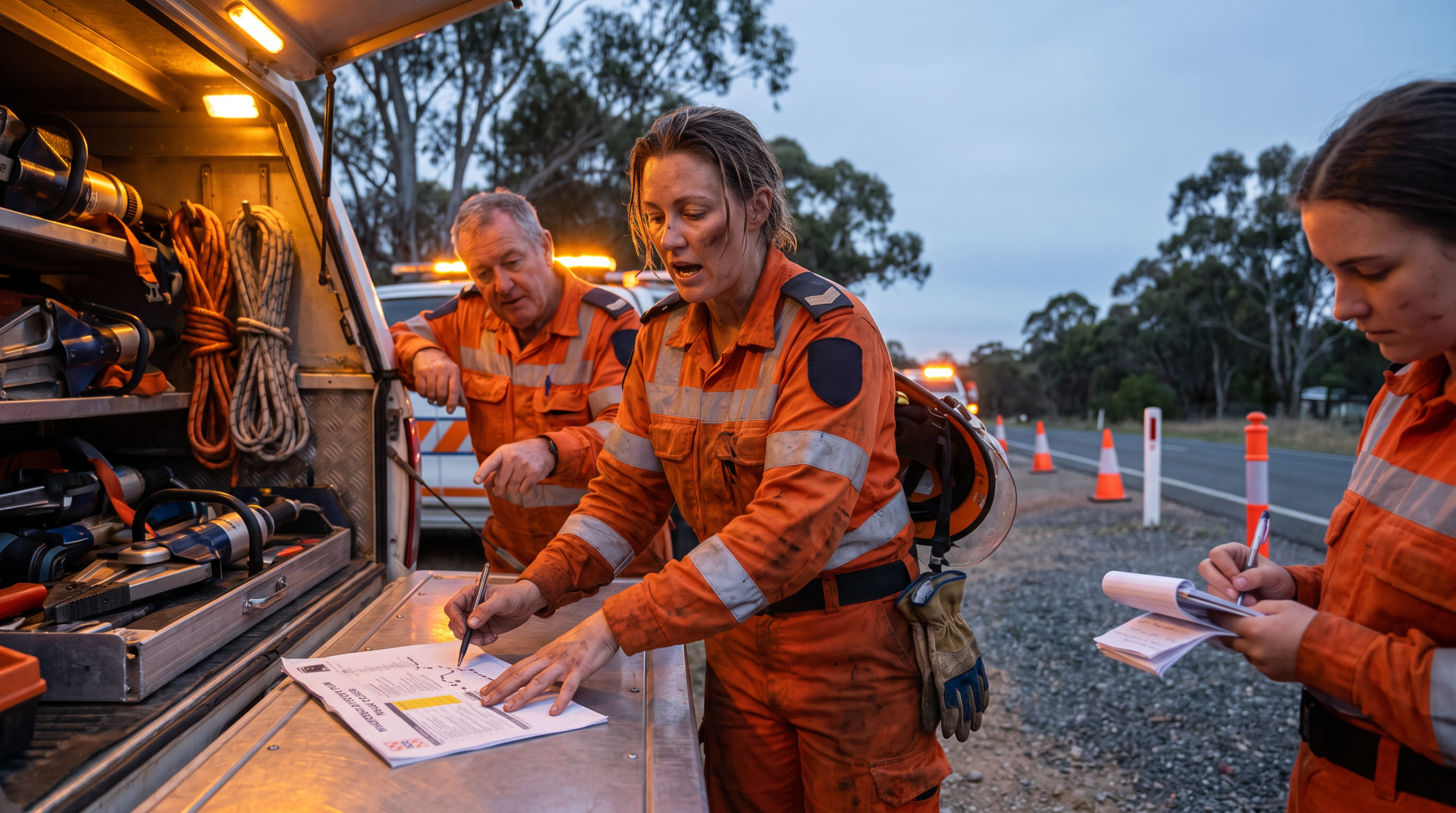
However, it is little known that those skills can be transferred to new career opportunities. Such skills can assist you in training for a new career through our Recognition of Prior Learning (RPL) process. They cover Army RPL, Navy RPL, Air Force RPL and Emergency Services RPL.
Your military experience has equipped you with competencies that employers actively seek. The disciplined environment of defence service develops systematic thinking, attention to detail, and the ability to work effectively under pressure. These attributes translate directly into workplace productivity and reliability that civilian employers highly value.
Discover how your defence experience can be recognised through our RPL assessment process.
What Core Skills Do Defence Personnel Develop During Service?
These skills can include:
- Communication
- Flexibility
- Integrity
- Problem-Solving
- Technical Aptitude
- Teamwork
These skills are often the foundation of future employers’ employees’ aspirations. Let’s take a look at them individually and ask a few questions for you to discuss with peers, friends or family to build confidence and understanding:
How Does Military Communication Training Benefit Civilian Workplaces?
The foundation of all efficient businesses and workplaces is effective communication. It is essential to ensure that themes, tasks, goals and targets are understood, acknowledged and accepted. Both written and verbal communication skills developed through military service exceed civilian workplace standards.
Military communication protocols emphasise clarity, conciseness, and accuracy. You’ve been trained to convey critical information under stress, adapt your communication style to different audiences, and maintain professional standards in all interactions. These capabilities directly enhance workplace efficiency and team coordination in civilian environments.
Your ability to brief senior personnel, write comprehensive reports, and facilitate team discussions positions you advantageously in management and supervisory roles across various industries. Find out more about how to military RPL qualifications.
How Does Military Flexibility Translate to Business Adaptability?
Defence service demands adaptability to changing circumstances, unexpected challenges, and evolving operational requirements. This flexibility extends beyond simple schedule changes to encompass strategic thinking, resource reallocation, and rapid response capabilities.
In civilian workplaces, this translates to valuable change management skills. Employers recognise that veterans can navigate organisational restructures, implement new processes, and maintain productivity during transitional periods. Your experience with diverse environments and operational requirements demonstrates proven adaptability that modern businesses require.
Why Is Military-Developed Integrity Crucial for Corporate Success?
Military service instils unwavering ethical standards and personal accountability. The integrity developed through defence service encompasses honesty, reliability, and commitment to organisational values that directly enhance corporate governance and workplace culture.
Your understanding of ethical decision-making, confidentiality requirements, and professional conduct standards positions you as a trustworthy employee capable of handling sensitive information and maintaining organisational reputation. These qualities are particularly valuable in finance, security, and management positions.
How Can Military Problem-Solving Skills Drive Innovation in Business?
Defence personnel develop systematic problem-solving approaches that combine analytical thinking with practical implementation. Your training in risk assessment, contingency planning, and resource optimisation provides valuable perspectives for business challenges.
Military problem-solving methodologies emphasise thorough analysis, stakeholder consideration, and sustainable solutions. These approaches translate effectively to project management, operational improvement, and strategic planning roles in civilian organisations. Your ability to remain calm under pressure whilst developing effective solutions is particularly valued in crisis management and leadership positions.
What Technical Skills Can Veterans Leverage in Modern Industries?
Defence service exposes personnel to advanced technologies, sophisticated equipment, and complex systems management. Whether through communications systems, logistics coordination, or specialised equipment operation, you’ve developed technical competencies that align with modern industry requirements.
Your experience with technology adoption, system troubleshooting, and technical documentation provides valuable skills for information technology, engineering, and technical support roles. The precision and attention to detail required in military technical roles directly translates to quality assurance and technical management positions.
Recognition of Prior Learning for Defence Personnel
Recognition of Prior Learning (RPL) provides a structured pathway for converting your military experience into formal qualifications. Through RPL, you can obtain nationally recognised credentials without repeating training you’ve already mastered through service experience.
The RPL process involves comprehensive assessment of your knowledge, skills, and experience against specific training package requirements. This includes reviewing your service record, conducting competency discussions, and demonstrating practical capabilities that align with civilian qualification standards.
3CIR specialises in RPL for defence personnel, understanding the unique nature of military experience and how it translates to civilian qualifications. Our assessment process recognises the depth and breadth of skills developed through military service, ensuring you receive appropriate credit for your expertise. For more information, RPL for ADF veterans.
RPL can significantly reduce the time and cost required to obtain formal qualifications, enabling faster career transitions and immediate demonstration of your capabilities to prospective employers. The qualifications obtained through RPL carry the same recognition and value as those achieved through traditional training pathways.
Start your RPL assessment today to discover which qualifications you can achieve.
Special Benefits for Veterans and Emergency Services Personnel
3CIR recognises the valuable contribution of defence and emergency services personnel by offering a 25% discount on all training and RPL services for current and former military and emergency services personnel. This discount acknowledges your service whilst supporting your career transition goals.
Our veteran-owned organisation understands the unique challenges faced during career transitions and provides specialised support throughout the RPL process. We recognise that your service experience represents substantial professional development that deserves formal recognition through appropriate qualifications.
The discount applies to all qualification levels and training programs, making professional development more accessible for those who have served their community and country. This support extends to family members of veterans, recognising the broader impact of military service on families.
To access this discount, simply provide evidence of your current or former service when enquiring about RPL assessment or training programs. Our team will ensure you receive the full benefit whilst maintaining the highest standards of assessment and qualification outcomes.
Frequently Asked Questions About Defence Skills and RPL
What qualifications can I achieve through RPL with my military experience?
Your military experience may qualify you for certificates in leadership and management, project management, security operations, workplace health and safety, or business administration. The specific qualifications depend on your role, rank, and service experience, which our assessment process will evaluate comprehensively.
How long does the RPL assessment process typically take?
The RPL assessment process usually takes 4-6 weeks from submission to completion. This timeframe includes document review, competency discussions, and final assessment validation, ensuring thorough evaluation of your military experience against qualification requirements.
Do I need to provide specific documentation for my military service?
Yes, you’ll need to provide service records, training certificates, position descriptions, and any relevant civilian qualifications. These documents help our assessors understand the scope and depth of your military experience for accurate qualification mapping.
Can ADF personnel apply for RPL whilst still serving?
Absolutely. Current ADF personnel can undertake RPL assessment to gain formal qualifications that support career development within defence or prepare for eventual transition to civilian employment. Many serving members use RPL to enhance their professional credentials.
What support is available for emergency services personnel seeking RPL?
Emergency services personnel receive the same comprehensive RPL support as military veterans, including the 25% discount and specialised assessment processes. Our assessors understand emergency services training and operational experience, ensuring accurate qualification recognition. You can get a free skills assessment to find out what qualifications match your experience.
How does RPL differ from traditional training pathways?
RPL recognises existing competence through assessment rather than classroom learning. Instead of attending courses, you demonstrate your current skills and knowledge through practical assessment, portfolio development, and competency discussions with qualified assessors.
Are RPL qualifications recognised by employers and industry?
Yes, RPL qualifications are nationally recognised and carry identical value to qualifications achieved through traditional training. They appear on the Australian Qualifications Register and are accepted by employers, professional associations, and educational institutions across Australia.
What if my military experience doesn’t fully meet qualification requirements?
If gaps are identified, you can complete targeted training to address specific competency requirements. This gap training focuses only on missing elements, significantly reducing the time and cost compared to complete qualification programs.
Can I use RPL outcomes for university pathway programs?
Many universities recognise RPL qualifications for course entry and credit transfer. Your formal qualifications obtained through RPL can support applications for undergraduate and postgraduate programs, particularly in business, management, and security studies.
How much does RPL assessment cost compared to traditional training?
RPL is typically more cost-effective than traditional training, especially with our 25% veteran discount. You save on course fees, time away from work, and associated training costs whilst achieving the same qualification outcomes through recognition of existing expertise.
Your defence service has provided you with valuable skills that translate directly into civilian employment opportunities. Through professional RPL assessment, you can gain formal recognition for these competencies and accelerate your career transition with nationally recognised qualifications.
Contact 3CIR today to begin your RPL assessment and unlock your career potential.
Additional Training Resources
Explore these comprehensive training videos covering key professional development areas:
- Leadership: https://youtu.be/7k57ygLXncA
- HR: https://youtu.be/jLUKTpqOOfU
- WHS: https://youtu.be/6QHTzXlE5C0
- Security: https://youtu.be/d20nwpEot8Q
- Business: https://youtu.be/8P_VySE0zjQ
- Marketing: https://youtu.be/VdQxJKmgZfs
- Government: https://youtu.be/PV_knsJnb5E
- Project Management: https://youtu.be/kz7CyEsRNyg
Take the first step towards formal recognition of your defence skills today.