
Invest in Your Future: How Certificate IV in Work Health and Safety Pays Off
Certificate IV in Work Health and Safety delivers exceptional career returns through enhanced earning potential, job security, and professional recognition. This nationally recognised qualification opens doors to safety management roles across industries, with graduates commanding salaries up to a competitive salary.
What is Certificate IV in Work Health and Safety?
Certificate IV in Work Health and Safety (BSB41419) is a nationally recognised VET qualification that provides comprehensive training in workplace safety management principles and practices. This AQF Level 4 qualification covers risk assessment methodologies, incident investigation procedures, compliance with WHS legislation, and implementation of safety management systems. The course encompasses both theoretical knowledge and practical application of safety protocols, preparing graduates to effectively manage workplace hazards and ensure organisational compliance with Australian safety standards. Delivered by registered training organisations throughout Australia, this qualification serves as the foundation for professional careers in occupational health and safety across diverse industry sectors including construction, manufacturing, healthcare, and government agencies.
How Certificate IV in Work Health and Safety Transforms Your Career Prospects
As workplace environments continue to change rapidly, the importance of maintaining a safe and healthy workplace cannot be understated. With the growing awareness around workplace safety, skilled professionals in Work Health and Safety (WHS) have seen demand skyrocket – providing those seeking careers in WHS an edge by earning their Certificate IV in WHS (Cert 4 WHS). But exactly how will investing in this qualification pay off? Let’s dive in and examine its many advantages.
The Cert 4 in WHS is more than just a qualification; it’s the basis of a prosperous career. This certification equips you with the knowledge and skills necessary to oversee workplace safety processes, comply with WHS laws, implement safety measures to prevent workplace incidents and injuries and provide advice that protects workplace environments from future mishaps.
By undertaking this course, you position yourself as a valuable asset to any organisation. The comprehensive curriculum covers essential areas including hazard identification, risk assessment, incident investigation, and emergency response planning. This broad skill set makes you indispensable across various industries, from construction and manufacturing to healthcare and government sectors.
What Financial Returns Can You Expect from WHS Certification?
The financial benefits of obtaining your Certificate IV in Work Health and Safety are substantial and measurable. Entry-level WHS coordinators typically earn between a competitive salary, whilst experienced professionals can command salaries exceeding a competitive salary. Senior safety managers and consultants often earn six-figure incomes, particularly in high-risk industries such as mining, construction, and oil and gas.
Your return on investment becomes apparent quickly. Most graduates recoup their training costs within the first year of employment through increased earning capacity. Additionally, many organisations offer salary premiums for employees holding nationally recognised WHS qualifications, recognising the value these professionals bring to workplace safety outcomes.
The Recognition of Prior Learning pathway available through 3CIR can significantly reduce both study time and costs, particularly for experienced professionals already working in safety-related roles. This accelerated pathway allows you to leverage existing knowledge and experience whilst obtaining formal recognition of your skills.
Why Is Demand Growing for WHS Professionals Across Australian Industries?
Australian businesses face increasing regulatory scrutiny and legal obligations regarding workplace safety. The consequences of non-compliance can be severe, including substantial fines, legal action, and reputational damage. This reality has created unprecedented demand for qualified WHS professionals who can ensure organisational compliance whilst fostering positive safety cultures.
Recent workplace safety statistics demonstrate the critical need for skilled professionals. Workplace injuries cost Australian businesses billions annually in lost productivity, compensation claims, and regulatory penalties. Organisations recognise that investing in qualified WHS personnel represents both risk mitigation and financial prudence.
Furthermore, the COVID-19 pandemic has heightened awareness of workplace health and safety considerations. Employers now prioritise professionals who can navigate complex health regulations whilst maintaining operational efficiency. Your WHS certification positions you to meet these evolving industry demands.
Ready to advance your career? Start your WHS qualification assessment today and discover how your existing experience can accelerate your certification journey. Find out more about how to WHS qualifications through RPL.
Which Career Pathways Open Up with WHS Certification?
Certificate IV in Work Health and Safety creates diverse career opportunities across multiple sectors. Graduates commonly progress into roles such as WHS coordinator, safety advisor, risk management specialist, compliance officer, and training coordinator. These positions exist in virtually every industry, from traditional sectors like construction and manufacturing to emerging areas such as renewable energy and technology.
The qualification also serves as a foundation for further professional development. Many graduates pursue advanced qualifications such as Diploma of Work Health and Safety or university degrees in occupational health and safety. This progression pathway can lead to senior executive roles, independent consulting opportunities, or specialisation in niche areas such as industrial hygiene or ergonomics.
Government agencies, particularly at state and federal levels, actively recruit WHS professionals for regulatory and policy development roles. These positions offer job security, comprehensive benefits, and opportunities to influence workplace safety standards across entire jurisdictions.
How Does WHS Training Enhance Your Professional Credibility?
Professional credibility in WHS requires more than experience – it demands formal recognition of competencies through nationally recognised qualifications. Your Certificate IV demonstrates to employers, colleagues, and regulatory bodies that you possess current knowledge of Australian WHS legislation, risk management principles, and industry best practices.
The qualification aligns with standards established by ASQA (Australian Skills Quality Authority) and reflects competencies outlined on training.gov.au. This regulatory backing ensures your qualification maintains recognition and transferability across all Australian jurisdictions and industries.
Many professional associations recognise Certificate IV in WHS as meeting membership requirements or continuing professional development obligations. This recognition enhances your professional network opportunities whilst demonstrating commitment to maintaining current industry knowledge.
What Practical Skills Will You Develop Through WHS Training?
The comprehensive curriculum of Certificate IV in Work Health and Safety develops practical competencies that you can immediately apply in workplace settings. Core skills include conducting thorough risk assessments, developing safety management systems, investigating workplace incidents, and implementing control measures to eliminate or minimise hazards.
You’ll master the art of communicating safety requirements across diverse audiences, from frontline workers to senior executives. This communication skill proves invaluable in building organisational safety cultures and ensuring compliance with regulatory requirements.
Emergency response planning and crisis management capabilities form integral components of the training. These skills prove essential not only for preventing incidents but also for minimising consequences when emergencies occur. Your ability to develop and implement effective emergency procedures becomes a crucial organisational asset.
Legislative compliance represents another core competency area. You’ll develop deep understanding of WHS laws, regulations, and codes of practice across various jurisdictions. This knowledge ensures your advice and recommendations align with current legal requirements whilst protecting organisations from regulatory breaches.
Recognition of Prior Learning: Fast-Track Your WHS Certification
Recognition of Prior Learning (RPL) offers an accelerated pathway to obtaining your Certificate IV in Work Health and Safety by recognising skills and knowledge you’ve already acquired through work experience, previous training, or life experiences. This assessment process can significantly reduce study time whilst maintaining the integrity and value of your qualification. For more information, understanding Recognition of Prior Learning.
The RPL process involves comprehensive assessment of your current competencies against the qualification standards. Experienced assessors review your work history, previous training records, and practical demonstrations to determine which units of competency you’ve already mastered. This individualised approach ensures you only study areas where additional learning is required.
Many professionals working in safety-related roles, supervisory positions, or compliance functions already possess significant relevant experience. RPL allows you to leverage this experience efficiently whilst obtaining formal recognition of your capabilities. The process typically involves preparing a portfolio of evidence, participating in professional discussions with assessors, and demonstrating practical skills where necessary.
3CIR’s experienced RPL assessors understand the practical realities of workplace safety and can identify transferable skills from various professional backgrounds. This expertise ensures fair and thorough assessment whilst maximising the value of your existing experience.
Veterans and Emergency Services: Your Safety Experience Has Value
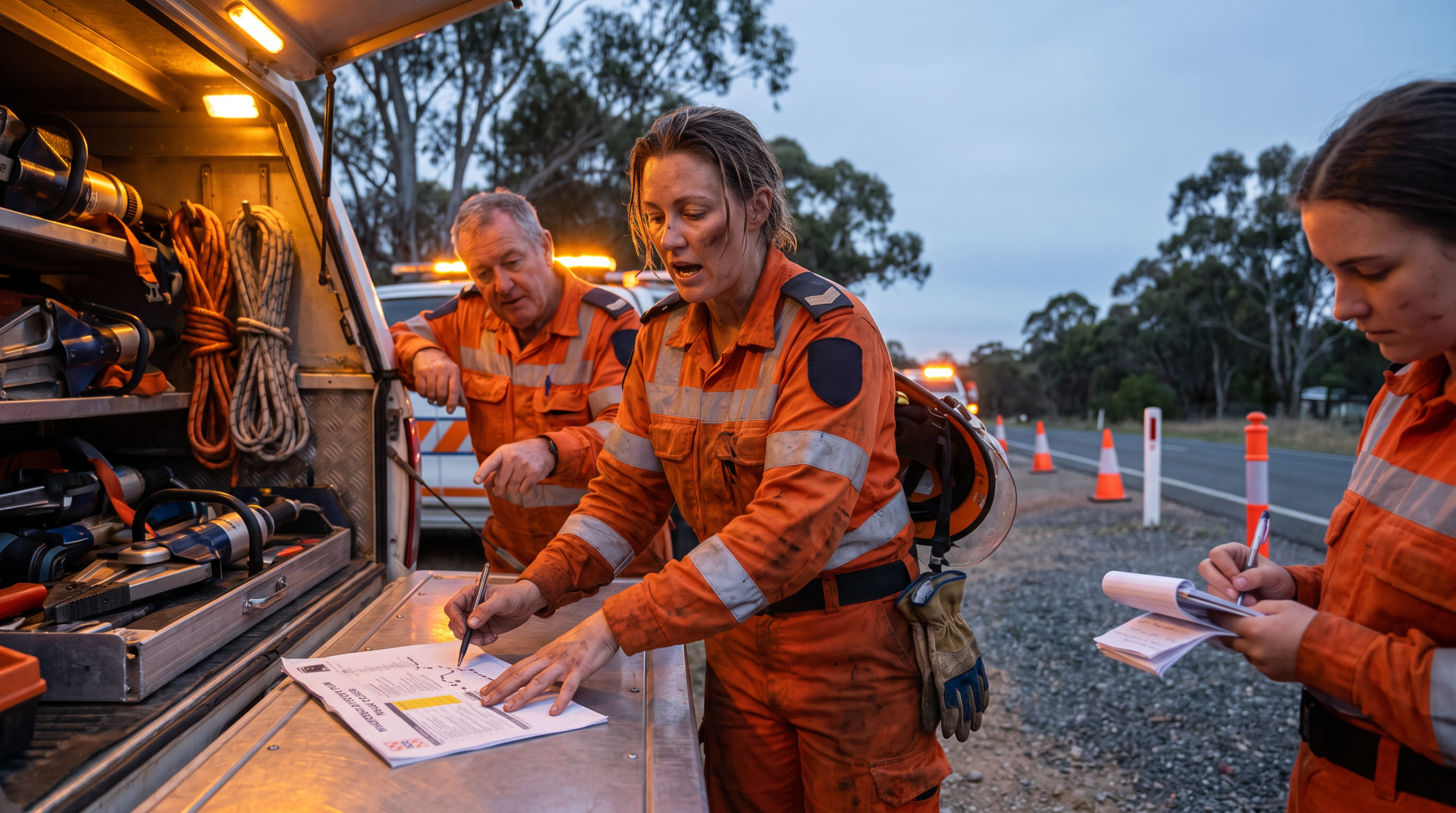
Military and emergency services personnel possess unique advantages when pursuing WHS qualifications. Your experience with risk assessment, emergency response, safety protocols, and team leadership directly aligns with core WHS competencies. This background provides exceptional foundation knowledge that can significantly accelerate your certification journey through Recognition of Prior Learning.
3CIR recognises the value of defence and emergency services experience by offering a 25% discount for all current and former ADF and emergency services personnel. This discount acknowledges both your service to the community and the transferable skills you bring to civilian workplace safety roles.
Your military or emergency services background demonstrates proven ability to work under pressure, follow safety protocols, conduct risk assessments, and implement control measures – all core requirements in civilian WHS roles. Many graduates from defence and emergency services backgrounds find their disciplined approach to safety management highly valued by civilian employers.
The transition from military or emergency services to civilian WHS roles often proves seamless, particularly in industries such as construction, mining, and manufacturing where safety-conscious leadership is essential. Your experience with command structures, operational procedures, and risk management provides immediate credibility in these environments.
Explore your RPL options and discover how your defence or emergency services experience can fast-track your WHS certification.
Frequently Asked Questions
How long does Certificate IV in Work Health and Safety take to complete?
Completion time varies depending on your study mode and prior experience. Full-time study typically takes 6-12 months, whilst part-time options extend to 12-18 months. RPL candidates may complete their qualification in as little as 3-6 months by leveraging existing experience and knowledge.
What career opportunities exist after completing WHS certification?
Graduates commonly secure roles as WHS coordinators, safety advisors, compliance officers, risk management specialists, and training coordinators. These positions exist across all industries, with particular demand in construction, manufacturing, healthcare, mining, and government sectors.
Can ADF personnel use their military experience for WHS qualification?
Yes, military experience in areas such as risk assessment, safety protocols, emergency response, and leadership directly supports WHS competencies. Many ADF personnel qualify for significant RPL credit, reducing study time whilst maintaining qualification integrity. You can start your free assessment to find out what qualifications match your experience.
What salary can I expect with Certificate IV in WHS?
Entry-level WHS coordinators typically earn a competitive salary, with experienced professionals commanding a competitive salary. Senior safety managers and consultants often exceed a competitive salary, particularly in high-risk industries such as mining and construction.
Is Certificate IV in WHS nationally recognised across Australia?
Yes, this qualification is nationally recognised under the Australian Qualifications Framework (AQF) and maintains validity across all states and territories. The training package aligns with national competency standards overseen by ASQA.
Do emergency services personnel qualify for special consideration?
Emergency services personnel receive a 25% discount on all training costs and often qualify for extensive RPL credit. Your experience with emergency response, risk assessment, and safety procedures directly aligns with WHS competency requirements.
What industries actively recruit WHS professionals?
All major industries require WHS professionals, including construction, manufacturing, healthcare, education, government, mining, agriculture, retail, and professional services. High-risk industries typically offer premium salaries and career advancement opportunities.
Can I study Certificate IV in WHS online?
Yes, 3CIR offers flexible online delivery options alongside face-to-face training in Brisbane. Online study provides convenience for working professionals whilst maintaining rigorous assessment standards and practical skill development.
How does WHS certification improve job security?
WHS professionals enjoy exceptional job security due to mandatory compliance requirements, increasing regulatory scrutiny, and growing awareness of workplace safety importance. These factors create sustained demand for qualified professionals across all economic conditions.
What prerequisites exist for Certificate IV in Work Health and Safety?
No formal prerequisites exist, though basic literacy and numeracy skills are essential. Relevant work experience in supervision, safety, or related fields provides advantages but is not mandatory. RPL assessment can recognise informal learning and experience.
Ready to transform your career prospects with nationally recognised WHS qualification? Complete your skills assessment today and discover how your existing experience can accelerate your path to WHS certification. Join thousands of professionals who have already invested in their future through comprehensive workplace safety training.
Related Training Resources
Explore additional professional development opportunities through our comprehensive video training library:
- Leadership Skills Training: https://youtu.be/7k57ygLXncA
- Human Resources Management: https://youtu.be/jLUKTpqOOfU
- Work Health and Safety Fundamentals: https://youtu.be/6QHTzXlE5C0
- Security and Risk Management: https://youtu.be/d20nwpEot8Q
- Business Management Principles: https://youtu.be/8P_VySE0zjQ
- Marketing and Communication: https://youtu.be/VdQxJKmgZfs
- Government and Public Administration: https://youtu.be/PV_knsJnb5E
- Project Management Excellence: https://youtu.be/kz7CyEsRNyg