
RPL Explained: How Australians Fast-Track Their Qualifications
AI Summary: Recognition of Prior Learning (RPL) allows you to convert your existing work experience, skills, and knowledge into formal qualifications without completing traditional coursework. This assessment process recognises competencies you’ve already developed through employment, volunteering, or life experiences, enabling you to fast-track nationally recognised qualifications.
Understanding Recognition of Prior Learning in Australia’s VET System
Recognition of Prior Learning (RPL) is a formal assessment process within Australia’s Vocational Education and Training (VET) system that evaluates an individual’s existing skills, knowledge, and competencies against the requirements of nationally recognised qualifications. Regulated by the Australian Skills Quality Authority (ASQA) and aligned with the Australian Qualifications Framework (AQF), RPL enables learners to receive credit for learning that has occurred outside formal educational settings. This competency-based assessment recognises that valuable skills can be acquired through work experience, volunteer activities, informal training, life experiences, and previous study. The process involves comprehensive documentation and assessment by qualified assessors who determine whether a candidate’s existing capabilities meet the specific unit of competency requirements outlined in Training Packages available through training.gov.au.
What Makes RPL a Game-Changer for Your Career?
Have you ever felt overwhelmed by the prospect of beginning from scratch to attain that diploma or certificate? But haven’t you heard anything about Recognition of Prior Learning (RPL) yet? Now’s your opportunity to explore its depths! It could make a difference.
Recognition of Prior Learning (RPL) refers to a process that provides individuals with official recognition for the skills and experiences gained throughout life – whether from studies, work experiences, or simply life itself – that may not have been recognised through traditional forms of qualifications.
Recognition of Prior Learning may sound complicated and academic, but it’s an accessible concept. Think of it as connecting your real-life experience to academic acknowledgment that is due to you.
The beauty of RPL lies in its recognition that learning doesn’t only occur in classrooms. Your decade of management experience, your expertise in project coordination, or your technical skills developed on the job all constitute valuable learning that deserves formal recognition.
Start your RPL assessment today and discover how your existing skills can translate into nationally recognised qualifications.
Why Choose RPL Over Traditional Study Methods?
Imagine being in an established managerial role and wanting to obtain your diploma in leadership and management. RPL makes this easier: there is no need for extensive courses that cover material you already know and apply daily in your professional life.
Traditional education pathways often require you to complete predetermined coursework, regardless of your existing knowledge and experience. This approach can be time-consuming and costly, particularly for experienced professionals who have already demonstrated competency in their field. RPL offers several compelling advantages:
- Time Efficiency: Complete your qualification in months rather than years
- Cost Effectiveness: Avoid paying for training you don’t need
- Career Advancement: Gain formal recognition immediately
- Practical Focus: Assessment based on real-world application
- Flexible Process: Work around your existing commitments
The Australian Skills Quality Authority ensures that RPL assessments maintain the same rigorous standards as traditional qualifications, guaranteeing that your certificate or diploma carries the same weight and recognition in the marketplace.
How Does the RPL Assessment Process Actually Work?
The RPL process involves several key stages designed to comprehensively evaluate your existing competencies against the specific requirements of your chosen qualification. Understanding this process helps you prepare effectively and maximise your chances of success.
Initial Consultation and Qualification Mapping: Your journey begins with a detailed discussion about your career goals and existing experience. An RPL specialist reviews your background against the units of competency required for your target qualification, identifying potential gaps and strengths.
Evidence Gathering: You’ll compile a comprehensive portfolio demonstrating your skills and knowledge. This may include employment records, project examples, testimonials from supervisors, photographs of your work, certificates from short courses, and detailed descriptions of your responsibilities and achievements. Find out more about how to understanding RPL in Australia.
Assessment Activities: Depending on your qualification, you may complete practical demonstrations, participate in professional discussions with assessors, undertake workplace observations, or complete targeted questioning sessions that explore your understanding of key concepts.
Competency Evaluation: Qualified assessors review all evidence against the performance criteria, knowledge requirements, and performance evidence specified in the relevant Training Package.
What Types of Qualifications Can You Achieve Through RPL?
The scope of qualifications available through RPL is extensive, spanning numerous industries and levels within the Australian Qualifications Framework. From Certificate III to Advanced Diploma levels, RPL can help you achieve formal recognition across diverse fields.
Business and Management: Leadership and management qualifications, project management, human resources, marketing, and business administration represent popular choices for experienced professionals seeking formal recognition of their management capabilities.
Trade and Technical: Skilled tradespersons can gain recognition for their expertise in areas such as construction, automotive, engineering, information technology, and manufacturing through comprehensive portfolio assessment and practical demonstration.
Community Services: Workers in aged care, disability support, community development, and youth work can achieve relevant qualifications that recognise their hands-on experience and commitment to helping others.
Security and Emergency Services: Personnel from police, fire services, ambulance, military, and private security backgrounds can leverage their specialised training and operational experience to achieve civilian qualifications that translate their skills to broader employment opportunities.
What Evidence Do You Need for Successful RPL?
Successful RPL assessment requires comprehensive, relevant, and authentic evidence that clearly demonstrates your competency in each required area. The quality and breadth of your evidence portfolio directly impact your assessment outcome.
Work-Based Evidence: Employment references detailing your roles and responsibilities, performance appraisals highlighting your achievements, project reports demonstrating your capabilities, and work samples showcasing your practical skills form the foundation of most RPL applications.
Training Documentation: Certificates from short courses, professional development programs, in-house training, safety certifications, and industry-specific qualifications all contribute valuable evidence of your ongoing learning and skill development.
Third-Party Verification: Statutory declarations from supervisors, testimonials from colleagues, client feedback, and professional references provide independent validation of your claimed competencies and work history.
Self-Reflection Documents: Written narratives describing how you’ve applied theoretical knowledge in practical situations, problem-solving examples, and detailed accounts of your learning journey help assessors understand the depth of your understanding. For more information, frequently asked questions about RPL.
Get professional guidance on evidence requirements to ensure your RPL portfolio meets assessment standards.
RPL: Your Pathway to Formal Qualifications
Recognition of Prior Learning represents more than just an alternative educational pathway; it’s a recognition that valuable learning occurs throughout life in various contexts. This approach acknowledges that competency development happens through practical application, mentorship, on-the-job training, and real-world problem-solving.
The RPL process begins with a comprehensive skills audit where experienced assessors evaluate your current capabilities against the specific competency standards outlined in nationally endorsed Training Packages. This detailed mapping process identifies areas where your existing skills align with formal qualification requirements and highlights any potential gaps that might require targeted development.
Throughout the assessment process, you’ll work closely with qualified professionals who understand both the technical requirements of your chosen qualification and the practical realities of your industry. This personalised approach ensures that the assessment accurately reflects your true capabilities while maintaining the rigorous standards expected of Australian qualifications.
Your pathway to qualification success becomes clearer when you understand how RPL can accelerate your career progression without compromising on quality or industry recognition.
Veterans and Emergency Services Personnel: Accelerated Recognition
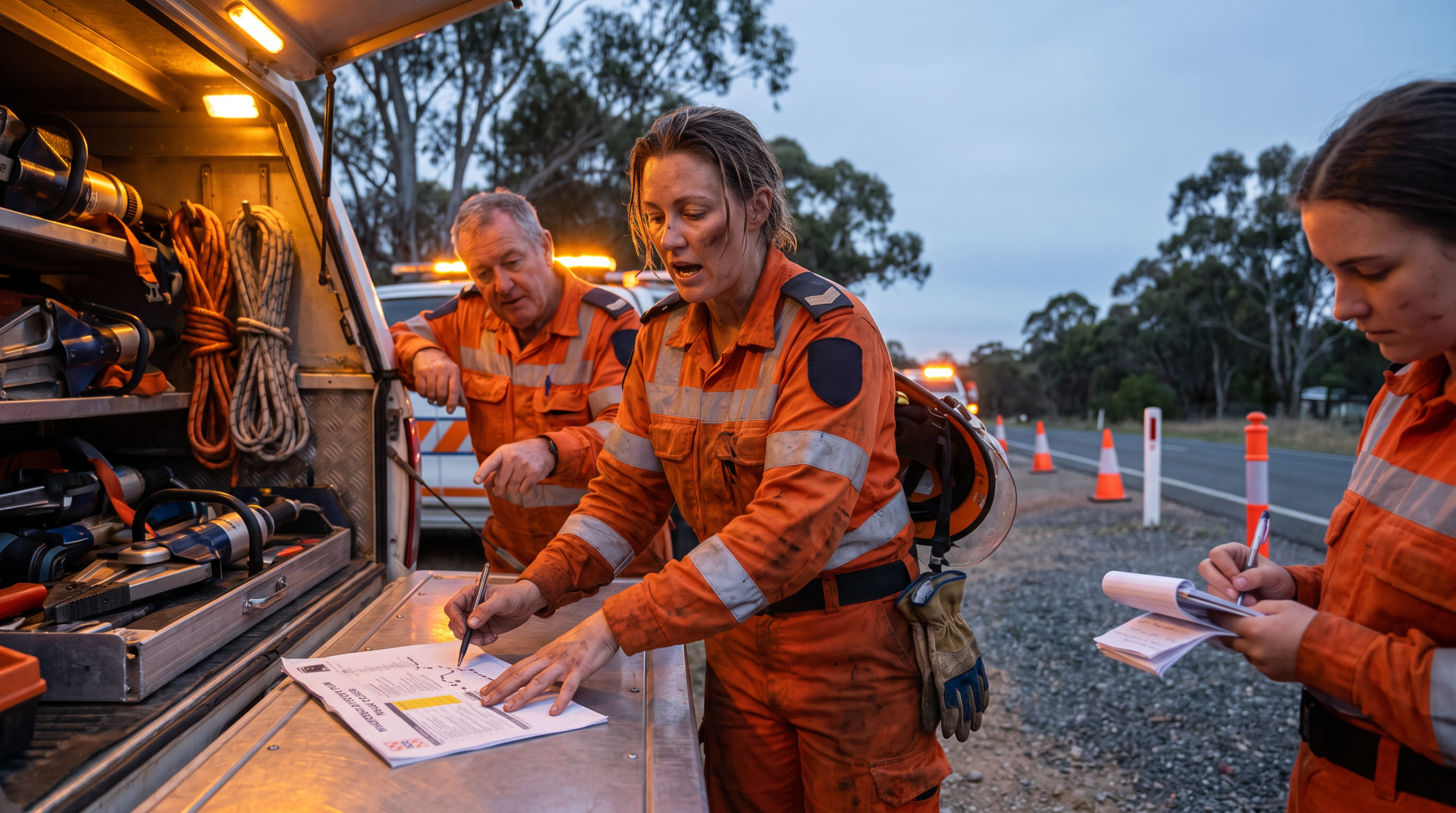
Military personnel and emergency services workers possess unique skill sets developed through intensive training and high-pressure operational environments. These competencies often translate directly to civilian qualifications across multiple industries, making RPL particularly valuable for career transition and advancement.
25% Discount for Defence and Emergency Services: 3CIR recognises the valuable service provided by current and former Australian Defence Force (ADF) members, police officers, firefighters, paramedics, and emergency services personnel. All current and former defence and emergency services personnel receive a 25% discount on RPL assessment fees as acknowledgment of their service and the unique skills they bring to civilian employment.
Translating Military Experience: Leadership roles in the military develop competencies directly applicable to management qualifications. Technical training in defence roles often exceeds civilian equivalent standards, making qualification attainment straightforward through comprehensive evidence compilation.
Emergency Services Expertise: First responders possess crisis management, decision-making, teamwork, and technical skills that align with numerous civilian qualifications in project management, leadership, training and assessment, and community services.
Specialised Assessment Approach: 3CIR’s assessors understand military and emergency services training frameworks, operational procedures, and the unique challenges of translating specialised experience into civilian qualification language. This expertise ensures fair and comprehensive assessment that recognises the true value of your service experience.
The transition from military or emergency services to civilian careers becomes smoother when your valuable experience receives formal recognition through nationally recognised qualifications that employers understand and value.
Frequently Asked Questions About RPL
How long does the RPL assessment process typically take?
The RPL assessment process usually takes 4-12 weeks depending on the complexity of your chosen qualification and the completeness of your evidence portfolio. Simple Certificate III qualifications may be completed in as little as 4-6 weeks, while Advanced Diplomas requiring extensive documentation may take 8-12 weeks. You can check your RPL eligibility to find out what qualifications match your experience.
Can I apply for RPL if I don’t have formal work experience?
Yes, RPL recognises skills gained through volunteer work, life experiences, informal training, and previous study. The key is demonstrating that you can perform the required competencies regardless of how you acquired those skills.
What happens if my RPL assessment is only partially successful?
If you don’t demonstrate competency in all required areas, you’ll receive recognition for the units you did pass and can complete the remaining units through targeted training or additional assessment activities.
Are RPL qualifications recognised by employers the same as traditional qualifications?
Absolutely. RPL qualifications are identical to those obtained through traditional study methods. They appear the same on your certificate and carry the same recognition in the workplace and for further study pathways.
How much does RPL assessment cost compared to traditional study?
RPL typically costs 30-60% less than completing the equivalent qualification through traditional coursework, as you’re only paying for assessment rather than training delivery and extended timeframes.
Can ADF personnel use their military training for civilian qualifications?
Yes, ADF personnel often possess skills that directly align with civilian qualifications in leadership, project management, logistics, security, training, and technical fields. Military experience is highly valued in RPL assessment processes.
What if I can’t provide all the required evidence for RPL?
RPL assessors work with you to identify alternative evidence sources or arrange practical demonstrations, professional discussions, or workplace observations that can substitute for missing documentation.
Can emergency services workers gain business qualifications through RPL?
Emergency services personnel often develop strong leadership, crisis management, team coordination, and decision-making skills that align well with business and management qualifications through the RPL pathway.
Is there a minimum amount of experience required for RPL assessment?
While there’s no strict minimum, you typically need sufficient experience to demonstrate all required competencies. This usually means 2-5 years of relevant experience, though this varies by qualification level and industry.
Can I complete RPL assessment while working full-time?
Yes, RPL is designed for working professionals. The process is flexible, allowing you to compile evidence and complete assessment activities around your work schedule without attending regular classes.
Begin your RPL journey today and transform your experience into recognised qualifications that advance your career prospects.
Related Training Videos
Explore these comprehensive training overviews for popular qualification pathways: