
Online Courses Australia: The Ultimate Guide to Digital Learning and Vocational Training
Online courses revolutionise Australian education by offering flexible, accessible, nationally recognised qualifications from home. These digital learning platforms provide career-focused training with certificates that enhance professional credentials across diverse industries.
Understanding Online Courses in Australian Vocational Education
Online courses represent digitally delivered educational programs that enable learners to access structured learning materials, assessments, and qualifications through internet-based platforms. Within Australia’s Vocational Education and Training (VET) system, online courses are delivered by Registered Training Organisations (RTOs) and provide nationally recognised qualifications under the Australian Qualifications Framework (AQF). These courses combine theoretical knowledge with practical skills development through virtual learning environments, enabling students to complete vocational qualifications, diplomas, and certificates without geographical constraints. The Australian Skills Quality Authority (ASQA) regulates these online training providers to ensure quality standards and recognition across all states and territories.
Why Choose Online Education for Your Professional Development?
The digital age has transformed educational landscapes across Australia, eliminating geographic limitations and traditional classroom constraints. From Sydney’s bustling business districts to remote Queensland towns, professionals can now access future-focused learning without leaving their homes. This educational revolution provides unprecedented opportunities for career advancement and skills development.
Online learning flexibility stands as the primary advantage, allowing you to study at your own pace while balancing work and personal commitments. This approach particularly benefits working professionals, parents, and those with irregular schedules who require educational solutions that adapt to their lifestyle demands.
Online courses also unlock access to specialised programs unavailable through local institutions. Whether you’re pursuing business administration qualifications or advanced marketing certifications, digital platforms connect you with expert instructors and comprehensive curricula regardless of your physical location.
Start Your Online Learning Journey Today
What Makes Online Certificates Valuable in Today’s Job Market?
Professional credentials carry unprecedented importance in today’s competitive employment landscape. Online courses with certificates provide tangible proof of your dedication, expertise, and professional development commitment. These qualifications demonstrate to employers that you possess current industry knowledge and practical skills applicable to real-world scenarios.
Nationally recognised online qualifications through registered training organisations hold the same value as traditional classroom-based certificates. Australian employers increasingly recognise and value online learning credentials, particularly when delivered by training.gov.au approved providers who maintain rigorous quality standards.
How Do Online Courses Accommodate Different Learning Styles?
Modern online learning platforms incorporate diverse teaching methodologies to support various learning preferences. Visual learners benefit from interactive presentations, infographics, and video demonstrations, while auditory learners engage with recorded lectures, podcasts, and discussion forums. Kinesthetic learners access virtual simulations, practical exercises, and hands-on project work that reinforce theoretical concepts.
Self-paced learning modules allow you to revisit complex topics multiple times, pause for reflection, and progress when you feel confident with the material. This personalised approach contrasts sharply with traditional classroom environments where instruction proceeds at predetermined speeds regardless of individual comprehension levels. Find out more about how to how to get started with RPL.
Which Industries Benefit Most from Online Vocational Training?
Virtually every Australian industry recognises the value of online vocational education. Business and administration sectors particularly embrace digital learning for leadership development, project management, and strategic planning skills. Healthcare and aged care industries utilise online training for compliance requirements, professional development, and specialised certifications.
Construction and mining sectors leverage online courses for safety training, equipment operation, and regulatory compliance education. Information technology professionals rely on online platforms for continuous skills updates, cybersecurity training, and emerging technology certifications that keep pace with rapid industry evolution.
Government and public sector organisations increasingly mandate online training for policy updates, diversity and inclusion programs, and professional development initiatives. These sectors appreciate the cost-effectiveness and scalability of digital learning solutions.
How Does Online Assessment Ensure Learning Quality and Integrity?
Quality online education providers implement robust assessment strategies that maintain academic integrity while accommodating flexible learning schedules. Multi-format assessments include written assignments, practical demonstrations, online examinations, and portfolio submissions that comprehensively evaluate your knowledge and skills development.
Proctored examinations, plagiarism detection software, and identity verification systems ensure assessment authenticity and maintain the credibility of online qualifications. Many providers also incorporate workplace-based assessments where you demonstrate skills in real professional environments, bridging the gap between theoretical learning and practical application.
What Technology Requirements Support Successful Online Learning?
Successful online learning requires minimal technical infrastructure accessible to most Australian households. A reliable internet connection, modern web browser, and basic computer literacy form the foundation for digital education participation. Most online courses operate effectively with standard broadband speeds available across urban and regional Australia.
Mobile-responsive learning platforms enable study access through smartphones and tablets, providing additional flexibility for busy professionals. Cloud-based systems automatically save progress, sync across devices, and provide seamless learning continuity whether you’re studying at home, work, or while travelling.
Understanding Recognition of Prior Learning (RPL) for Online Qualifications
Recognition of Prior Learning (RPL) represents a transformative pathway for experienced professionals seeking formal qualifications that reflect their existing skills and knowledge. This assessment process evaluates your current competencies against national training standards, potentially allowing you to achieve qualifications without completing entire courses.
Online RPL assessments accommodate working professionals by providing flexible submission timeframes and digital portfolio development tools. You can compile evidence of your experience, skills, and knowledge through workplace documents, testimonials, and practical demonstrations that showcase your expertise.
The RPL process typically involves initial consultation, evidence gathering, competency mapping, and formal assessment. Qualified assessors review your submissions against Australian Qualifications Framework standards to determine appropriate qualification levels and any additional training requirements. For more information, learn how RPL works.
Industries with significant RPL opportunities include business management, project coordination, human resources, workplace health and safety, and information technology. Experienced professionals often discover they possess competencies equivalent to diploma or advanced diploma levels, significantly accelerating their qualification journey.
Explore RPL Assessment Options
Veterans and Emergency Services Personnel: Special Recognition and Benefits
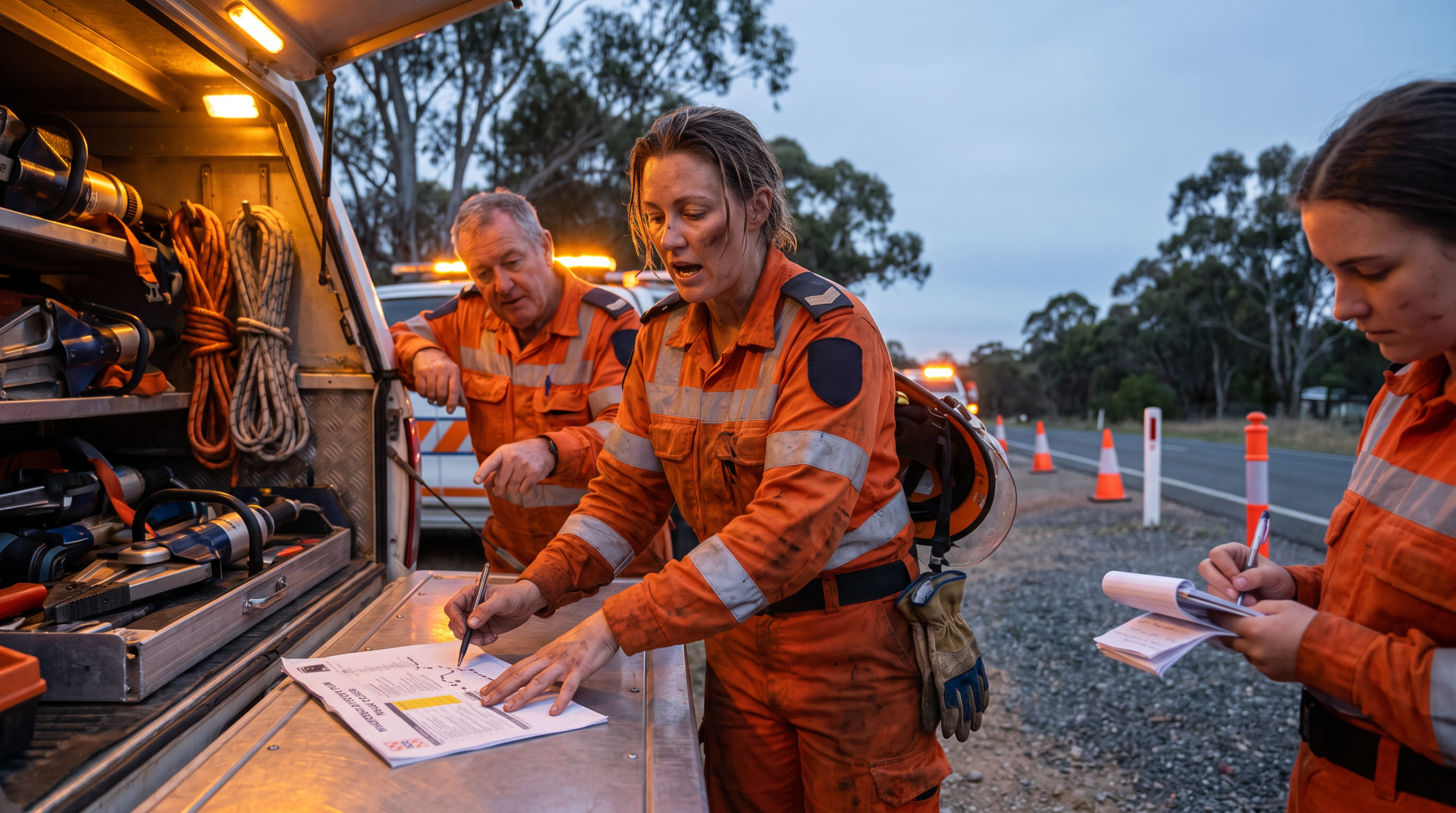
Australian Defence Force (ADF) personnel and emergency services professionals possess exceptional skills, leadership experience, and practical knowledge developed through demanding operational environments. These capabilities translate directly into civilian qualifications through targeted online courses and RPL pathways designed specifically for defence and emergency services backgrounds.
3CIR proudly offers a 25% discount for all current and former defence and emergency services personnel, recognising your service and commitment to Australia. This significant reduction makes quality vocational education more accessible as you transition to civilian careers or advance within emergency services organisations.
Military experience in logistics, communications, leadership, and project management aligns closely with business and management qualifications. Emergency services personnel bring valuable expertise in crisis management, public safety, training coordination, and community engagement that supports diverse career pathways.
Online learning particularly suits defence and emergency services personnel who may be deployed, working shifts, or managing unpredictable schedules. Self-paced study accommodates operational commitments while maintaining educational progress toward meaningful qualifications.
Transitioning service members benefit from leadership and management training that formalises their command experience into recognised civilian qualifications. These credentials open doors to management positions, consulting opportunities, and leadership roles across various industries.
Frequently Asked Questions About Online Courses Australia
Are online qualifications recognised by Australian employers?
Yes, online qualifications from registered training organisations carry the same recognition and value as traditional classroom-based certificates. Australian employers increasingly accept and value online learning credentials when delivered by ASQA-approved providers meeting national quality standards.
How long do online courses typically take to complete?
Online course duration varies significantly based on qualification level and study intensity. Certificate III programs typically require 6-12 months, while diploma qualifications may take 12-18 months. Self-paced learning allows you to accelerate or extend timeframes according to your schedule and learning preferences.
What support services are available for online learners?
Quality online education providers offer comprehensive student support including academic advisors, technical assistance, library access, and career guidance services. Many providers also facilitate online study groups, discussion forums, and virtual networking opportunities to enhance your learning experience. You can check your RPL eligibility to find out what qualifications match your experience.
Can I access online courses from regional or remote areas?
Absolutely, online courses are specifically designed to overcome geographical barriers affecting regional and remote Australian communities. Standard broadband internet connections support most online learning platforms, making quality education accessible regardless of your location.
How do online practical assessments work for hands-on skills?
Online courses incorporate various practical assessment methods including video submissions, workplace observations, virtual simulations, and portfolio compilations. Many programs also arrange local assessment centres or workplace-based evaluations to ensure comprehensive skills verification.
What career opportunities exist for ADF veterans through online education?
ADF veterans can leverage online education for diverse career transitions including project management, business administration, cybersecurity, logistics coordination, and emergency management roles. Military experience combined with formal qualifications creates compelling professional profiles for civilian employers.
How does RPL benefit emergency services personnel seeking qualifications?
Emergency services personnel often possess extensive practical experience equivalent to formal qualifications. RPL assessments can recognise this experience, potentially reducing course duration and costs while providing nationally recognised credentials that support career advancement opportunities.
Are online courses more affordable than traditional classroom education?
Online courses typically offer cost advantages through reduced facility overheads, eliminated travel expenses, and flexible payment options. Additionally, the ability to maintain employment while studying provides income continuity that traditional full-time education may not accommodate.
What happens if I struggle with online learning technology?
Reputable online education providers offer comprehensive technical support, orientation programs, and digital literacy assistance. Most learning platforms feature intuitive interfaces requiring minimal technical expertise, and support teams are available to resolve any technological challenges you encounter.
Can I transfer credits between different online course providers?
Credit transfer arrangements vary between providers, but many RTOs recognise prior learning from other registered organisations. National training packages facilitate some credit transfers, particularly for core competency units that maintain consistent standards across different providers.
Related Online Course Videos
- Leadership and Management Online Training
- Human Resources Online Courses
- Work Health and Safety Online Training
- Security and Risk Management Online Courses
- Business Administration Online Training
- Marketing and Communications Online Courses
- Government and Public Sector Online Training
- Project Management Online Courses