
Try a Fulfilling Career in Project Management | 3CIR
AI Summary: Project management offers a rewarding career path with growing demand across industries. Project managers coordinate teams, oversee deliverables, and ensure timely completion of initiatives while developing valuable leadership and organisational skills.
What is Project Management?
Project management is the application of knowledge, skills, tools, and techniques to project activities to meet project requirements. It involves initiating, planning, executing, controlling, and closing the work of a team to achieve specific goals within defined constraints. Project managers serve as the central coordinating figure, responsible for delivering projects on time, within budget, and to the required quality standards. The discipline encompasses various methodologies including Agile, Waterfall, and hybrid approaches. Project delivery is recognised across industries from construction and IT to healthcare and defence, making it one of the most transferable career paths available. The Project Management Institute (PMI) defines project coordination as a temporary endeavour undertaken to create a unique product, service, or result, distinguishing it from ongoing operational activities.
Why Choose a Career in Project Management?
Choosing to become a project manager can be the best decision you make. It might be your option if you are looking for a future-secure profession. With the demand for project managers on the rise, pursuing the field is a great idea. Although it requires great stress, it can be equally rewarding.
The managing projects profession offers exceptional career stability and growth opportunities. According to industry reports, project management roles are expected to continue growingthrough 2027, with approximately 22 million new project delivery positions expected globally. This growth spans across traditional industries and emerging sectors including renewable energy, artificial intelligence, and digital transformation.
Project managers enjoy competitive salaries, with median earnings significantly above national averages. The role provides excellent advancement opportunities, from junior project coordinator to senior programme director or chief project officer. Many professionals find the variety and challenge of project work intellectually stimulating, as no two projects are identical.
Assess your project management experience through our RPL pathway and fast-track your formal qualifications.
What Does a Typical Day Look Like for Project Managers?
As a project manager, you would handle one or multiple projects simultaneously. A great thing about the field is that you are unlikely to do the same thing weekly. There will be more stress on some days and less emphasis on others. This is what delivery management is all about. You will need to get all the tasks completed on time.
10% of the Day – Reading Emails and Planning
The first thing you will do is check the emails and get updated. The earlier you arrive at work, the better. It will ensure that potential stressors do not prevent you later on. So, you have to create a plan for the entire day. This planning phase involves reviewing project dashboards, checking milestone progress, and identifying any blockers that need immediate attention.
20% of the Day – Group Meetings
Once you have planned out the day, you will proceed with group meetings. This will ensure that everyone is on the same page. Besides, it is your job to prepare them for the day, confirm their assignments, and delegate activities. Hosting a scrum daily meeting is standard practice. Scrums are 15-minute meetings where everyone is present, and daily plans are iterated to save time and prevent mistakes.
40% of the Day – Managing People and Projects
Various soft skills are required daily to ensure success. Project managers spend significant time on stakeholder management, risk assessment, and quality assurance. This includes reviewing deliverables, conducting performance evaluations, and maintaining project documentation.
Essential daily activities include:
- Hiring new people and building teams
- Attending conferences and stakeholder meetings
- Monitoring project budgets and timelines
- Resolving conflicts and removing obstacles
- Communicating with clients and senior management
- Updating project coordination software and tracking systems
What Skills Do You Need for Project Management Success?
Successful project managers require a blend of technical and soft skills. Communication stands as the most critical skill, as project managers interface with diverse stakeholders including executives, team members, vendors, and clients. You need to convey complex information clearly and adapt your communication style to different audiences.
Leadership skills are equally important, even when you don’t have direct authority over team members. You must inspire and motivate teams, build consensus, and drive results through influence rather than hierarchy. Problem-solving abilities help you navigate unexpected challenges and find creative solutions within project constraints. Find out more about how to managing projects RPL qualifications.
Technical skills vary by industry but typically include proficiency in project management software like Microsoft Project, Asana, or Jira. Understanding of business administration principles helps manage budgets and resources effectively. Risk management capabilities allow you to identify potential issues early and develop mitigation strategies.
Time management and organisation skills are fundamental, as project managers juggle multiple priorities and deadlines simultaneously. Negotiation skills help secure resources and resolve conflicts, while analytical thinking supports data-driven decision making throughout the project lifecycle.
How Much Can Project Managers Earn in Australia?
Project delivery offers attractive earning potential across Australia. Entry-level project coordinators typically earn between a competitive salary, while experienced project managers command salaries from a competitive salary. Senior project managers and programme directors can earn a competitive salary or more in major cities.
Industry specialisation significantly impacts earning potential. IT project managers often command premium salaries due to high demand for digital transformation projects. Construction and infrastructure project managers benefit from Australia’s ongoing infrastructure investment. Defence and government project management roles offer competitive packages with additional benefits.
Location also influences compensation, with Sydney and Melbourne typically offering higher salaries than regional areas. However, the rise of remote work has created new opportunities for regional professionals to access metropolitan salary levels while enjoying lower living costs.
Professional certifications like PMP (Project coordination Professional) or PRINCE2 can increase earning potential by 15-25%. Many organisations specifically seek certified project managers for senior roles and complex projects.
What Industries Hire Project Managers?
Project management skills transfer across virtually every industry, making it one of the most versatile career paths available. Technology companies require project managers for software development, system implementations, and digital transformation initiatives. The construction industry relies heavily on project managers to coordinate complex builds and infrastructure projects.
Healthcare organisations need project managers for facility upgrades, system implementations, and clinical research projects. Financial services firms employ project managers for regulatory compliance initiatives, system upgrades, and new product launches. Government agencies across federal, state, and local levels require project managers for policy implementation, infrastructure development, and service delivery improvements.
Manufacturing companies use project managers for lean implementation, equipment installations, and process improvements. Consulting firms employ project managers to deliver client engagements across various industries. The energy sector, including renewable energy projects, creates significant demand for experienced project managers.
Event management, marketing agencies, and non-profit organisations also provide managing projects opportunities. This diversity means you can transition between industries throughout your career while leveraging your core project management competencies.
Recognition of Prior Learning (RPL) for Project delivery
Recognition of Prior Learning provides an excellent pathway for experienced professionals to gain formal project management qualifications. If you’ve been managing projects informally or in specific industries, RPL allows you to receive credit for your existing skills and experience.
The Project coordination qualifications available through RPL include Certificate IV in Project Management Practice and Diploma of Managing projects. These nationally recognised credentials validate your existing capabilities while providing formal recognition that employers value. For more information, what is RPL.
RPL assessment considers various forms of evidence including work samples, references, training records, and performance reviews. Many professionals find they already possess most competencies required for formal qualifications, significantly reducing study time compared to traditional learning pathways.
3CIR specialises in RPL for professionals with industry experience, making the qualification process efficient and tailored to your background. Our assessors understand how project management skills develop in workplace environments and can recognise competencies gained through practical application.
The RPL process typically takes 4-12 weeks, depending on the qualification level and evidence quality. This represents a significant time saving compared to traditional courses that may take 12-18 months to complete.
Start your RPL assessment today and discover how your experience translates into formal qualifications.
Special Benefits for Veterans and Emergency Services Personnel
3CIR recognises the valuable project delivery experience gained through military and emergency services careers. ADF personnel routinely manage complex operations, coordinate multi-disciplinary teams, and deliver results under pressure – all core project management competencies.
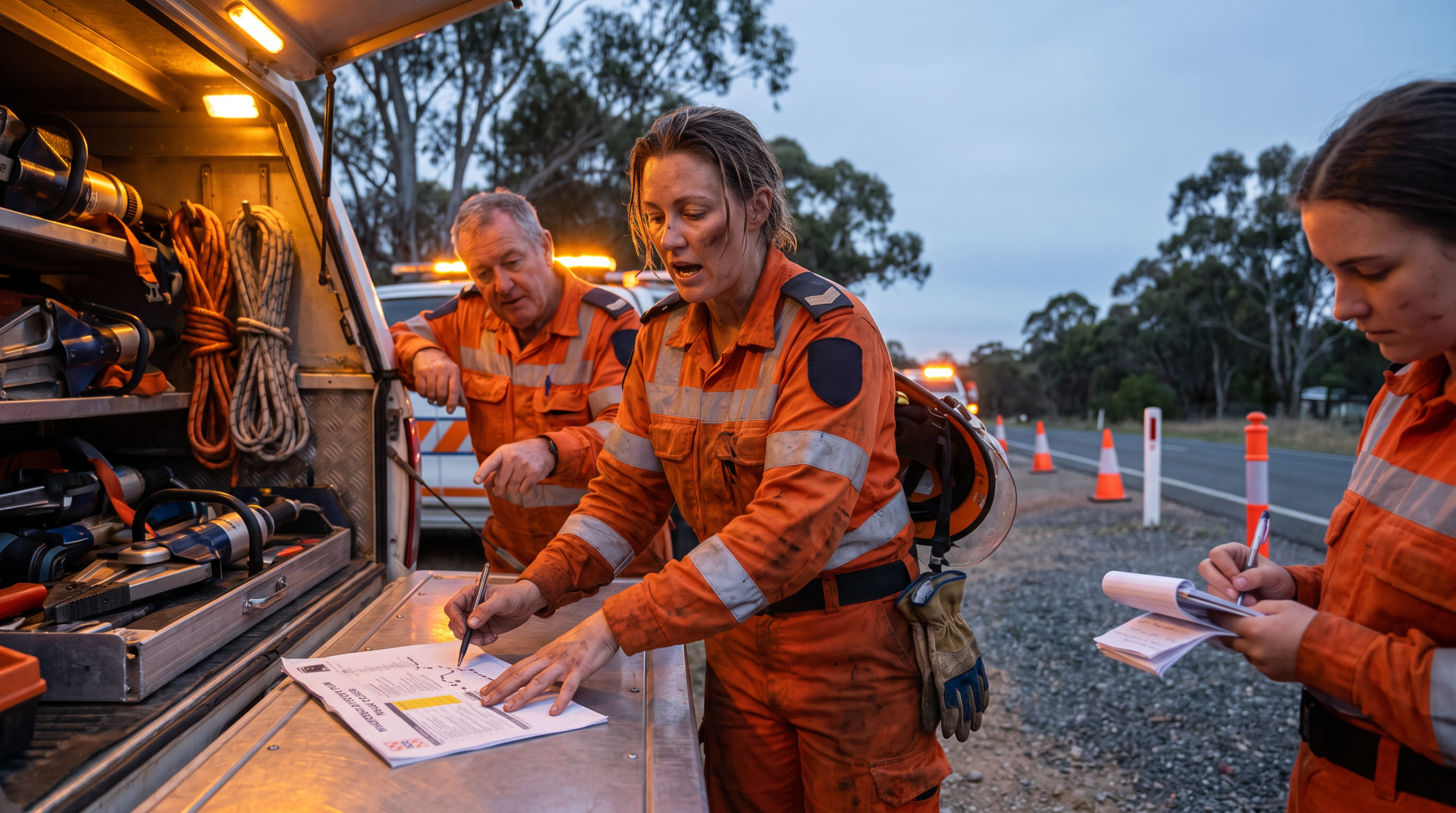
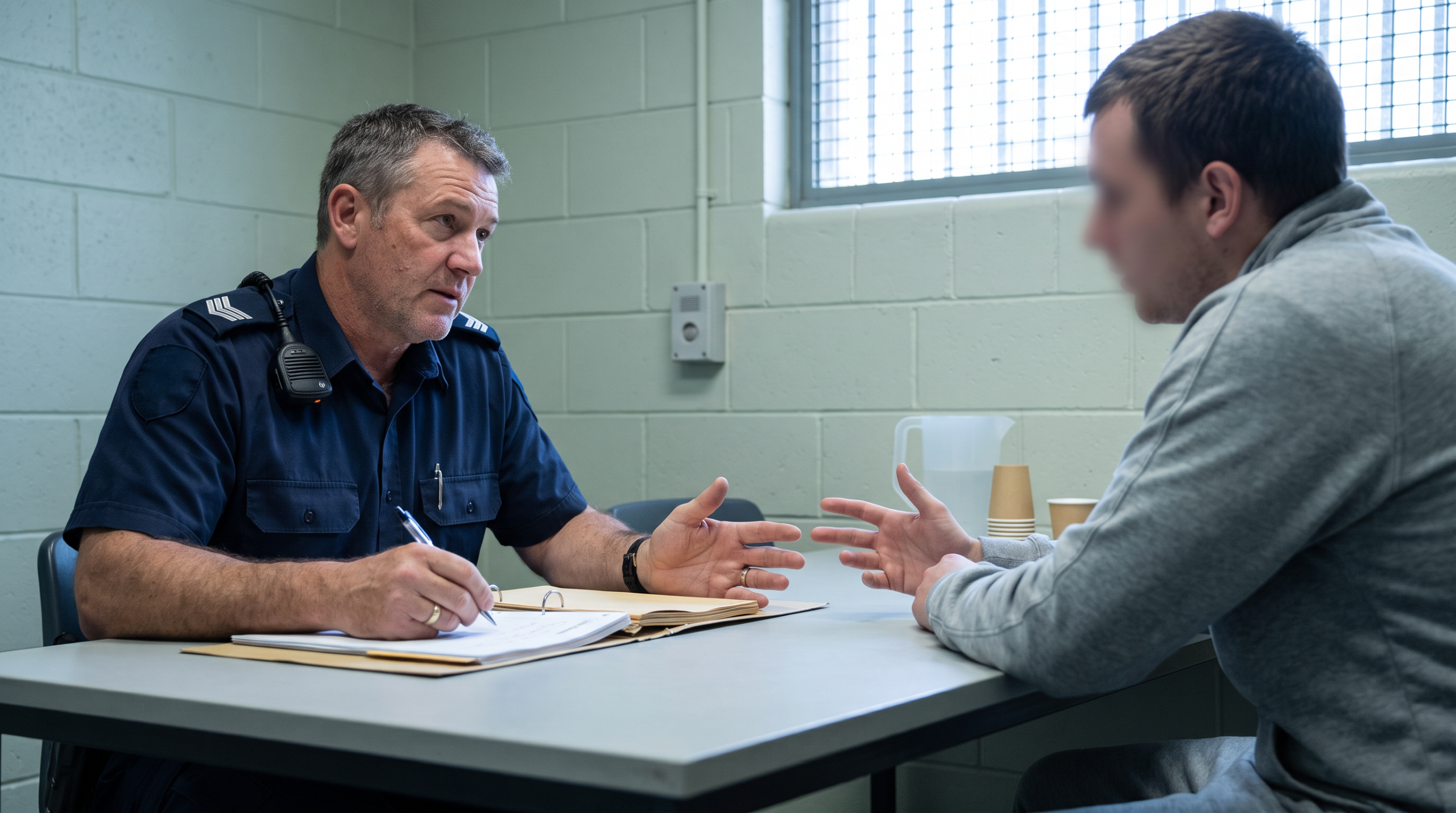
Emergency services professionals including police, fire, and ambulance personnel develop exceptional crisis management, resource coordination, and stakeholder communication skills. These capabilities directly translate to civilian project coordination roles across industries.
Current and former defence and emergency services personnel receive a 25% discount on all 3CIR qualifications, making formal recognition of your skills more accessible. This discount applies to both RPL assessments and traditional training pathways.
Military project management experience often exceeds civilian requirements in terms of complexity and stakes. Operations planning, logistics coordination, and multi-agency collaboration provide excellent foundations for civilian managing projects careers. The structured approach and attention to detail developed in service environments align perfectly with project management methodologies.
Many veterans successfully transition into lucrative project delivery careers in construction, IT, government, and consulting. Your security clearance and reliability factors make you particularly attractive to government contractors and defence industry employers.
Emergency services experience in incident management, resource allocation, and community engagement provides valuable skills for project managers in healthcare, infrastructure, and public sector organisations.
Claim your 25% veteran discount and fast-track your project management qualification today.
Frequently Asked Questions About Project coordination Careers
What qualifications do I need to become a project manager?
You don’t need specific qualifications to start in project management, but formal credentials significantly improve career prospects. A Certificate IV or Diploma in Managing projects provides comprehensive foundation knowledge and is highly valued by employers across industries. You can start your free assessment to find out what qualifications match your experience.
How long does it take to become a qualified project manager?
Traditional study pathways take 12-18 months, but RPL can reduce this to 4-12 weeks for experienced professionals. The timeframe depends on your existing experience and the qualification level you’re pursuing through assessment.
Can I work as a project manager without formal training?
While possible, formal qualifications significantly improve employment prospects and earning potential. Many organisations require certified project managers for senior roles and complex projects, making qualifications essential for career progression.
What’s the difference between a project manager and programme manager?
Project managers oversee individual projects, while programme managers coordinate multiple related projects to achieve strategic objectives. Programme managers typically have more senior responsibilities and manage larger budgets and teams.
Is project management suitable for career changers?
Absolutely! Project delivery skills are transferable across industries, making it ideal for career transitions. RPL pathways allow professionals from various backgrounds to gain formal recognition for relevant experience and skills.
How does military experience translate to project management?
Military personnel develop exceptional planning, leadership, and execution capabilities that directly apply to project coordination. Operations planning, resource coordination, and mission-critical delivery align perfectly with civilian project management requirements.
What managing projects methodologies should I learn?
Start with traditional waterfall methodology and Agile approaches including Scrum and Kanban. PRINCE2 is popular in government and large organisations, while PMI frameworks are widely recognised internationally across various industries.
Can emergency services personnel become project managers?
Emergency services experience provides excellent project management foundations including crisis management, stakeholder coordination, and resource allocation under pressure. These skills are highly valued in civilian project delivery roles.
What software skills do project managers need?
Proficiency in Microsoft Project, Asana, Jira, or similar project management platforms is essential. Additionally, strong Excel skills for budgeting and reporting, plus familiarity with collaboration tools like Teams or Slack.
How much experience do you need before applying for project manager roles?
Entry-level project coordinator roles require minimal experience, while project manager positions typically seek 2-5 years of relevant experience. However, equivalent experience from military, emergency services, or other leadership roles is often considered suitable.
Ready to transform your experience into formal qualifications? Contact 3CIR today to discover how Recognition of Prior Learning can fast-track your project coordination career. Take advantage of our veteran discount and expert RPL assessment services.