
Reach New Professional Heights with Leadership Training | 3CIR
Leadership training transforms your professional capabilities, motivates teams, and improves business outcomes. Whether you’re an early-career manager or seasoned executive, structured leadership development strengthens your ability to drive organisational success and advance your career.
What is Leadership Training?
Leadership training is a structured educational approach designed to develop and enhance the skills, knowledge, and competencies required for effective leadership. This comprehensive training encompasses various methodologies including formal qualifications, workshops, mentoring programs, and experiential learning opportunities. In Australia’s vocational education and training (VET) system, leadership qualifications are governed by the Australian Qualifications Framework (AQF) and delivered through registered training organisations (RTOs). These programs focus on developing strategic thinking, emotional intelligence, communication skills, team management, and decision-making capabilities. Leadership training can be delivered through various formats including online learning, face-to-face instruction, blended delivery, and recognition of prior learning (RPL) pathways, making it accessible to professionals across diverse industries and career stages.
Why Leadership Skills Training Matters for Your Career
Leadership skills training can help improve your career no matter where you are in your management journey. The training can help strengthen your professional capabilities, motivate your team, and help improve business outcomes. Successful leaders can restructure organisations, refine value creation, increase efficiencies, and engage their workforce for better results.
In today’s competitive business environment, leadership competencies have become essential differentiators for career advancement. Whether you’re seeking promotion, transitioning into management roles, or looking to enhance your current leadership effectiveness, structured training provides the framework for sustainable professional growth.
Explore your leadership development options through our comprehensive assessment process.
Core Leadership Development Areas
Managers and leaders are often encouraged to:
- Develop team skills and help elevate individual competencies
- Create new business possibilities and find new avenues for growth
- Inspire all organisational stakeholders to work toward a common goal
- Foster innovation and adaptability in rapidly changing environments
- Build resilient teams capable of overcoming challenges
- Implement strategic planning and performance management systems
These foundational areas form the backbone of effective leadership and are integrated throughout nationally recognised leadership qualifications available through Australian training providers.
What Are the Eight Key Advantages of Leadership Training?
The following are the eight most important advantages of leadership skills training:
- You’ll be able to devise a leadership strategy to match your unique team
- You’ll get the skills needed to boost your team’s productivity at work
- It will help you lower staff turnover and increase employee engagement, resulting in a strong and cohesive workforce
- It will assist you in identifying your personality traits, helping you improve your management style
- You’ll improve your communication abilities by learning to negotiate, influence, and resolve conflicts
- As a leader, you’ll gain more confidence and discover new ways to influence the teams you lead
- You’ll learn how to interact with people effectively, give constructive feedback, and critically seek input from your team
- You’ll develop strategic thinking capabilities that align team objectives with organisational goals
These advantages translate directly into measurable career outcomes, including increased earning potential, enhanced job security, and expanded career opportunities across various industries.
How Does Leadership Training Support Different Career Stages?
Leadership training can be invaluable across each stage of your career:
Early to Mid-Career Leadership Skills Training
By honing their leadership qualities, young managers can prepare for increasing responsibilities and career advancement. Early-career professionals benefit from foundational leadership concepts, including team dynamics, basic project management, and effective communication strategies. This stage focuses on developing self-awareness, building confidence in decision-making, and understanding organisational structures. Find out more about how to RPL for leadership and management.
Senior Leadership Development
Experienced managers require advanced leadership training that addresses complex organisational challenges, strategic planning, and change management. Senior leadership programs emphasise executive presence, stakeholder management, and the ability to drive cultural transformation within organisations.
Transitional Leadership Training
Professionals moving between industries or taking on new leadership roles benefit from targeted training that addresses specific contextual challenges while building upon existing experience and expertise.
Recognition of Prior Learning (RPL) for Leadership Qualifications
Recognition of Prior Learning (RPL) provides an accelerated pathway for experienced professionals to gain formal leadership qualifications based on their existing skills and experience. This VET pathway is particularly valuable for individuals who have developed leadership capabilities through practical experience rather than formal education.
The RPL process involves comprehensive assessment of your current competencies against national training standards. This includes:
- Portfolio development showcasing leadership achievements
- Skills demonstration through practical assessments
- Professional interviews with qualified assessors
- Workplace-based evidence collection
RPL enables you to fast-track your qualification journey while maintaining the rigour and standards required for nationally recognised credentials. This approach is particularly suited to experienced managers seeking formal recognition of their leadership capabilities.
Begin your RPL journey with a comprehensive skills assessment.
Veterans and Emergency Services Personnel Leadership Training
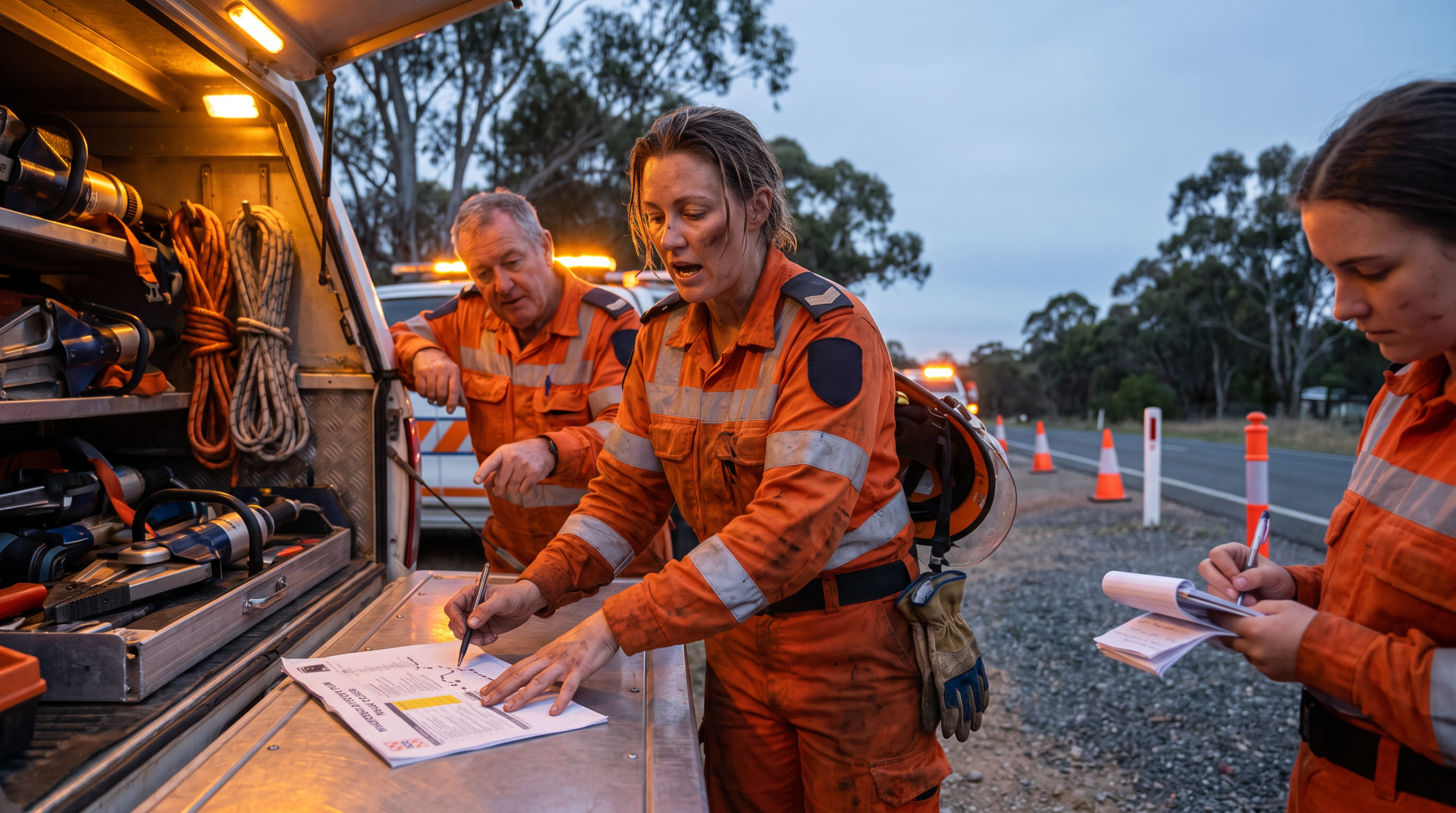
Australian Defence Force (ADF) personnel and emergency services professionals possess unique leadership experience developed through high-pressure operational environments. These individuals often demonstrate advanced competencies in crisis management, team coordination, and strategic decision-making under pressure.
3CIR recognises the exceptional leadership capabilities of defence and emergency services personnel by offering a 25% discount on all leadership qualifications. This acknowledgment reflects the premium leadership experience gained through military and emergency services training.
Veterans transitioning to civilian leadership roles benefit from:
- Translation of military leadership experience into civilian contexts
- Understanding of corporate governance and commercial leadership requirements
- Development of stakeholder management skills for non-hierarchical environments
- Adaptation of command leadership styles to collaborative leadership approaches
Emergency services personnel, including police, fire, and ambulance professionals, bring valuable crisis leadership experience that translates effectively into corporate emergency management, risk assessment, and team coordination roles. For more information, learn how RPL works.
Industry-Specific Leadership Applications
Leadership training adapts to various industry requirements while maintaining core competencies. Different sectors require specific leadership approaches:
Healthcare Leadership: Focuses on patient care outcomes, multidisciplinary team coordination, and regulatory compliance management.
Construction and Engineering: Emphasises safety leadership, project coordination, and technical team management.
Information Technology: Addresses agile methodologies, innovation management, and technical team leadership in rapidly evolving environments.
Government and Public Sector: Concentrates on public accountability, stakeholder engagement, and policy implementation leadership.
These industry-specific applications ensure leadership training remains relevant and immediately applicable to your professional context. Explore industry-specific training options to maximise your leadership development investment.
Frequently Asked Questions
What qualifications do I need to start leadership training?
Most leadership training programs accept participants with relevant work experience and basic educational requirements. Entry-level leadership courses typically require completion of Year 12 or equivalent, while advanced programs may require existing qualifications or substantial management experience.
How long does it take to complete leadership training?
Duration varies depending on the qualification level and delivery mode. Certificate IV qualifications typically take 6-12 months, while Diploma and Advanced Diploma programs may take 12-24 months. RPL pathways can significantly reduce completion timeframes for experienced professionals.
Can I study leadership training online?
Yes, most leadership qualifications are available through online delivery, providing flexibility for working professionals. Online training includes interactive modules, virtual workshops, and digital assessment submissions, maintaining quality while offering convenience.
Is leadership training recognised by employers?
Nationally recognised leadership qualifications from registered training organisations are widely accepted by Australian employers. These qualifications align with industry standards and demonstrate commitment to professional development. You can check your RPL eligibility to find out what qualifications match your experience.
What career opportunities open up after leadership training?
Leadership qualifications enhance prospects for management roles, team leadership positions, project management opportunities, and senior executive positions. Many graduates report salary increases and faster career progression following qualification completion.
How does RPL work for ADF personnel transitioning to civilian leadership roles?
ADF personnel can leverage their military leadership experience through RPL assessment, which evaluates command experience, operational leadership, and team management capabilities against civilian qualification standards. This process typically reduces study time significantly.
What support is available for emergency services personnel pursuing leadership qualifications?
Emergency services personnel receive 25% discount on leadership training and access to specialised assessment processes that recognise crisis leadership experience. Additional support includes flexible study arrangements accommodating shift work patterns.
Are there government funding options for leadership training?
Various government funding schemes support vocational education, including VET Student Loans for diploma and advanced diploma programs. Specific eligibility criteria apply, and funding availability varies by state and qualification level.
What assessment methods are used in leadership training?
Assessment combines written assignments, practical demonstrations, case study analysis, and workplace projects. This holistic approach ensures competency development across knowledge, skills, and application areas.
How do I choose the right leadership qualification level?
Qualification selection depends on current experience, career goals, and industry requirements. Certificate IV suits emerging leaders, Diploma level targets middle management, while Advanced Diploma addresses senior leadership roles. Professional consultation helps determine appropriate pathways.
Ready to transform your leadership capabilities? Start your leadership development journey with our comprehensive assessment process.
Leadership Training Videos: