
How Your Volunteer Experience Can Be Used for RPL Recognition
Volunteer experience counts for RPL recognition in Australian VET qualifications. You can transform your unpaid community work into nationally recognised credentials through Recognition of Prior Learning, regardless of whether your experience comes from charity shops, emergency services, or community organisations.
Recognition of Prior Learning (RPL) Definition
Recognition of Prior Learning is a formal assessment process within Australia’s Vocational Education and Training (VET) system that enables individuals to gain nationally recognised qualifications based on their existing skills, knowledge and experience. Administered by Registered Training Organisations (RTOs) under the Australian Qualifications Framework (AQF), RPL acknowledges learning acquired through work experience, volunteering, informal training, and life experiences. The Australian Skills Quality Authority (ASQA) oversees this process to ensure qualifications meet national standards. RPL eliminates the need to repeat learning you already possess, providing a pathway to formal recognition regardless of how or where you acquired your competencies.
Understanding RPL and Volunteer Experience Recognition
Recognition of prior learning refers to identifying, documenting, and recognising learning outcomes in formal and informal settings. While many people use their previous professional experience to secure qualifications through RPL, in reality, any experience can count! Volunteering is an excellent way to build business skills. The knowledge you gain from volunteering can be applied in many different settings, such as charity shops or even when running your own company! For example, if there was one thing learned in volunteer roles, it’s how important customer service is; volunteers make people happy and give back something valuable: loyalty towards brands, which means more sales for everyone involved.
Your volunteer work represents genuine skill development that aligns with nationally recognised training standards. Whether you’ve coordinated fundraising events, managed volunteer teams, or provided community services, these experiences demonstrate competencies that match formal qualification requirements.
What Role Do Volunteers Play in Australia’s Workforce?
Volunteers occupy a surprisingly large section of the workforce, with almost one-third of Australians aged 15 and over participating in voluntary work in 2019. During this time, these workers contributed approximately 596 million hours to the community and, more broadly, helped the national economy. From emergency services work through to meal prep for the aged, volunteers are often responsible for many important societal roles. With a wide variety of skills that can be gained through unpaid volunteer roles, it makes sense that it can be used for an RPL application!
The economic value of volunteer work in Australia exceeds billions of dollars annually, demonstrating the substantial skill base that exists within the volunteer sector. This expertise directly translates to formal qualification pathways through structured RPL assessment processes.
What Evidence Do You Need for Volunteer RPL Applications?
While there is no one road to acquiring qualifications through RPL, the process does require evidence to support your volunteer skills and experience. This can take many forms, including:
- References from current or former supervisors in your volunteer role
- Current or former volunteer contracts showing duration and responsibilities
- Training certificates from volunteer organisations
- Position descriptions outlining your volunteer duties
- Letters of commendation or recognition from community organisations
- Documentation of projects you led or participated in
- Evidence of training you provided to other volunteers
- Records of fundraising achievements or community impact
Your evidence portfolio should demonstrate how your volunteer experience matches the competency standards of your target qualification. Professional RPL assessors evaluate this evidence against national training package requirements to determine qualification eligibility.
Start Your RPL Assessment Today
How Can Volunteer Leadership Experience Count Towards Qualifications?
Leadership roles in volunteer organisations provide exceptional evidence for management and leadership qualifications. When you coordinate volunteer teams, manage community projects, or chair committee meetings, you’re demonstrating competencies that align with formal business qualifications. Your experience might include budget management, strategic planning, stakeholder engagement, and performance management – all core elements of recognised leadership programs. Find out more about how to understanding RPL in Australia.
Consider documenting instances where you’ve resolved conflicts between volunteers, implemented new procedures, or represented your organisation at community events. These scenarios demonstrate advanced interpersonal and management capabilities that RTOs recognise within Australian Qualifications Framework standards.
Which Industries Value Volunteer Experience Most Highly?
Certain industries particularly value volunteer experience due to the transferable skills involved. Community services organisations recognise that volunteers understand client needs and service delivery challenges. Retail and hospitality sectors value customer service skills developed through charity shop work or event management. Project management roles benefit from volunteers who’ve coordinated community initiatives or fundraising campaigns.
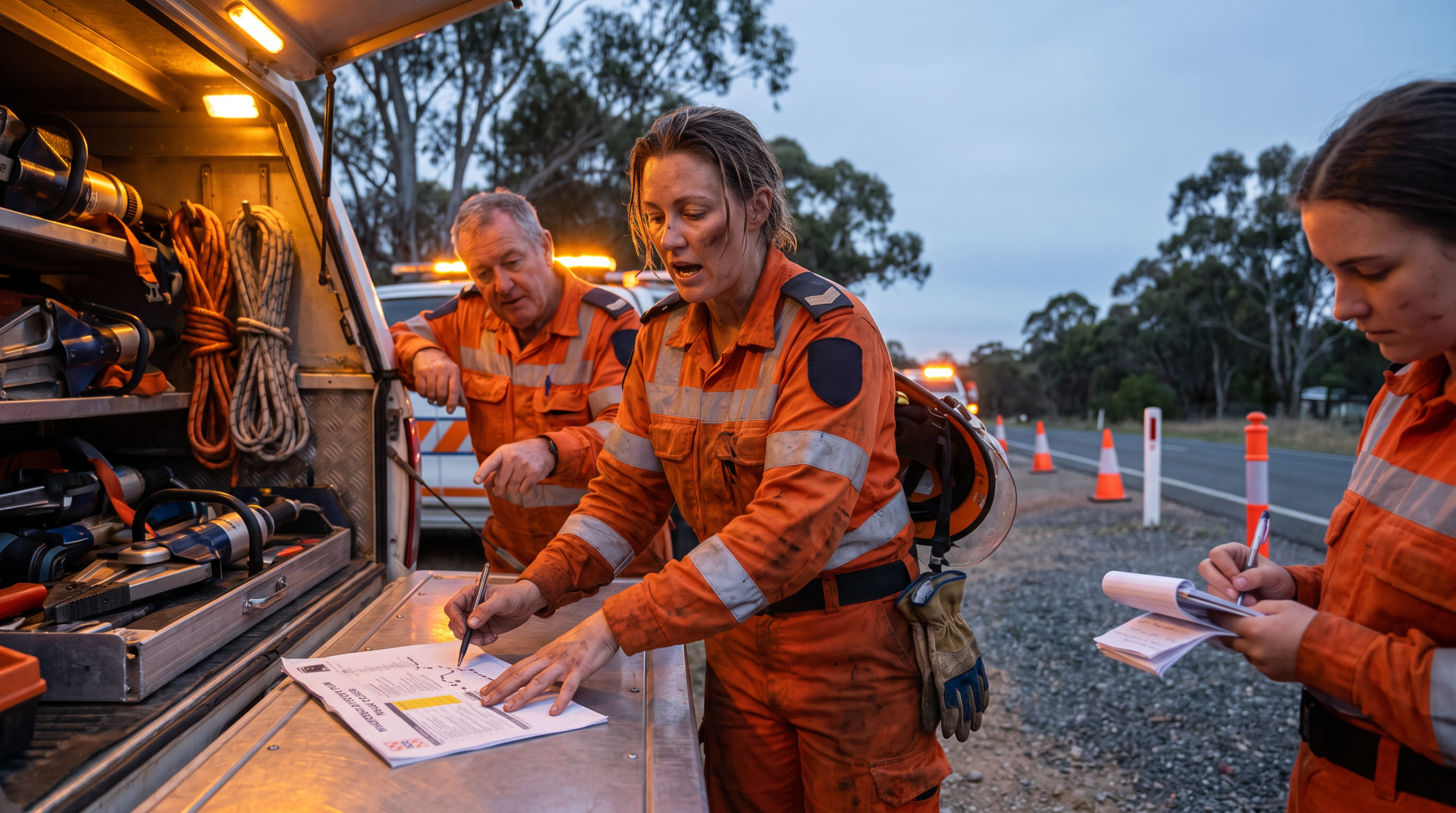
Emergency services volunteering provides exceptional pathways to security, risk management, and safety qualifications. Your volunteer firefighting experience, for example, demonstrates competencies in emergency response, team coordination, and safety compliance that directly match formal training outcomes.
How Does RPL Assessment Work for Volunteer Experience?
The RPL assessment process involves several structured stages designed to evaluate your competency against national standards. Initially, you’ll complete a detailed application outlining your volunteer experience and target qualification. Professional assessors then review your evidence portfolio, conduct competency interviews, and may arrange practical demonstrations of your skills.
Assessment methods vary depending on your target qualification but typically include portfolio reviews, structured interviews, workplace observation, and practical assessments. The process ensures that your volunteer experience genuinely meets the learning outcomes required for formal recognition.
Throughout assessment, you’ll work with qualified assessors who understand both volunteer contexts and industry requirements. They’ll guide you through evidence gathering and help identify gaps that might require additional training or documentation.
Recognition of Prior Learning Through Volunteer Experience
RPL represents a powerful pathway for transforming your volunteer contributions into nationally recognised qualifications. This assessment-only approach acknowledges that learning occurs in multiple contexts, not just formal training environments. Your years of volunteer service have equipped you with genuine competencies that deserve formal recognition.
The RPL process respects your existing knowledge while ensuring qualification standards remain rigorous. Professional assessors evaluate your volunteer experience against the same competency standards applied to traditional students, maintaining qualification integrity while recognising diverse learning pathways.
Successful RPL candidates often discover that their volunteer experience exceeds qualification requirements, leading to advanced standing or accelerated pathways to higher-level credentials. This recognition can significantly impact your career progression and professional credibility.
Explore qualification options that align with your volunteer background, from business and leadership to community services and project management. For more information, frequently asked questions about RPL.
Special Opportunities for Defence and Emergency Services Veterans
Veterans transitioning from defence and emergency services careers possess exceptional skills that volunteer organisations highly value. Your military or emergency services background provides strong foundations for volunteer leadership roles, which subsequently support advanced RPL applications.
3CIR recognises the unique position of veterans who combine professional service experience with ongoing volunteer commitments. This combination creates powerful evidence portfolios for multiple qualification pathways, particularly in leadership, security, project management, and community services sectors.
As a veteran-owned RTO, 3CIR offers a 25% discount for all current and former defence and emergency services personnel. This recognition of your service extends to acknowledging how your continued volunteer work builds upon your professional foundation to create comprehensive competency profiles.
Your volunteer work as a veteran often involves mentoring other veterans, coordinating support services, or participating in commemorative activities. These roles demonstrate advanced interpersonal skills, cultural competency, and leadership capabilities that align with multiple qualification pathways.
Claim Your Veteran Discount – Start RPL Assessment
Frequently Asked Questions About Volunteer Experience and RPL
Can unpaid volunteer work really count towards formal qualifications?
Yes, volunteer work absolutely counts for RPL recognition. The skills and knowledge you develop through volunteering are genuine competencies that can meet national qualification standards, regardless of whether you were paid.
How long should I have been volunteering to apply for RPL?
There’s no minimum time requirement, but substantial experience typically strengthens your application. Focus on the depth and variety of skills developed rather than just duration of service.
What types of volunteer roles provide the best RPL evidence?
Leadership positions, specialised roles requiring training, and responsibilities involving supervision, budgeting, or project management typically provide strong RPL evidence across multiple competency areas.
Do I need formal volunteer training certificates for RPL applications?
While helpful, formal certificates aren’t essential. References, position descriptions, and demonstrated competencies through practical experience can provide equally valid evidence for assessment purposes.
Can emergency services volunteers use their experience for security qualifications?
Emergency services volunteering often provides excellent evidence for security qualifications, particularly in risk assessment, emergency response, crowd control, and incident management competencies. You can start your free assessment to find out what qualifications match your experience.
How does ADF experience combined with volunteering strengthen RPL applications?
Military experience provides foundational skills in leadership and operations, while volunteer work demonstrates continued skill application and community engagement, creating comprehensive competency evidence.
What documentation should I gather from my volunteer organisation?
Collect position descriptions, reference letters, training records, project reports, and any performance recognition. These documents provide assessors with clear evidence of your responsibilities and achievements.
Can charity shop volunteer work lead to retail qualifications?
Absolutely. Charity shop volunteering develops customer service, inventory management, cash handling, and sales skills that directly align with formal retail qualification competencies.
How much does RPL assessment cost compared to traditional training?
RPL typically costs less than full qualification training while providing faster pathways to recognition. Veterans receive additional 25% discounts, making RPL particularly cost-effective for service personnel.
What happens if my volunteer experience doesn’t cover all qualification requirements?
Partial RPL recognition is common, leading to gap training that focuses only on areas not covered by your experience. This approach significantly reduces training time and costs.
Ready to improve your volunteer experience into formal qualifications? 3CIR’s expert assessors specialise in recognising the valuable skills you’ve developed through community service.
Get Your Free RPL Assessment – Start Today
Related Video Resources
Explore these qualification pathways that commonly align with volunteer experience: