
How a Project Management Course Can Transform Your Career Prospects
Project management qualifications provide structured methodologies to plan, execute and deliver projects efficiently across industries. Formal project management training develops critical skills in leadership, resource allocation, risk assessment and stakeholder communication, significantly enhancing career advancement opportunities and professional competency in today’s competitive job market.
What is Project Management?
Project delivery is the systematic application of knowledge, skills, tools and techniques to project activities to meet specific requirements and deliver successful outcomes. This discipline involves initiating, planning, executing, monitoring and closing projects within defined timeframes and budgets. Project delivery encompasses five key process groups: initiation, planning, execution, monitoring and controlling, and closure. The field utilises established methodologies such as PRINCE2, Agile and Waterfall approaches. Professional project managers coordinate resources, manage stakeholder expectations, mitigate risks and ensure quality deliverables. In Australia, project coordination qualifications are governed by the Australian Qualifications Framework (AQF) and delivered through registered training organisations (RTOs) approved by the Australian Skills Quality Authority (ASQA). The profession spans multiple industries including construction, information technology, healthcare, defence and government sectors.
Why Project Management Skills Matter in Today’s Workplace
Managing different tasks and priorities has always been a part of life: group projects, school assignments or party planning. These projects helped us build organisational skills like leadership and teamwork, but we often don’t receive formal training, which is why these are so important! A lack in this area can make you less efficient at managing your time while completing tasks correctly and sends mixed messages about what values the company holds – showing no consistency across everything they do makes brands harder to trust (and remember).
These skills are beneficial for those seeking a career in managing projects and can benefit personal or professional life in many ways. The modern business environment demands professionals who can deliver results within constraints while managing complex stakeholder relationships and changing requirements.
How Project coordination Training Helps You Accomplish Your Goals Faster
Project delivery training helps turn ideas into reality. It enables you to weigh the pros and cons of a decision/budget and prioritise based on the importance of each task to execute the final project.
You could have a goal but have no plan to execute it, wasting hours, weeks, or months of pointless work. But when you approach your goals like a project manager, you can achieve your designed outcomes by setting actionable steps and foreseeing the challenges that might arise in the execution of the project.
Structured project management methodologies provide frameworks for breaking down complex objectives into manageable components. You learn to create work breakdown structures, establish critical paths and develop realistic timelines that account for dependencies and resource constraints. This systematic approach eliminates guesswork and reduces the likelihood of costly mistakes or delays.
What Competitive Edge Do Project coordination Qualifications Provide?
Managing projects qualifications are largely in demand across Australian industries. Employers consistently seek professionals with demonstrated managing projects capabilities, particularly those holding recognised certifications from accredited RTOs.Professionals with formal project management qualifications typically command higher salaries and enjoy greater career mobility. These credentials demonstrate your commitment to professional development and validate your competency in industry-standard methodologies.
Project delivery skills transfer across industries, making qualified professionals valuable assets in diverse sectors including construction, mining, technology, healthcare and government. This versatility provides career security and opportunities for professional growth in multiple directions. Find out more about how to project delivery RPL qualifications.
Which Industries Benefit Most from Project coordination Expertise?
Project management expertise proves valuable across virtually every industry sector. Construction and infrastructure development rely heavily on project managers to coordinate complex builds, manage subcontractors and ensure compliance with safety regulations. Information technology projects require skilled managers to implement software systems, manage development lifecycles and coordinate technical teams.
Healthcare organisations utilise project managers for facility upgrades, system implementations and process improvements. Government agencies depend on managing projects professionals for policy rollouts, infrastructure projects and service delivery improvements. The mining and resources sector requires project managers for exploration, development and operational projects worth millions of dollars.
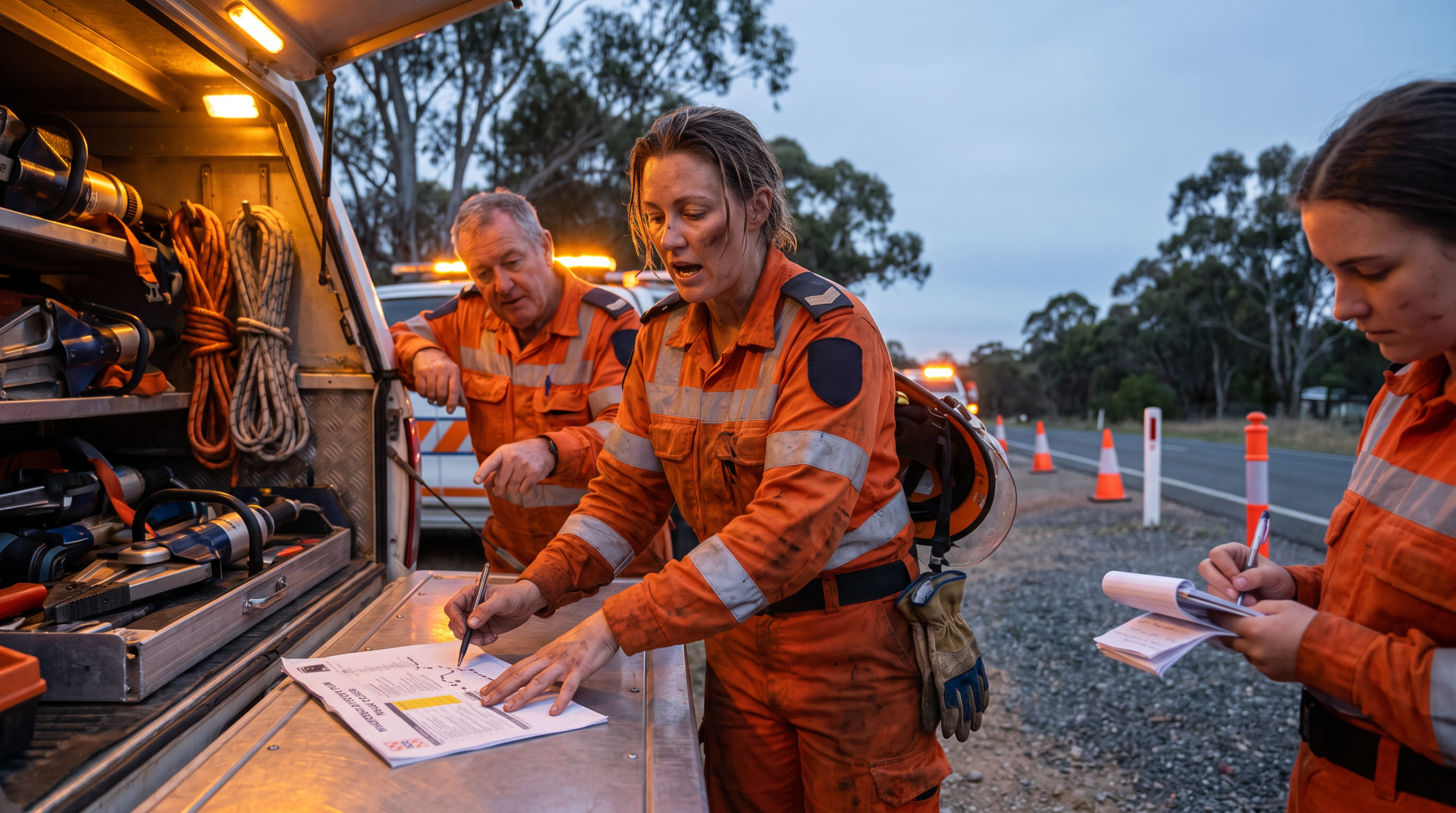
Defence and emergency services sectors particularly value project coordination skills, as these environments demand precise coordination, risk management and stakeholder communication under challenging circumstances.
How Do You Choose the Right Project delivery Course?
Selecting appropriate project management training requires careful consideration of your career goals, current experience level and industry focus. The Australian Qualifications Framework offers project coordination qualifications at Certificate IV, Diploma and Advanced Diploma levels, each targeting different competency levels and career stages.
Certificate IV in Managing projects Practice (BSB40920) provides foundational skills suitable for emerging project coordinators and team leaders. Diploma of Managing projects (BSB50820) targets experienced professionals seeking formal recognition of their project leadership capabilities. Advanced Diploma qualifications suit senior managers pursuing executive project roles.
Consider delivery modes that suit your lifestyle and learning preferences. Many RTOs offer flexible online learning options, face-to-face classes in major cities like Brisbane, or blended approaches combining both methods. Ensure your chosen provider holds current ASQA registration and delivers nationally recognised qualifications aligned with training package requirements available through training.gov.au.
What Skills Will You Develop Through Project Management Training?
Comprehensive project delivery courses develop both technical and soft skills essential for professional success. Technical competencies include project planning, resource scheduling, budget management, risk assessment, quality assurance and performance monitoring. You’ll master industry-standard tools and software used for project tracking, reporting and stakeholder communication.
Soft skills development encompasses leadership, negotiation, conflict resolution, team building and stakeholder management. These interpersonal capabilities prove crucial for motivating teams, managing difficult conversations and maintaining positive working relationships throughout project lifecycles.
Communication skills receive particular emphasis, as project managers must present complex information to diverse audiences including executives, technical teams and external stakeholders. You’ll develop expertise in creating project documentation, delivering presentations and facilitating productive meetings that drive project progress.
Recognition of Prior Learning for Project delivery Qualifications
Recognition of Prior Learning (RPL) provides an efficient pathway for experienced professionals to obtain formal project coordination qualifications based on their existing skills and knowledge. This VET assessment process evaluates your current competencies against qualification requirements, potentially reducing study time and costs significantly.
RPL assessments consider various evidence sources including employment history, project portfolios, performance reviews, training records and professional references. Experienced project coordinators, team leaders, supervisors and managers often possess substantial relevant experience that qualifies them for advanced qualifications without completing traditional coursework. For more information, what is RPL.
The RPL process typically involves initial consultation, evidence gathering, competency mapping and formal assessment by qualified assessors. Successful candidates receive the same nationally recognised qualifications as traditional students, providing equal recognition and career benefits.
3CIR specialises in RPL assessments for managing projects qualifications, offering personalised support throughout the assessment process. Our experienced assessors understand how practical project experience aligns with qualification requirements, ensuring fair and comprehensive evaluations that recognise your professional achievements.
Special Benefits for Veterans and Emergency Services Personnel
3CIR proudly supports Australia’s defence and emergency services communities by offering 25% discounts on all project coordination courses for current and former ADF personnel, police, firefighters, paramedics and emergency services workers. This recognition acknowledges the valuable project delivery experience gained through military service and emergency response operations.
Military personnel develop exceptional project management skills through operational planning, resource coordination, risk assessment and team leadership under challenging conditions. Emergency services professionals similarly gain experience managing complex incidents, coordinating multiple agencies and delivering critical outcomes under pressure.
These transferable skills align closely with civilian project coordination competencies, making veterans and emergency services personnel ideal candidates for managing projects careers. The structured decision-making processes, attention to detail and leadership capabilities developed in these roles translate directly into successful managing projects practices.
Our veteran-focused approach recognises the unique value these professionals bring to project teams and the broader Australian economy. The 25% discount reduces financial barriers, making quality project management education more accessible to those who have served their communities and country.
Frequently Asked Questions
What qualifications do I need to start a project delivery course?
Most Certificate IV project delivery courses require Year 12 completion or equivalent, though mature age entry and RPL pathways accommodate various educational backgrounds. Higher qualifications may require relevant work experience or completion of prerequisite certificates.
How long does project coordination training take to complete?
Certificate IV qualifications typically require 6-12 months part-time study, while Diploma programs span 12-18 months. RPL assessments can significantly reduce timeframes, with some experienced professionals completing qualifications within 6-8 weeks through comprehensive portfolio assessment.
Are online project management courses as valuable as face-to-face training?
Online managing projects courses deliver identical content and assessment standards as face-to-face programs, ensuring graduates receive equivalent qualifications. Many students prefer online flexibility for balancing study with work and family commitments, while maintaining high engagement through interactive learning platforms. You can start your free assessment to find out what qualifications match your experience.
What career opportunities open up with project coordination qualifications?
Project delivery qualifications enable careers as project coordinators, project managers, program managers, portfolio managers and project management office directors. Opportunities exist across construction, IT, healthcare, government, mining and consulting sectors, with salary ranges from a competitive salary+ annually.
How does project coordination training benefit ADF personnel transitioning to civilian careers?
Managing projects training provides formal recognition of military planning and leadership skills, translating operational experience into civilian qualifications. ADF personnel excel in project environments due to their discipline, attention to detail and experience managing complex operations under pressure.
Can emergency services workers apply their experience toward managing projects qualifications?
Emergency services experience in incident management, resource coordination and multi-agency operations aligns strongly with project management competencies. RPL assessments can recognise this experience, enabling police, firefighters and paramedics to obtain qualifications based on their operational expertise.
What software skills are included in project delivery courses?
Project delivery courses cover industry-standard software including Microsoft Project, Primavera P6, Smartsheet and various collaboration platforms. Training emphasises practical application of these tools for scheduling, resource management, progress tracking and stakeholder reporting across different project contexts.
How do I know if my RTO is properly accredited for project coordination training?
Verify RTO accreditation through the Australian Skills Quality Authority (ASQA) website, ensuring they hold current registration and scope to deliver your chosen qualification. Check training package currency and qualification alignment with Australian Qualifications Framework requirements.
What ongoing professional development is required for project managers?
Project management professionals benefit from continuous professional development through industry associations, advanced certifications and specialised training. Many pursue PMI or AIPM membership, attend conferences and complete additional qualifications in emerging areas like agile methodologies and digital managing projects.
Can I use project coordination qualifications internationally?
Australian project delivery qualifications receive international recognition, particularly in countries with similar education systems. AQF qualifications align with international standards, though some countries may require additional certification or professional registration for specific roles or industries.
Related Training Videos: